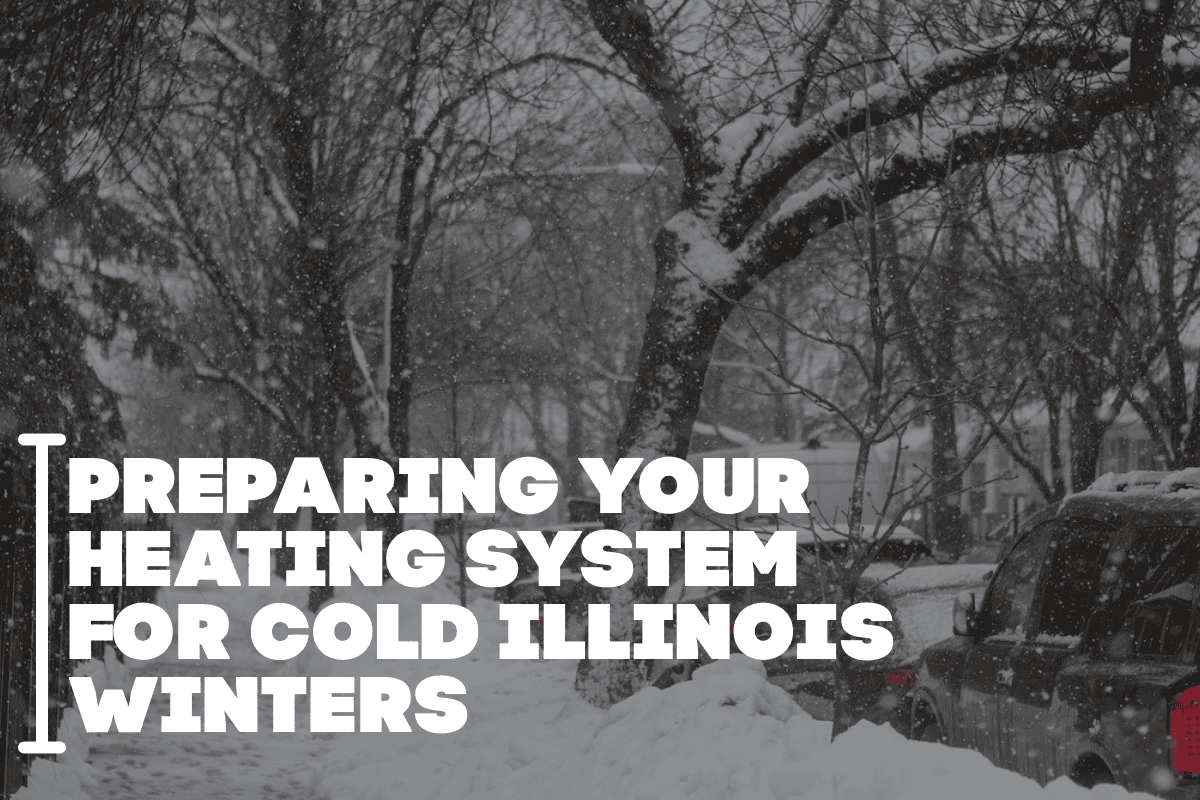
Illinois winters bring sub-zero temps and heavy snow, demanding thorough heating prep to avoid failures and high bills. Annual inspections and simple homeowner steps ensure furnaces or boilers deliver reliable warmth from November through March.
Schedule Professional Fall Tune-Up
Book inspections in September-October when techs clean burners, check exchangers, and test safety controls before demand peaks. They replace filters, lubricate parts, and verify venting to handle Illinois’ prolonged cold snaps efficiently.
Replace and Maintain Air Filters
Swap standard filters monthly during heating season to prevent airflow restrictions that strain blowers in dry, dusty Illinois air. Use pleated MERV 8-13 filters for better capture without dropping pressure.
Inspect Thermostat and Controls
Calibrate or upgrade to programmable/smart models that adjust for unoccupied hours, saving 10% on gas usage. Test emergency heat settings for dual-fuel systems common in northern Illinois.
Clear Vents, Ducts, and Outdoor Units
Vacuum registers, straighten fins on heat exchangers, and remove leaves/snow from vents to maximize airflow. Seal duct leaks with mastic to cut 20% heat loss in drafty older homes.
Test Carbon Monoxide Detectors
Install and check battery-powered CO alarms near bedrooms, testing monthly as Illinois codes require. Pros verify combustion during tune-ups to prevent leaks from iced vents.
Stock Supplies and Plan Backup Heat
Keep extra filters, thermostats, and fuel on hand; space heaters or generators serve as backups for outages from Illinois storms. Insulate pipes to avoid freezing in unheated areas.
Monitor Performance Early Season
Track bills and temperatures; rising costs or weak airflow signal issues needing prompt fixes. Annual maintenance extends life against harsh Midwest freeze-thaw cycles.
FAQ
When to schedule Illinois heating prep?
Early fall, September-October before first freeze.
Why change filters monthly in winter?
Prevents clogs from indoor dust buildup during recirculation.
Do smart thermostats help in cold climates?
Yes, they optimize for long heating periods, saving 10-15%.
How to prevent frozen pipes?
Insulate and maintain steady indoor heat above 55°F.
What if CO alarms sound during prep?
Evacuate and call pros—likely venting issue from buildup.