Heating systems show clear warning signs when repairs become urgent, often signaling safety risks or impending breakdowns during cold weather. Addressing these promptly prevents costly failures and hazards like carbon monoxide exposure.
Unusual Noises from the Unit
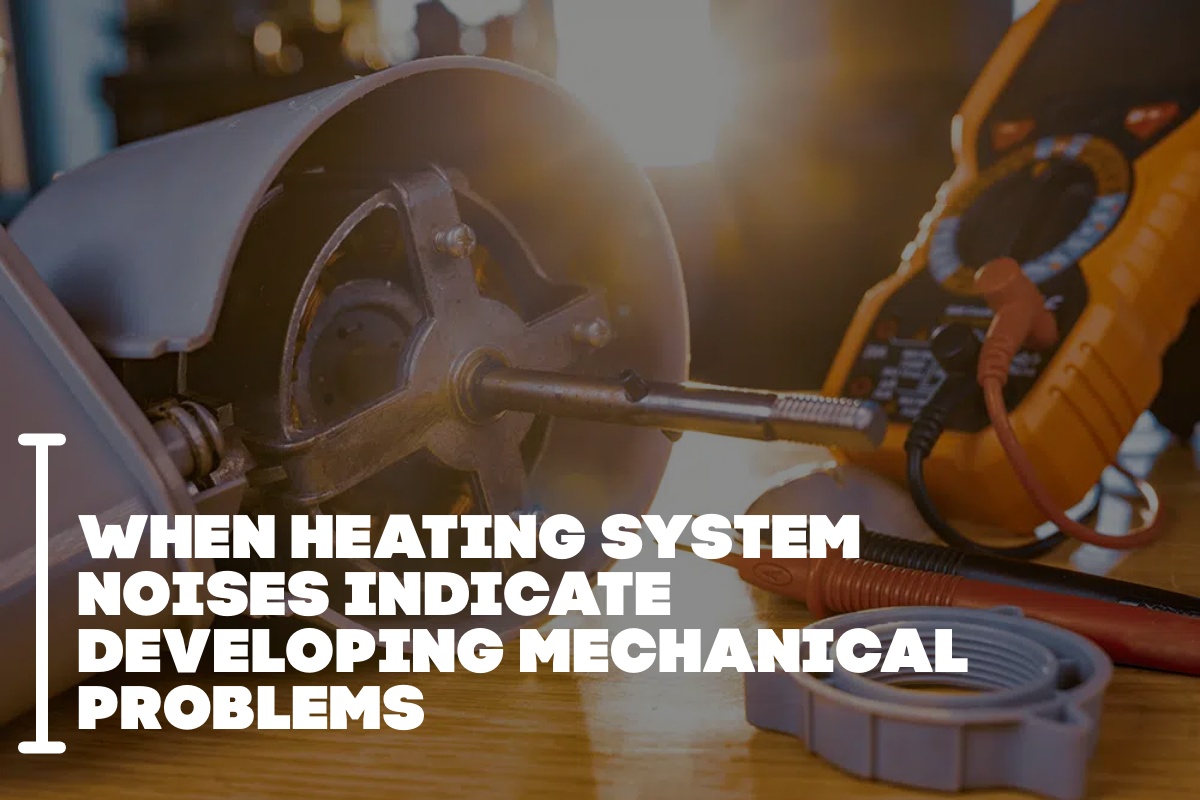
Banging, rattling, or screeching sounds indicate loose parts, motor issues, or duct problems that worsen quickly. These noises mean the system strains, risking component damage if ignored.
Frequent Short Cycling
The furnace turns on and off rapidly due to clogged filters, thermostat faults, or airflow restrictions, causing uneven heating and excess wear. This inefficiency spikes energy use and shortens lifespan.
Strange Odors or Gas Smells
Burning, musty, or gas-like odors suggest electrical issues, dust ignition, or leaks—shut off the system immediately. Gas smells demand evacuation and professional checks for safety.
Uneven or No Heat Output
Some rooms stay cold while others overheat, pointing to blower failures, duct leaks, or exchanger cracks. Complete heat loss in winter requires emergency service to restore comfort.
Rising Energy Bills Suddenly
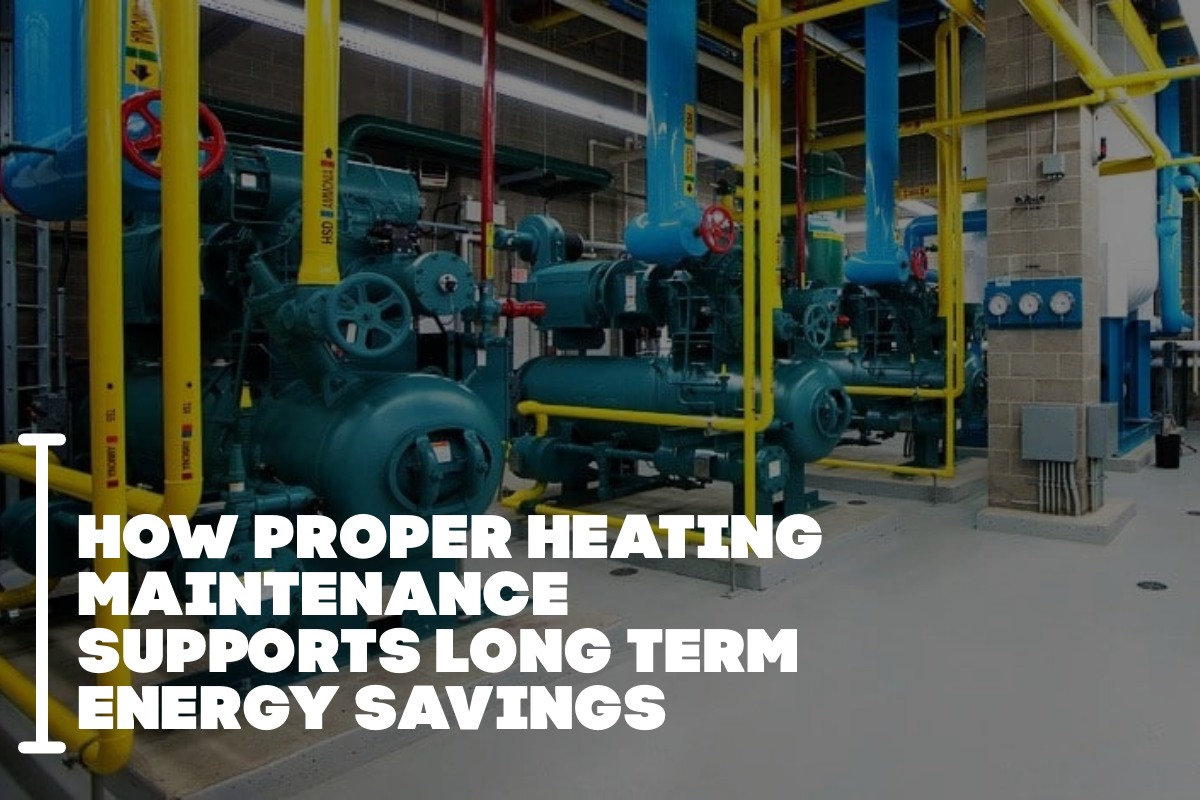
Unexpected bill increases without usage changes mean inefficiency from dirty coils or failing parts forcing harder operation. This hidden strain accelerates breakdowns.
Carbon Monoxide or Safety Alerts
Detector alarms signal leaks from faulty vents or exchangers—evacuate and call pros right away. Yellow flames or sooty buildup also warn of incomplete combustion risks.
Visible Leaks or Damage
Water pooling near boilers or furnaces indicates exchanger cracks or drain issues; electrical sparks or soot demand instant shutdown. These pose fire or flood threats.
FAQ
What does short cycling mean for my furnace?
Rapid on-off cycles from dirty filters or thermostat problems wear out parts fast.
Is a gas smell an emergency?
Yes—evacuate and call professionals to check for leaks.
Why do energy bills rise unexpectedly?
Inefficient operation from neglected maintenance forces higher usage.
What noises signal urgent repair?
Banging or screeching from loose components or motors.
How to respond to CO detector alarms?
Leave home immediately and contact HVAC emergency service.