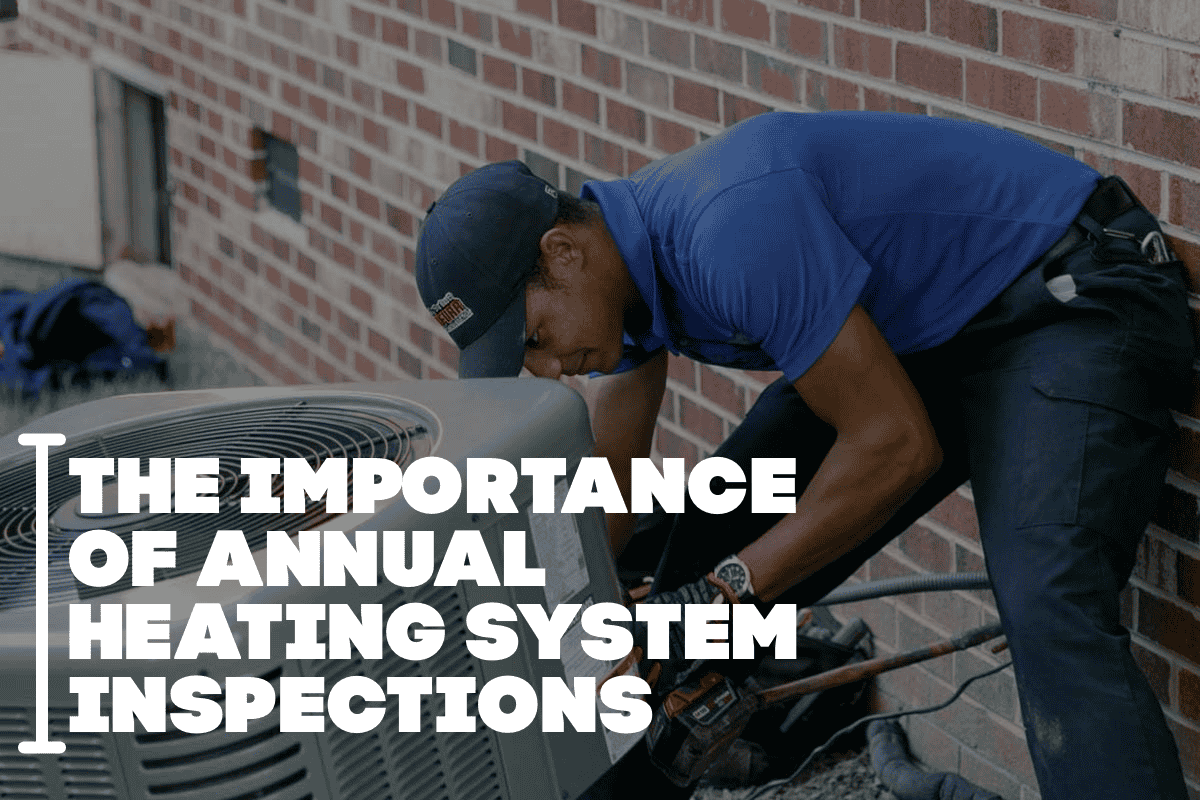
Annual heating system inspections prevent breakdowns, enhance safety, and cut costs by identifying issues early in furnaces, boilers, or heat pumps. Professionals check components thoroughly, ensuring reliable performance during peak winter demand.
Prevents Costly Emergency Repairs
Neglected systems fail suddenly, costing $500-$5,000 in urgent fixes versus $100-$200 for routine checks that spot worn belts or dirty coils early. Proactive inspections avoid 80% of common failures like blower malfunctions.
Ensures Safety from Hidden Hazards
Inspections detect carbon monoxide leaks, cracked heat exchangers, or faulty vents that pose fire or poisoning risks to families. Techs test safety switches and gas lines, complying with codes and preventing tragedies.
Boosts Efficiency and Lowers Bills
Dirty filters and misaligned burners drop efficiency by 20-30%; cleaning restores peak AFUE, saving 10-15% on heating costs annually. Balanced airflow and sealed ducts maximize comfort without excess energy use.
Extends Equipment Lifespan Significantly
Regular tune-ups lubricate motors, tighten connections, and replace parts, extending furnace life from 15 to 25+ years by reducing wear. Systems run smoother, delaying $3,000-$7,000 replacements.
Improves Indoor Air Quality
Pros clean coils and vents, removing dust, mold, and allergens that circulate during operation. Fresh filters and sealed systems reduce respiratory issues, especially for vulnerable household members.
Complies with Warranties and Regulations
Manufacturers require annual service to maintain 10-20 year warranties; inspections document compliance. Local codes often mandate checks for insurance eligibility and rebates on efficient upgrades.
FAQ
How often are annual inspections needed?
Once per year, ideally in fall before heating season starts.
What do inspections typically include?
Filter changes, burner cleaning, safety tests, and efficiency checks.
Do they really save money long-term?
Yes, preventing $1,000+ repairs and 10-15% energy bills.
Why prioritize safety during inspections?
To catch CO leaks or fire risks before they endanger lives.
Can inspections improve air quality?
Absolutely, by removing contaminants from ducts and coils.