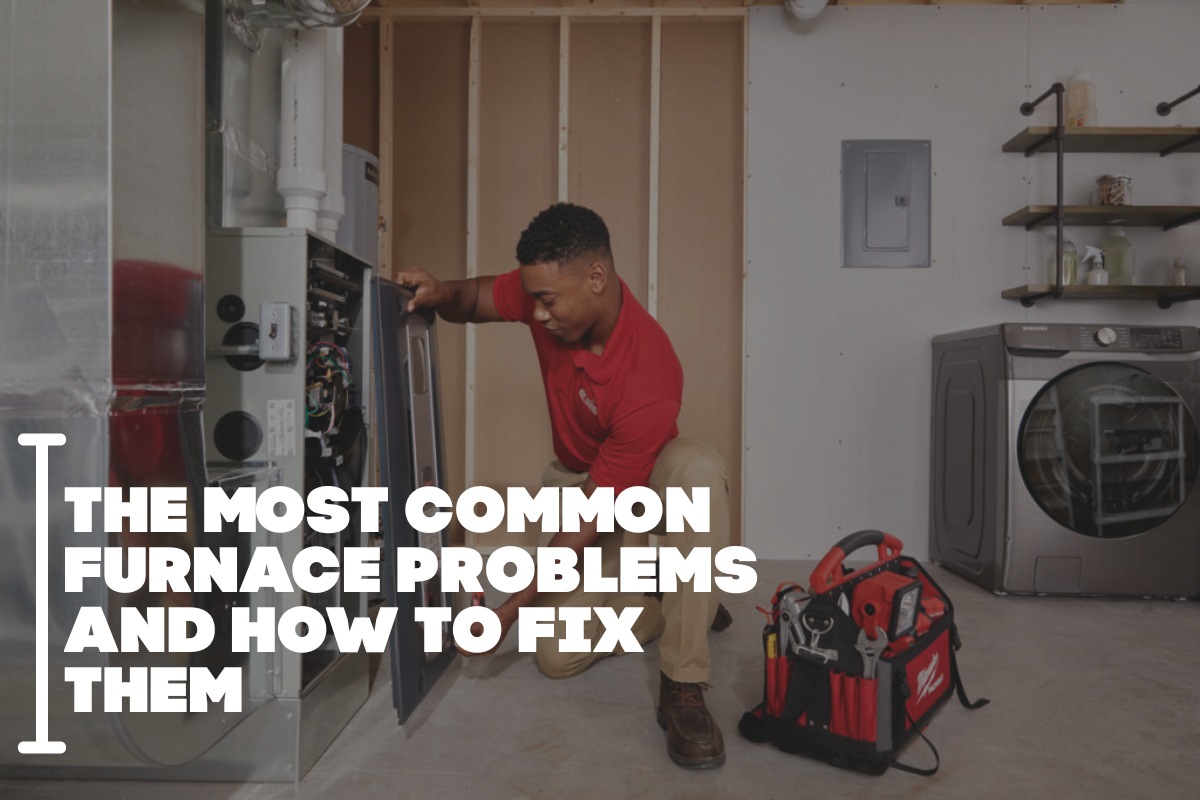
A furnace is the heart of a home’s heating system, especially during colder months when reliable warmth is essential for comfort and safety. Unfortunately, furnaces can develop problems over time due to wear and tear, lack of maintenance, or simple component failure.
The good news is that many common furnace issues are easy to diagnose and, in some cases, fix on your own. Understanding these problems can save you money, prevent breakdowns, and help you know when it’s time to call a professional.
Furnace Not Producing Heat
One of the most common furnace problems is a system that turns on but doesn’t produce warm air—or doesn’t turn on at all.
Possible causes include:
- Thermostat set incorrectly
- Tripped circuit breaker or blown fuse
- Pilot light or ignition failure
How to fix it:
Start by checking the thermostat to ensure it’s set to “heat” and the temperature is higher than the current room temperature. Replace the thermostat batteries if needed. Next, check your electrical panel for a tripped breaker. If you have an older gas furnace with a pilot light, make sure it’s lit. For newer furnaces, ignition problems may require professional service.
Furnace Blowing Cold Air
If your furnace is running but blowing cold or lukewarm air, it can be frustrating and uncomfortable.
Common reasons include:
- Overheated furnace triggering a safety shutdown
- Dirty air filter restricting airflow
- Thermostat fan setting set to “ON” instead of “AUTO”
How to fix it:
Replace the air filter if it’s dirty—this is one of the simplest and most effective fixes. Make sure the thermostat fan is set to “AUTO” so it only runs when the furnace is heating. If the furnace repeatedly overheats and shuts down, it may indicate a more serious airflow or mechanical issue that needs professional attention.
Frequent Cycling (Short Cycling)
Short cycling occurs when the furnace turns on and off repeatedly without completing a full heating cycle. This reduces efficiency and increases wear on components.
Possible causes include:
- Dirty air filter
- Faulty thermostat placement
- Overheating heat exchanger
How to fix it:
Start by replacing the air filter. Check that the thermostat isn’t located near drafts, vents, or heat sources that could cause false readings. If the issue continues, a technician should inspect the heat exchanger and limit switch, as overheating can be dangerous.
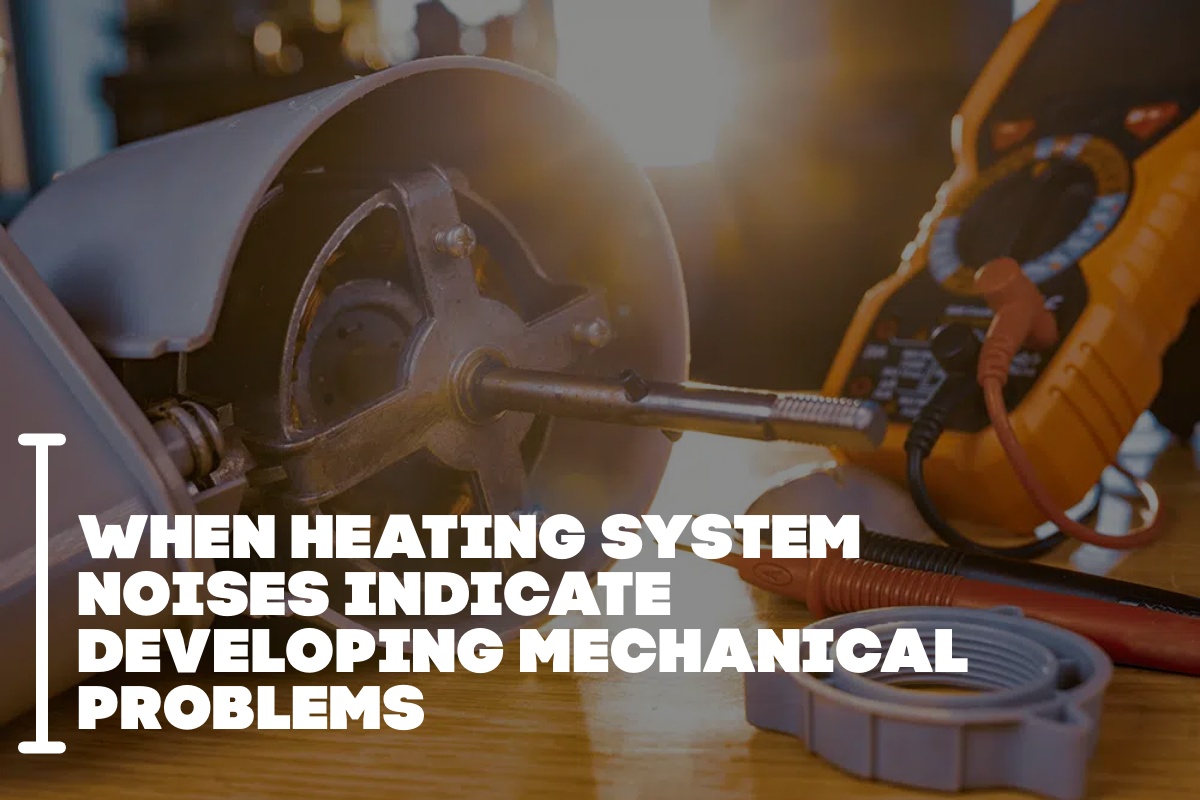
Unusual Noises Coming from the Furnace
Furnaces normally make some noise, but loud or unusual sounds often indicate a problem.
Common noises and causes:
- Banging or popping: expanding ductwork or delayed ignition
- Squealing: worn belt or motor bearings
- Rattling: loose panels or internal components
How to fix it:
Tighten loose screws or panels if accessible. Replace worn belts if your furnace uses one. Persistent banging or popping sounds related to ignition should be inspected by a professional to prevent damage or safety hazards.
Weak or No Airflow from Vents
Poor airflow means your furnace is working harder while delivering less heat to your home.
Likely causes include:
- Clogged air filter
- Blocked or closed vents
- Failing blower motor
How to fix it:
Replace the air filter and ensure all vents are open and unobstructed. If airflow is still weak, the blower motor or fan may need repair or replacement, which typically requires a professional.
Furnace Won’t Turn On
When a furnace won’t start at all, it can be alarming, especially in cold weather.
Common causes include:
- Power supply issues
- Safety switch triggered
- Faulty thermostat or control board
How to fix it:
Check the power switch near the furnace—it may have been accidentally turned off. Inspect the breaker panel. Some furnaces have a safety switch that turns the system off if the access panel isn’t properly secured. If everything appears normal and the furnace still won’t start, professional diagnosis is recommended.
Rising Energy Bills
An unexpected increase in heating costs can signal furnace inefficiency.
Possible reasons include:
- Dirty filters or duct leaks
- Aging or poorly maintained furnace
- Thermostat settings too high
How to fix it:
Replace filters regularly, seal visible duct leaks, and consider scheduling annual maintenance. Lowering the thermostat by a few degrees and using a programmable thermostat can also reduce energy consumption.
When to Call a Professional
While many furnace problems have simple solutions, some issues should never be handled without proper training. Call a professional if you notice gas smells, frequent system shutdowns, visible corrosion, or error codes you can’t resolve. Safety should always come first.
Frequently Asked Questions
Q. How often should I replace my furnace air filter?
Most air filters should be replaced every 1 to 3 months, depending on usage, filter type, and household conditions such as pets or allergies.
Q. Is it safe to troubleshoot a furnace myself?
Basic checks like replacing filters, checking thermostat settings, and resetting breakers are generally safe. Avoid handling gas lines, electrical components, or internal mechanical parts without professional expertise.
Q. Why does my furnace turn on but shut off quickly?
This is often caused by overheating due to restricted airflow, a dirty filter, or a faulty limit switch. Replacing the filter is a good first step.
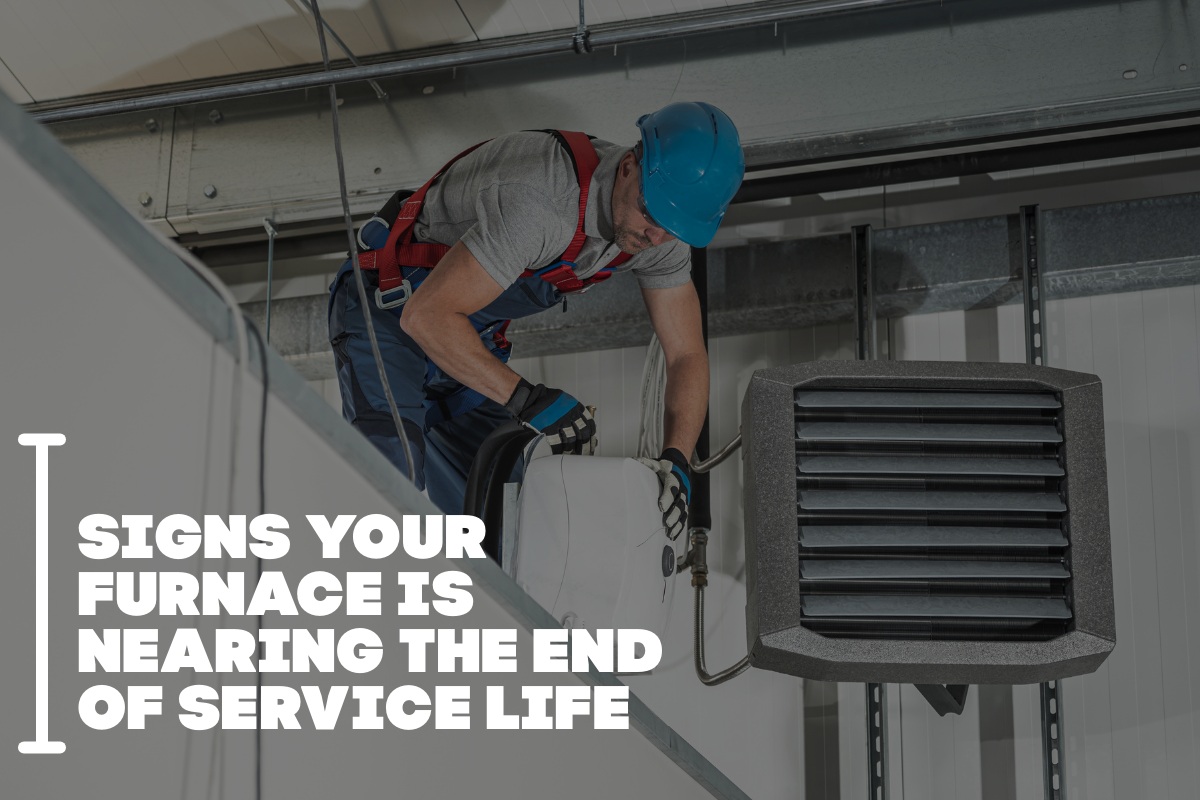
Q. How long does a typical furnace last?
With proper maintenance, most furnaces last between 15 and 20 years. Efficiency and repair costs usually determine when replacement is the better option.
Q. Can poor furnace performance affect indoor air quality?
Yes. Dirty filters, duct leaks, and malfunctioning components can circulate dust, allergens, and pollutants throughout your home.
Q. What is the best way to prevent furnace problems?
Annual professional inspections, regular filter changes, and keeping vents clear are the most effective ways to prevent common furnace issues.
Understanding the most common furnace problems empowers homeowners to act quickly, reduce heating costs, and maintain a safe, comfortable living environment. With regular care and timely repairs, your furnace can provide reliable warmth for years to come.