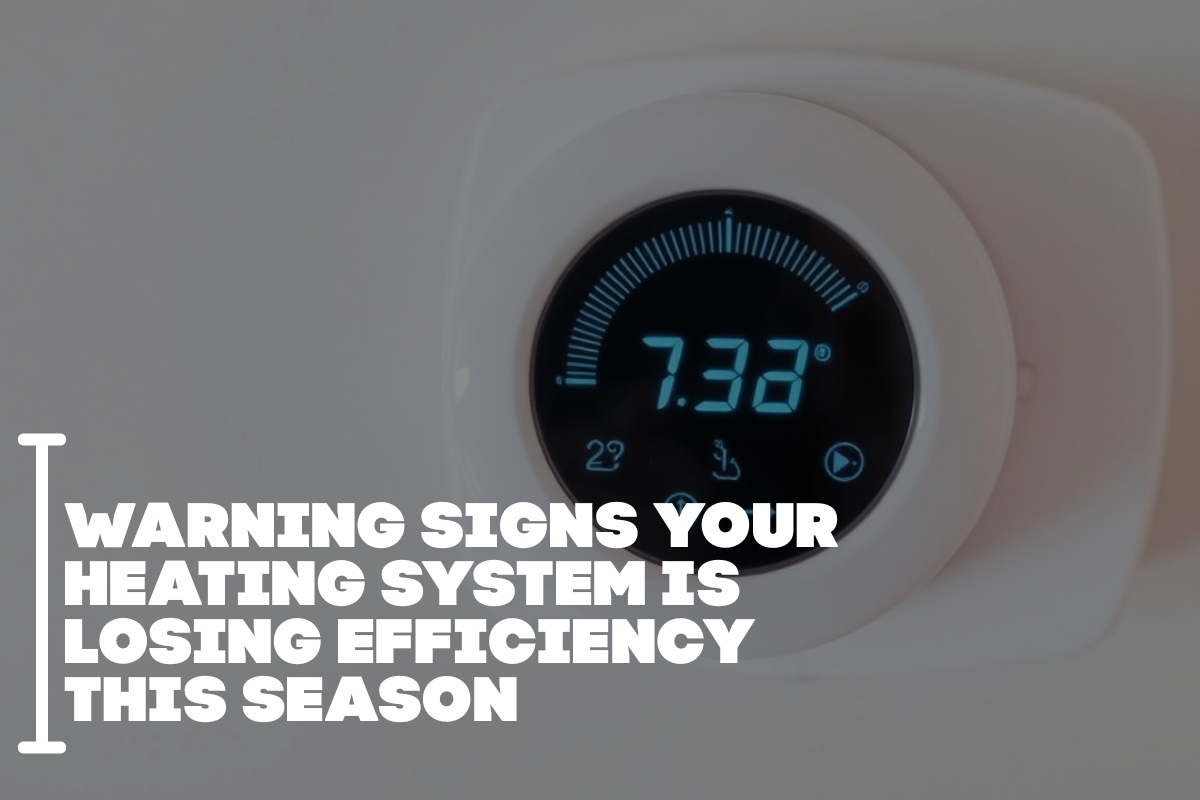
As temperatures drop, your heating system works harder to keep your home comfortable. When efficiency starts to decline, the change is often gradual, making it easy to overlook until energy bills rise or comfort drops noticeably. Recognizing early warning signs can help you address problems before they lead to higher costs, system strain, or unexpected breakdowns.
Rising Energy Bills Without Increased Usage
One of the clearest signs of reduced heating efficiency is a noticeable increase in energy bills even though your usage habits haven’t changed. When a heating system becomes inefficient, it requires more energy to produce the same level of warmth.
This often results from worn components, dirty filters, or reduced airflow, all of which force the system to run longer than necessary.
Uneven Heating Throughout the Home
If some rooms feel comfortably warm while others remain chilly, your heating system may be struggling to distribute heat evenly. Uneven heating can indicate duct leaks, blocked vents, or a system that can no longer maintain consistent output.
Efficiency declines when heat is lost before reaching living spaces or when the system cannot balance airflow properly.
Longer Heating Cycles and Constant Running
A heating system that runs for unusually long cycles or seems to operate almost continuously is often losing efficiency. As internal components wear down, the system must work harder and longer to reach the thermostat setting.
This not only increases energy consumption but also accelerates wear, raising the risk of system failure during peak cold periods.
Weak or Lukewarm Air From Vents
When the air coming from your vents feels weaker or less warm than usual, it may indicate declining performance. Reduced heat output can be caused by clogged filters, burner issues, or heat exchanger problems.
Inefficient heat transfer means more energy is used without delivering the expected comfort.
Frequent Adjustments to the Thermostat
If you find yourself constantly raising the thermostat to stay warm, your heating system may no longer be operating efficiently. An efficient system should maintain a steady indoor temperature once set.
Repeated thermostat adjustments often signal that the system is struggling to meet demand due to efficiency loss.
Unusual Noises During Operation
Banging, rattling, squealing, or grinding noises are more than just annoyances. They often indicate loose parts, motor issues, or airflow restrictions that reduce efficiency.
When mechanical components are not functioning smoothly, energy is wasted and overall performance declines.
Excessive Dust or Poor Air Quality
A heating system losing efficiency may circulate more dust or cause dry, uncomfortable indoor air. Dirty filters, leaky ducts, or poor airflow can contribute to reduced performance and increased energy use.
Changes in indoor air quality often accompany efficiency problems and should not be ignored.
Frequent Repairs or Service Calls
If your heating system requires repeated repairs, it is often a sign that efficiency is declining. While individual repairs may solve temporary issues, frequent breakdowns indicate that the system is nearing the end of its effective lifespan.
An inefficient system often costs more to maintain than it saves in continued operation.
Age of the Heating System
Most heating systems have a lifespan of 10 to 15 years, depending on type and maintenance. As systems age, efficiency naturally declines even with regular care.
Older systems lack the efficiency standards and technology found in newer models, making them more expensive to operate over time.
Burning Smells or Unusual Odors
Persistent burning or musty smells during operation can indicate dirt buildup, overheating components, or airflow issues. These problems force the system to work harder, reducing efficiency and increasing safety concerns.
Any unusual odor that continues beyond initial seasonal startup should be inspected promptly.
Reduced Comfort Despite Normal Operation
If your home simply feels less comfortable than in previous seasons, even though the system appears to be working, efficiency may be declining. Poor humidity control, inconsistent temperatures, and slow warm-up times are common indicators.
Comfort issues often appear before complete system failure, making them important early warning signs.
Conclusion
A heating system losing efficiency often shows subtle signs before major problems develop. Rising energy bills, uneven heating, longer run times, unusual noises, and reduced comfort all point to declining performance. Addressing these warning signs early through maintenance or professional inspection can restore efficiency, lower operating costs, and prevent unexpected breakdowns during the coldest months.
Frequently Asked Questions (FAQs)
Q. How can I improve heating efficiency quickly?
Start by replacing or cleaning air filters, ensuring vents are clear, and scheduling a professional inspection to identify hidden issues.
Q. Is it normal for heating bills to increase slightly in winter?
Yes, but sharp or unexplained increases often indicate efficiency problems rather than seasonal demand alone.
Q. How often should a heating system be serviced?
Annual maintenance before the heating season helps maintain efficiency and catch problems early.
Q. Can an old heating system still be efficient?
Older systems can function adequately with maintenance, but they are generally less efficient than newer models and cost more to operate.
Q. When should I consider replacing instead of repairing?
If repairs are frequent, energy bills are high, or the system is near the end of its lifespan, replacement may be more cost-effective long term.