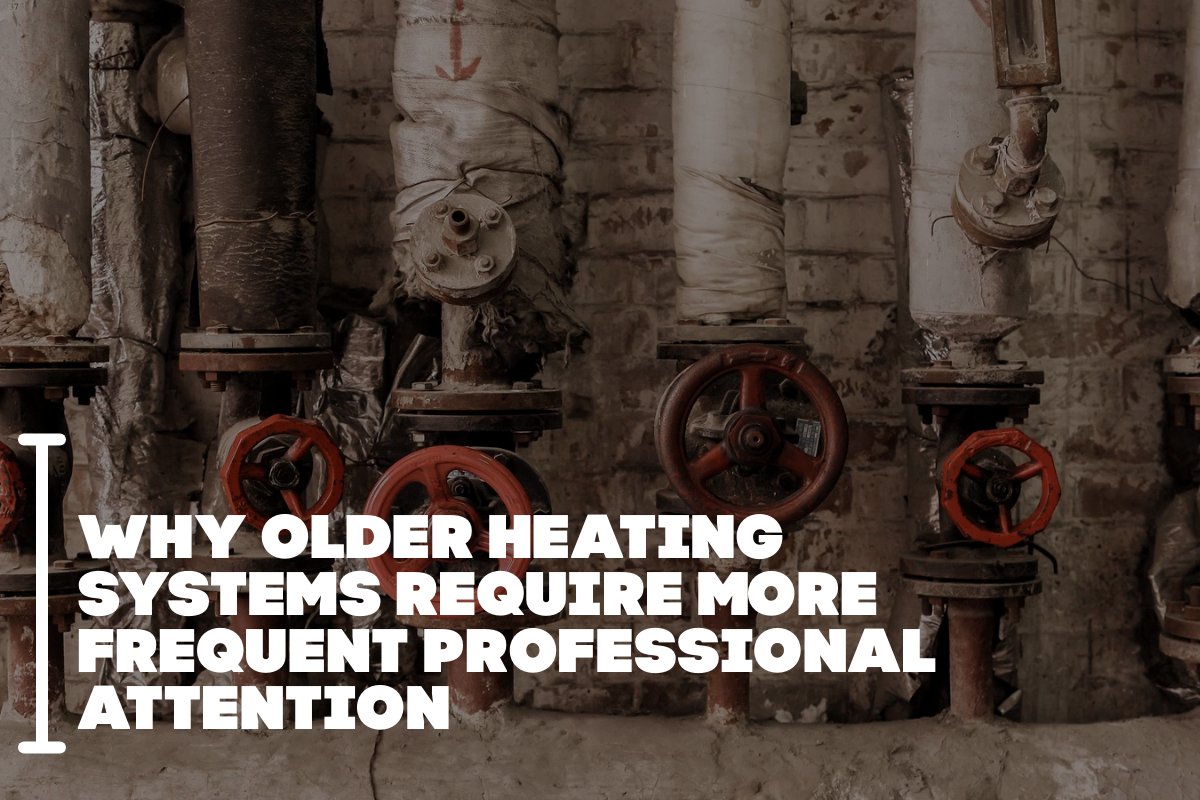
As heating systems age, they naturally lose efficiency, reliability, and performance. While older units may continue functioning for years, they typically require more frequent professional attention to operate safely and effectively. Neglecting regular maintenance on aging heating systems can lead to higher energy bills, reduced comfort, unexpected breakdowns, and even safety risks.
Understanding why older heating systems demand more professional care can help homeowners plan maintenance schedules, manage repair costs, and decide when replacement may be the better option.
Natural Wear and Tear Over Time
Heating systems endure years of continuous operation, especially during colder seasons. Over time, internal components experience wear and tear that affects overall performance.
Common aging effects include:
- Corroded heat exchangers
- Worn blower motors
- Cracked belts
- Rusted burners
- Electrical connection degradation
As parts deteriorate, professional inspections become more critical to identify and address minor issues before they evolve into system failures.
Reduced Energy Efficiency
Older heating systems were built using outdated technology and lower efficiency standards compared to modern units. Even if functioning properly, they often consume more fuel or electricity to produce the same level of heat.
Reasons for declining efficiency:
- Dust and debris accumulation
- Decreased combustion performance
- Airflow restrictions
- Failing thermostats
- Aging insulation around ducts
Frequent professional tune-ups help restore partial efficiency by cleaning components, recalibrating controls, and ensuring optimal airflow.
Increased Risk of Mechanical Failure
As systems age, the likelihood of unexpected breakdowns rises significantly. Metal fatigue, electrical component wear, and repeated heating cycles weaken the unit’s reliability.
Below is a comparison of maintenance needs based on system age:
| System Age | Breakdown Risk | Recommended Professional Service |
|---|---|---|
| 0–5 Years | Low | Annual inspection |
| 6–10 Years | Moderate | Annual maintenance + mid-season check |
| 11–15 Years | High | Biannual inspections |
| 16+ Years | Very High | Frequent inspections & repair planning |
Older systems require closer monitoring to prevent emergency repairs during peak winter months.
Safety Concerns Become More Prominent
Safety becomes a major concern as heating systems age. Cracked heat exchangers, loose gas connections, or improper combustion can create hazardous conditions.
Potential safety risks include:
- Carbon monoxide leaks
- Gas leaks
- Electrical short circuits
- Fire hazards
Professional technicians use specialized equipment to test combustion levels, inspect heat exchangers, and verify ventilation safety—services that are especially critical for older systems.
Outdated Components and Hard-to-Find Parts
Manufacturers eventually discontinue parts for older heating models. When a component fails:
- Replacement parts may be scarce
- Repairs may take longer
- Temporary fixes may be required
- Costs may increase due to limited supply
Frequent professional servicing helps extend the life of aging components and reduces the risk of sudden, difficult-to-source breakdowns.
Decreased Comfort and Performance
Older systems often struggle to maintain consistent indoor temperatures. You may notice:
- Uneven heating between rooms
- Longer heating cycles
- Strange noises
- Frequent cycling on and off
- Poor air quality
Professional attention ensures airflow balance, thermostat calibration, and duct inspection to improve overall comfort.
Accumulated Dirt and Internal Buildup
Years of operation lead to dust accumulation in burners, coils, blowers, and ductwork. Dirty systems:
- Overheat more easily
- Consume more energy
- Experience airflow blockages
- Wear out faster
Routine professional cleaning prevents strain on aging components and improves longevity.
Financial Considerations: Repair vs Replacement
Older heating systems often require more frequent repairs, making maintenance costs accumulate quickly.
| Factor | Older System | Newer System |
|---|---|---|
| Energy Efficiency | Lower | Higher |
| Repair Frequency | High | Low |
| Safety Risk | Elevated | Minimal |
| Annual Maintenance Cost | Moderate to High | Low |
| Reliability | Decreasing | Strong |
Regular professional evaluations help homeowners determine whether continued maintenance is cost-effective or if replacement offers better long-term savings.
Signs Your Older Heating System Needs Immediate Attention
Do not delay professional service if you notice:
- Burning or gas odors
- Sudden increase in utility bills
- Loud banging or rattling noises
- Yellow instead of blue furnace flame
- Inconsistent thermostat readings
- System age over 15 years
Prompt inspections can prevent dangerous situations and costly breakdowns.
FAQs
1. How often should an older heating system be serviced?
Systems over 10 years old should typically be inspected at least twice per year to ensure safe and efficient operation.
2. Is it safe to run a 20-year-old furnace?
It can be safe if regularly maintained, but safety inspections are critical due to increased risks of heat exchanger cracks and carbon monoxide leaks.
3. When should I consider replacing instead of repairing?
If repair costs exceed 50% of replacement cost or breakdowns become frequent, replacement is usually more economical.
4. Does maintenance really extend the life of older systems?
Yes. Regular cleaning, calibration, and part replacement can significantly extend operational lifespan.
5. Why are my heating bills rising even though the system still works?
Aging systems lose efficiency over time, requiring more fuel or electricity to generate the same heat output.