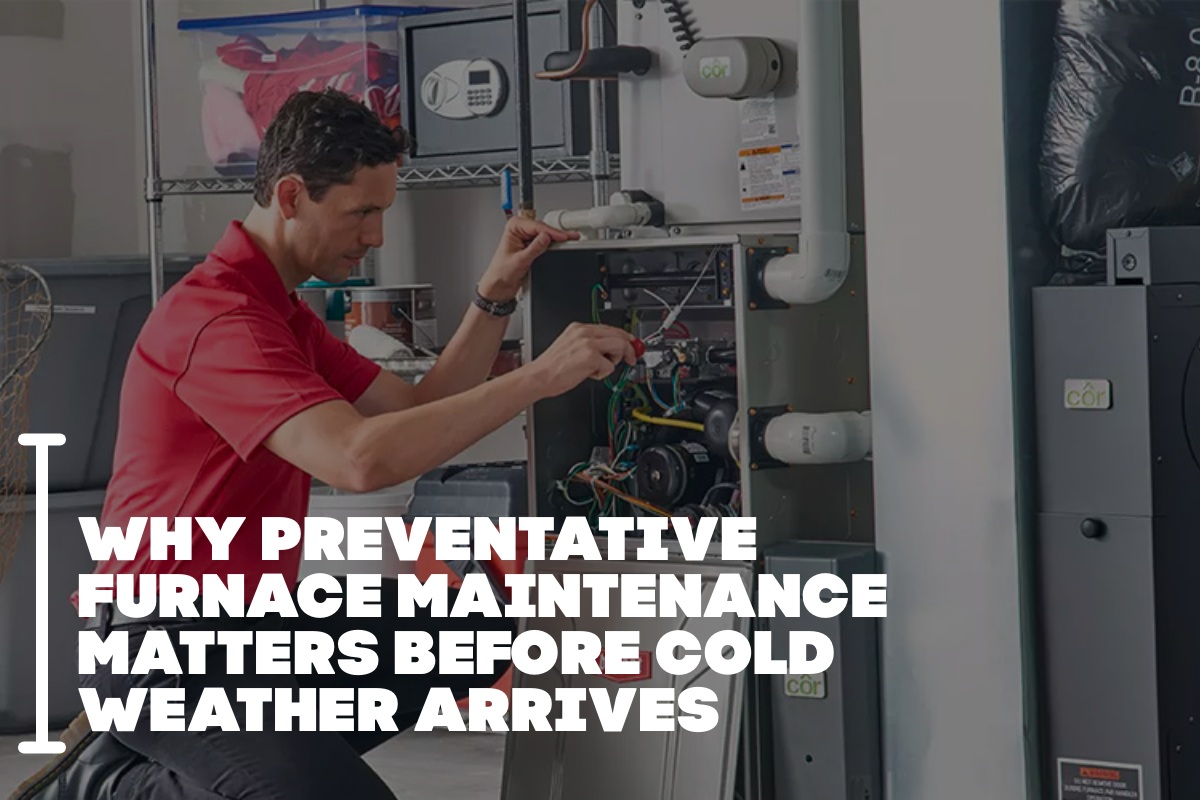
As temperatures begin to drop, your furnace becomes one of the most important systems in your home. When it fails in the middle of winter, the consequences can be uncomfortable, expensive, and even dangerous. Preventative furnace maintenance before cold weather arrives is not just a recommendation—it is a smart, proactive step that ensures reliable heating, energy efficiency, and household safety throughout the winter season.
Avoiding Unexpected Furnace Breakdowns
Furnace failures rarely happen at convenient times. Cold snaps often place heavy demand on heating systems, and small unresolved issues can quickly turn into complete breakdowns. Preventative maintenance allows technicians to identify worn parts, loose connections, or early signs of failure before they cause major problems. Addressing these issues ahead of time reduces the risk of being left without heat during the coldest days of the year.
Improving Energy Efficiency and Lowering Costs
A poorly maintained furnace must work harder to heat your home, which increases energy consumption and utility bills. Dust buildup, clogged filters, and inefficient burners all reduce system performance. During preventative maintenance, technicians clean and tune critical components to ensure the furnace operates at peak efficiency. This not only keeps your home consistently warm but also helps lower monthly heating costs throughout the winter.
Extending the Lifespan of Your Furnace
Furnaces are long-term investments, and regular maintenance plays a key role in protecting that investment. Just like a car engine, heating systems last longer when they are properly serviced. Preventative maintenance reduces stress on components, minimizes wear and tear, and helps prevent premature system failure. Over time, this can delay the need for costly furnace replacement and maximize the value of your heating system.
Enhancing Safety for Your Home and Family
Furnace maintenance is not only about comfort—it is also about safety. Gas furnaces, in particular, can pose risks if they are not properly maintained. Cracked heat exchangers, gas leaks, or faulty ignition systems can lead to carbon monoxide exposure or fire hazards. Professional maintenance includes thorough safety checks that ensure the system is operating correctly and safely before heavy winter use begins.
Ensuring Consistent and Reliable Heating
Uneven heating, strange noises, or frequent cycling are common signs of furnace problems that often appear before winter. Preventative maintenance helps resolve these issues early, ensuring even heat distribution and consistent performance when you need it most. A well-maintained furnace delivers reliable warmth without sudden temperature fluctuations or unexpected shutdowns.
Reducing Emergency Repair Stress
Emergency furnace repairs during winter are often more expensive and stressful than scheduled maintenance. Technicians are in high demand during cold weather, which can lead to longer wait times and higher service costs. Preventative maintenance is typically scheduled at your convenience, giving you peace of mind knowing your system has been checked and prepared for winter operation.
Supporting Better Indoor Air Quality
Furnaces play a role in circulating air throughout your home. Dirty filters, dust buildup, and neglected components can negatively impact indoor air quality. Preventative maintenance includes cleaning and filter replacement, which helps reduce airborne dust, allergens, and pollutants. This is especially important during winter when homes are sealed tightly and indoor air circulation increases.
FAQs
When is the best time to schedule furnace maintenance?
Early fall is ideal, before cold weather places heavy demand on your heating system.
How often should a furnace be professionally serviced?
Most furnaces should receive professional maintenance once a year to ensure safe and efficient operation.
Can furnace maintenance really prevent breakdowns?
While no system is failure-proof, routine maintenance greatly reduces the risk of unexpected breakdowns.
Does preventative maintenance help with high heating bills?
Yes, a clean and well-tuned furnace operates more efficiently, which can lower energy costs.
Is furnace maintenance necessary for newer systems?
Yes, even new furnaces benefit from maintenance to maintain efficiency, protect warranties, and ensure long-term reliability.