Winter places heavy demands on home heating systems. When temperatures drop, furnaces, boilers, and heat pumps often run continuously for long periods. Many unexpected winter breakdowns happen not because systems are old, but because small, unnoticed issues develop over time. Professional heating inspections play a critical role in identifying these problems early and ensuring reliable performance when heating is needed most.
Regular inspections are a proactive measure that protects comfort, safety, and finances during the cold season.
Early Detection of Hidden Mechanical Issues
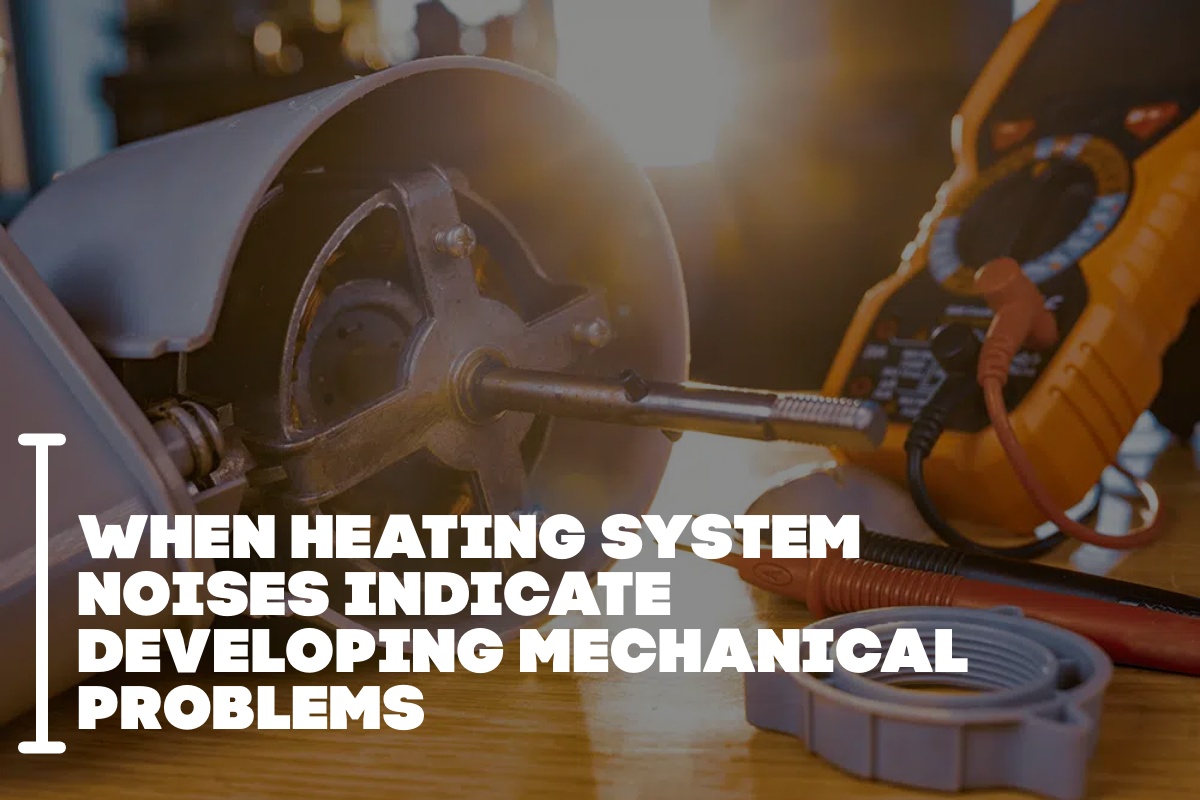
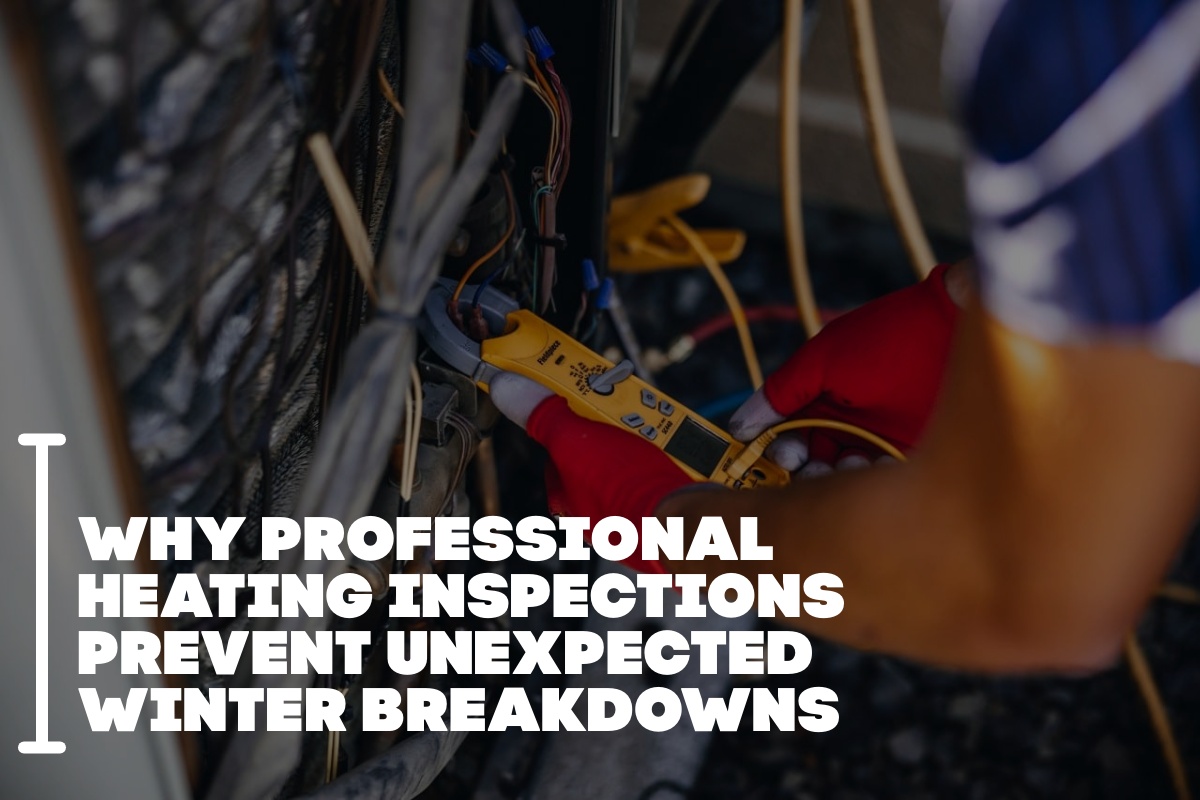
Heating systems contain multiple mechanical and electrical components that wear down gradually. Problems such as loose connections, worn belts, cracked heat exchangers, or failing sensors often show no obvious symptoms at first.
A professional inspection allows trained technicians to detect these hidden issues before they escalate into major failures. Early detection prevents sudden system shutdowns during extreme cold, when repair services may be delayed or costly.
Improved System Reliability During Peak Usage
Winter is when heating systems experience maximum strain. Any weakness in the system is more likely to surface during this period of heavy use.
Professional inspections ensure that all components are functioning correctly and efficiently before peak winter demand begins. This preparation significantly reduces the risk of breakdowns when outdoor temperatures are at their lowest and consistent heating is essential.
Prevention of Safety Hazards
Faulty heating systems can pose serious safety risks. Issues such as gas leaks, carbon monoxide leaks, electrical faults, or blocked ventilation can threaten household health and safety.
During professional inspections, technicians check for proper combustion, ventilation, and system integrity. Identifying and correcting safety hazards early helps protect occupants from dangerous conditions that often worsen during winter operation.
Enhanced Energy Efficiency and Performance
Even minor issues can reduce heating efficiency, forcing systems to work harder and consume more energy. Dirty filters, clogged burners, or misaligned components can all contribute to inefficient operation.
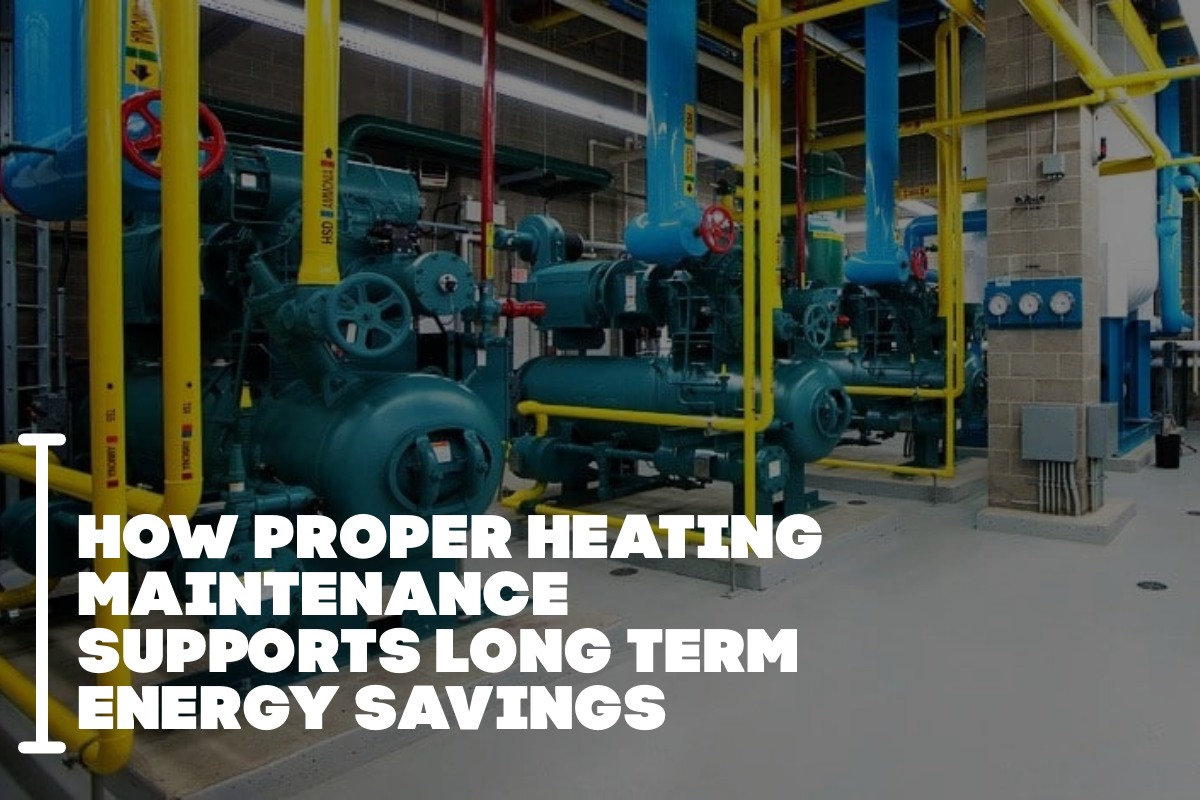
Professional inspections optimize system performance by ensuring proper calibration and cleanliness. Improved efficiency not only prevents breakdowns but also lowers energy bills throughout the winter months.
Reduced Emergency Repair Costs
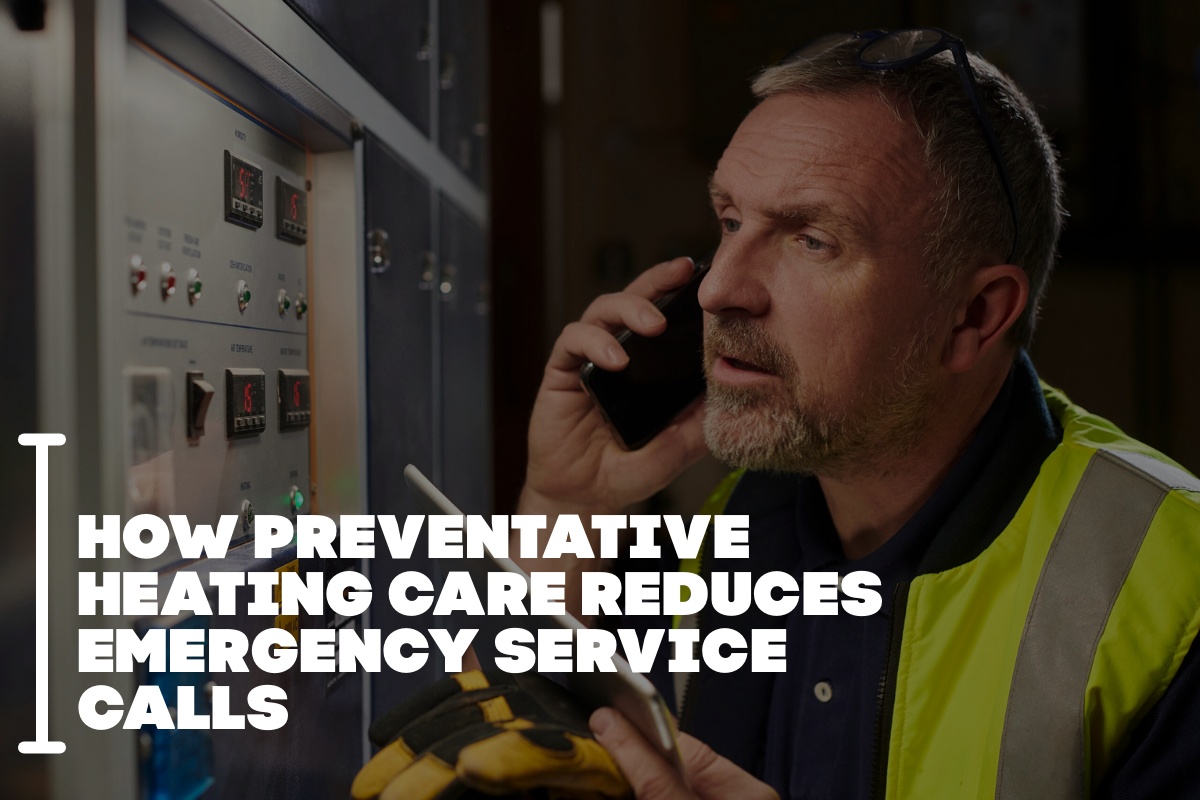
Emergency heating repairs during winter are often more expensive due to high demand and urgent service requirements. Breakdowns can also cause secondary damage, such as frozen pipes or water damage, increasing repair costs further.
By addressing issues during routine inspections, homeowners avoid sudden failures and the financial burden of emergency repairs. Preventive maintenance is almost always more affordable than reactive fixes.
Extended Lifespan of Heating Equipment
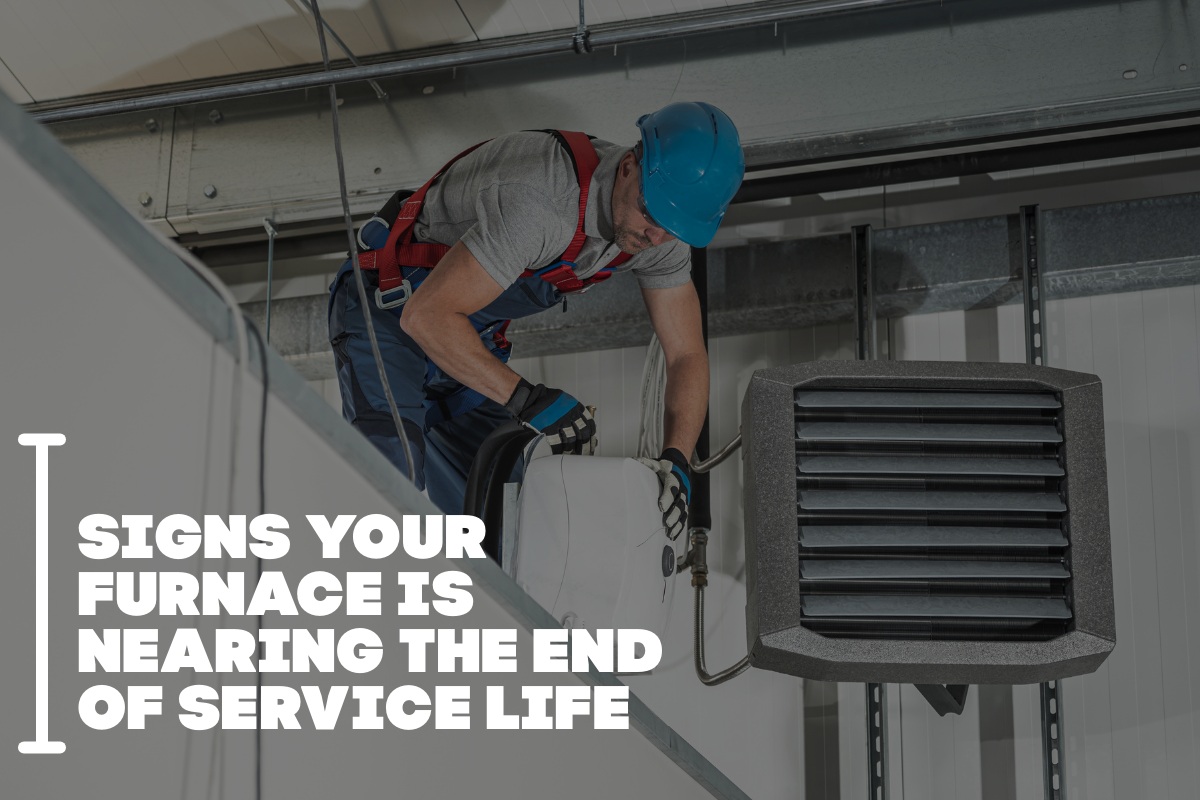
Heating systems that receive regular professional inspections tend to last longer. Small problems, if left untreated, place additional stress on major components and accelerate system wear.
Routine inspections reduce this strain, allowing the system to operate smoothly and prolonging its overall lifespan. This delays the need for costly system replacement and maximizes the return on investment.
Consistent Indoor Comfort Throughout Winter
Unexpected breakdowns often result in uneven heating, cold spots, or complete loss of heat. Professional inspections help maintain consistent temperature control and reliable operation.
A well-maintained system delivers steady warmth, improves comfort, and reduces the stress of dealing with heating issues during severe weather conditions.
Peace of Mind for Homeowners
Knowing that a heating system has been professionally inspected provides peace of mind. Homeowners can enter winter with confidence, knowing their system is safe, efficient, and ready for extended use.
This reassurance is especially valuable during extreme cold spells, holidays, or periods when immediate repairs may be difficult to arrange.
Frequently Asked Questions
When should a professional heating inspection be done?
Ideally, inspections should be scheduled before winter begins, usually in early fall, to prepare the system for cold-weather use.
Can inspections really prevent all winter breakdowns?
While no inspection can guarantee zero failures, regular professional inspections greatly reduce the risk of unexpected breakdowns.
How long does a heating inspection take?
Most inspections take between one and two hours, depending on system type and condition.
Are heating inspections necessary for new systems?
Yes. Even new systems benefit from inspections to ensure proper installation and optimal performance.
Do inspections help lower heating bills?
Yes. Improved efficiency and early problem detection often result in lower energy consumption and reduced heating costs.
Professional heating inspections are a vital preventive measure against unexpected winter breakdowns. By identifying hidden issues, improving efficiency, enhancing safety, and ensuring system reliability, inspections help homeowners avoid discomfort, high repair costs, and safety risks. Investing in professional inspections before winter arrives ensures warmth, confidence, and uninterrupted comfort throughout the cold season.