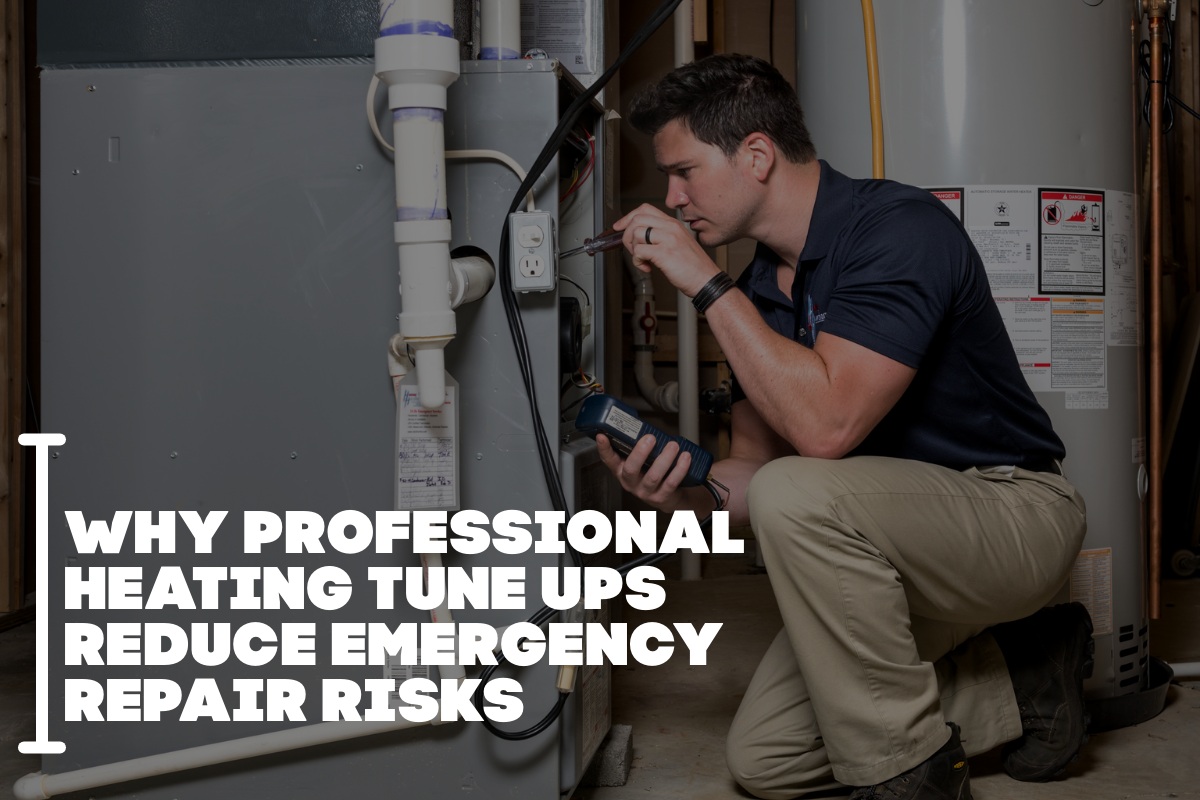
Emergency heating failures often seem sudden, but in reality, most breakdowns develop gradually over time. Small issues—left undetected—compound under daily use until the system fails at the worst possible moment, usually during peak cold weather. Professional heating tune ups are designed to catch and correct these problems early, significantly reducing the risk of unexpected and costly emergency repairs.
Early Detection of Wear and Component Fatigue
Heating systems rely on multiple mechanical and electrical components working together under stress. Over time, parts such as belts, motors, igniters, and bearings wear down. These components often continue functioning long after deterioration begins, masking the risk of failure.
During a professional tune up, technicians inspect these parts for early signs of fatigue, misalignment, or damage. Replacing or adjusting components before they fail prevents sudden breakdowns that would otherwise require emergency service.
Preventing Small Issues From Escalating
Minor problems are rarely isolated. A dirty burner, loose electrical connection, or restricted airflow forces other parts of the system to work harder. This added strain accelerates wear and increases the likelihood of cascading failures.
Heating tune ups address these small inefficiencies early. Cleaning, tightening, calibrating, and adjusting components restores balanced operation, preventing one minor issue from triggering a larger system-wide failure.
Improving System Reliability During Peak Demand
Heating systems experience their greatest stress during extended cold periods. Emergency repairs most often occur when systems are running continuously and under maximum load.
Professional tune ups prepare the system for this demand. Technicians verify safe operating temperatures, proper airflow, and accurate controls. A system that is already operating efficiently is far less likely to fail when demand increases.
Reducing Electrical and Safety-Related Failures
Electrical components are a leading cause of emergency heating breakdowns. Worn wiring, failing capacitors, and aging control boards can malfunction suddenly, often shutting down the entire system.
Tune ups include electrical testing to identify voltage irregularities, overheating, or weak connections. Addressing these risks proactively improves both system reliability and household safety, reducing emergency calls related to electrical faults or safety shutdowns.
Protecting the Heat Exchanger and Core Components
The heat exchanger is one of the most critical—and expensive—parts of a heating system. Cracks or overheating can force immediate shutdowns for safety reasons.
Professional tune ups inspect heat exchangers for stress, corrosion, and early damage. Proper airflow, clean burners, and correct combustion settings reduce thermal strain, extending the life of this vital component and preventing sudden, safety-related failures.
Enhancing Combustion and Fuel Efficiency
Poor combustion causes incomplete heating, excess residue buildup, and uneven system operation. These conditions increase wear and can trigger emergency shutdowns or ignition failures.
Tune ups ensure burners are clean, fuel flow is correct, and combustion is properly balanced. Efficient combustion reduces internal stress and improves reliability throughout the heating season.
Identifying Aging Systems Before Failure Occurs
Heating tune ups provide insight into overall system health. Technicians can identify when a system is nearing the end of its service life and advise homeowners before failures become frequent.
This foresight allows for planned replacement instead of reactive emergency decisions—often made during extreme weather when options are limited and costs are higher.
Lowering Emergency Repair Costs and Inconvenience
Emergency repairs are typically more expensive due to urgency, after-hours service, and limited repair options. They also come with discomfort, safety concerns, and potential property damage.
Professional heating tune ups reduce these risks by shifting maintenance from reactive to proactive. A well-maintained system is far more predictable, reliable, and cost-effective over time.
Peace of Mind Through Preventive Care
Perhaps the greatest benefit of professional tune ups is peace of mind. Knowing that the heating system has been inspected, tested, and optimized reduces anxiety during cold months.
Instead of waiting for a failure, homeowners gain confidence that their system is prepared to perform safely and reliably when it is needed most.
FAQs
How often should a heating system be professionally tuned up?
Once a year, ideally before the start of the heating season.
Do tune ups really prevent emergency repairs?
Yes. Most emergency failures stem from issues that tune ups are designed to catch early.
Is a tune up necessary if the heater seems to work fine?
Yes. Many serious problems develop silently and only become obvious when the system fails.
What parts are checked during a heating tune up?
Key components include burners, heat exchanger, electrical connections, airflow, controls, and safety systems.
Are tune ups cheaper than emergency repairs?
Absolutely. Preventive maintenance costs far less than emergency service and major component replacement.