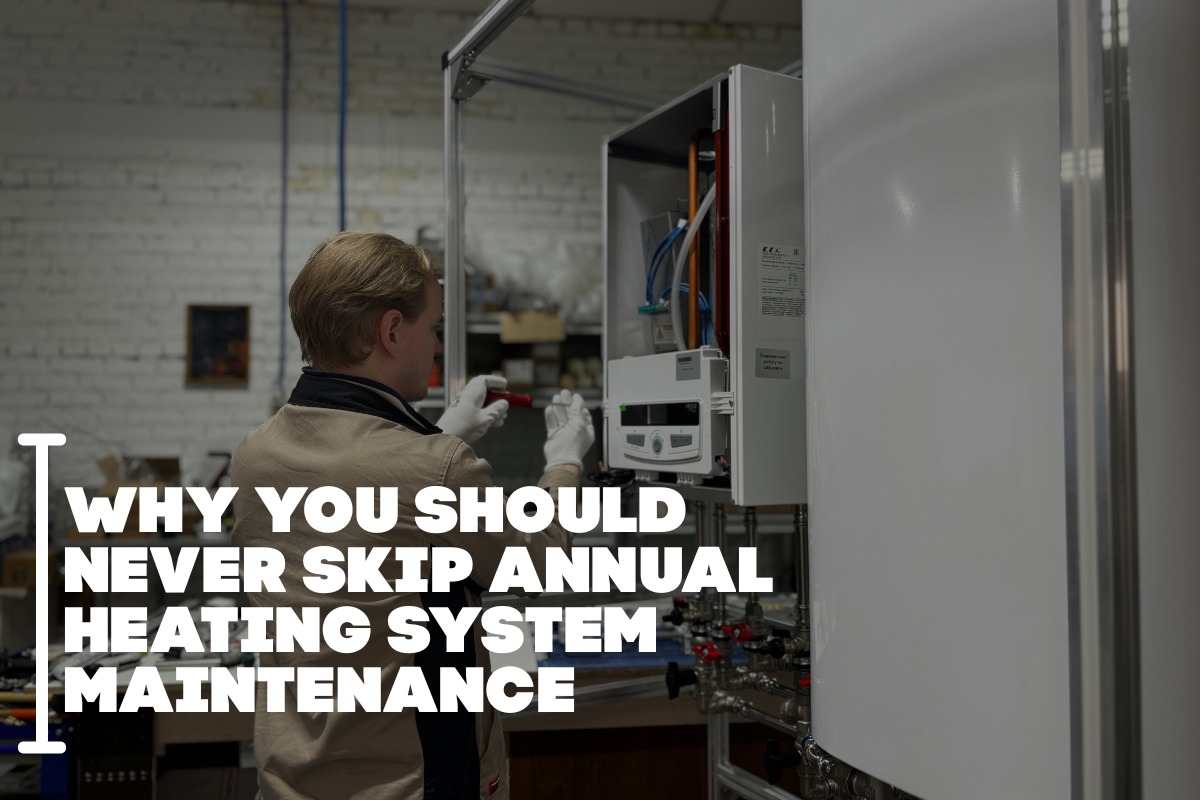
Your heating system works hardest when temperatures drop, often running for months with little downtime. Despite this heavy workload, many homeowners overlook annual heating system maintenance, assuming that if the system is running, everything must be fine. In reality, skipping yearly maintenance can lead to higher energy bills, unexpected breakdowns, safety risks, and a shorter system lifespan. Regular maintenance is not optional—it is essential for efficiency, reliability, and peace of mind.
Preventing Unexpected Breakdowns During Cold Weather
Heating systems are most likely to fail when they are under the greatest demand. Small issues such as worn belts, dirty burners, or failing sensors may go unnoticed until the system is pushed to its limits in winter.
Annual maintenance allows technicians to identify and resolve minor problems before they escalate into major failures. This proactive approach significantly reduces the risk of losing heat during the coldest days, when repair services are often delayed and more expensive.
Improving Energy Efficiency and Lowering Heating Costs
A neglected heating system must work harder to produce the same level of warmth. Dust buildup, clogged filters, poor airflow, and miscalibrated components all reduce efficiency and increase energy consumption.
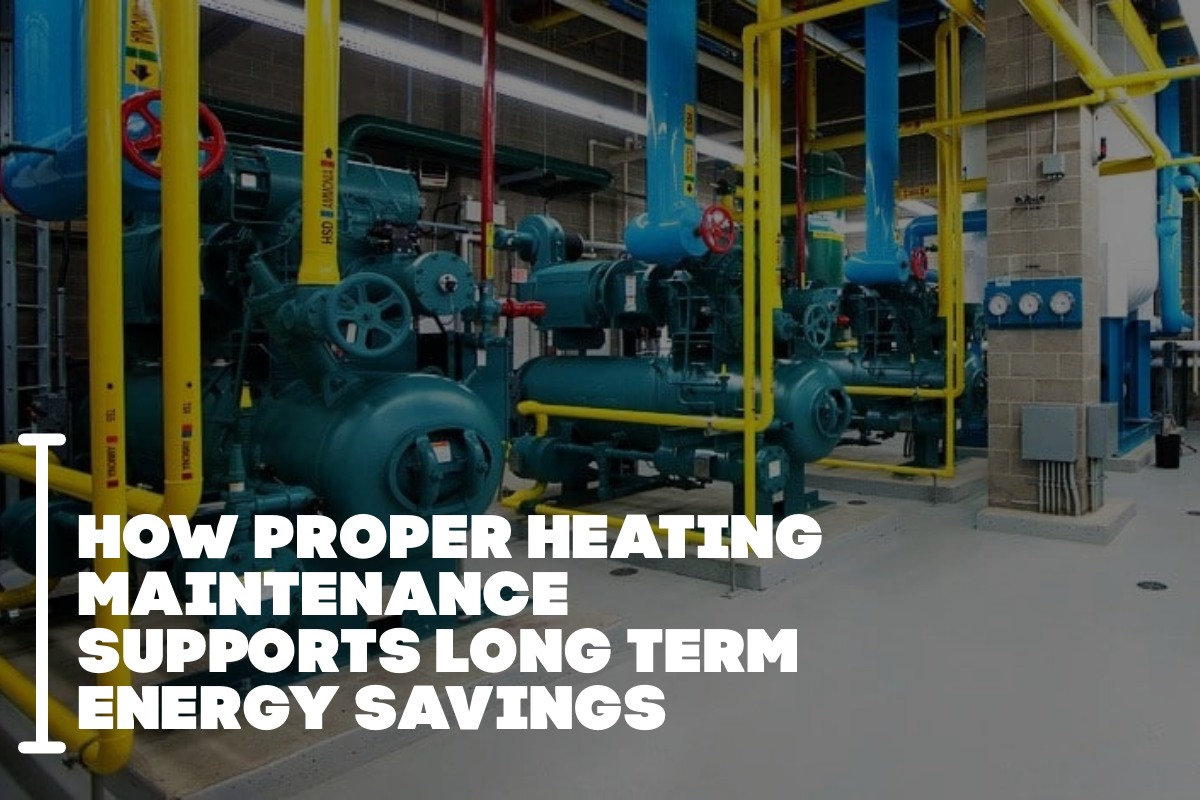
During annual maintenance, technicians clean and tune critical components, ensuring the system operates at peak performance. Improved efficiency translates directly into lower monthly heating bills and reduced strain on the system throughout the season.
Extending the Lifespan of Your Heating System
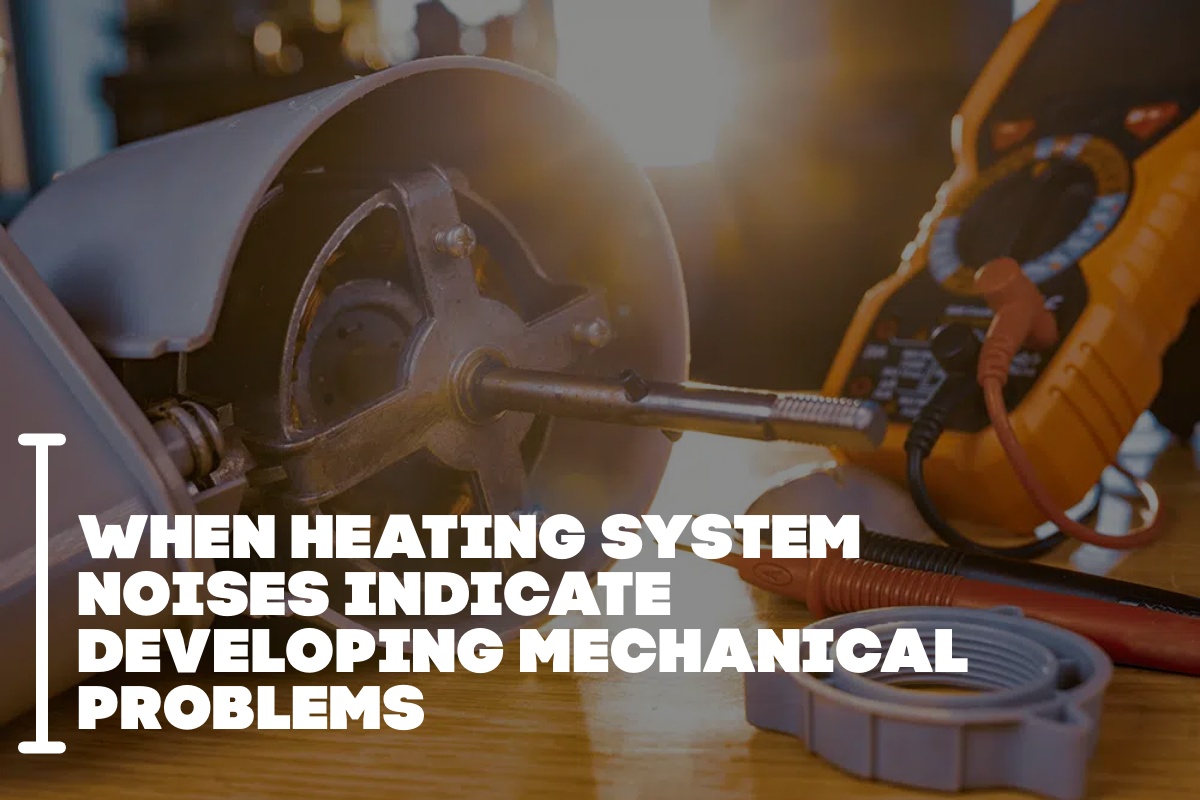
Heating systems are a major investment, and homeowners naturally want them to last as long as possible. Skipping maintenance accelerates wear and tear on key components such as heat exchangers, motors, and blowers.
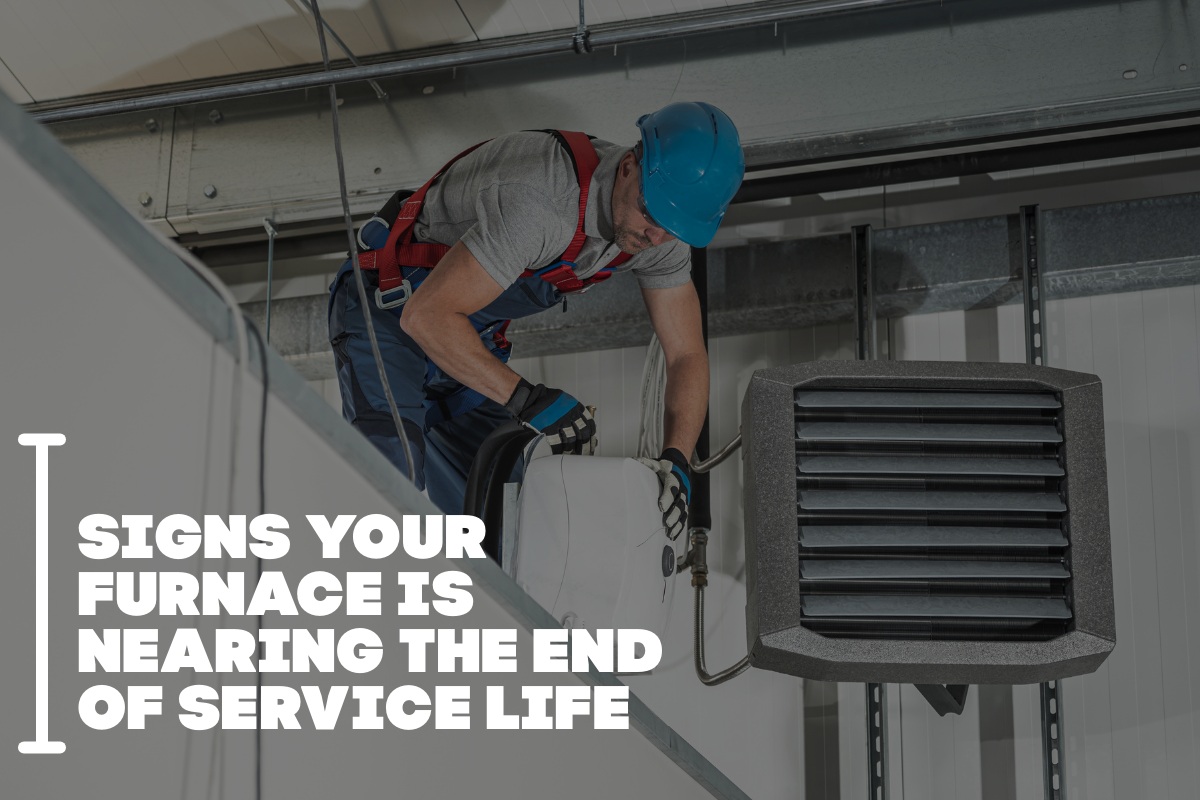
Regular servicing reduces friction, balances system operation, and prevents unnecessary stress on parts. Over time, this can add years to the life of your furnace or boiler and delay the need for costly replacement.
Protecting Your Home From Safety Hazards
Heating systems, especially gas-powered furnaces and boilers, involve combustion and electrical components. Without routine inspection, issues such as gas leaks, carbon monoxide leaks, or faulty wiring can go undetected.
Annual maintenance includes safety checks that help protect your household from serious hazards. Ensuring proper ventilation, secure connections, and safe combustion is critical for maintaining a healthy indoor environment.
Maintaining Consistent Comfort Throughout Your Home
Uneven heating, cold spots, and frequent cycling are often signs of a system that needs attention. These issues can make your home uncomfortable and put additional strain on your equipment.
Routine maintenance helps ensure even heat distribution, accurate thermostat operation, and smooth system cycling. The result is more consistent comfort across all living spaces.
Preserving Manufacturer Warranties
Many heating system manufacturers require documented annual maintenance as a condition of their warranty. Skipping scheduled service can void warranty coverage, leaving homeowners responsible for expensive repairs that would otherwise be covered.
Annual maintenance protects not only your system but also your financial investment by ensuring continued warranty compliance.
Improving Indoor Air Quality
Heating systems circulate air throughout your home. When filters and internal components are dirty, dust, allergens, and other pollutants are more likely to spread indoors.
Maintenance includes filter replacement and system cleaning, which helps improve indoor air quality. This is especially important for households with allergies, asthma, or other respiratory concerns.
Avoiding Emergency Repair Costs
Emergency heating repairs are typically more expensive than scheduled maintenance. They often involve after-hours service, urgent parts replacement, and extended downtime.
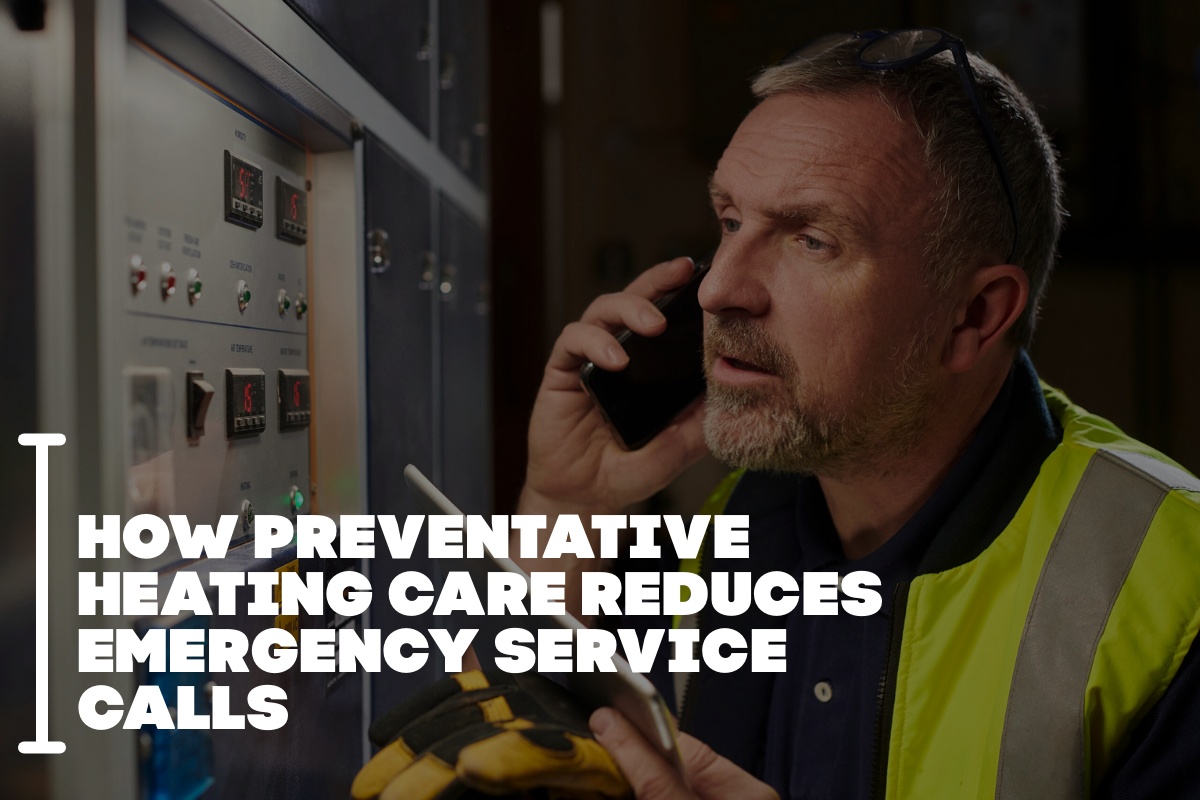
Annual maintenance helps avoid these scenarios by addressing issues early, when repairs are simpler and less costly. Preventive care is almost always more affordable than reactive repairs.
Increasing System Reliability During Peak Use
When winter arrives, you rely on your heating system every day. Annual maintenance ensures that all components are operating correctly before peak usage begins.
A well-maintained system starts more reliably, runs more smoothly, and responds better to temperature demands, providing confidence throughout the heating season.
Supporting Energy Efficiency and Environmental Responsibility
Efficient heating systems consume less fuel or electricity, reducing both energy costs and environmental impact. Poorly maintained systems waste energy and contribute to unnecessary emissions.
By keeping your heating system in optimal condition, you support more sustainable energy use while maintaining comfort and performance.
Frequently Asked Questions (FAQ)
Q. How often should heating system maintenance be done
Heating systems should be professionally serviced once a year, ideally before the cold season begins.
Q. Is annual maintenance really necessary if my heater works fine
Yes. Many problems are not visible until they cause system failure. Maintenance prevents hidden issues from becoming emergencies.
Q. Does heating maintenance save money
Yes. Improved efficiency, fewer repairs, and extended system lifespan all contribute to long-term savings.
Q. What happens during a heating maintenance visit
Technicians typically inspect, clean, test, and tune system components while checking safety and performance.
Q. Can skipping maintenance shorten system life
Yes. Lack of maintenance accelerates wear and increases the risk of premature system failure.
Skipping annual heating system maintenance may seem harmless in the short term, but it often leads to higher costs, reduced comfort, and avoidable risks over time. Regular maintenance keeps your system efficient, safe, and reliable when you need it most. Investing in yearly service is one of the simplest and most effective ways to protect your home, your comfort, and your heating system investment.