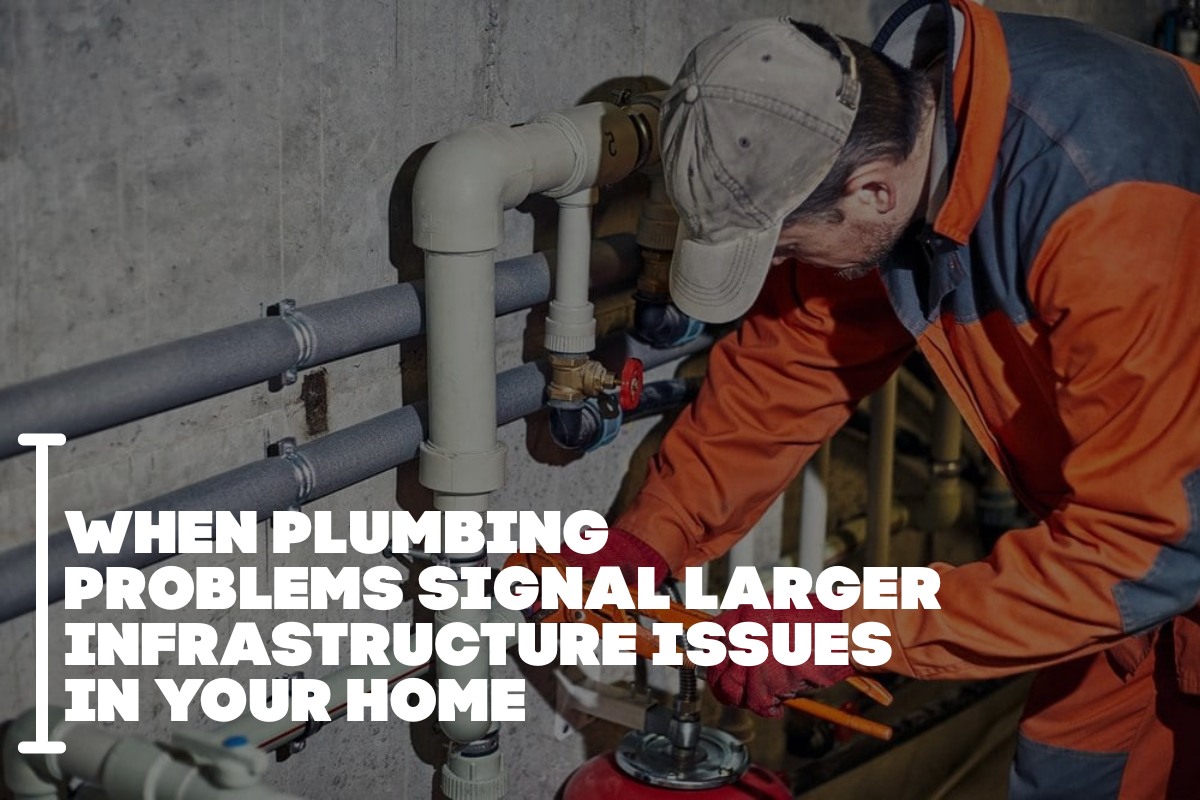
Plumbing problems are often treated as isolated inconveniences—a leaky faucet, a slow drain, or a running toilet. While many issues are minor, recurring or widespread plumbing problems can be warning signs of deeper infrastructure issues within your home. Recognizing when plumbing symptoms point to larger structural or system-wide concerns can help homeowners prevent costly damage and protect long-term property value.
Understanding the Difference Between Isolated and Systemic Issues
An isolated plumbing issue usually affects a single fixture and has an obvious cause, such as a worn washer or a loose connection. Infrastructure-related problems, on the other hand, tend to appear repeatedly or across multiple areas of the home.
When several fixtures show similar problems, or when repairs fail to provide lasting solutions, the issue may lie within the underlying plumbing system rather than individual components.
Persistent Drainage Problems Throughout the House
Occasional clogs are normal, but frequent slow drains in multiple sinks, tubs, or toilets often indicate a larger problem. This may point to:
- Main sewer line blockages
- Improper pipe slope or installation
- Aging or corroded pipes narrowing water flow
If plunging or drain cleaning provides only temporary relief, a deeper inspection of the drainage system is likely needed.
Repeated Pipe Leaks or Water Damage
One leaking pipe may simply be the result of age or pressure stress. However, repeated leaks—especially in different locations—can signal broader infrastructure concerns such as:
- Widespread pipe corrosion
- Excessive water pressure
- Poor-quality or outdated piping materials
Water stains, mold growth, or warped walls and floors suggest that leaks may be occurring behind surfaces, potentially compromising structural elements over time.
Fluctuating Water Pressure Across Fixtures
Inconsistent water pressure can be more than an annoyance. When pressure drops or surges throughout the home, it may indicate:
- Deteriorating supply lines
- Hidden leaks diverting water flow
- Failing pressure regulators
Chronic pressure issues can accelerate pipe wear, increase the risk of bursts, and shorten the lifespan of appliances connected to the plumbing system.
Discolored or Foul-Smelling Water
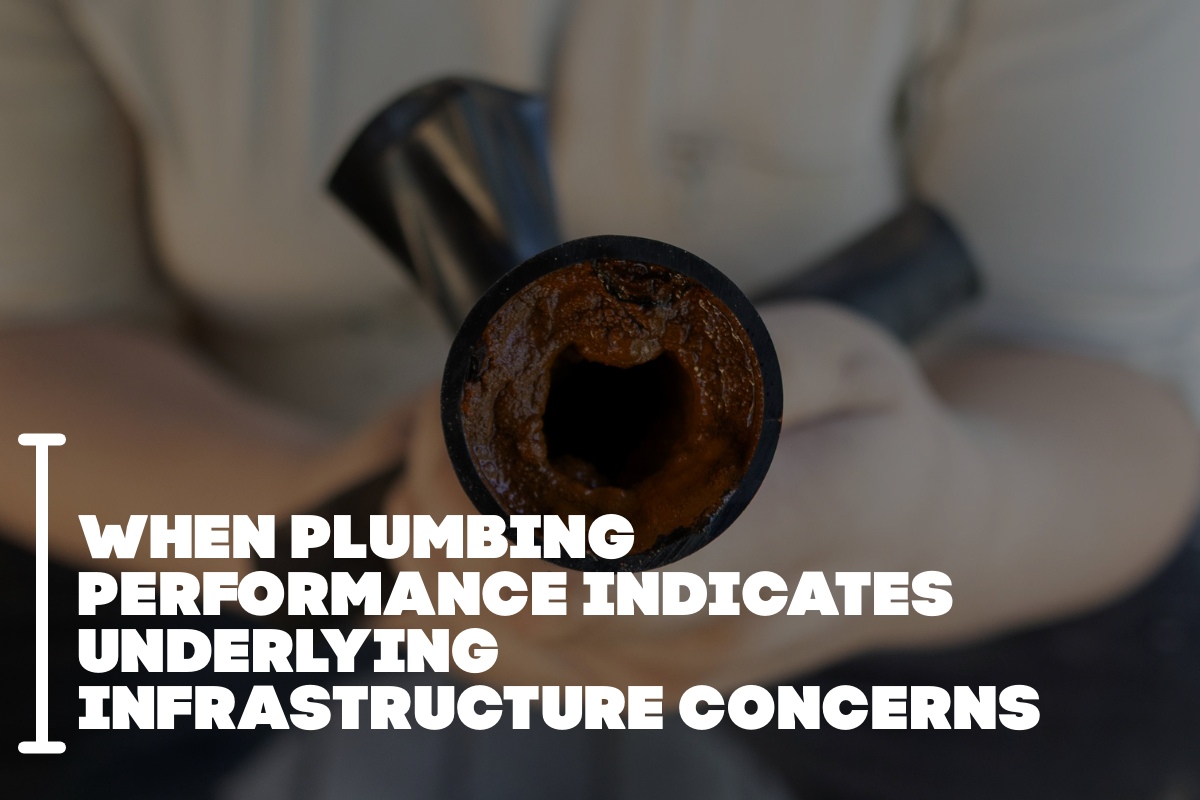
Changes in water color, taste, or odor often point to internal pipe deterioration or contamination. Rusty or brown water may indicate corroding metal pipes, while unpleasant odors can suggest bacterial growth or sewer line issues.
These signs not only affect water quality but also suggest that core plumbing infrastructure may be nearing the end of its functional life.
Noises in the Plumbing System
Banging, rattling, or whistling sounds—often referred to as “water hammer” or pipe vibration—can indicate loose pipes, pressure problems, or inadequate support within walls.
Over time, these stresses can damage joints and connections, increasing the risk of leaks and structural damage if not addressed.
Aging Plumbing Systems and Material Risks
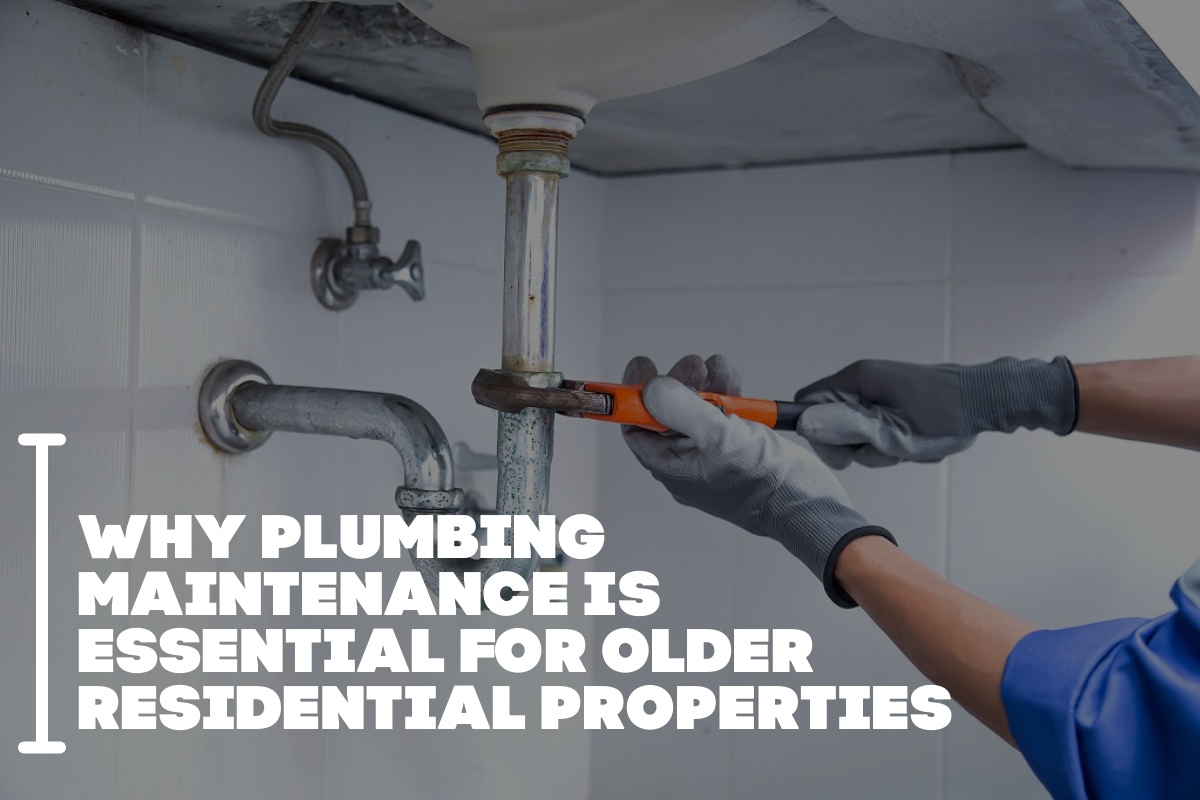
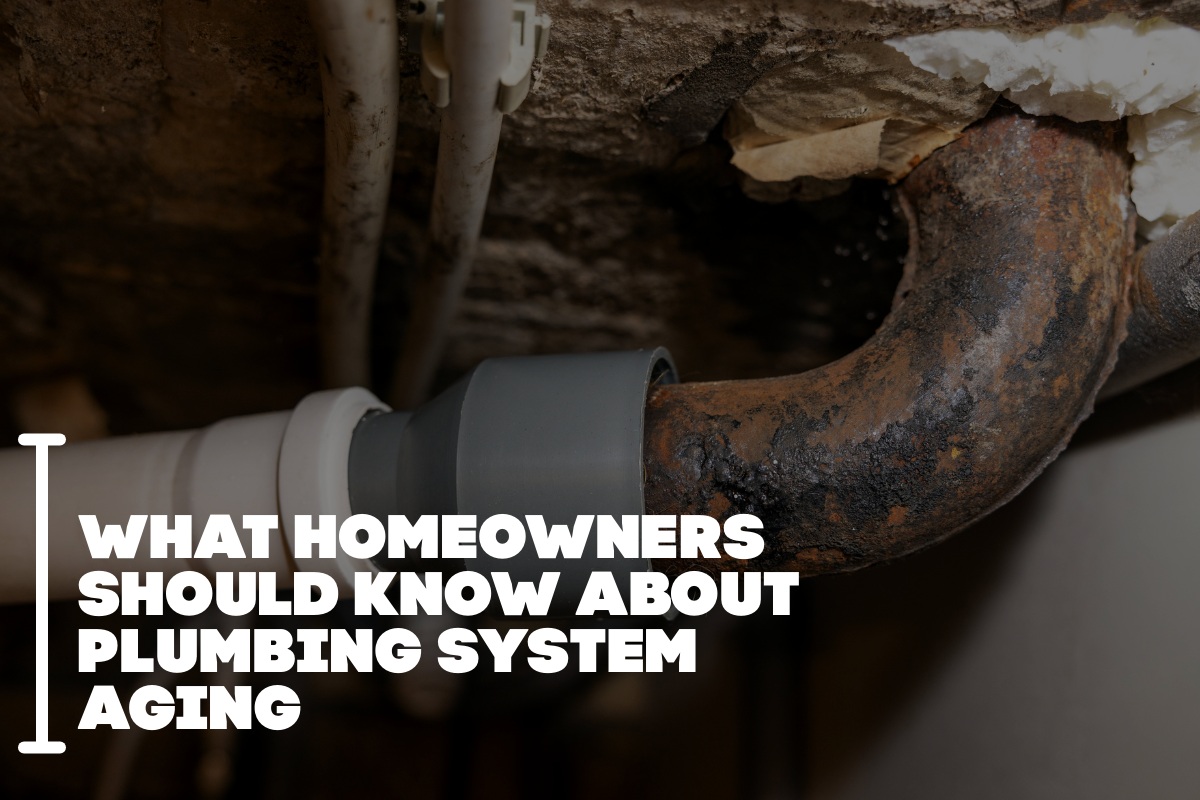
Homes with older plumbing systems are more susceptible to infrastructure-wide issues. Materials such as galvanized steel, cast iron, or polybutylene pipes degrade over time and may fail unpredictably.
If your home is several decades old and still has original plumbing, recurring problems may be signs that partial repairs are no longer sufficient and system upgrades should be considered.
Why Early Detection Matters
Ignoring early warning signs can lead to extensive water damage, mold growth, foundation issues, and costly emergency repairs. Addressing infrastructure-level plumbing concerns proactively allows for planned upgrades rather than reactive fixes.
Professional inspections using cameras, pressure testing, and water quality analysis can help determine whether plumbing problems are localized or systemic.
FAQs
How can I tell if a plumbing issue is part of a larger problem?
If similar issues occur in multiple fixtures or return shortly after repairs, the problem may involve the main plumbing system.
Are older homes more likely to have infrastructure plumbing issues?
Yes. Aging pipes and outdated materials increase the risk of corrosion, leaks, and system-wide failures.
Can high water pressure cause long-term damage?
Yes. Excessive pressure strains pipes, joints, and appliances, leading to leaks and premature failure.
Is pipe replacement always necessary for infrastructure issues?
Not always. Some problems can be resolved with targeted repairs, pressure regulation, or pipe relining, depending on severity.
When should I call a professional plumber for an inspection?
If you notice recurring leaks, widespread drainage problems, discolored water, or unexplained water damage, a professional evaluation is recommended.