Water quality plays a crucial role in determining the lifespan and performance of plumbing fixtures in homes, commercial buildings, and industrial facilities. Fixtures such as faucets, showerheads, toilets, and valves are constantly exposed to water, and the chemical and mineral composition of that water directly impacts their durability.
Poor water quality can accelerate corrosion, clog components, and reduce efficiency, leading to frequent repairs and replacements. Understanding how water characteristics affect plumbing systems helps property owners take preventive measures and extend fixture longevity.
Key Water Quality Factors That Affect Plumbing Fixtures
Several water properties influence the condition and lifespan of plumbing fixtures.
Major Water Quality Elements
| Water Quality Factor | Description | Impact on Fixtures |
|---|---|---|
| Hardness | High mineral content (calcium & magnesium) | Scale buildup and clogging |
| pH Level | Acidity or alkalinity | Corrosion or metal deterioration |
| Chlorine Content | Disinfection chemical | Rubber seal degradation |
| Sediment | Particles in water | Wear and blockages |
| Iron & Manganese | Dissolved metals | Staining and internal damage |
Each of these factors can gradually weaken plumbing materials.
Impact of Hard Water on Fixtures
Hard water contains elevated levels of calcium and magnesium. Over time, these minerals accumulate as scale deposits inside pipes and fixtures.
Common problems caused by hard water include:
- Reduced water flow
- Blocked aerators
- White residue on faucets
- Reduced efficiency of showerheads
- Premature failure of valves
Scale buildup can shorten the lifespan of fixtures by restricting movement in internal components.
Corrosion Caused by Low or High pH
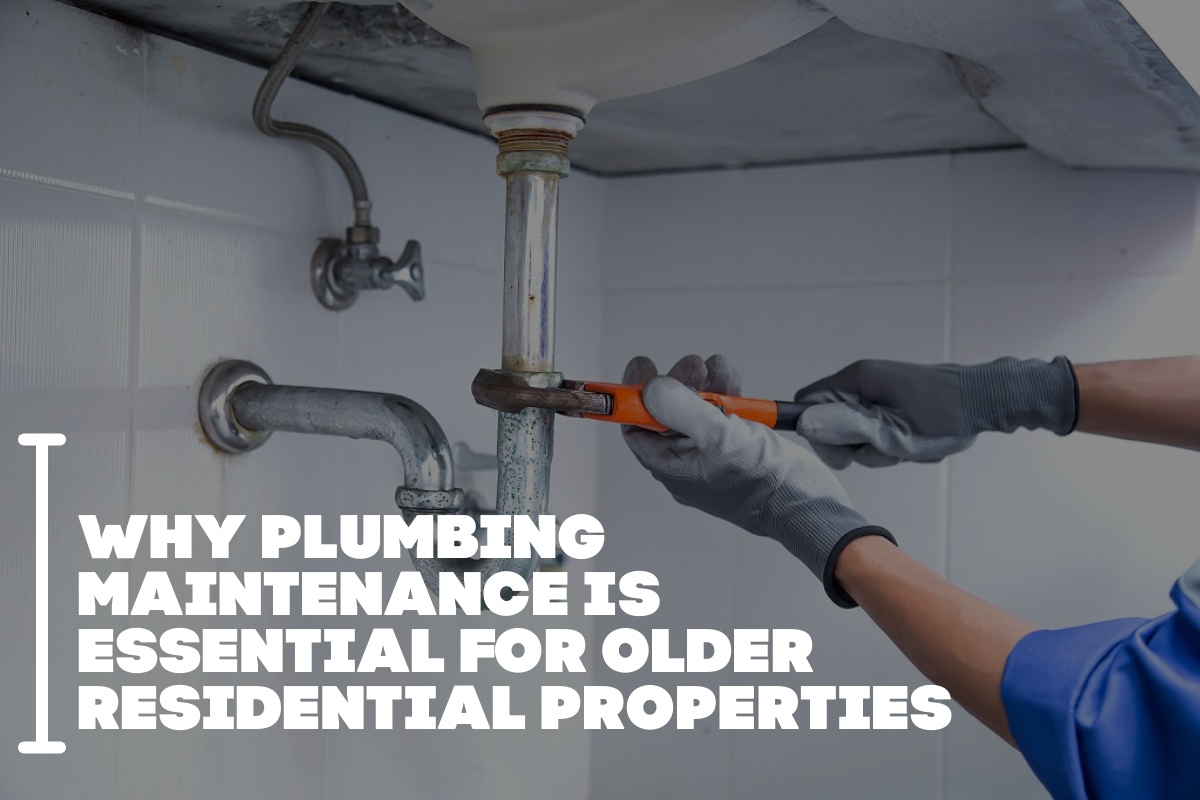
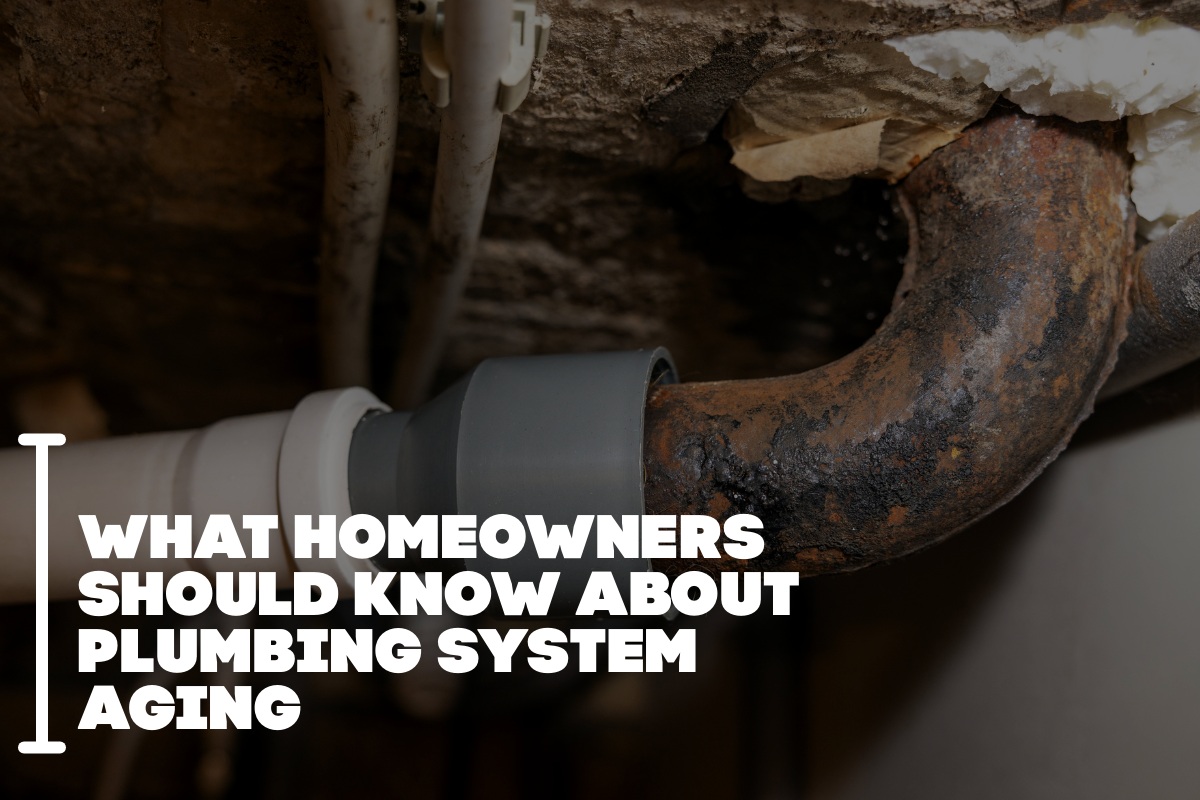
Water with low pH (acidic water) is highly corrosive. It can gradually eat away at metal components such as brass fittings, copper pipes, and steel valves. Conversely, extremely alkaline water can also cause material stress.
Effects of corrosive water include:
- Pinhole leaks in pipes
- Rust formation
- Fixture discoloration
- Structural weakening of metal parts
- Increased risk of leaks
Corrosion reduces both aesthetic appeal and functional reliability.
Chlorine and Chemical Exposure
Municipal water supplies often contain chlorine to eliminate bacteria. While effective for sanitation, chlorine can degrade certain plumbing materials over time.
Effects of Chlorine on Plumbing Materials
| Component Affected | Impact |
|---|---|
| Rubber washers | Cracking and brittleness |
| Plastic components | Surface weakening |
| Metal finishes | Fading or corrosion |
| Valve seals | Reduced flexibility |
Continuous chemical exposure accelerates wear in fixtures with rubber and plastic parts.
Sediment and Particulate Matter
Sediment such as sand, silt, or debris can enter plumbing systems through municipal supply lines or private wells. These particles create abrasion within fixtures.
Consequences include:
- Worn-out cartridges
- Scratched internal surfaces
- Reduced sealing efficiency
- Noisy faucet operation
Over time, abrasive particles increase maintenance needs and reduce fixture life.
Iron and Mineral Staining
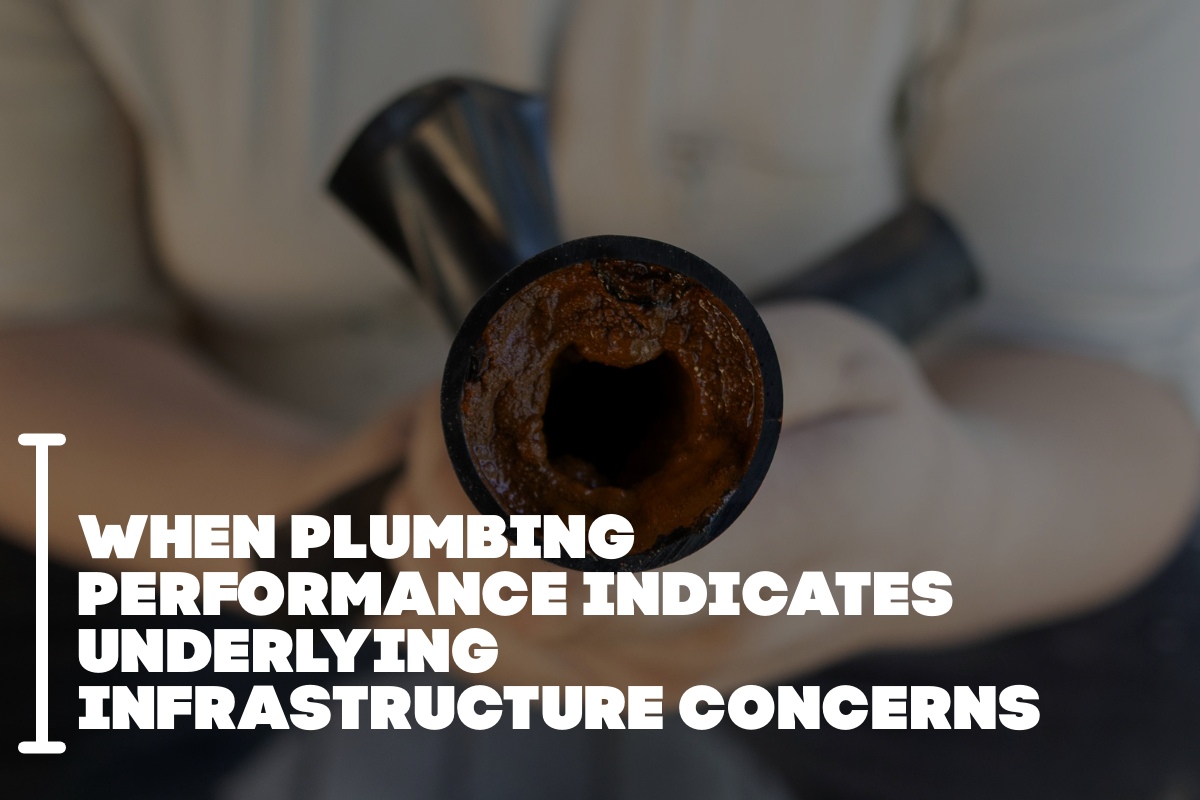
Water with high iron or manganese content leaves stains on sinks, toilets, and bathtubs. While staining may appear cosmetic, mineral buildup can also clog small passages in fixtures.
Problems associated with iron-rich water:
- Brown or reddish stains
- Metallic taste and odor
- Reduced aerator performance
- Increased cleaning requirements
Persistent buildup can affect internal mechanisms.
Preventive Measures to Extend Fixture Longevity
Improving water quality is one of the most effective ways to protect plumbing fixtures.
Recommended Solutions
| Solution | Benefit |
|---|---|
| Water Softener | Reduces hardness and scale buildup |
| pH Neutralizer | Balances acidic water |
| Sediment Filter | Removes particles and debris |
| Carbon Filter | Reduces chlorine exposure |
| Regular Maintenance | Prevents long-term damage |
Routine inspections and water testing can identify potential issues early.
Long-Term Cost Implications
Poor water quality leads to:
- Frequent fixture replacements
- Increased maintenance costs
- Higher water bills due to inefficiency
- Potential pipe damage
Investing in water treatment systems often results in long-term savings by reducing repair and replacement expenses.
Signs Your Water Is Damaging Fixtures
Homeowners should watch for warning signs such as:
- White mineral deposits on faucets
- Rust-colored stains in sinks
- Low water pressure
- Frequent washer or seal replacements
- Corroded metal finishes
Early detection allows timely intervention.
Environmental and Efficiency Considerations
Scale buildup and corrosion reduce water efficiency, leading to unnecessary waste. Well-maintained fixtures perform optimally and support water conservation goals.
Clean fixtures also improve:
- Water pressure consistency
- Heating efficiency in water heaters
- Appliance performance
- Overall plumbing reliability
Healthy plumbing systems contribute to sustainable water use. Water quality significantly influences plumbing fixture longevity. Hard water, acidic conditions, chlorine exposure, sediment, and dissolved metals can accelerate wear and reduce fixture lifespan.
By understanding these factors and implementing preventive measures such as water softeners, filtration systems, and regular maintenance, property owners can extend the life of their plumbing systems. Maintaining proper water quality not only protects fixtures but also enhances efficiency, reduces costs, and ensures long-term reliability.
FAQs
1. How does hard water reduce plumbing fixture lifespan?
Hard water causes mineral scale buildup that clogs components and restricts water flow, leading to premature wear.
2. Can acidic water damage pipes?
Yes, acidic water corrodes metal pipes and fixtures, causing leaks and structural weakening.
3. Is chlorine harmful to plumbing fixtures?
Over time, chlorine can degrade rubber seals, washers, and certain plastic components.
4. How can I test my water quality?
You can use home water testing kits or hire professional water testing services.
5. Do water softeners really extend fixture life?
Yes, water softeners reduce mineral buildup, which helps prevent scale-related damage and prolong fixture durability.