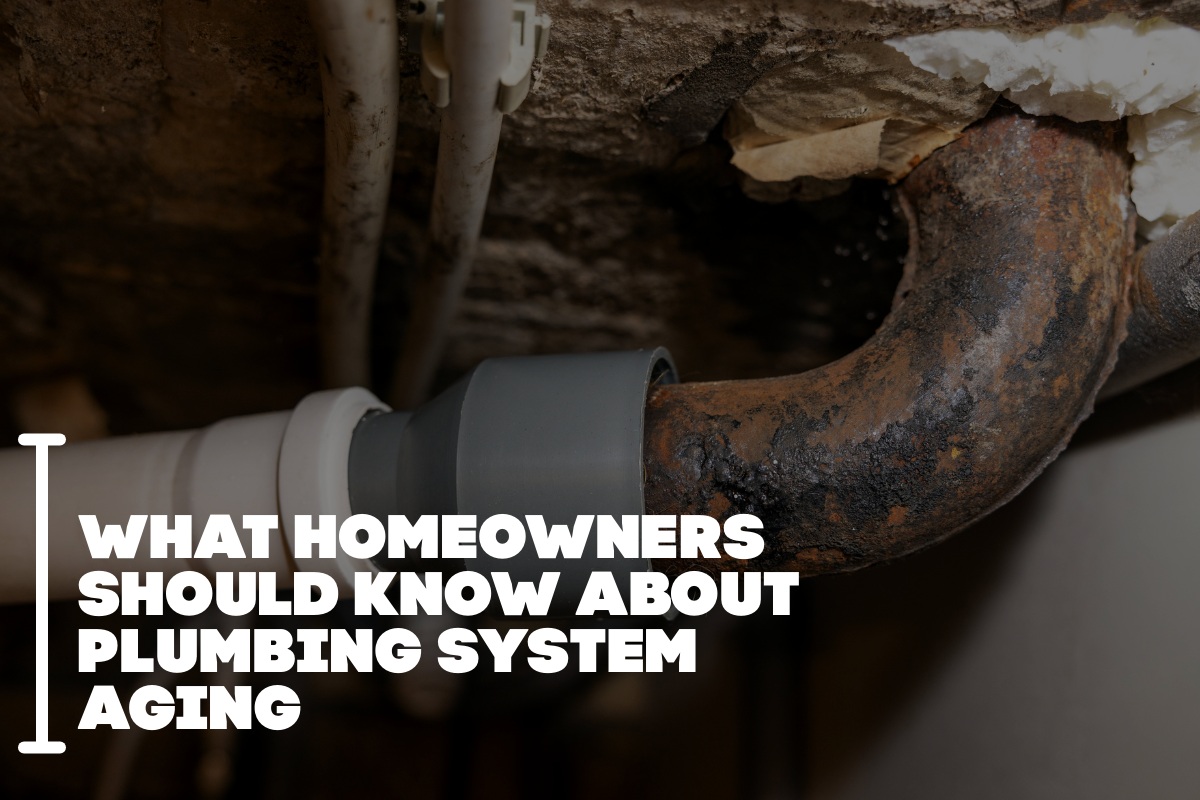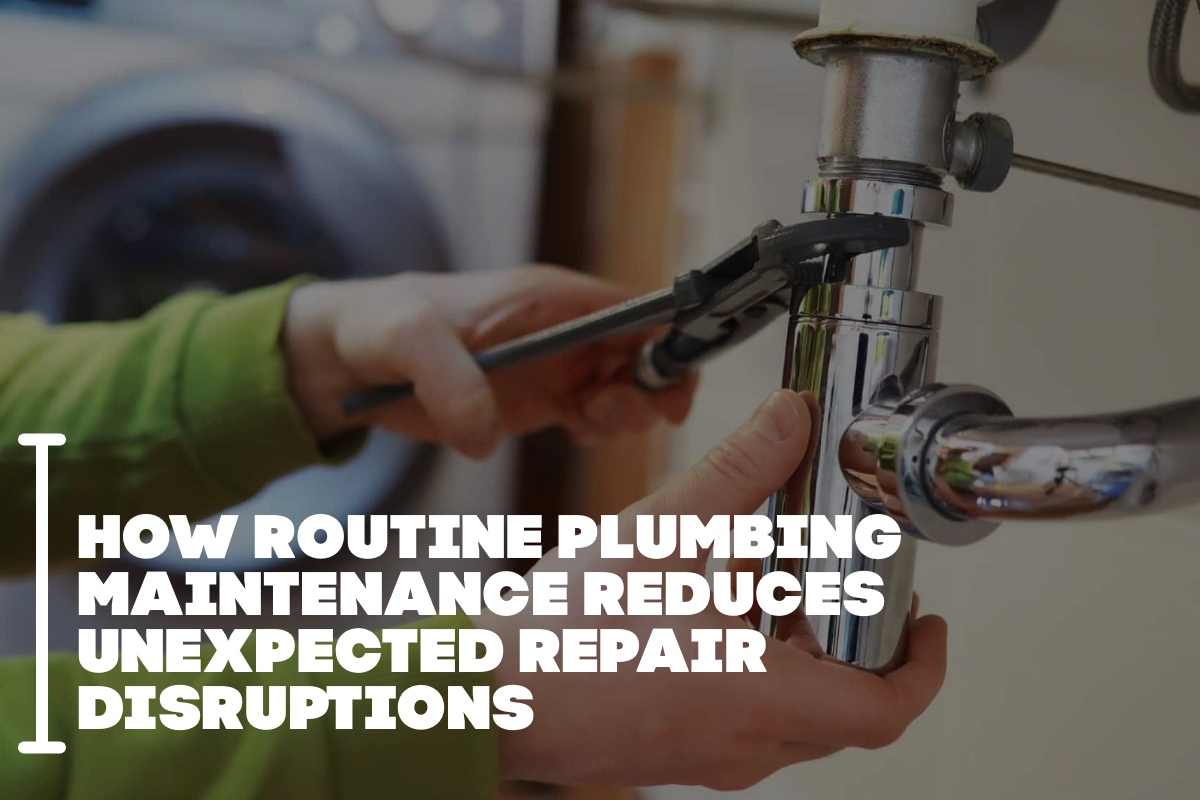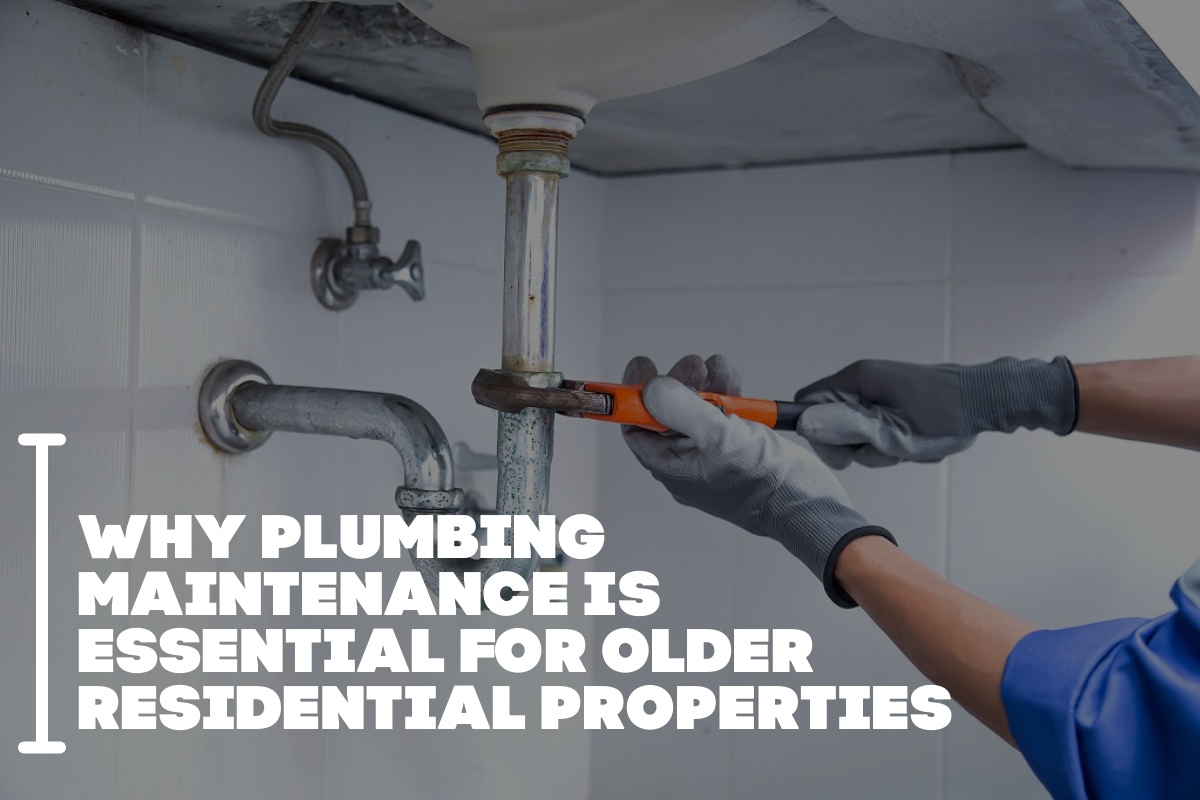
Older homes, often built decades ago, face unique challenges from aging infrastructure. Plumbing systems in these properties, typically made with outdated materials like galvanized steel or cast iron, degrade over time, leading to leaks, clogs, and inefficiencies.
Regular maintenance isn’t just a precaution—it’s crucial for safety, cost savings, and longevity. In India, where many colonial-era bungalows and post-independence apartments still stand, proactive care prevents minor issues from escalating into major disasters, especially during monsoons.
The Hidden Vulnerabilities of Aging Plumbing
Plumbing in older residential properties suffers from material fatigue. Pipes corrode internally, reducing water flow and contaminating supply. According to a 2023 report by the Central Public Health and Environmental Engineering Organisation (CPHEEO), over 40% of urban households in India have pipes exceeding 30 years old, prone to bursts.
Key vulnerabilities include:
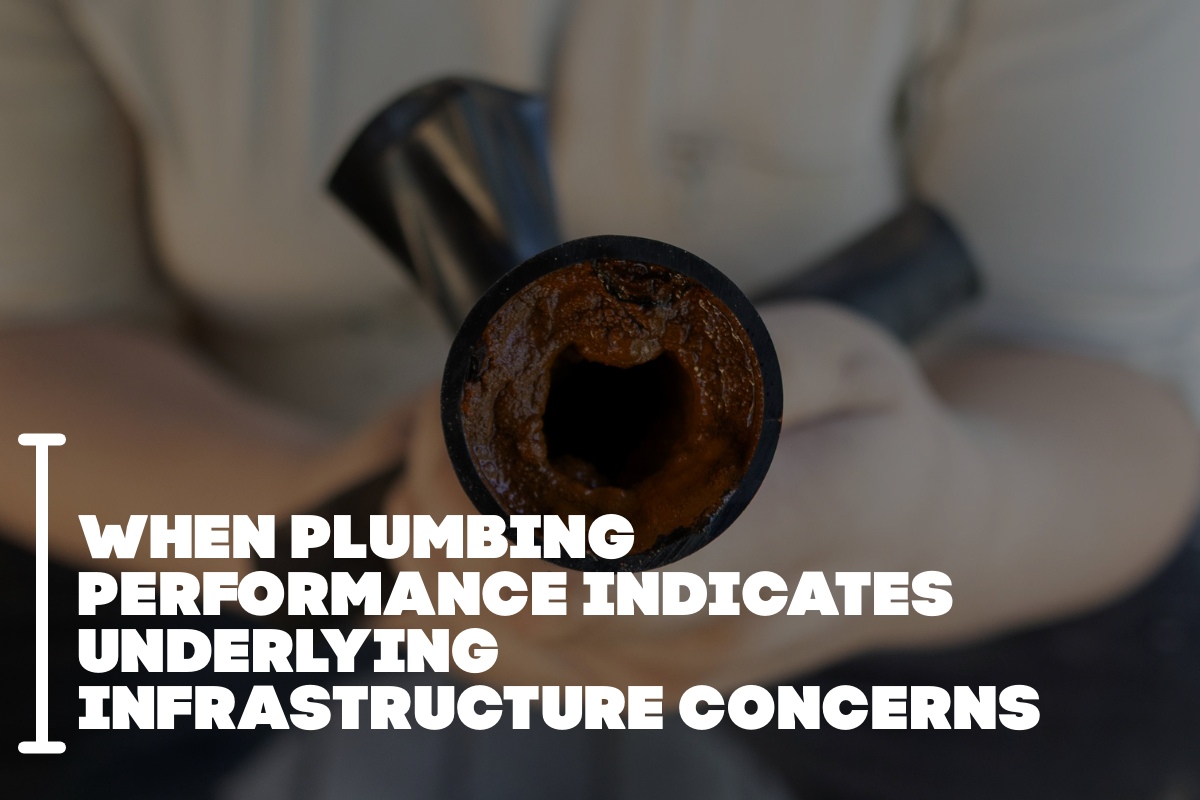
- Corrosion and Rust: Galvanized pipes rust from inside, narrowing passages and fostering bacteria.
- Joint Failures: Threaded connections loosen, causing drips that weaken structures.
- Tree Root Intrusion: Roots infiltrate clay or concrete lines, blocking sewers.
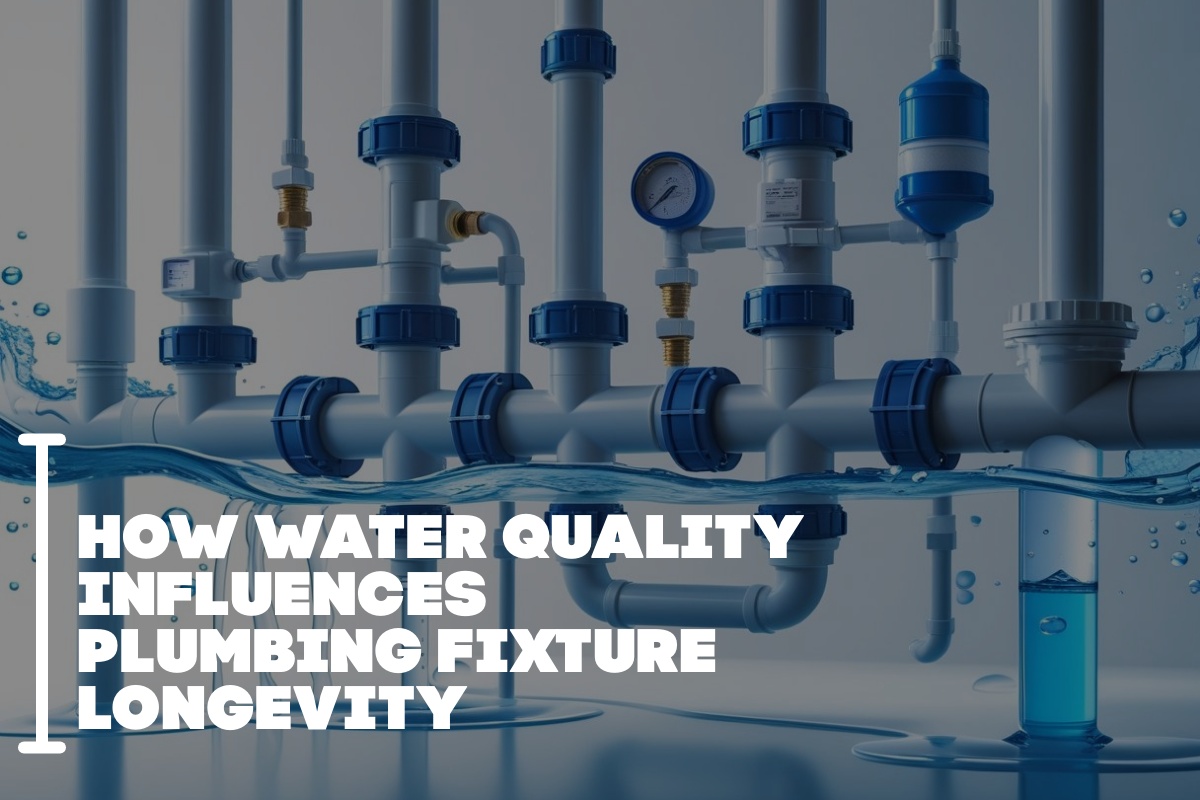
- Hard Water Buildup: Mineral deposits (limescale) common in Delhi’s water supply choke fixtures.
Neglecting these leads to water damage, mold growth, and structural rot, with repair costs skyrocketing by 5-10 times if ignored.
Health and Safety Risks from Neglected Systems
Poor maintenance poses direct health threats. Stagnant water breeds Legionella bacteria, causing respiratory issues. Leaks foster mold, triggering allergies and asthma—vital concerns in humid Indian climates.
Safety hazards escalate too:
| Risk Type | Potential Consequences | Prevention via Maintenance |
|---|---|---|
| Gas Leaks | Explosions or poisoning from old gas lines tied to plumbing | Annual inspections detect corrosion |
| Water Contamination | E. coli outbreaks from sewer backups | Flushing lines removes sediments |
| Slippery Floors | Falls from persistent leaks | Prompt seal repairs |
| Structural Collapse | Foundation erosion under homes | Camera inspections spot voids |
In 2025, Mumbai saw 15% more plumbing-related hospital visits during rains, per municipal data, underscoring the urgency.
Financial Implications of Skipping Maintenance
Upfront costs deter many, but delays amplify expenses. A minor faucet fix at ₹2,000-5,000 balloons to ₹50,000+ for pipe replacement. Energy inefficiency from old pipes wastes water and hikes bills—leaky faucets alone lose 10,000 liters yearly per household, per Bureau of Energy Efficiency estimates.
Cost Comparison Table:
| Maintenance Approach | Annual Cost (₹) | 5-Year Savings (₹) | Major Repair Avoidance |
|---|---|---|---|
| Reactive (Ignore Until Break) | 0 upfront; 1,00,000+ per incident | None | Low (frequent failures) |
| Basic Annual Check | 5,000-10,000 | 50,000-1,00,000 | Medium (catches early issues) |
| Proactive with Upgrades | 20,000-30,000 | 2,00,000+ | High (extends life 20+ years) |
Investing now preserves property value, crucial for resale in competitive markets like Delhi NCR.
Environmental Impact and Sustainability Benefits
Older systems guzzle water and energy. Drip leaks waste 20-30% of supply, straining municipal resources amid India’s water crisis. Maintenance promotes sustainability:
- Water Conservation: Fixes reduce usage by 15-25%.
- Reduced Waste: Repurposed pipes cut landfill contributions.
- Eco-Friendly Upgrades: Switch to PEX or CPVC for lower carbon footprints.
Best Practices for Effective Plumbing Maintenance
Follow these steps for older properties:
- Schedule Bi-Annual Inspections: Hire certified plumbers for pressure tests and camera scoping.
- Flush Water Heaters: Annually drain sediment to boost efficiency.
- Install Water Softeners: Combat hard water in regions like Rajasthan-Delhi belt.
- Monitor for Signs: Watch for low pressure, discolored water, or musty odors.
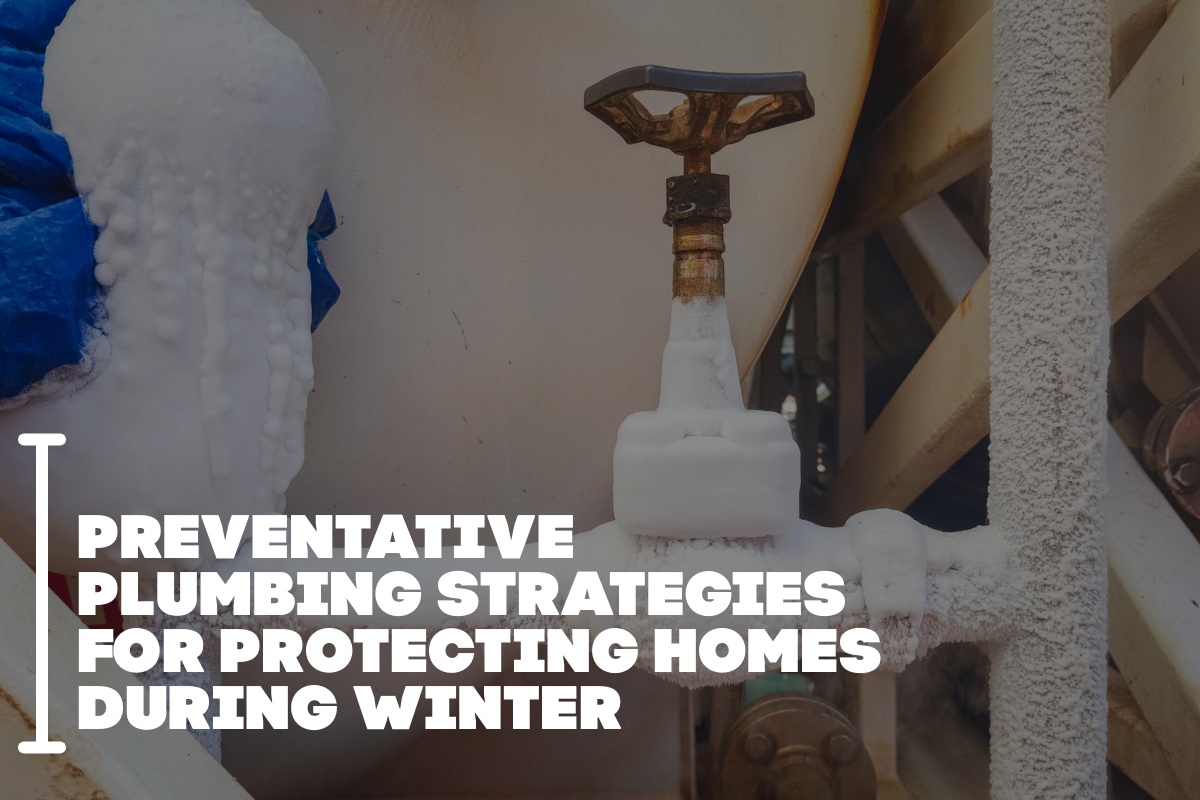
- Winterize Pipes: Insulate against cold snaps, rare but damaging in North India.
Modern tools like leak detectors (₹1,500-5,000) provide real-time alerts via apps.
Long-Term Value and Property Longevity
Routine care extends plumbing life by 15-20 years, maintaining home integrity. It also complies with building codes, avoiding fines. Homeowners report 30% higher satisfaction and fewer disruptions post-maintenance.
FAQs
Q. Why do older homes experience more plumbing problems?
Older homes often contain outdated materials such as galvanized steel or lead pipes, which corrode and deteriorate over time, increasing the risk of leaks and contamination.
Q. How often should plumbing in older homes be inspected?
A professional plumbing inspection is recommended at least once a year, with additional checks after extreme weather conditions.
Q. Can regular maintenance prevent major plumbing replacements?
Yes, early detection of minor issues can prevent extensive damage and delay the need for full system replacement.
Q. Is it necessary to replace all old pipes at once?
Not always. Many homeowners choose phased upgrades, replacing the most vulnerable sections first to manage costs effectively.
Q. Does plumbing maintenance increase property value?
Absolutely. A well-maintained plumbing system improves buyer confidence and supports higher resale value during property transactions.