A home’s plumbing system is designed to last for decades, but like any infrastructure, it gradually ages and becomes more vulnerable to wear, corrosion, and failure. Understanding how plumbing systems deteriorate over time helps homeowners plan maintenance, avoid costly emergencies, and extend the lifespan of their pipes and fixtures. Aging plumbing often develops problems quietly, making early awareness essential for long-term protection.
How Plumbing Systems Age Over Time
Plumbing systems are constantly exposed to water pressure, temperature changes, mineral deposits, and environmental conditions. Over the years, these factors contribute to:
- Pipe corrosion
- Joint deterioration
- Mineral buildup
- Reduced water flow
- Increased risk of leaks
The rate of aging depends on materials used, water quality, installation quality, and maintenance history.
Common Pipe Materials and Their Lifespan
Different materials age differently. Understanding what type of pipes are installed in your home helps predict potential issues.
| Pipe Material | Average Lifespan | Common Aging Issues |
|---|---|---|
| Galvanized Steel | 20–50 years | Corrosion and rust buildup |
| Copper | 50+ years | Pitting corrosion and pinhole leaks |
| PVC | 25–40 years | Brittleness and cracking |
| PEX | 40–50 years | Degradation from UV exposure |
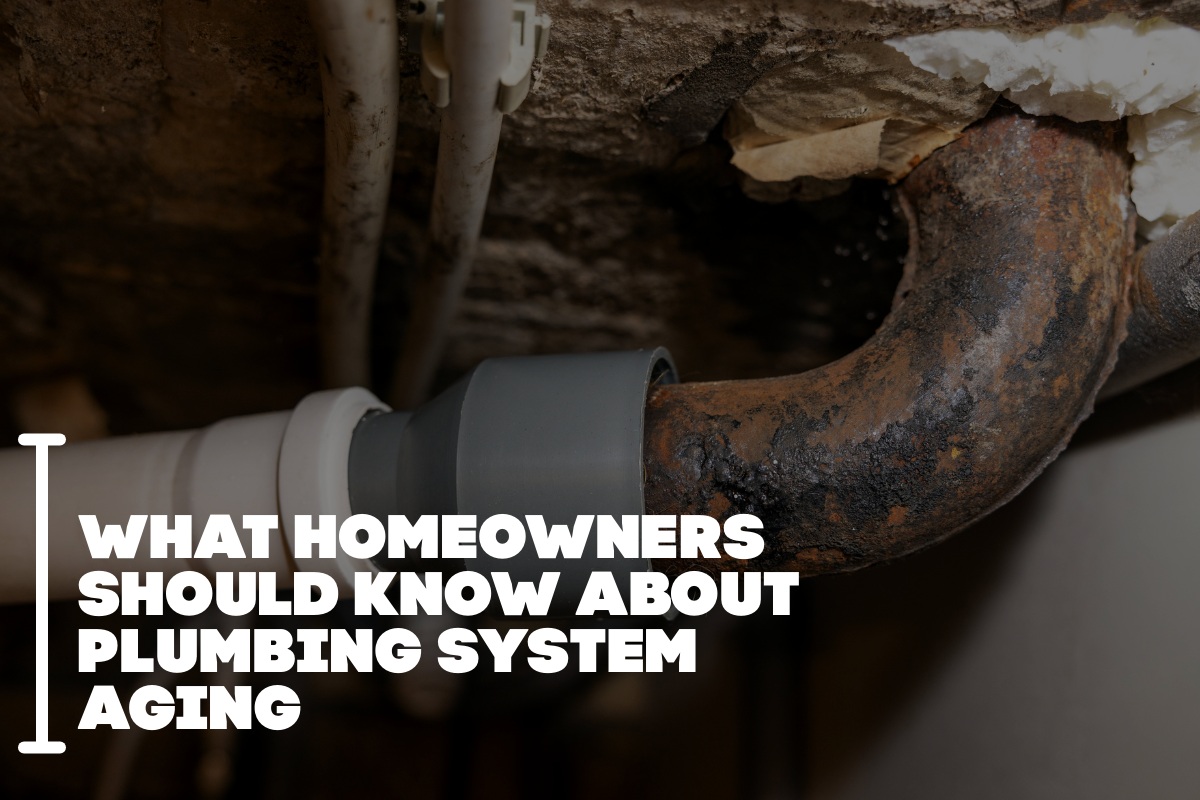
| Cast Iron | 50–75 years | Rust, scaling, and sewer blockages |
Knowing your plumbing material helps you anticipate future repairs or upgrades.
Visible Signs of Plumbing System Aging
Homeowners should watch for warning signs such as:
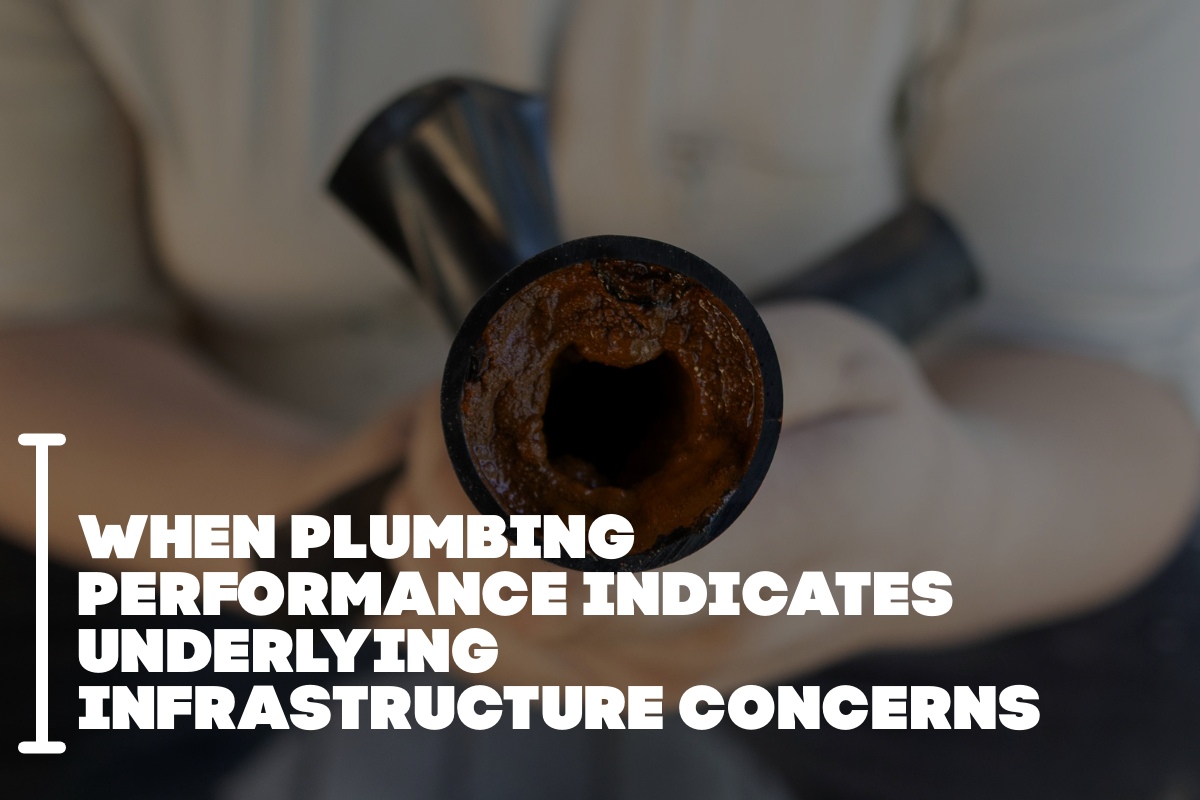
- Discolored or rusty water
- Frequent leaks or drips
- Low water pressure
- Water stains on walls or ceilings
- Unusual pipe noises
These indicators often signal underlying deterioration.
Hidden Risks of Aging Plumbing
Not all plumbing problems are immediately visible. Aging systems may develop:
- Small pinhole leaks inside walls
- Weak pipe joints
- Gradual sewer line blockages
- Increased water pressure strain
- Hidden mold growth from moisture
Undetected issues can lead to significant structural damage over time.
Impact of Water Quality on Pipe Aging
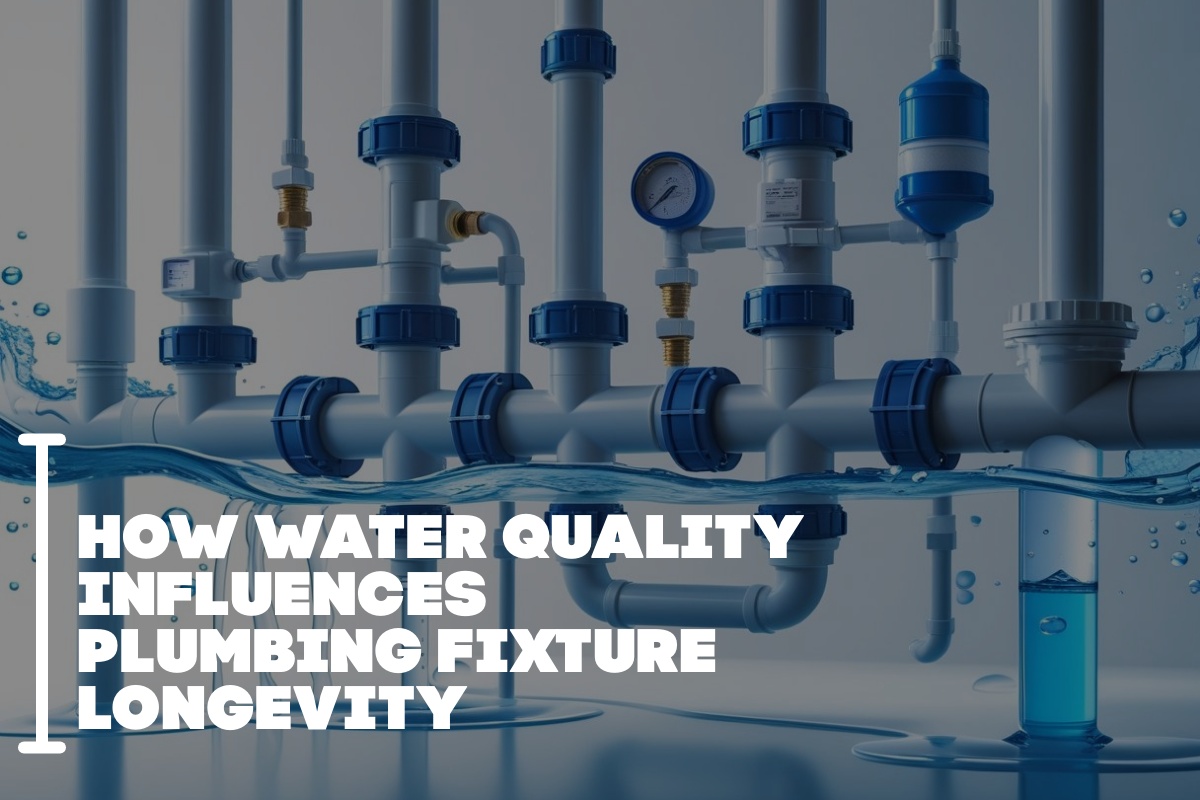
Water quality plays a major role in plumbing longevity. Hard water, which contains high mineral content, accelerates scaling and buildup inside pipes. Acidic water may corrode metal piping more rapidly.
Homeowners can protect their systems by:
- Installing water softeners
- Using filtration systems
- Scheduling regular water testing
Proper water treatment slows deterioration.
Importance of Regular Inspections
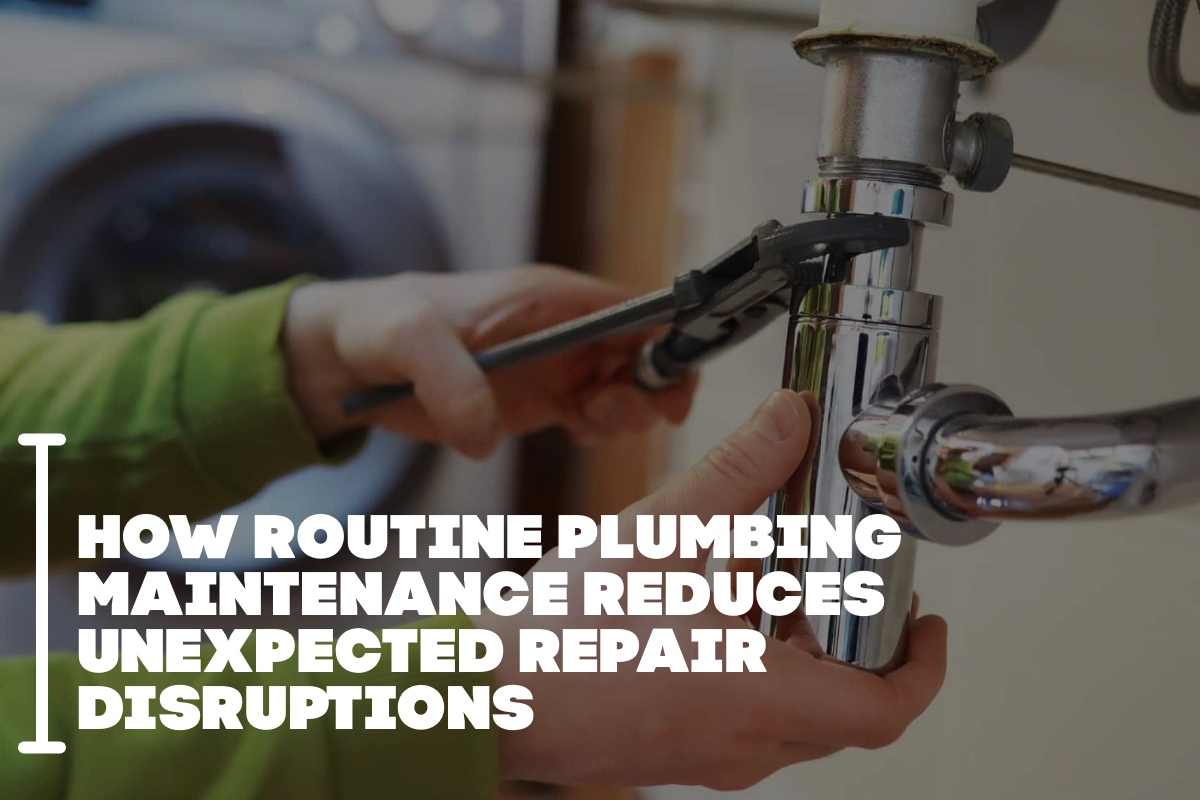
Routine inspections are essential for aging plumbing systems. Professional plumbers can detect hidden corrosion and structural weaknesses before they escalate.
Recommended maintenance practices include:
- Annual plumbing inspections
- Drain cleaning every 1–2 years
- Water heater flushing
- Sewer line camera inspections for older homes
Preventive maintenance reduces the risk of emergency failures.
When to Consider Partial or Full Repiping
In homes over 40–50 years old, repiping may be necessary if problems become frequent.
Signs that repiping may be needed:
- Multiple leaks within a short period
- Extensive corrosion visible on pipes
- Ongoing water pressure issues
- High repair costs exceeding replacement value
While repiping requires upfront investment, it improves reliability and home value.
Financial Planning for Aging Plumbing
Plumbing replacements can be expensive if unexpected. Homeowners should consider:
- Setting aside a maintenance fund
- Evaluating plumbing during home inspections
- Considering warranties for new installations
- Addressing minor issues promptly
Proactive financial planning prevents budget strain.
Benefits of Updating Aging Plumbing Systems
Upgrading older plumbing systems provides several advantages:
- Improved water pressure and flow
- Reduced risk of water damage
- Enhanced energy efficiency
- Increased property value
- Lower long-term maintenance costs
Modern materials are more durable and resistant to corrosion.
FAQs
1. How do I know if my plumbing system is aging?
Signs include discolored water, frequent leaks, reduced water pressure, and visible corrosion.
2. How long do most plumbing systems last?
Lifespans vary by material, but many systems last between 25 to 75 years depending on maintenance and water quality.
3. Can aging pipes cause health concerns?
Yes, corroded pipes may contaminate water, and hidden leaks can lead to mold growth.
4. Is repiping always necessary for older homes?
Not always, but frequent leaks and severe corrosion may indicate that repiping is more cost-effective than ongoing repairs.
5. How can I extend the lifespan of my plumbing system?
Regular inspections, water treatment systems, and timely repairs help prolong plumbing durability.