Homes built before modern plumbing codes often carry charm, craftsmanship, and history—but they also tend to hide aging plumbing systems that were never designed to meet today’s demands. Understanding the expected lifespan of older plumbing materials helps homeowners anticipate issues, plan upgrades, and avoid disruptive failures. In many cases, plumbing in older homes is not failing suddenly; it is slowly reaching the end of its useful life.
Why Plumbing Codes Matter for Longevity
Modern plumbing codes evolved in response to health, safety, and durability concerns. Older homes were built before standardized requirements for pipe materials, venting, water pressure, and corrosion protection were widely enforced.
As a result, legacy plumbing systems often used materials that performed well initially but degrade significantly over time. These systems may still function, but efficiency, water quality, and reliability typically decline as pipes age beyond their intended lifespan.
Common Plumbing Materials in Older Homes
Understanding what materials are present is the first step in evaluating lifespan.
Galvanized Steel Pipes
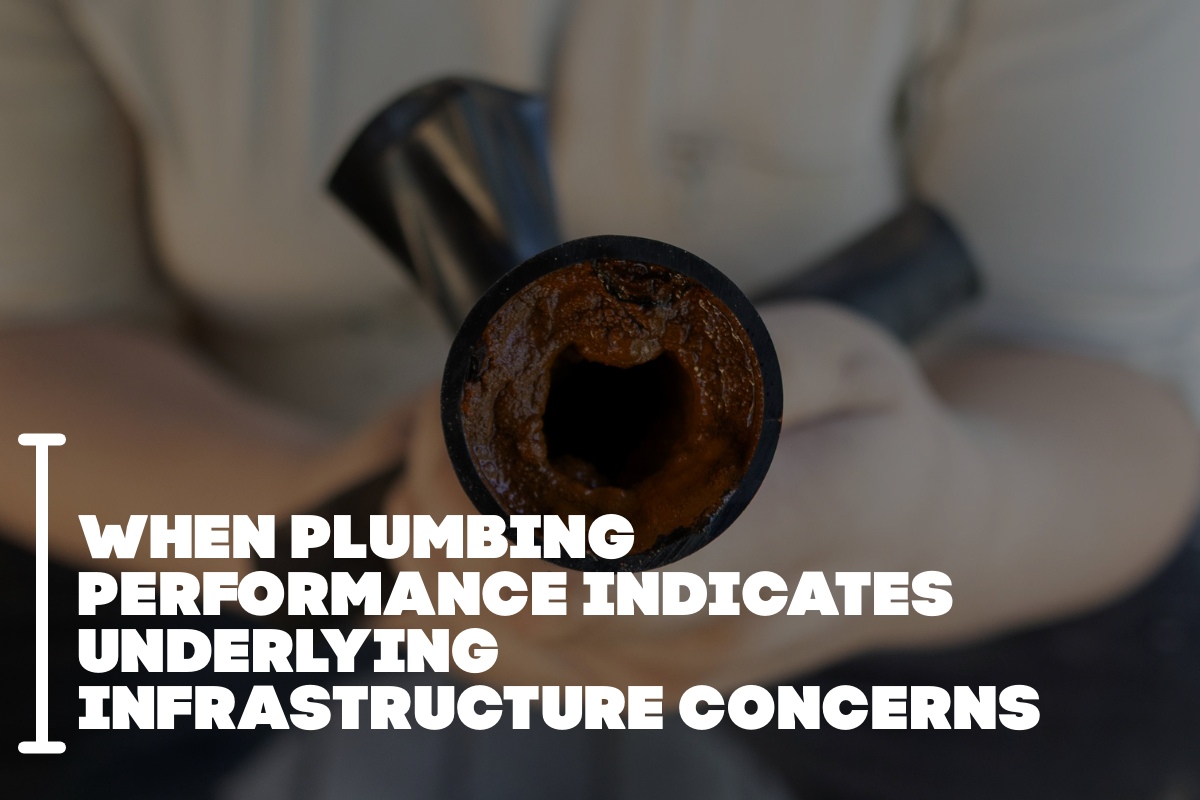
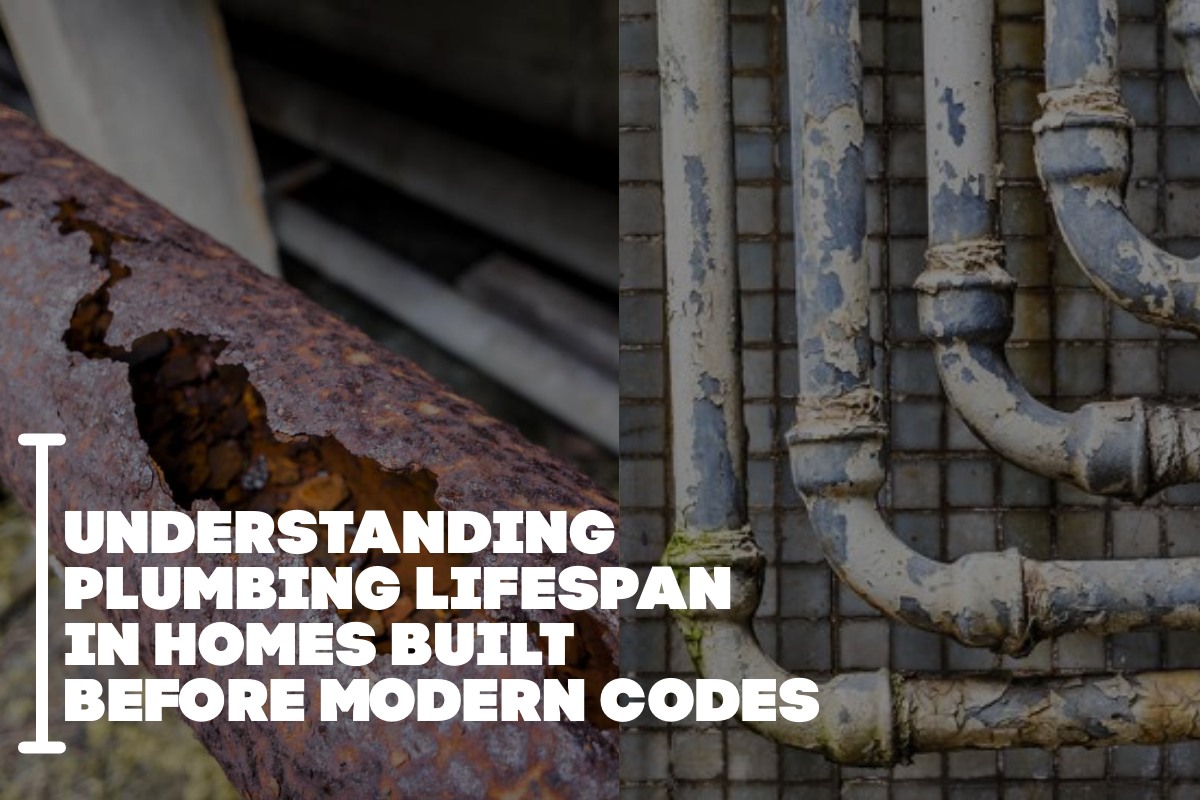
Widely used in homes built before the 1960s, galvanized steel pipes typically last 40–70 years. Over time, they corrode from the inside out, reducing water flow and causing rust-colored water. Internal corrosion also increases the risk of leaks and sudden pipe failure.
Cast Iron Drain Pipes
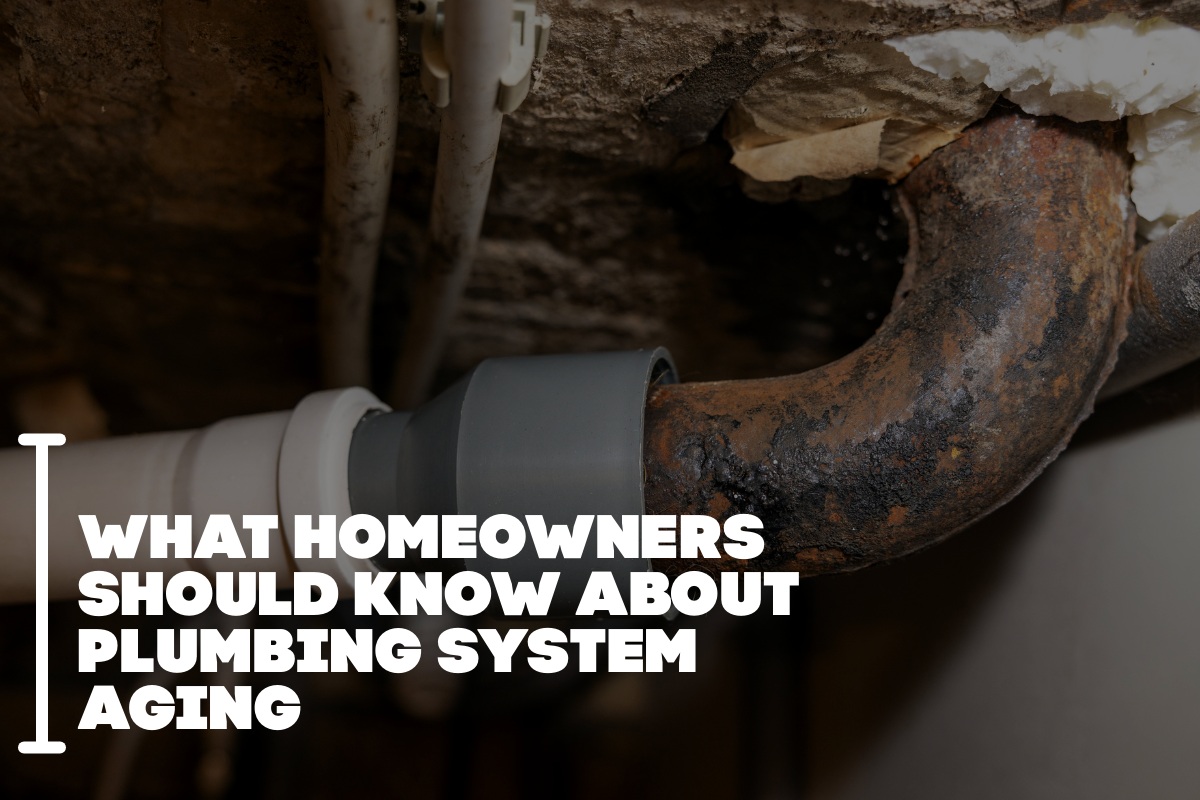
Cast iron was commonly used for drain and sewer lines. These pipes can last 50–75 years, sometimes longer in ideal conditions. However, they are highly vulnerable to internal corrosion, cracking, and root intrusion. Failure often begins gradually with slow drains and recurring clogs.
Copper Pipes
Copper plumbing became popular mid-century and generally has a lifespan of 50–80 years. While more durable than galvanized steel, copper can still fail due to corrosion, poor installation, or aggressive water chemistry.
Lead Pipes
Some very old homes may still contain lead service lines or fixtures. While lead pipes can physically last decades, they pose serious health risks and are no longer considered acceptable regardless of condition.
Signs That Plumbing Is Reaching the End of Its Lifespan
Aging plumbing rarely fails without warning. Common indicators include:
- Frequent leaks or recurring pipe repairs
- Discolored, rusty, or metallic-tasting water
- Reduced water pressure throughout the home
- Slow or repeatedly clogged drains
- Visible corrosion on exposed pipes
- Sewer odors or damp areas near drain lines
These signs suggest that pipe walls are thinning, corroding, or breaking down internally.
How Modern Water Use Accelerates Wear
Older plumbing systems were designed for lower water demand. Today’s homes place far greater strain on pipes due to:
- Higher water pressure
- Multiple bathrooms
- Dishwashers, washing machines, and modern fixtures
- Continuous appliance use
This increased demand accelerates wear on older materials, especially those already weakened by age and corrosion.
Hidden Risks Behind Walls and Underground
One of the greatest challenges in older homes is that much of the plumbing is hidden. Pipes behind walls or beneath foundations may be severely deteriorated long before visible symptoms appear.
Underground sewer lines are especially vulnerable. Tree root intrusion, soil movement, and corrosion can cause failures that remain unnoticed until backups or collapses occur. This is why proactive inspections are so important for aging systems.
Repair vs. Replacement: Making the Right Decision
Spot repairs can extend the life of older plumbing temporarily, but repeated fixes often signal a system-wide issue. As pipes age, repairs become more frequent and less cost-effective.
Full or partial repiping may be the better long-term solution when:
- Multiple leaks occur within a short period
- Galvanized pipes are present throughout the home
- Drain lines show extensive corrosion
- Renovations expose failing plumbing
Modern materials such as PEX and PVC offer longer lifespans, better corrosion resistance, and improved efficiency.
The Role of Professional Inspection
Professional plumbers use camera inspections, pressure testing, and material assessment to evaluate plumbing condition accurately. These tools allow homeowners to understand remaining lifespan rather than relying on guesswork.
Inspections are especially valuable before purchasing an older home or planning major renovations, as plumbing replacement can significantly affect budgets and timelines.
Planning for the Future Without Urgency
Understanding plumbing lifespan allows homeowners to plan proactively instead of reacting to emergencies. Gradual upgrades—starting with the most vulnerable sections—help spread costs and reduce disruption.
Older homes do not require immediate overhaul simply because of age, but informed planning ensures safety, reliability, and long-term value.
FAQs
How long does plumbing in older homes usually last?
Depending on materials, most older plumbing systems last between 40 and 80 years before significant deterioration occurs.
Is it dangerous to keep old plumbing if it still works?
Functioning pipes can still pose risks such as leaks, water quality issues, and sudden failure, especially with galvanized or lead materials.
How can I tell what type of pipes my home has?
A professional plumber can identify materials through visual inspection and testing, even when pipes are hidden.
Should I replace plumbing during renovations?
Yes. Renovations provide an ideal opportunity to upgrade aging plumbing while walls and floors are already open.
What is the biggest risk of delaying plumbing replacement?
Unexpected leaks or sewer failures can cause extensive water damage, higher repair costs, and health concerns.