Professional drain cleaning outperforms store-bought solutions by delivering thorough, safe, and long-lasting results for US homeowners facing common clogs from grease, hair, and soap buildup. While chemical cleaners offer quick fixes, they often damage pipes and fail to address root causes, leading to recurring issues and higher costs. This article outlines the key advantages, tailored to American plumbing systems and lifestyles.
Expertise of Trained Professionals
Professional plumbers bring years of specialized training to diagnose and resolve drain problems that DIY methods miss. They use advanced tools like video cameras to inspect pipes internally, identifying issues such as tree root intrusion or hidden corrosion before they worsen.
In contrast, store-bought plungers or snakes tackle surface clogs but overlook deeper blockages, allowing problems to persist.
US-licensed technicians follow EPA guidelines on safe practices, ensuring compliance with local codes in states like California or Florida where septic systems are common. Their experience prevents common errors, like pushing debris further down the line, which happens with amateur attempts.
Advanced Equipment for Superior Cleaning
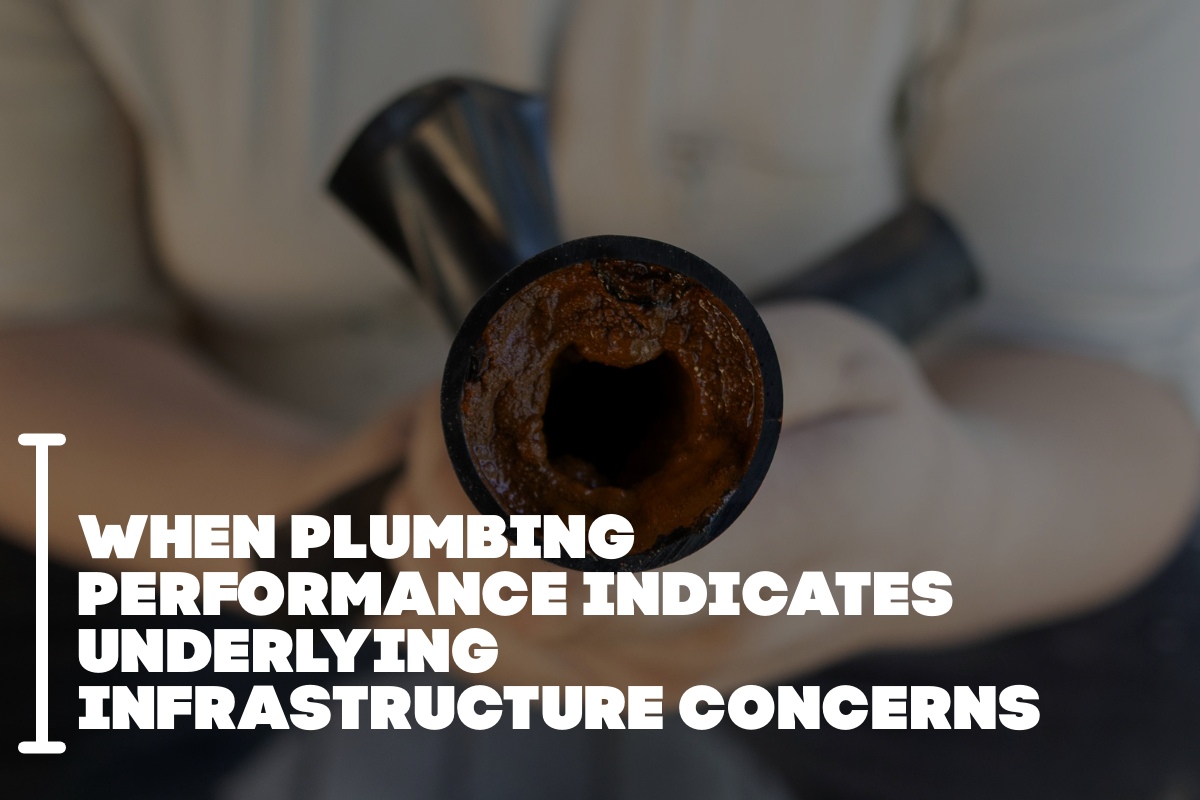
Store-bought cleaners rely on harsh chemicals that corrode PVC pipes over time, especially in older homes built before modern materials.
Professionals employ hydro-jetting, blasting high-pressure water at 4,000 PSI to scour grease, minerals, and scale without residue. This method restores full flow, unlike gels that leave toxic buildup and fumes hazardous to families, particularly those with kids or pets.
Camera inspections provide visual proof of cleanliness, pinpointing issues like misaligned joints in US-standard 4-inch sewer lines. These tools achieve 99% effectiveness on stubborn clogs, far surpassing the 60-70% success rate of over-the-counter products.
Safety and Health Protection
Chemical drain cleaners emit dangerous vapors and can splash, risking burns or respiratory issues—problems highlighted by the American Cleaning Institute. Professionals use protective gear and eco-friendly solutions, minimizing exposure in tight spaces like apartment bathrooms. Hydro-jetting avoids corrosives entirely, protecting septic systems prevalent in 25% of US households.
For allergy-prone families or those in humid regions like the Southeast, pros eliminate mold and bacteria breeding in neglected drains, improving indoor air quality without harsh residues.
Long-Term Savings and Prevention
Initial DIY costs seem low at $5-10 per bottle, but repeated use and ensuing repairs average $500+ for emergencies. Professional cleaning, at $100-300 per visit, prevents 80% of backups through annual maintenance, extending pipe life by 5-10 years. In high-use homes with garbage disposals, this averts costly sewer line replacements ($3,000-$7,000).
Pros offer tailored prevention tips, like mesh screens for tubs, reducing future calls. Regular service aligns with HUD recommendations for rental properties, boosting property value.
Convenience and Efficiency
DIY efforts waste hours on futile plunging amid busy schedules, while pros arrive same-day in urban areas via services like Angi. They complete jobs in 30-60 minutes, restoring normalcy without mess. This time-saving appeals to dual-income households, freeing weekends for family over frustrating trial-and-error.
Post-cleaning, enhanced water pressure improves showers and appliances, a noticeable upgrade in older Midwest bungalows.
Environmental and Pipe Longevity Benefits
Store-bought chemicals pollute waterways, violating Clean Water Act standards when flushed. Professional methods recycle water and use biodegradable agents, supporting US sustainability goals. Cleaner pipes resist scale, maintaining efficiency in hard-water regions like the Southwest.
Overall, these benefits make professional service a smart investment for durable plumbing in America’s diverse housing stock.
Frequently Asked Questions (FAQs)
1. Do chemical cleaners damage pipes long-term?
Yes, they corrode PVC and metal over time, leading to leaks, unlike hydro-jetting.
2. How often should US homes get professional cleaning?
Annually for high-use drains, or biannually in grease-heavy kitchens.
3. Is professional service more expensive upfront?
Slightly, but it cuts repair bills by preventing 80% of major clogs.
4. Can pros handle septic systems safely?
Absolutely, using jetting that avoids chemicals harmful to bacteria balance.
5. What if the clog is in an old house?
Camera tech detects root or collapse issues early, averting $5,000+ fixes.