Many older homes across Illinois have charm, character, and history—but behind the walls, aging plumbing systems can quietly create serious problems. Pipes installed decades ago were built for a very different time, with materials and standards that often fall short of today’s health, safety, and efficiency expectations. Because much of this damage is hidden, homeowners may not realize there’s an issue until it becomes expensive or disruptive.
Understanding how aging pipes affect older homes is key to preventing water damage, health risks, and long-term structural issues.
Outdated Pipe Materials Still in Use
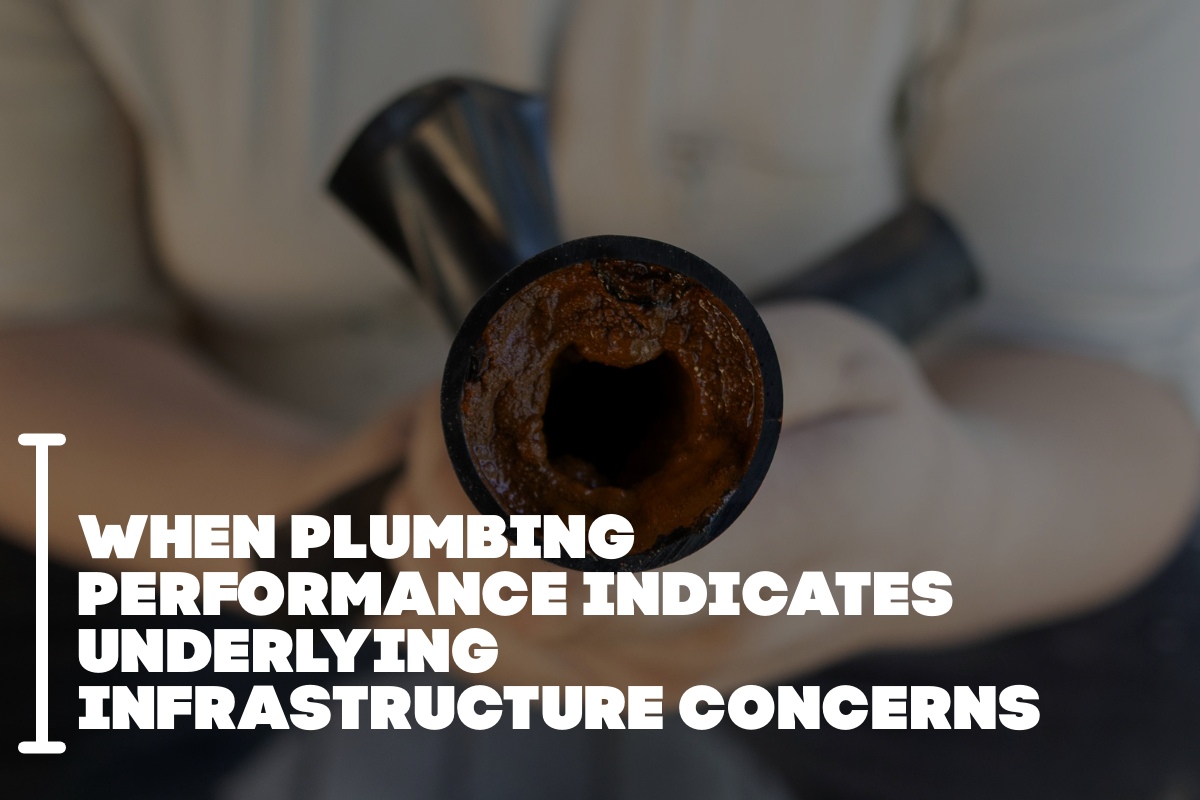
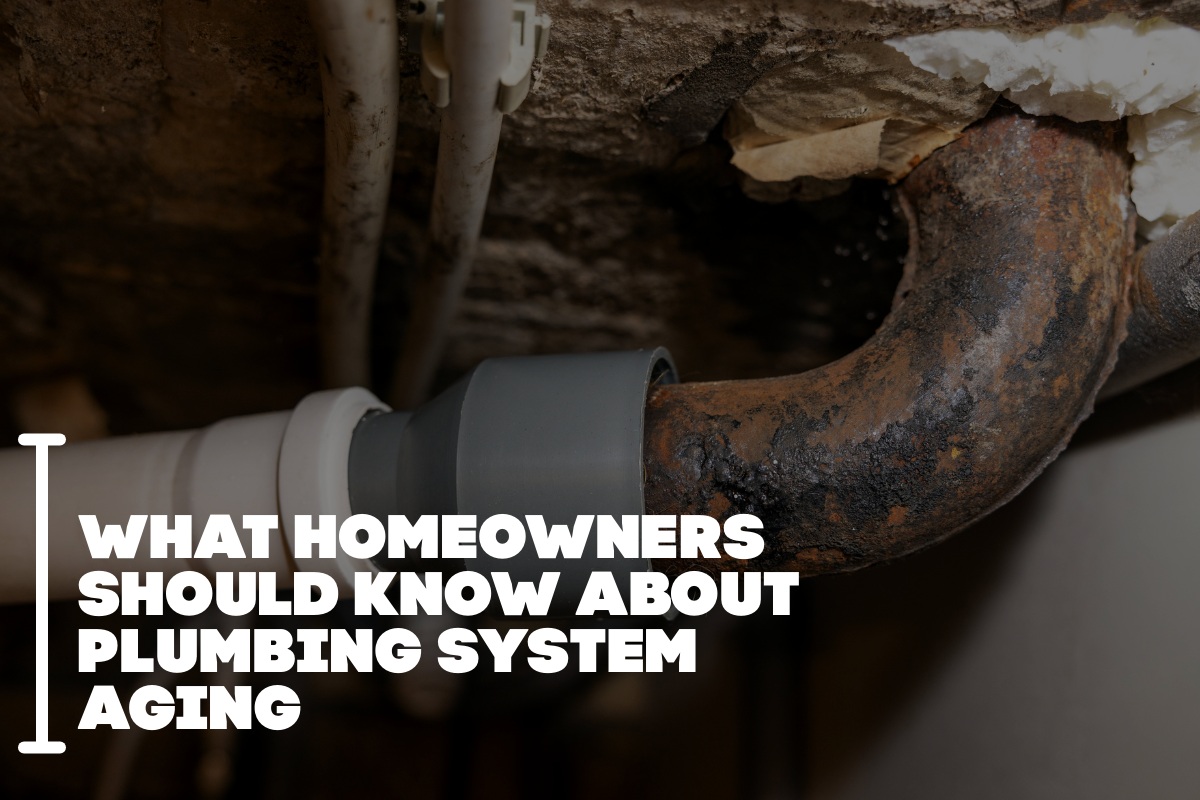
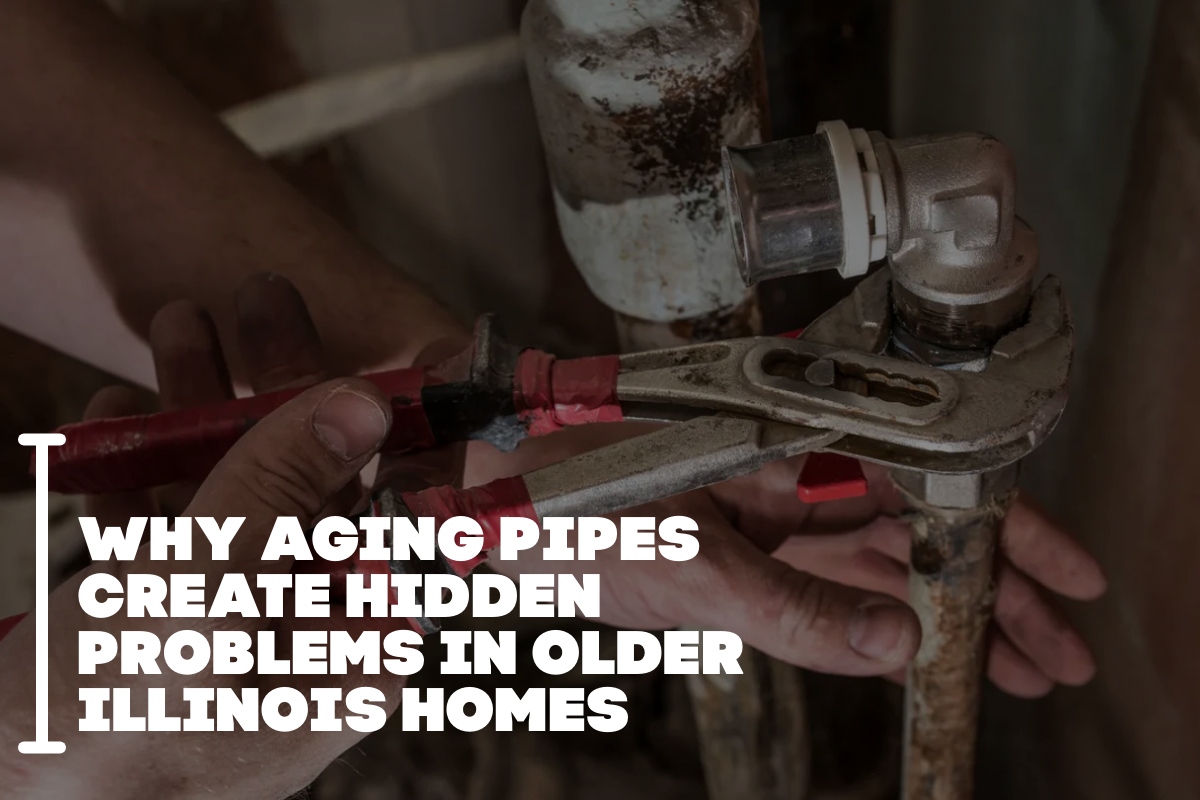
Many Illinois homes built before the 1970s still contain galvanized steel, cast iron, or even lead pipes. Over time, these materials corrode, weaken, and break down internally. Galvanized steel pipes rust from the inside out, narrowing water flow and causing pressure issues. Cast iron drains slowly deteriorate, becoming brittle and prone to cracking. Lead pipes, while less common today, pose serious health risks if still present.
Because these materials often fail gradually, homeowners may live with declining performance for years without realizing the cause.
Hidden Leaks Behind Walls and Foundations
One of the most damaging aspects of aging pipes is their tendency to develop slow, hidden leaks. Tiny cracks or corroded joints can allow water to seep into walls, ceilings, or foundations. This moisture encourages mold growth, wood rot, and insulation damage—often without visible signs at first.
In Illinois, where seasonal temperature swings are common, repeated expansion and contraction can worsen small weaknesses in old pipes. By the time stains or odors appear, significant structural damage may already be present.
Water Quality and Health Concerns
Aging pipes don’t just affect water flow—they can affect water quality. Corrosion inside pipes can introduce rust, sediment, or metallic tastes into household water. In homes with lead components, there is a risk of lead leaching into drinking water, particularly when pipes are disturbed or water chemistry changes.
Even when municipal water meets safety standards, old plumbing inside the home can compromise it before it reaches the tap. This is especially concerning for children, older adults, and individuals with health sensitivities.
Reduced Water Pressure and Efficiency
Many homeowners in older houses notice inconsistent or weak water pressure without realizing aging pipes are the cause. Internal corrosion reduces the effective diameter of pipes, restricting flow. Mineral buildup further compounds the issue, especially in areas with hard water.
These inefficiencies don’t just affect comfort—they can strain appliances like water heaters, dishwashers, and washing machines, shortening their lifespan and increasing energy costs.
Increased Risk of Sudden Failures
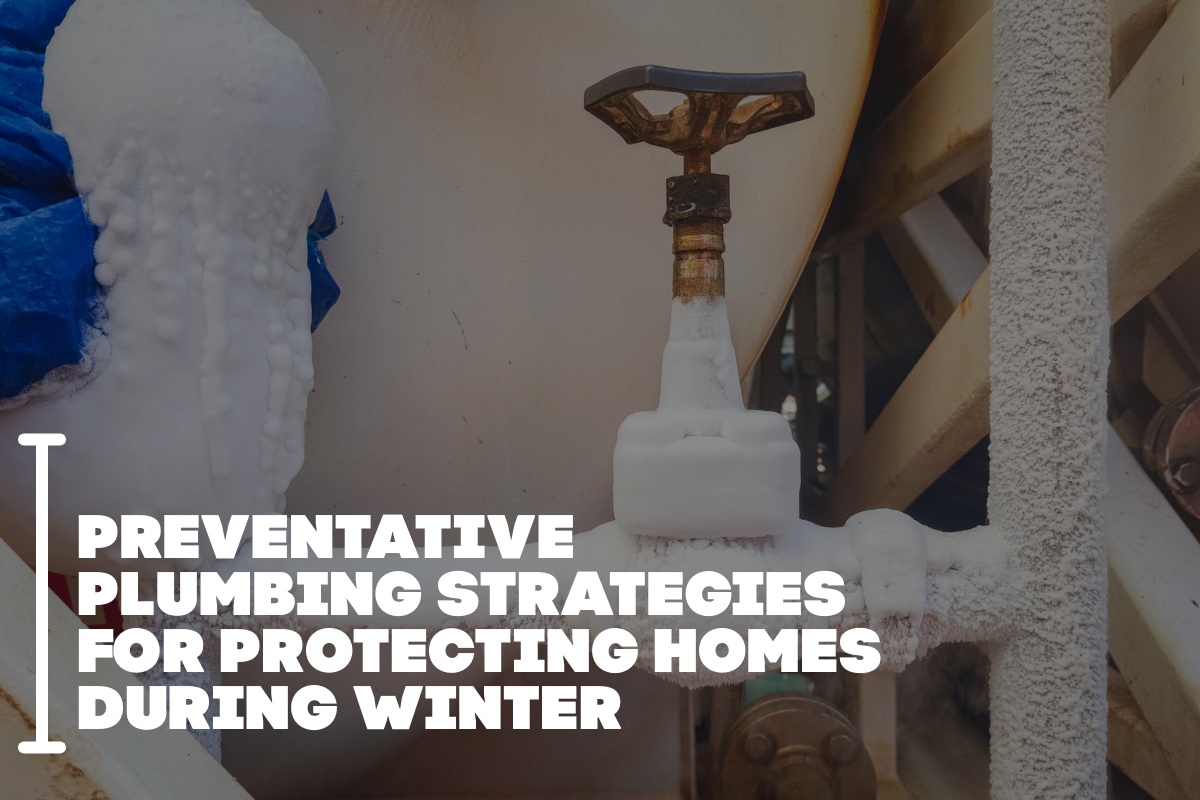
Old pipes often fail without warning. A section that appears functional can suddenly burst due to corrosion, freezing temperatures, or pressure changes. In Illinois winters, frozen pipes are a major risk, particularly when older materials lack flexibility or proper insulation.
Sudden pipe failures can result in flooding, emergency repairs, and costly water damage—often far more expensive than planned upgrades or inspections.
Why Problems Often Go Unnoticed
Plumbing is largely out of sight, making it easy to ignore until something goes wrong. Many homeowners assume issues like discolored water or slow drains are minor inconveniences rather than warning signs. In reality, these symptoms often indicate deeper system-wide deterioration.
Regular inspections and proactive maintenance are especially important for older homes, where original plumbing may be well past its intended lifespan.
FAQs
How old is “too old” for home plumbing?
Pipes over 50–70 years old are more likely to have corrosion, leaks, and material failures, depending on the pipe type.
Are aging pipes always visible?
No. Most problems occur inside walls, under floors, or underground, making professional inspection essential.
Can old pipes affect home value?
Yes. Outdated or failing plumbing can reduce resale value and raise concerns during home inspections.
Is pipe replacement always necessary?
Not always, but partial or full replacement may be recommended if pipes show widespread corrosion or leaks.
What are early warning signs of pipe problems?
Discolored water, low pressure, recurring clogs, unusual smells, or unexplained moisture are common indicators.
Why are older Illinois homes especially vulnerable?
Age, cold winters, shifting soil, and outdated materials all increase stress on older plumbing systems.