Residential plumbing systems are designed to function year-round, but seasonal weather changes can significantly influence how well they perform. Temperature shifts, rainfall patterns, and environmental conditions place varying levels of stress on pipes, fixtures, and drainage systems. Understanding how different seasons affect plumbing performance helps homeowners prevent damage, reduce repair costs, and maintain reliable water flow throughout the year.
Winter Weather and Cold-Related Plumbing Stress
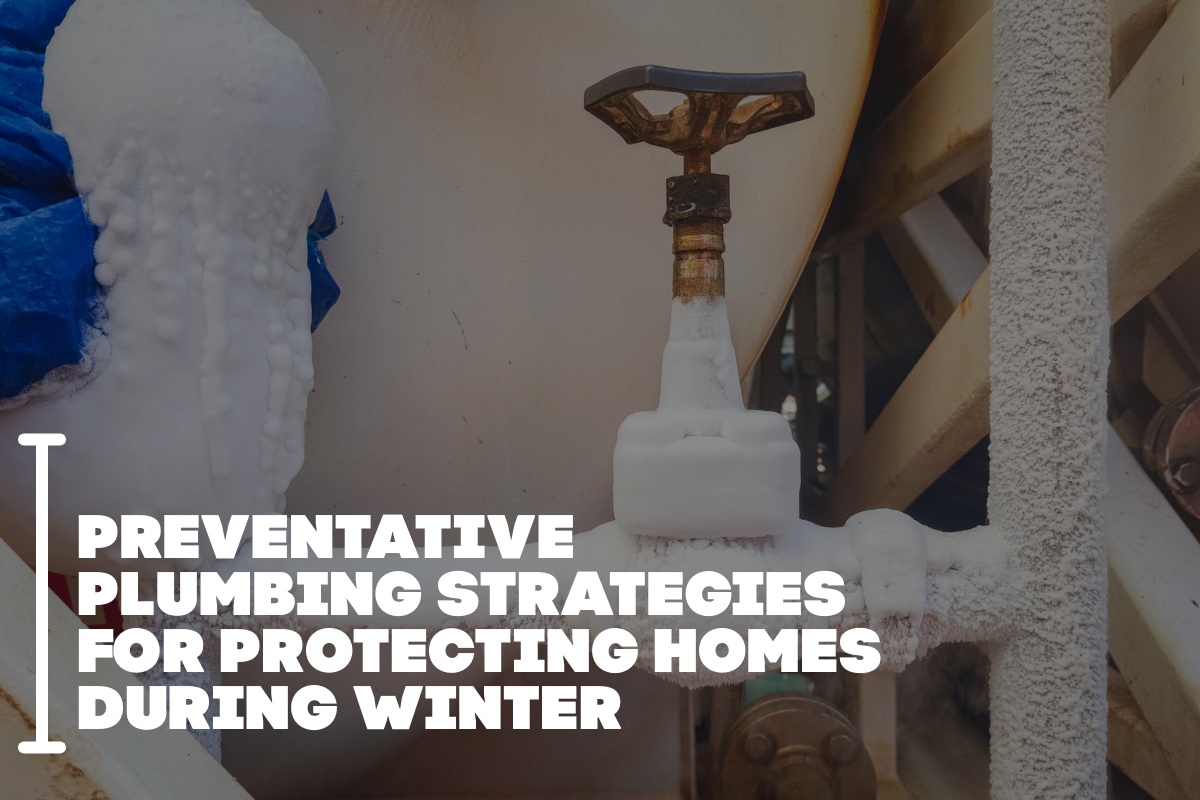
Winter is often the most challenging season for residential plumbing. Freezing temperatures can cause water inside pipes to freeze and expand, increasing internal pressure. This expansion may lead to cracked or burst pipes, especially in uninsulated areas such as basements, crawl spaces, attics, and exterior walls.
Cold weather can also affect water heaters, causing them to work harder to maintain temperature. Outdoor plumbing components like hose bibs and sprinkler lines are particularly vulnerable if not properly drained or insulated. Even brief cold snaps can result in damage if systems are unprepared.
Spring Thaw and Increased Water Demand
As temperatures rise, frozen ground begins to thaw, which can shift soil and place stress on underground pipes. This movement may reveal hidden cracks or weaknesses that developed during winter. Leaks often become noticeable in spring as water usage increases and systems return to full operation.
Spring also brings higher rainfall in many regions. Excess water can overwhelm drainage systems, especially if debris accumulated during winter. Sump pumps, floor drains, and sewer lines may experience increased strain, making proper maintenance essential during this season.
Summer Heat and Pipe Expansion
Summer heat introduces a different set of challenges for residential plumbing. High temperatures can cause pipes, particularly metal ones, to expand. While expansion is usually gradual, repeated cycles of expansion and contraction can weaken joints and seals over time.
Water demand often increases in summer due to outdoor activities, gardening, and higher household usage. This added demand can expose underlying issues such as low water pressure, aging pipes, or inefficient fixtures. In some cases, extreme heat may also dry out soil, leading to ground movement that affects buried pipes.
Autumn Transitions and Clogging Risks
Autumn serves as a transitional period that prepares plumbing systems for winter. Falling leaves, debris, and organic matter can clog gutters, downspouts, and exterior drains. If left unchecked, these blockages can lead to water backups that affect foundation drainage and sewer connections.
Cooling temperatures in autumn are also a signal to winterize plumbing systems. Failing to disconnect outdoor hoses, drain irrigation systems, or insulate exposed pipes increases the risk of freezing once winter arrives. Autumn maintenance plays a crucial role in preventing cold-weather plumbing emergencies.
Impact of Heavy Rain and Storm Events
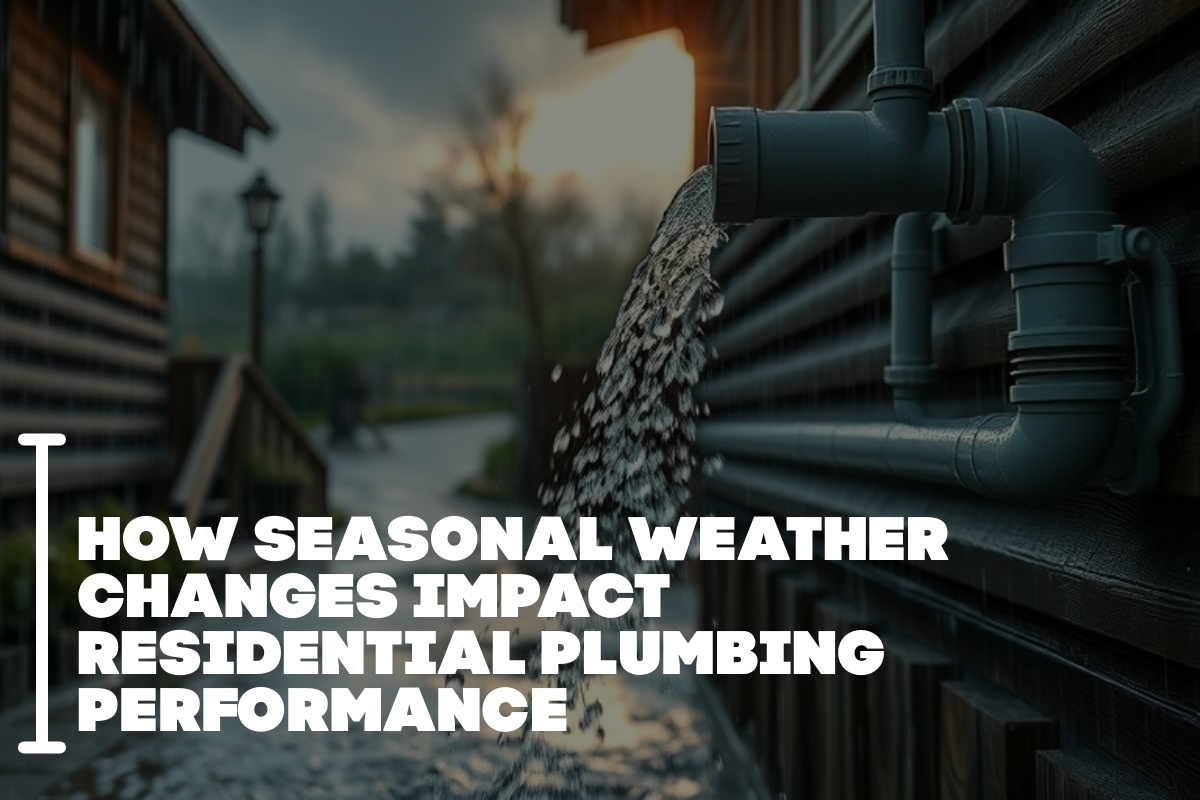
Seasonal storms, whether in spring or fall, can place sudden stress on residential plumbing. Heavy rainfall increases the load on drainage and sewer systems, potentially causing backups or overflows. Homes with older sewer lines or inadequate drainage infrastructure are particularly vulnerable.
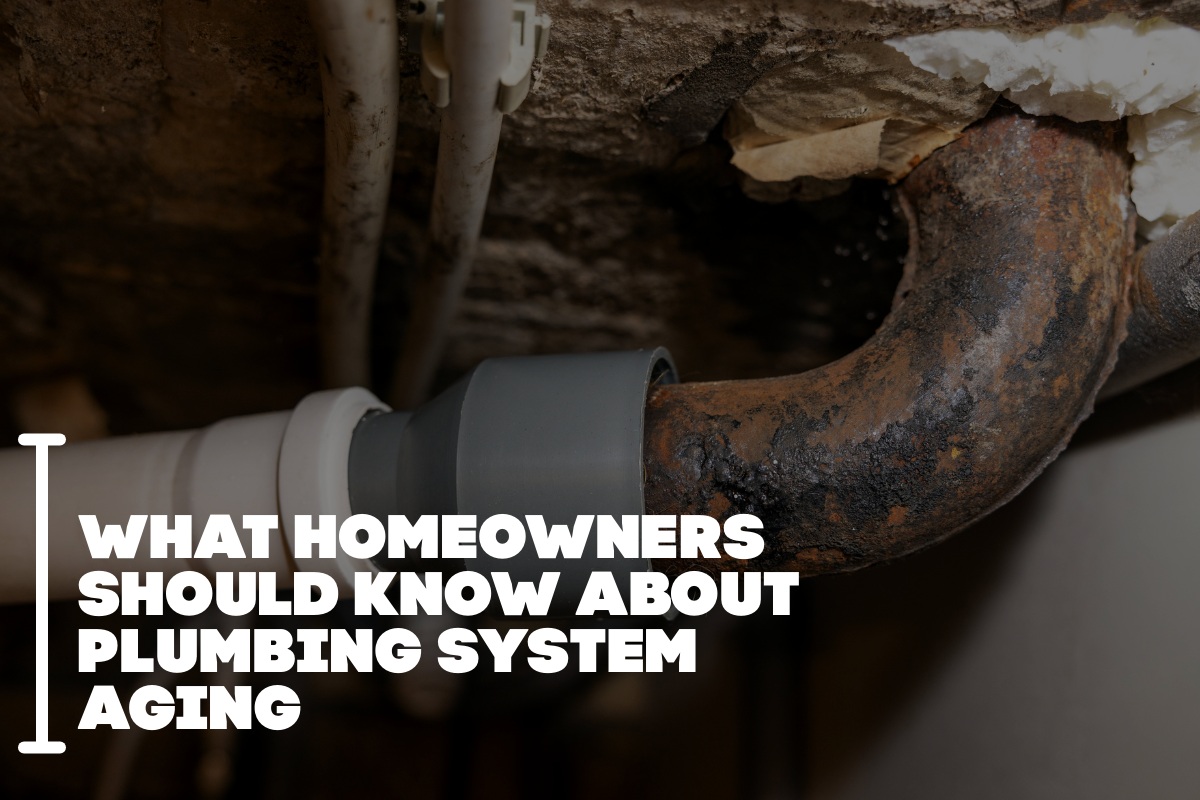
Stormwater infiltration can also enter cracks in pipes or foundations, leading to moisture-related damage. Repeated exposure to excess water may accelerate pipe corrosion and reduce system lifespan if not addressed promptly.
Temperature Fluctuations and Long-Term Wear
Beyond individual seasons, frequent temperature fluctuations throughout the year contribute to long-term plumbing wear. Pipes expand and contract as temperatures change, which gradually weakens materials and connections. Over time, this can result in leaks, reduced efficiency, and unexpected failures.
Homes in regions with wide seasonal temperature ranges often experience more pronounced plumbing stress. Proactive inspection and maintenance help mitigate these cumulative effects and extend system durability.
Preventive Maintenance for Seasonal Protection
Seasonal awareness is key to protecting residential plumbing performance. Insulating pipes, clearing drains, monitoring water pressure, and scheduling regular inspections reduce the likelihood of weather-related issues. Addressing small problems early prevents costly repairs and disruptions.
By aligning plumbing maintenance with seasonal changes, homeowners can ensure consistent performance and avoid emergencies triggered by environmental conditions.
FAQs
Why do pipes burst more often in winter?
Pipes burst in winter because frozen water expands inside them, increasing pressure and causing cracks or breaks.
Can summer heat damage plumbing pipes?
Yes, prolonged heat can cause pipes to expand and weaken joints over time, especially in older plumbing systems.
How does heavy rain affect residential plumbing?
Heavy rain can overwhelm drainage systems, leading to backups, leaks, or sewer overflows.
Is autumn an important season for plumbing maintenance?
Yes, autumn is critical for clearing debris, winterizing pipes, and preparing systems for freezing temperatures.
How can homeowners reduce seasonal plumbing issues?
Regular inspections, insulation, drain cleaning, and timely maintenance aligned with seasonal changes help reduce risks.