Owning an older home comes with character, charm, and a sense of history—but it also comes with aging infrastructure that requires special attention. One of the most critical yet often overlooked aspects of older homes is the plumbing system. Professional plumbing inspections play a vital role in protecting both the property and the well-being of older homeowners by identifying hidden risks, preventing costly damage, and ensuring long-term safety and comfort.
Aging Pipes Increase the Risk of Failure
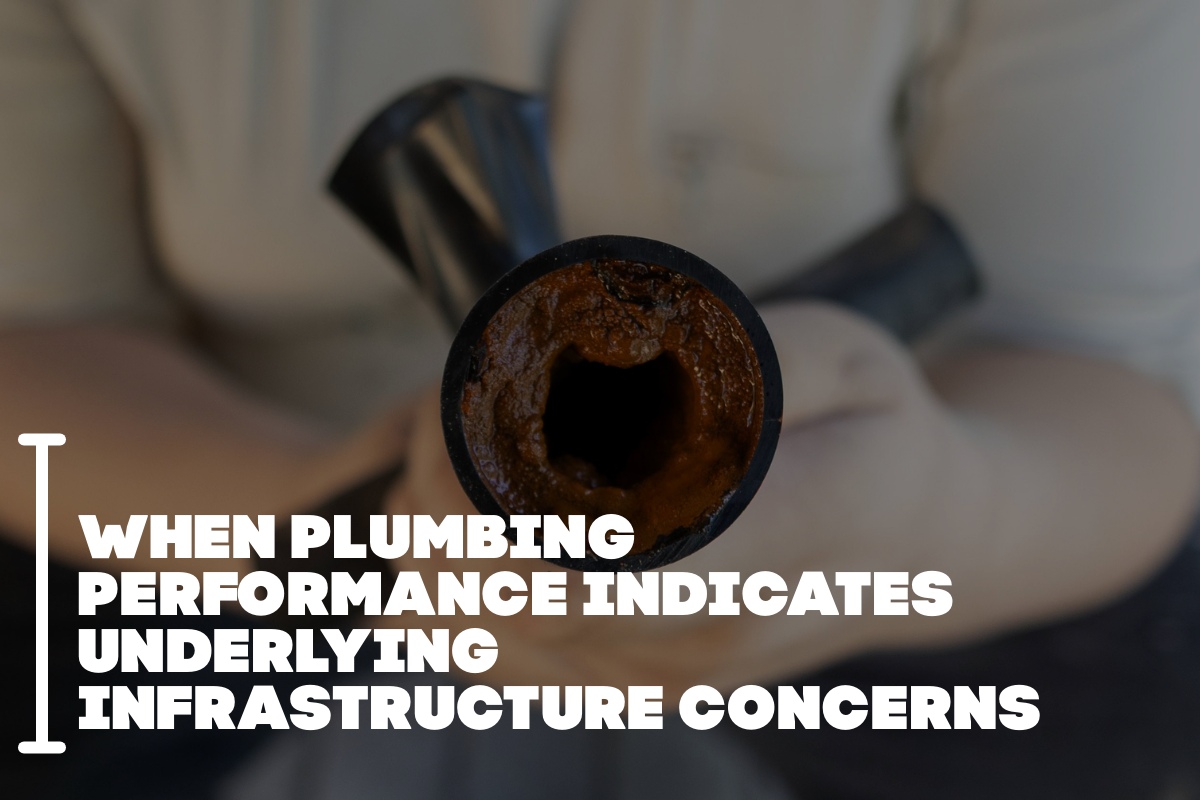
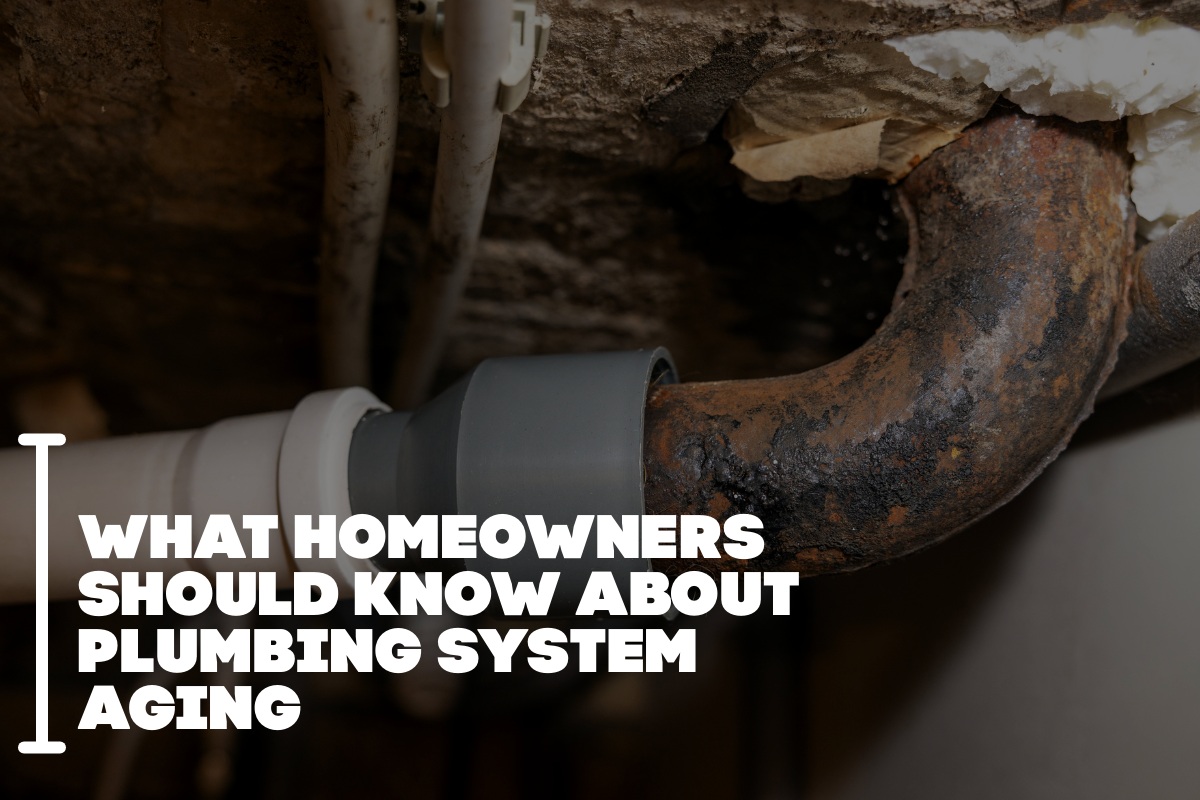
Many older homes were built using plumbing materials such as galvanized steel, cast iron, or early copper piping. Over time, these materials corrode, weaken, or develop internal buildup that restricts water flow. Unlike modern systems, aging pipes are far more susceptible to leaks, cracks, and sudden failures.
A professional plumbing inspection helps detect early signs of corrosion, thinning pipe walls, and joint deterioration before they lead to burst pipes or major water damage. Early intervention is especially important for older homeowners who may want to avoid emergency repairs and disruptive home damage.
Hidden Leaks Can Go Undetected for Years
Leaks in older homes are not always visible. Slow leaks can exist behind walls, under floors, or within ceilings for long periods without obvious signs. Over time, these hidden leaks can cause structural damage, wood rot, mold growth, and unhealthy indoor air quality.
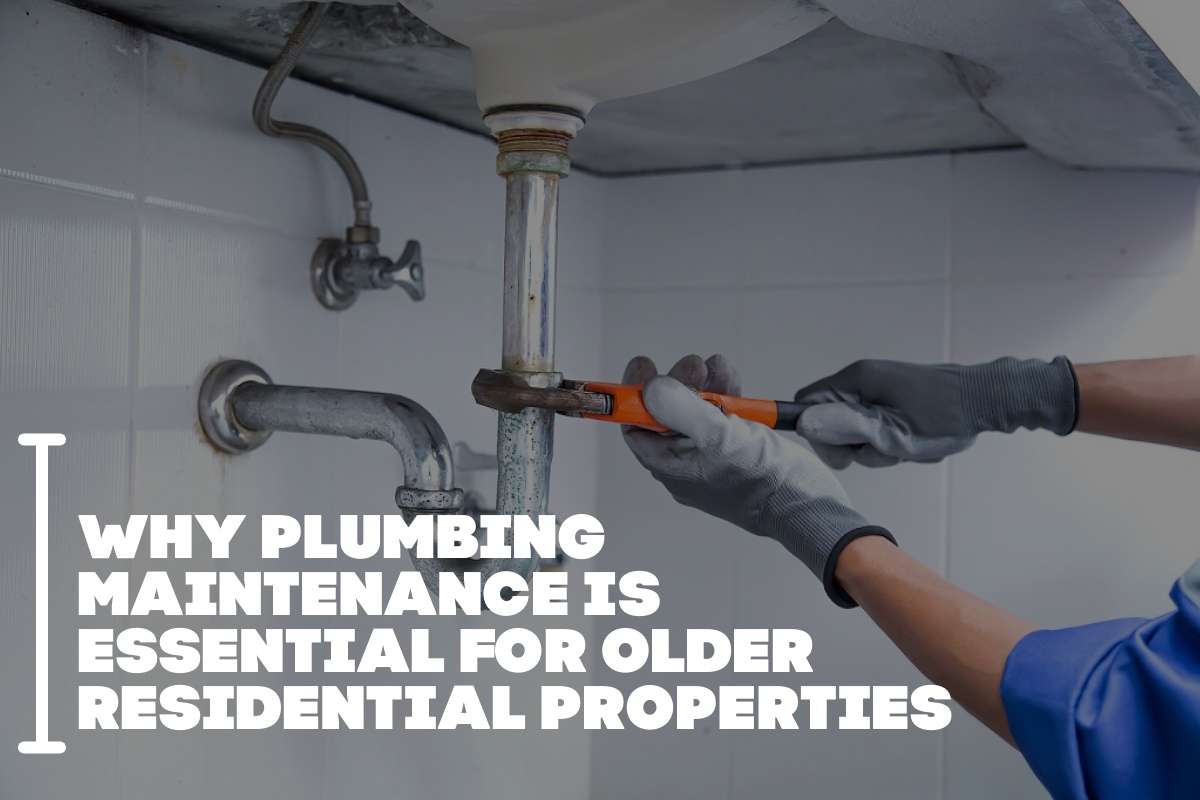
Professional plumbers use specialized tools and techniques to identify leaks that homeowners may not notice. Detecting and repairing these issues early protects the home’s structure and reduces long-term repair costs.
Preventing Costly and Stressful Emergencies
Plumbing emergencies are inconvenient at any age, but they can be especially stressful for older homeowners. Burst pipes, sewer backups, or water heater failures often require immediate action, temporary relocation, or extensive cleanup.
Routine professional inspections reduce the likelihood of sudden emergencies by addressing small issues before they escalate. This proactive approach provides peace of mind and helps homeowners maintain a stable, comfortable living environment.
Ensuring Safe and Reliable Water Quality
Aging plumbing systems can affect water quality. Corroded pipes may introduce rust, sediment, or contaminants into the water supply. In some older homes, outdated materials may pose health concerns if left unaddressed.
Professional inspections assess pipe condition and water flow, helping ensure that the water reaching faucets is clean and safe. This is particularly important for older adults, as consistent access to clean water supports overall health and daily living needs.
Protecting Fixed Incomes and Long-Term Budgets
Many older homeowners live on fixed or predictable incomes, making unexpected repair costs especially challenging. Major plumbing failures can result in expenses far greater than the cost of routine inspections.
Investing in regular professional inspections helps control long-term maintenance costs. By planning repairs in advance and avoiding emergency pricing, homeowners can manage their budgets more effectively and reduce financial strain.
Supporting Home Modifications and Accessibility
Older homeowners often make accessibility upgrades such as walk-in showers, grab bars, or updated bathrooms. Plumbing inspections ensure that existing systems can support these modifications safely and efficiently.
A professional evaluation helps confirm proper water pressure, drainage, and pipe capacity, reducing the risk of future problems after renovations or adaptations.
Maintaining Property Value and Peace of Mind
Well-maintained plumbing is a key component of a home’s overall value. Even if selling is not an immediate concern, knowing that major systems are in good condition provides reassurance and stability.
Professional inspections offer clear documentation of plumbing health, helping homeowners make informed decisions and plan for future maintenance with confidence.
FAQs
How often should older homes have plumbing inspections?
Older homes typically benefit from professional plumbing inspections every one to two years.
Are plumbing inspections invasive?
Most inspections are non-invasive and focus on visible systems, pressure testing, and specialized detection tools.
Can inspections prevent major plumbing failures?
Yes. Early detection of wear, corrosion, and leaks greatly reduces the risk of sudden failures.
Do inspections include water heaters and drains?
Professional inspections usually assess pipes, fixtures, drains, water heaters, and shut-off valves.
Is a plumbing inspection worth the cost?
Absolutely. The cost of an inspection is minimal compared to the expense and stress of emergency repairs.
For older homeowners, professional plumbing inspections are not just about maintenance—they are about protection, safety, and peace of mind. By identifying issues early and planning repairs proactively, inspections help ensure that older homes remain comfortable, reliable, and secure for years to come.