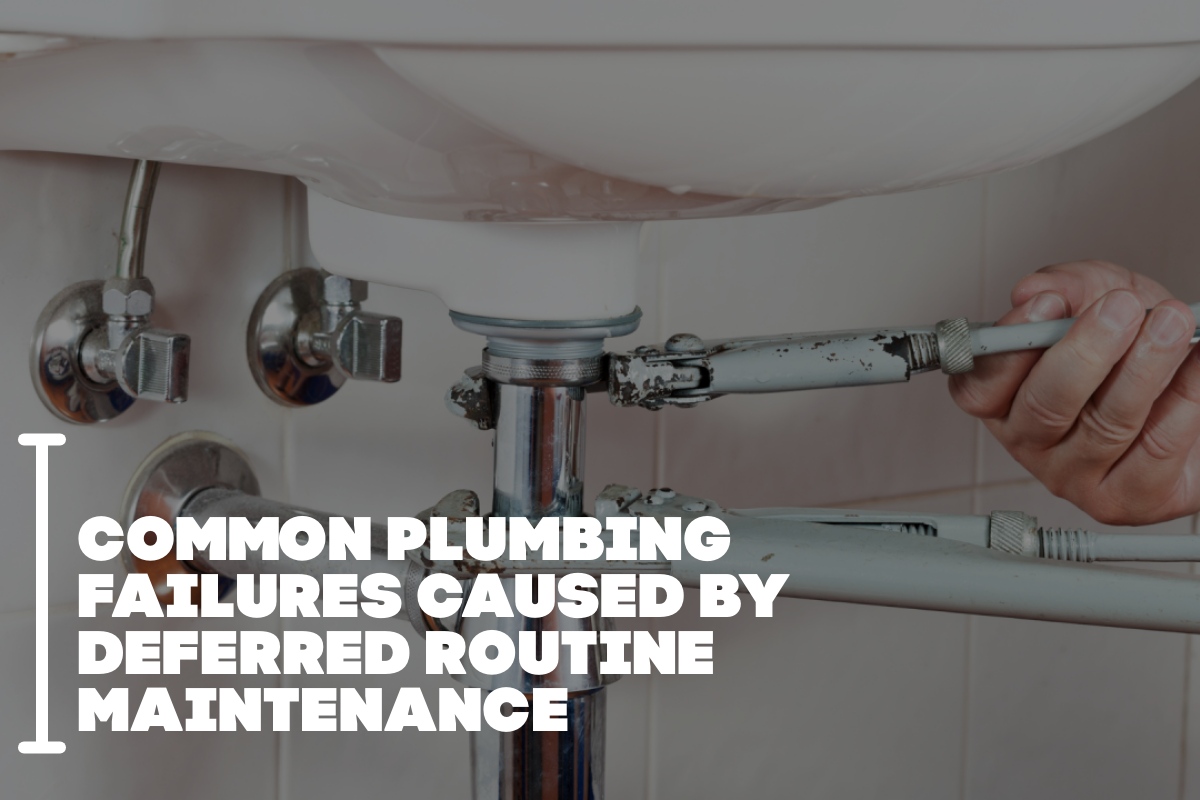
Routine plumbing maintenance is often overlooked until a visible problem occurs. However, deferring regular inspections and preventive care can lead to significant failures, costly repairs, and property damage. Plumbing systems operate continuously behind walls, under floors, and underground—making early warning signs easy to miss. Understanding common failures caused by neglected maintenance helps property owners take proactive steps to protect their infrastructure.
Pipe Corrosion and Leaks
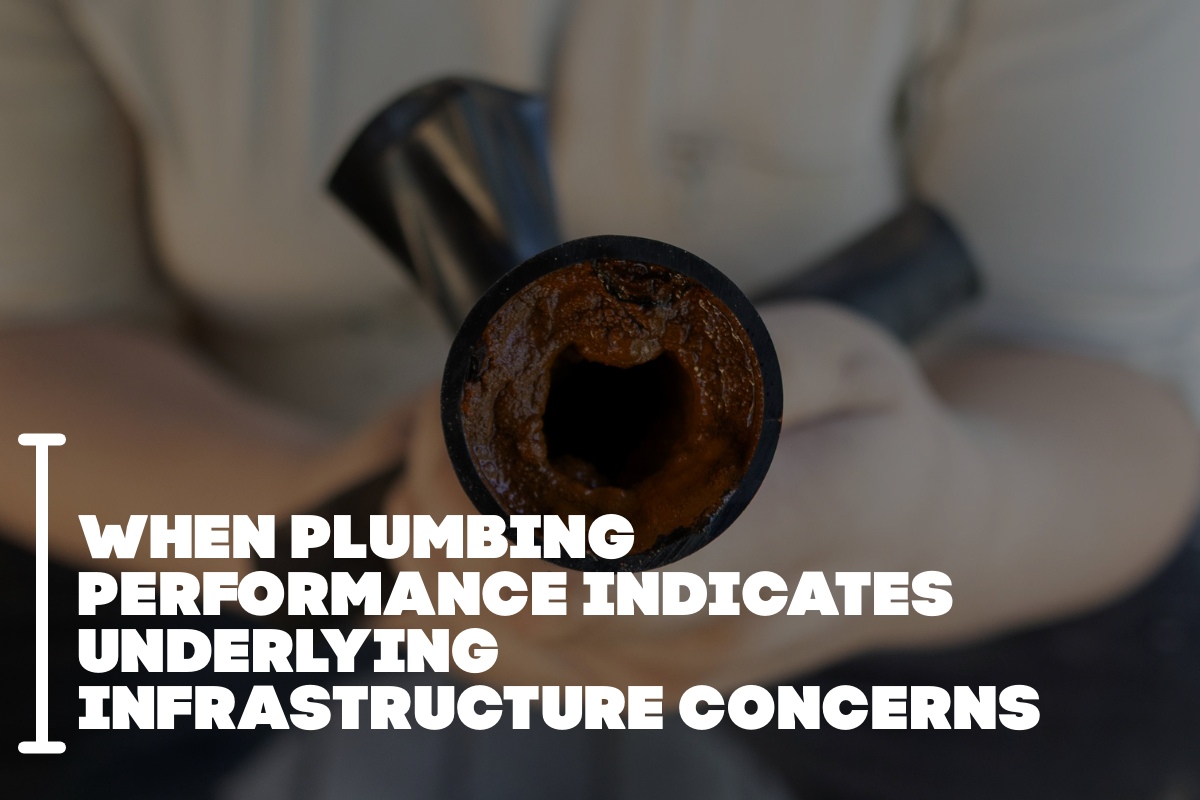
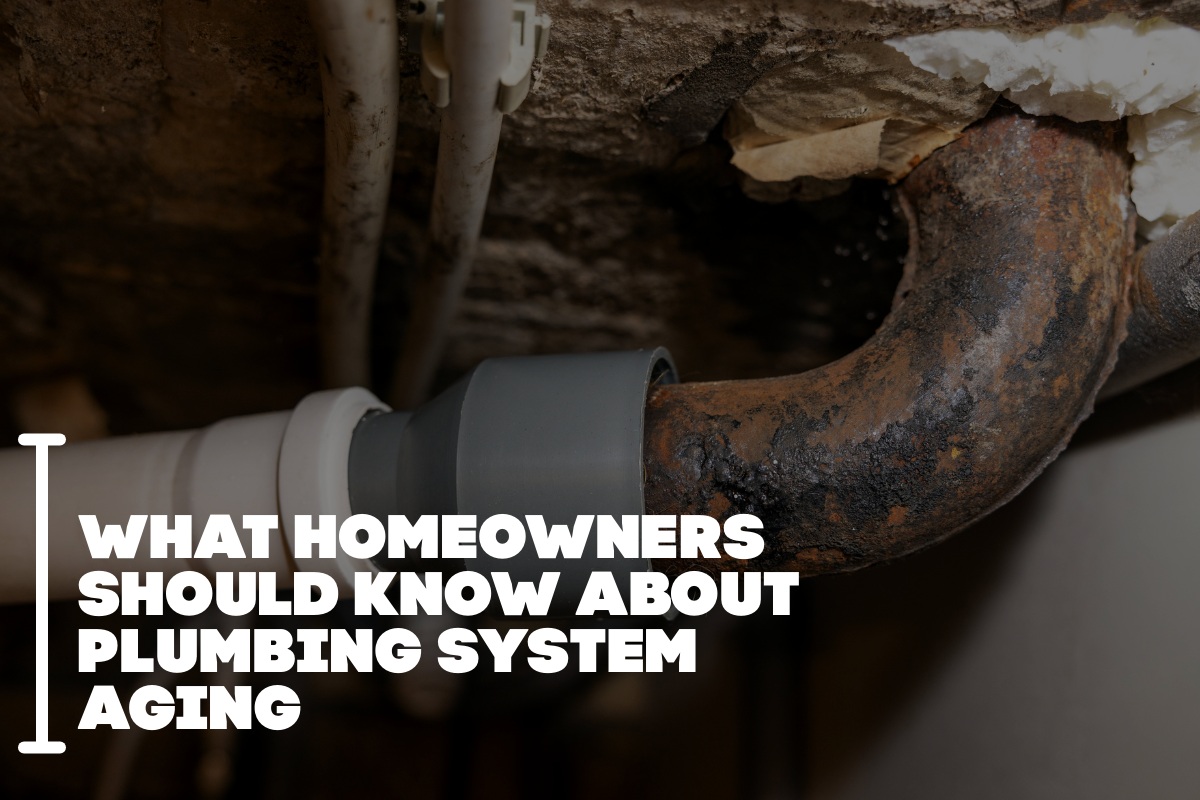
Over time, pipes naturally corrode due to water chemistry, age, and environmental conditions. Without routine inspection and treatment, minor corrosion can escalate into leaks or pipe bursts.
- Rust buildup weakening pipe walls
- Pin-hole leaks in copper piping
- Galvanized pipe deterioration
Small leaks often go unnoticed, leading to structural damage, mold growth, and higher water bills.
Clogged Drains and Sewer Backups
Drain systems accumulate grease, soap residue, hair, and debris over time. Without periodic cleaning, minor clogs can develop into severe blockages.
- Slow-draining sinks and showers
- Foul odors from buildup
- Sewage backing up into fixtures
Sewer backups are particularly hazardous, posing health risks and requiring extensive cleanup.
Water Heater Failure
Water heaters require regular flushing and inspection to prevent sediment buildup and component wear. Deferred maintenance shortens their lifespan and reduces efficiency.
- Sediment accumulation causing overheating
- Corrosion inside the tank
- Faulty pressure relief valves
Neglecting water heater maintenance can result in sudden breakdowns or even tank ruptures.
Fixture and Valve Deterioration
Faucets, shut-off valves, and toilet components experience constant use. Without periodic inspection, worn seals and gaskets can fail.
- Dripping faucets increasing water waste
- Running toilets raising utility costs
- Stuck or leaking shut-off valves
What begins as a minor drip can translate into significant water loss and higher operational expenses.
Low Water Pressure Issues
Low water pressure often signals hidden problems within the plumbing system. Deferred maintenance allows sediment and mineral deposits to restrict flow.
- Scale buildup inside pipes
- Clogged aerators and showerheads
- Undetected pipe leaks
Persistent pressure issues can indicate deeper system deterioration that requires professional intervention.
Hidden Slab and Underground Leaks
Plumbing systems beneath foundations or underground are particularly vulnerable when maintenance is neglected. Small leaks can persist undetected for months.
- Cracks in underground pipes
- Soil erosion around pipe joints
- Increased water bills without visible cause
These leaks may compromise structural integrity and require invasive, expensive repairs.
Impact of Deferred Maintenance
| Issue | Short-Term Effect | Long-Term Consequence |
|---|---|---|
| Pipe Corrosion | Minor leaks | Burst pipes and water damage |
| Drain Blockage | Slow drainage | Sewer backup and contamination |
| Water Heater Sediment | Reduced efficiency | Tank failure |
| Valve Wear | Drips and leaks | Water waste and fixture damage |
| Hidden Leaks | Slight bill increase | Structural damage |
Increased Repair Costs and Downtime
Deferred maintenance often turns manageable issues into emergency repairs. Emergency plumbing services typically cost more and may involve property disruption.
- Higher labor and material costs
- Damage to walls, flooring, and insulation
- Business or household inconvenience
Preventive maintenance is significantly more cost-effective than reactive repairs.
Preventive Maintenance Best Practices
- Annual professional plumbing inspections
- Routine drain cleaning
- Water heater flushing every 6–12 months
- Monitoring water pressure levels
- Immediate repair of minor leaks
These simple measures extend system lifespan and reduce the likelihood of major failures.
FAQs
How often should plumbing systems be inspected?
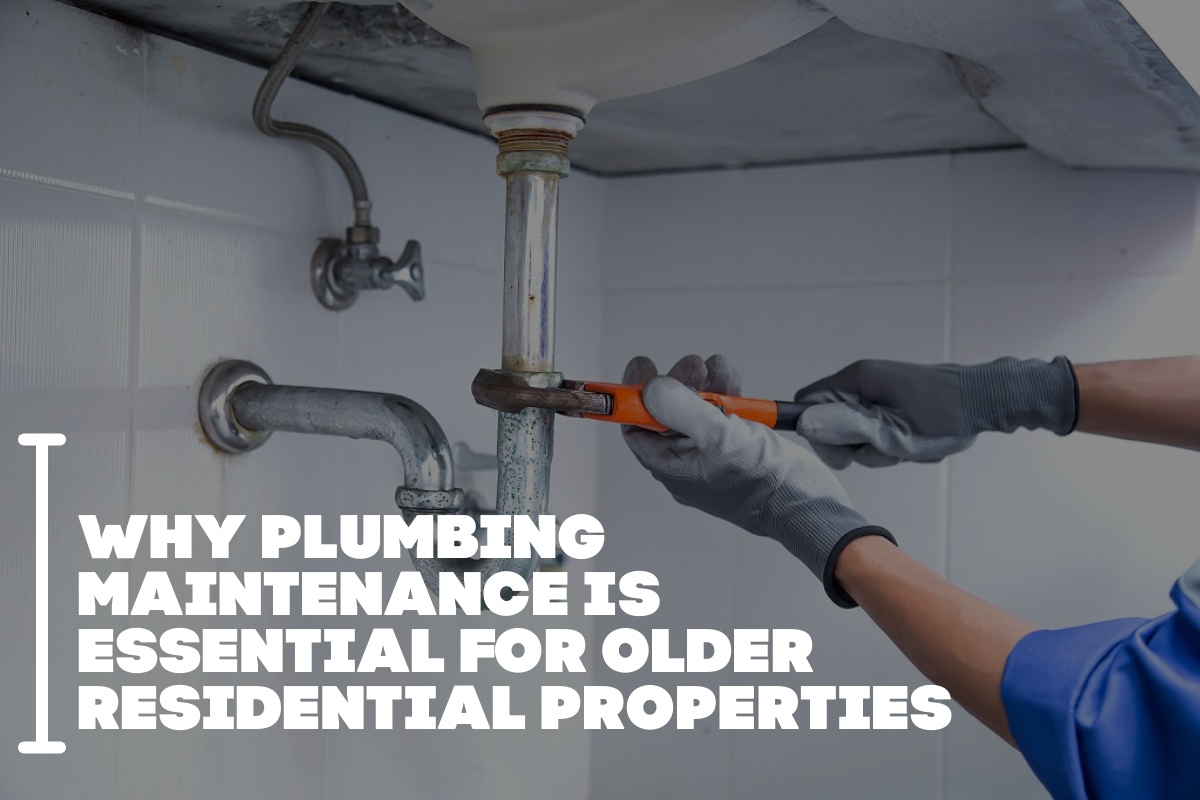
At least once a year, or more frequently for older properties and high-usage systems.
What is the most common plumbing failure due to neglect?
Pipe leaks and clogged drains are among the most frequent issues caused by deferred maintenance.
Can small leaks really cause major damage?
Yes. Even minor leaks can lead to mold growth, structural damage, and high repair costs over time.
How does sediment affect water heaters?
Sediment buildup reduces efficiency, increases strain on the tank, and can lead to premature failure.
Is preventive plumbing maintenance expensive?
No. Preventive maintenance costs are typically much lower than emergency repairs and water damage restoration.