Plumbing systems are essential to the daily functioning of homes, offices, and commercial buildings. From water supply lines to drainage systems, these networks operate continuously behind the scenes. However, neglecting routine plumbing maintenance can lead to sudden breakdowns, costly repairs, and significant disruptions. Preventive maintenance plays a crucial role in identifying minor issues early, reducing emergency repairs, and extending the lifespan of plumbing infrastructure.
The Importance of Preventive Plumbing Maintenance
Routine plumbing maintenance involves scheduled inspections, cleaning, and minor repairs to ensure systems operate efficiently. Unlike reactive repairs that address visible damage, preventive maintenance focuses on early detection and risk reduction.
Key objectives of routine maintenance include:
- Identifying leaks before they worsen
- Preventing pipe corrosion
- Maintaining water pressure stability
- Reducing blockage buildup
- Extending equipment lifespan
Proactive care minimizes the risk of unexpected failures.
Common Plumbing Issues That Cause Disruptions
Small plumbing problems often escalate when left unchecked. Routine inspections help prevent major disruptions caused by:
- Hidden pipe leaks
- Clogged drains
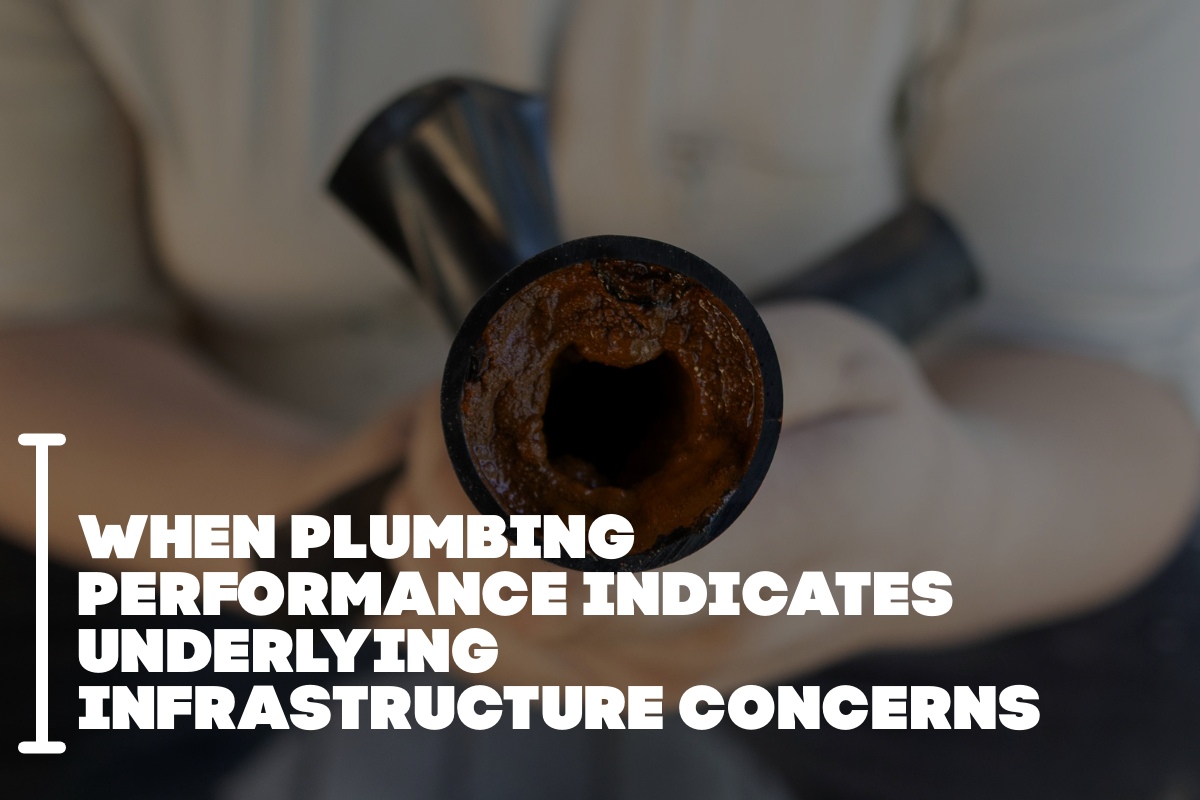
- Corroded pipes
- Faulty water heaters
- Sewer line obstructions
Even minor leaks can lead to water damage, mold growth, and structural deterioration if not addressed promptly.
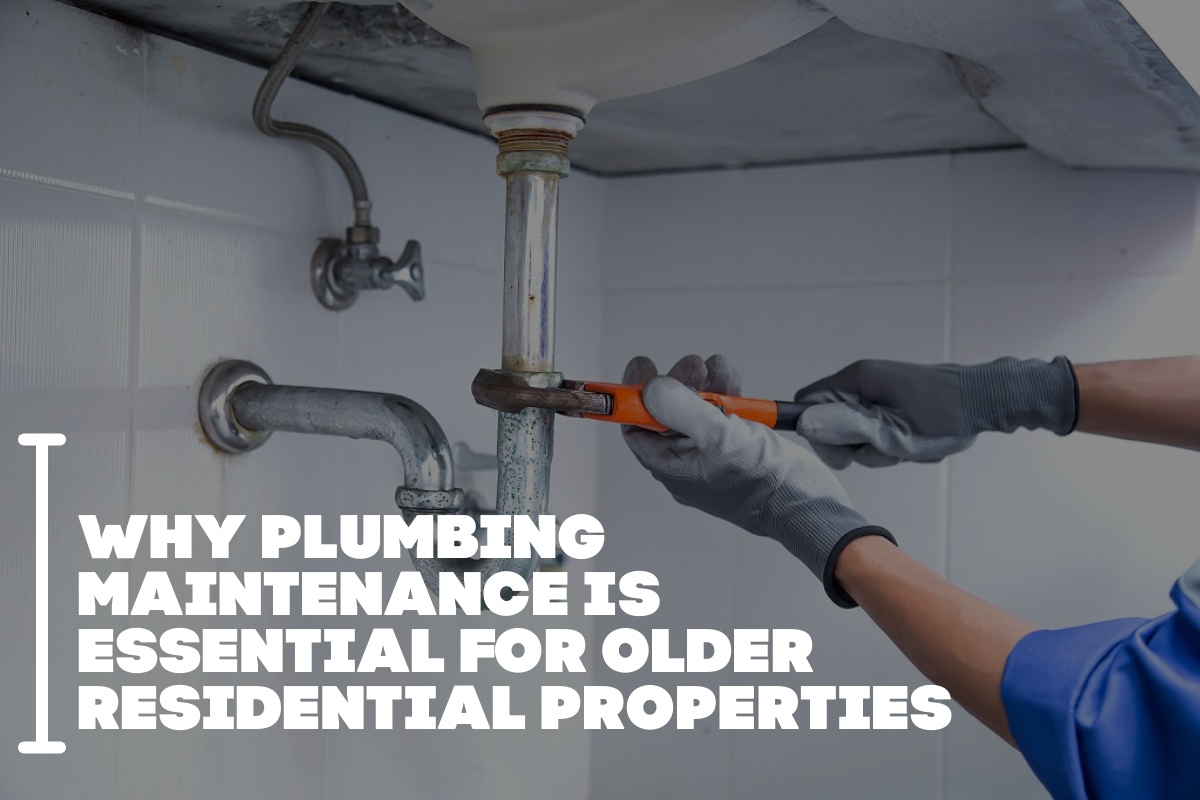
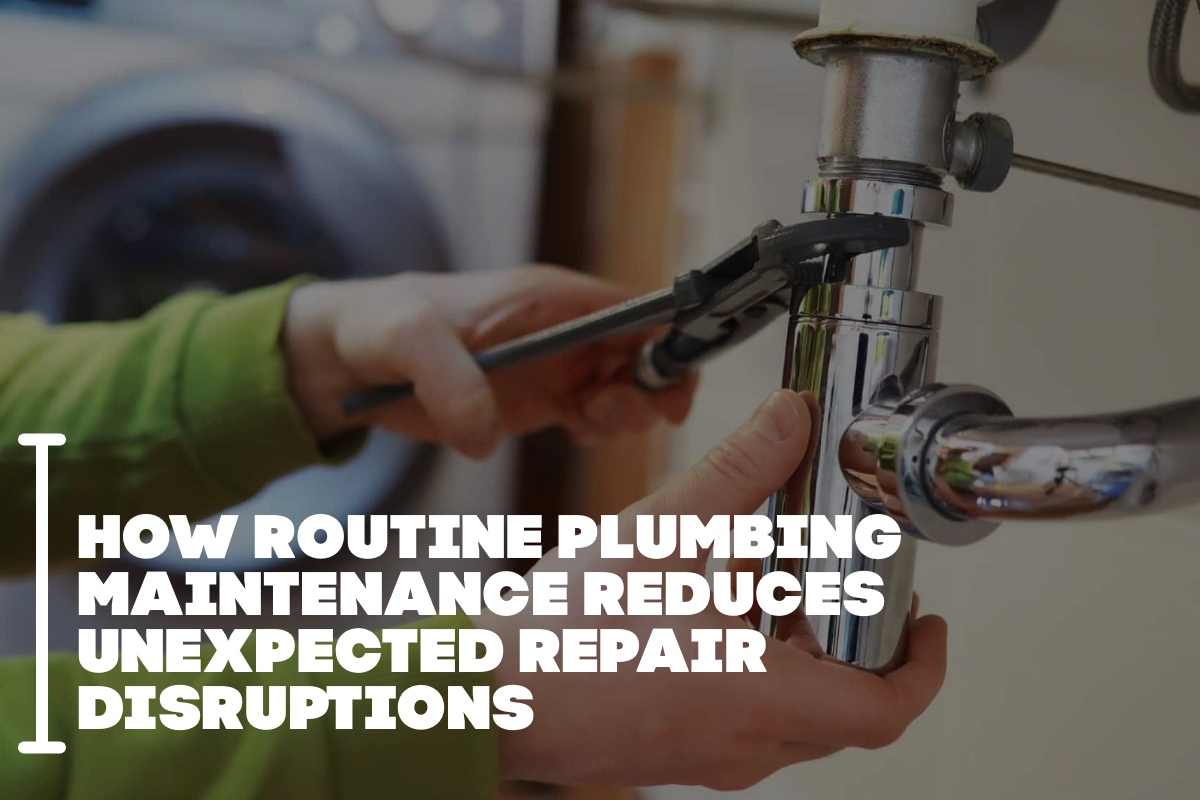
Visual Overview of Routine Plumbing Maintenance Tasks
Regular professional inspections ensure early detection of potential problems before they escalate into emergencies.
Preventive Maintenance vs. Emergency Repairs
| Maintenance Type | Preventive Approach | Emergency Repair Approach |
|---|---|---|
| Cost | Lower long-term expenses | Higher unexpected costs |
| Timing | Scheduled and planned | Sudden and disruptive |
| Damage Control | Minimal structural damage | Potential water and property damage |
| System Downtime | Limited interruption | Extended service disruption |
| Stress Level | Managed and predictable | High urgency and inconvenience |
Preventive maintenance significantly reduces the likelihood of emergency situations.
Benefits of Routine Plumbing Maintenance
1. Reduced Unexpected Breakdowns
Routine checks allow plumbers to detect worn-out components, minor leaks, or blockages before they result in major failures.
2. Lower Repair Costs
Addressing small issues early prevents expensive structural damage and emergency service fees.
3. Improved Water Efficiency
Regular inspections help identify inefficient fixtures or leaks that waste water, reducing utility bills.
4. Extended System Lifespan
Maintaining pipes, fittings, and appliances prolongs their operational life and delays costly replacements.
5. Enhanced Safety
Leaks and pipe bursts can cause electrical hazards, mold growth, and contamination. Preventive maintenance reduces these risks.
Key Areas to Monitor During Maintenance
Routine plumbing maintenance typically focuses on:
- Pipe integrity and corrosion checks
- Drain and sewer cleaning
- Water heater flushing and inspection
- Faucet and valve leak detection
- Pressure regulation testing
A comprehensive maintenance schedule ensures all components are evaluated systematically.
Early Warning Signs of Plumbing Issues
Homeowners and facility managers should watch for:
- Unusual water pressure changes
- Slow-draining sinks or bathtubs
- Unexplained water stains
- Increased water bills
- Unpleasant odors from drains
Recognizing early warning signs can prompt timely intervention.
Role of Professional Inspections
While basic maintenance can be handled by property owners, professional plumbers offer specialized tools and expertise.
Professional maintenance may include:
- Camera-based pipe inspections
- Pressure testing systems
- Advanced leak detection technology
- Preventive cleaning of sewer lines
Expert evaluations provide deeper insight into hidden issues.
Long-Term Financial and Operational Impact
Routine plumbing maintenance protects not only property infrastructure but also business continuity. In commercial settings, unexpected plumbing failures can interrupt operations, impact customer service, and result in revenue loss.
Preventive planning supports:
- Operational stability
- Predictable budgeting
- Reduced downtime
- Asset value preservation
Maintenance becomes a strategic investment rather than an expense.
FAQs
1. How often should plumbing systems be inspected?
It is generally recommended to schedule professional inspections annually, though high-use systems may require more frequent checks.
2. Can routine maintenance really prevent major plumbing failures?
Yes, early detection of small leaks or corrosion significantly reduces the risk of major pipe bursts or blockages.
3. Is plumbing maintenance expensive?
Preventive maintenance is usually far less costly than emergency repairs and property damage restoration.
4. What are the most common causes of unexpected plumbing disruptions?
Hidden leaks, clogged drains, aging pipes, and neglected water heaters are common causes.
5. Can homeowners perform basic plumbing maintenance themselves?
Yes, simple tasks like checking for leaks and cleaning drains can be done, but professional inspections provide comprehensive protection.