Winter can be one of the most challenging seasons for residential plumbing systems. Freezing temperatures, snow accumulation, and sudden cold snaps increase the risk of pipe bursts, water damage, and costly repairs.
Preventative plumbing strategies are essential for protecting homes during winter and ensuring systems function efficiently throughout the season. Taking proactive measures before temperatures drop can save homeowners significant stress, inconvenience, and repair expenses.
Why Winter Poses a Risk to Plumbing Systems
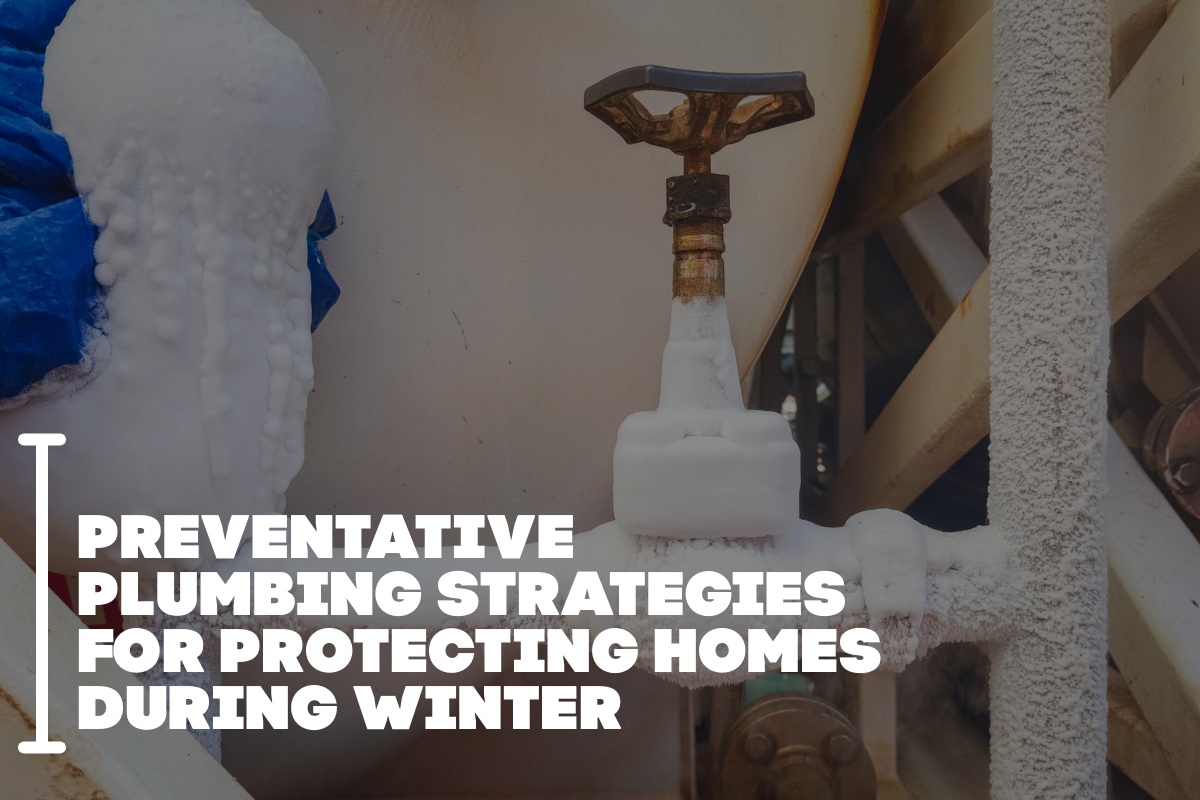
When temperatures fall below freezing (32°F or 0°C), water inside pipes can freeze and expand. This expansion creates pressure within the pipe walls, which can cause cracks or complete ruptures.
Common Winter Plumbing Risks
| Risk | Cause | Potential Damage |
|---|---|---|
| Frozen Pipes | Prolonged cold exposure | Pipe bursts and flooding |
| Outdoor Faucet Damage | Unprotected hose bibs | Cracked fittings |
| Water Heater Strain | Increased hot water use | Reduced efficiency |
| Basement Flooding | Thawing snow and ice | Structural damage |
Understanding these risks helps homeowners prepare effectively.
Insulate Exposed Pipes
Pipe insulation is one of the simplest and most effective winter prevention methods.
Focus on:
- Pipes in basements
- Crawl spaces
- Attics
- Garages
- Exterior walls
Foam pipe sleeves or fiberglass insulation reduce heat loss and prevent freezing. Even inexpensive insulation materials can significantly lower the risk of pipe bursts.
Seal Air Leaks Around Plumbing
Cold air entering through cracks or openings can quickly freeze nearby pipes.
Key areas to inspect:
- Gaps around pipe entry points
- Basement windows
- Garage walls
- Foundation cracks
Use caulk or spray foam insulation to seal openings and keep cold drafts away from plumbing lines.
Disconnect and Drain Outdoor Hoses
Outdoor plumbing fixtures are especially vulnerable during winter.
Outdoor Plumbing Protection Checklist
| Task | Why It’s Important |
|---|---|
| Disconnect garden hoses | Prevents trapped water freezing |
| Shut off exterior water valves | Stops water supply to outdoor faucets |
| Drain hose bibs | Removes residual water |
| Install faucet covers | Adds extra insulation |
Neglecting outdoor faucets is a common cause of winter pipe damage.
Maintain Indoor Temperature
Keeping your home consistently heated protects interior plumbing.
Recommendations include:
- Maintain indoor temperature above 55°F (13°C)
- Avoid turning off heat completely when traveling
- Open cabinet doors under sinks to allow warm air circulation
- Let faucets drip slightly during extreme cold
Even a small water flow can prevent pressure buildup from freezing.
Service Your Water Heater
Winter increases hot water demand for showers, dishwashing, and laundry. Ensuring your water heater operates efficiently prevents breakdowns.
Maintenance tips:
- Flush sediment buildup
- Check pressure relief valve
- Inspect for leaks
- Verify thermostat settings
Routine servicing improves performance and reduces strain during colder months.
Monitor Water Pressure
Excessive pressure combined with freezing conditions can increase pipe stress.
Ideal residential water pressure ranges between 40–60 PSI. Installing a pressure regulator helps maintain safe levels and protects plumbing components.
Prepare for Snowmelt and Drainage
As snow accumulates and melts, water must flow away from your foundation.
Preventative steps:
- Clear gutters and downspouts
- Ensure proper yard drainage
- Check sump pump operation
- Remove snow buildup near foundation walls
Effective drainage reduces the risk of basement flooding.
Know the Location of Your Main Water Shutoff Valve
In case a pipe bursts, immediate action can minimize water damage.
Homeowners should:
- Locate the main shutoff valve
- Ensure it is easily accessible
- Test it periodically
- Teach household members how to use it
Quick response can significantly reduce repair costs.
Warning Signs of Frozen Pipes
Early detection prevents major damage.
Signs include:
- Reduced or no water flow
- Frost on visible pipes
- Strange odors from drains
- Unusual noises when turning on faucets
If you suspect freezing, use gentle heat (such as a hair dryer) to thaw pipes safely—never use open flames.
Long-Term Investment in Freeze-Resistant Plumbing
Homeowners in colder climates may consider:
- Frost-free outdoor faucets
- PEX piping (more flexible than copper)
- Smart leak detection systems
- Pipe heating cables
Modern plumbing materials and technologies offer additional winter protection.
Preventative plumbing strategies are essential for protecting homes during winter. Insulating exposed pipes, sealing air leaks, maintaining indoor warmth, servicing water heaters, and preparing outdoor plumbing fixtures significantly reduce the risk of damage.
Proactive preparation not only prevents costly repairs but also ensures your plumbing system operates safely and efficiently throughout the cold season. With proper winterization measures, homeowners can safeguard their property and enjoy peace of mind even during extreme weather conditions.
FAQs
1. At what temperature do pipes typically freeze?
Pipes are at risk of freezing when temperatures fall below 32°F (0°C), especially with prolonged exposure.
2. Should I leave faucets dripping during extreme cold?
Yes, allowing a small drip helps relieve pressure and reduces the likelihood of freezing.
3. How can I tell if a pipe has burst?
Signs include sudden water leaks, water stains, low water pressure, or visible cracks in pipes.
4. Is pipe insulation expensive?
No, foam insulation sleeves are affordable and easy to install.
5. Can turning off the heat damage plumbing?
Yes, shutting off heat during winter can cause pipes to freeze and burst, leading to serious water damage.