Plumbing systems are designed to operate quietly and efficiently in the background of daily life. When performance begins to decline—through low water pressure, frequent clogs, or unexplained leaks—it often signals more than a minor inconvenience.
In many cases, these symptoms indicate deeper infrastructure concerns within the home or even the municipal water system. Recognizing the warning signs early can prevent structural damage, health hazards, and costly repairs.
Understanding Plumbing Performance Indicators
Changes in plumbing performance rarely occur without reason. Pipes, fixtures, and sewer lines are part of a larger interconnected infrastructure. When one component weakens, it can affect the entire system.
Common performance indicators include:
- Persistent low water pressure
- Recurring drain blockages
- Discolored or foul-smelling water
- Unusual pipe noises (banging or rattling)
- Sudden spikes in water bills
- Slow drainage across multiple fixtures
When multiple symptoms appear simultaneously, the issue may extend beyond a single fixture and point toward systemic infrastructure problems.
Low Water Pressure and Aging Pipe Systems
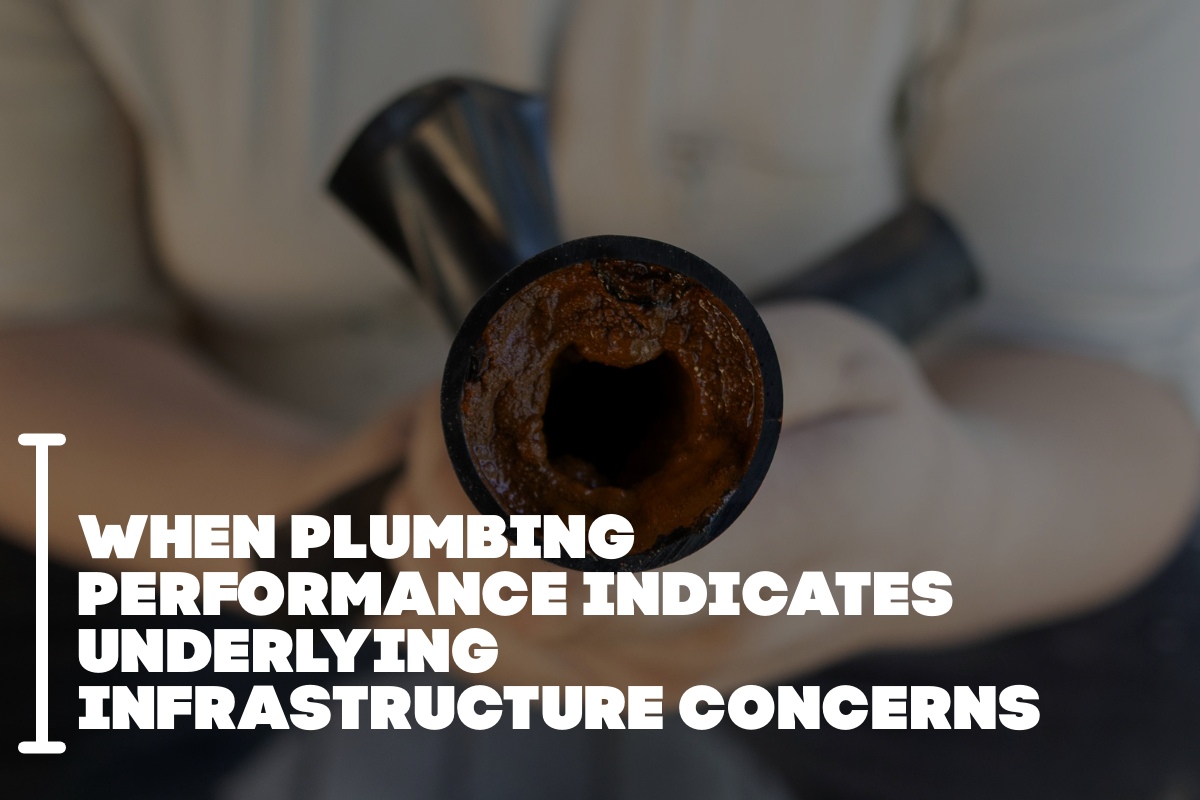
Low water pressure is one of the most common signs of underlying infrastructure deterioration. While minor clogs can reduce flow, widespread pressure loss may indicate pipe corrosion, mineral buildup, or municipal supply issues.
Potential Causes of Low Pressure
| Cause | Infrastructure Concern | Risk Level |
|---|---|---|
| Corroded pipes | Aging plumbing network | Moderate to High |
| Hidden leaks | Structural water damage | High |
| Municipal supply disruption | External infrastructure limitations | Variable |
| Sediment buildup | Long-term mineral accumulation | Moderate |
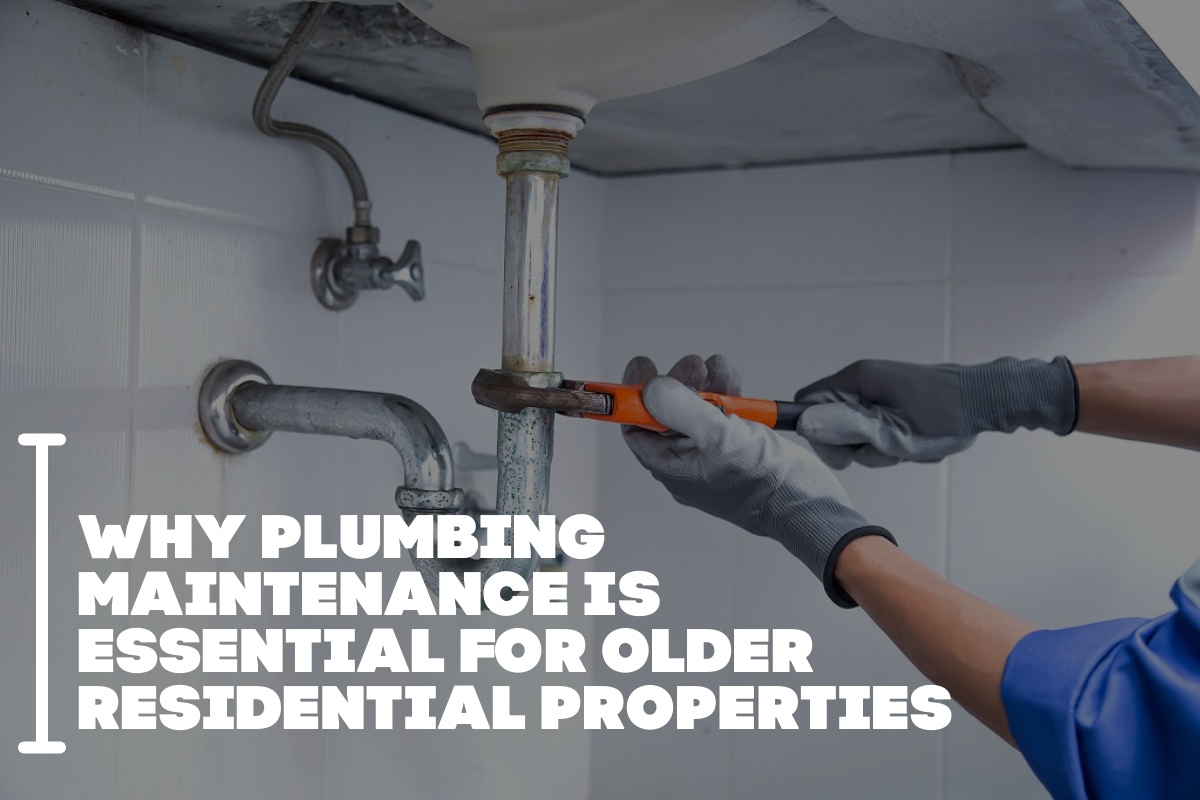
Homes with older galvanized steel pipes are particularly vulnerable. Over time, internal corrosion narrows the pipe diameter, restricting water flow and increasing the likelihood of leaks.
Recurring Drain Issues and Sewer Line Problems
Frequent drain clogs are often dismissed as routine plumbing annoyances. However, if multiple drains back up simultaneously, the issue may stem from a compromised sewer line.
Common infrastructure-related causes include:
- Tree root intrusion into underground pipes
- Collapsed or cracked sewer lines
- Improper pipe slope or shifting soil
- Accumulated debris in aging municipal lines
Sewer line damage can lead to wastewater backups, posing serious health and sanitation risks. Early inspection using camera diagnostics can identify these structural concerns before they escalate.
Water Discoloration and Contamination Risks
Brown, yellow, or cloudy water is a clear signal that something is wrong within the infrastructure. Discoloration may originate from rusting pipes, sediment disturbance, or contamination within the municipal supply system.
Possible Sources of Discolored Water
- Corrosion inside aging pipes
- Water heater sediment accumulation
- Disturbances in municipal water mains
- Iron or mineral buildup
Beyond aesthetics, contaminated water may affect health and damage appliances. Testing and professional assessment are critical when discoloration persists.
Unusual Noises and Pressure Imbalances
Banging or rattling pipes—often referred to as “water hammer”—can indicate pressure regulation problems. Excessive water pressure stresses joints, valves, and fixtures, potentially leading to leaks or pipe bursts.
Infrastructure-related causes include:
- Faulty pressure regulators
- Air trapped in pipes
- Poor pipe anchoring
- Municipal pressure fluctuations
Left unaddressed, these issues compromise the structural integrity of the plumbing system.
Hidden Leaks and Structural Damage
Undetected leaks are among the most serious infrastructure concerns. Small cracks or joint failures can cause gradual water seepage behind walls or under flooring.
Warning signs include:
- Damp drywall or ceilings
- Mold or mildew odors
- Warped flooring
- Unexplained increases in water usage
Over time, moisture intrusion weakens structural components and creates ideal conditions for mold growth.
When Municipal Infrastructure Is the Problem
Not all plumbing issues originate within the home. Sometimes, municipal water mains, aging city sewer systems, or pressure inconsistencies contribute to performance problems.
Indicators of external infrastructure concerns:
- Neighborhood-wide water pressure drops
- Simultaneous water discoloration in nearby homes
- Road construction affecting underground lines
- Frequent water main repairs in the area
In such cases, homeowners should contact local water authorities while also verifying that internal systems are intact.
Preventive Measures and Professional Assessment
Proactive monitoring is essential when plumbing performance declines. Early detection prevents costly structural damage and improves long-term system reliability.
Recommended Actions
- Schedule annual plumbing inspections
- Conduct sewer camera inspections for recurring clogs
- Install pressure regulators if needed
- Replace outdated piping materials
- Test water quality periodically
- Address minor leaks immediately
Professional evaluation ensures accurate diagnosis and targeted repairs rather than temporary fixes.
FAQs
What are the first signs of infrastructure-related plumbing problems?
Common early signs include persistent low water pressure, recurring clogs, discolored water, and unexplained water bill increases.
Can aging pipes cause health concerns?
Yes. Corroded pipes may introduce rust or contaminants into the water supply, affecting both water quality and safety.
How do I know if the issue is municipal or inside my home?
If neighbors experience similar problems simultaneously, the issue may be municipal. Otherwise, internal plumbing infrastructure is likely the cause.
Is sewer line damage always visible?
No. Sewer line problems often occur underground and require professional camera inspections for accurate diagnosis.
Should older homes replace plumbing systems proactively?
Homes with outdated materials such as galvanized steel pipes should consider upgrades to prevent leaks, corrosion, and long-term infrastructure failures.