Plumbing systems are one of the most essential yet overlooked parts of a home. Because pipes, valves, and fixtures are often hidden behind walls or under floors, problems can develop quietly and worsen over time.
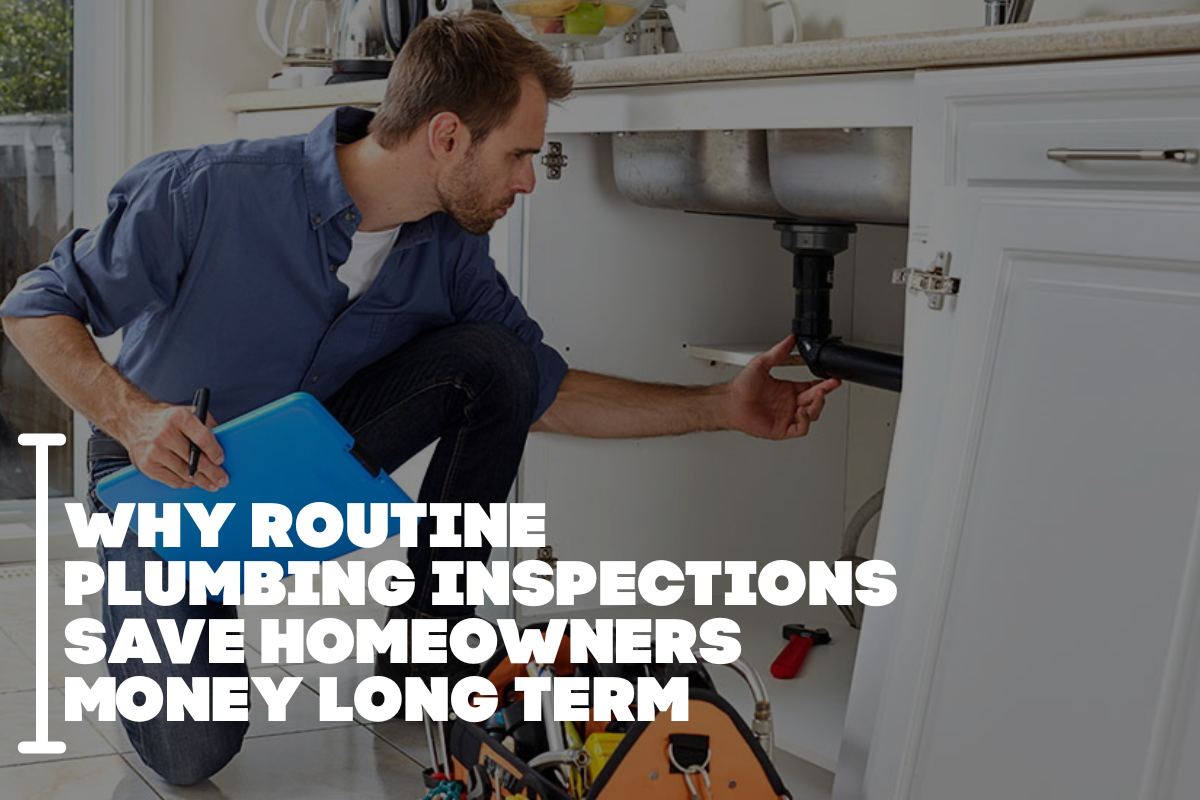
Routine plumbing inspections may seem unnecessary when everything appears to be working, but they play a critical role in preventing costly repairs and protecting a home’s long-term value. Investing in regular inspections is one of the most effective ways homeowners can save money over time.
Early Detection Prevents Expensive Repairs
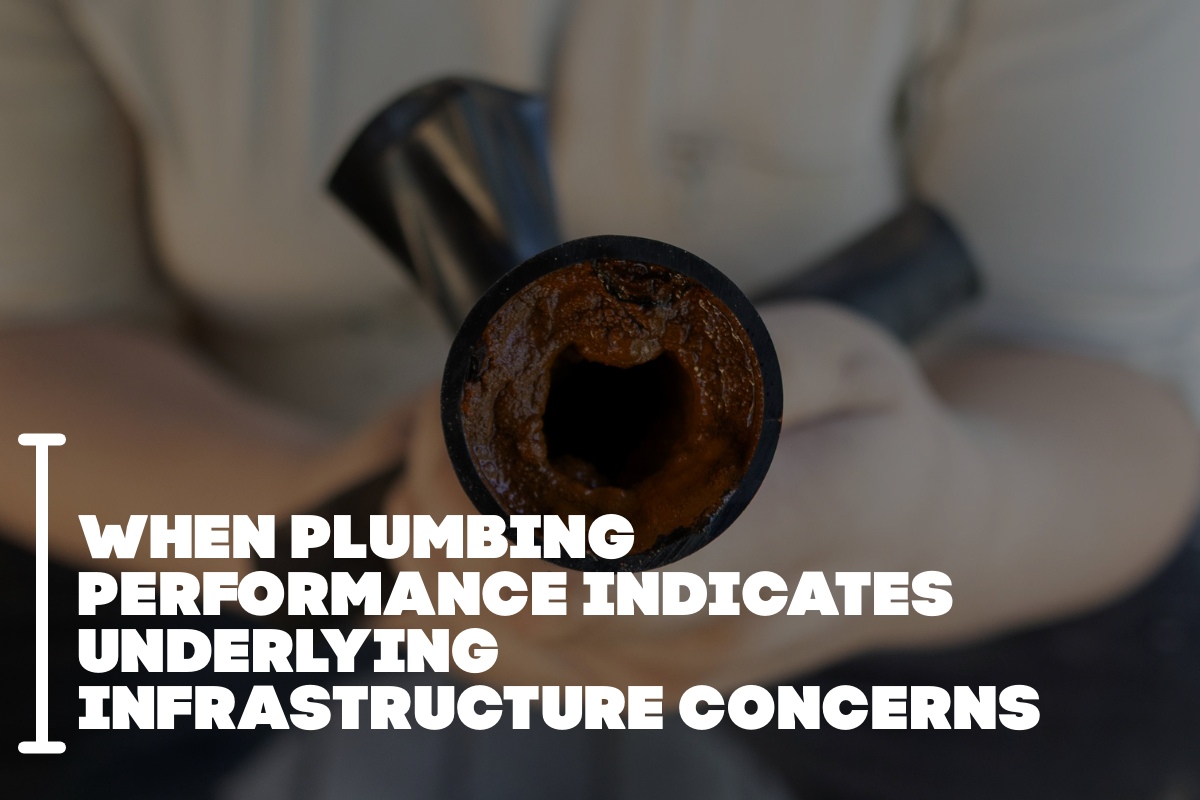
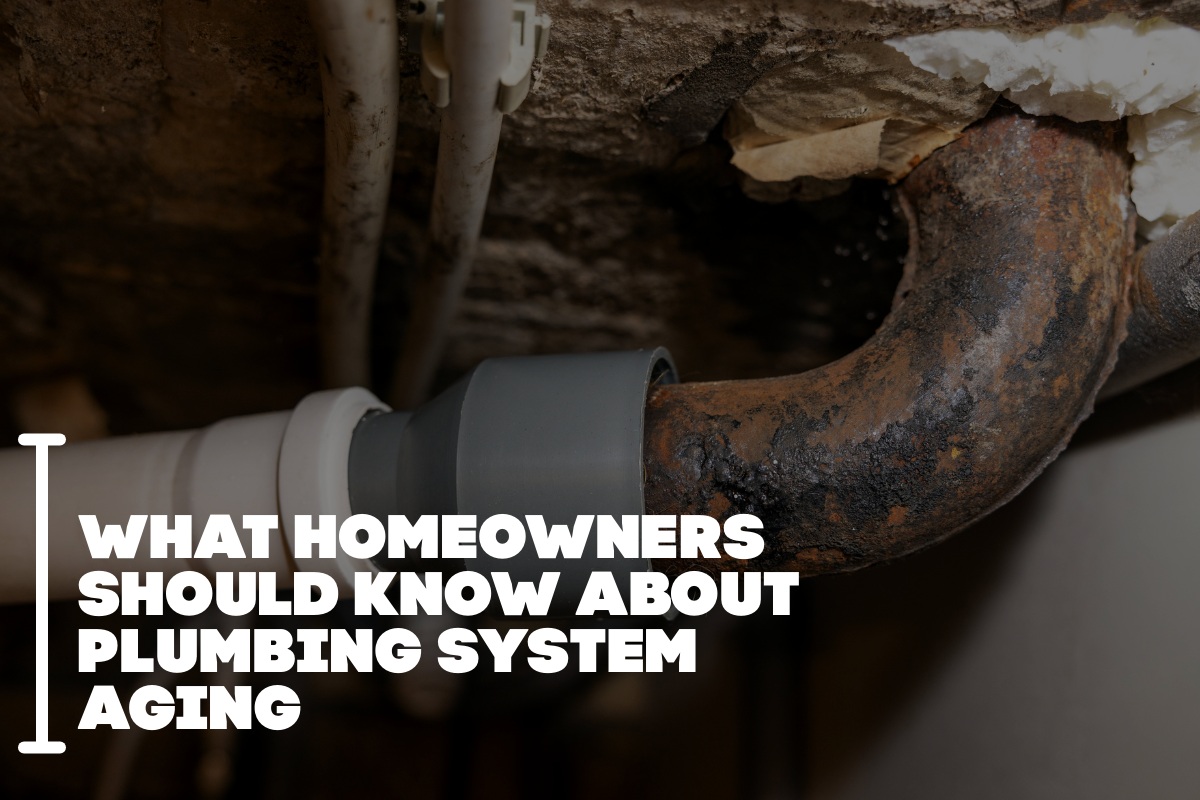
One of the primary financial benefits of routine plumbing inspections is early problem detection. Small issues such as minor leaks, corrosion, or loose fittings often go unnoticed until they cause visible damage. Left unaddressed, these small problems can escalate into burst pipes, water damage, or mold growth, all of which are expensive to repair.
Routine inspections allow plumbers to identify these early warning signs and address them before they turn into major failures. Fixing a small leak or replacing a worn seal is far less costly than repairing water-damaged walls, flooring, or structural components.
Reduced Risk of Emergency Plumbing Costs
Emergency plumbing situations are not only stressful but also expensive. After-hours service calls, urgent repairs, and extensive damage restoration can significantly increase costs. Routine inspections reduce the likelihood of sudden plumbing emergencies by ensuring that vulnerable components are maintained and reinforced.
When homeowners proactively maintain their plumbing systems, they gain peace of mind knowing that pipes and fixtures are less likely to fail unexpectedly. Avoiding emergencies helps keep repair costs predictable and manageable.
Lower Water Bills Through Improved Efficiency
Hidden leaks and inefficient fixtures can cause water bills to rise gradually, often without homeowners realizing why. Routine plumbing inspections help identify leaks in pipes, toilets, faucets, and outdoor plumbing systems that may be wasting water.
By addressing inefficiencies early, homeowners reduce unnecessary water usage and lower monthly utility costs. Over time, these savings can add up significantly, especially in homes with older plumbing systems.
Extending the Lifespan of Plumbing Systems
Like any home system, plumbing components experience wear and tear over time. Routine inspections help ensure that pipes, water heaters, and fixtures are operating under optimal conditions. Regular maintenance, such as checking water pressure and inspecting pipe materials, helps prevent premature failure.
Extending the lifespan of plumbing systems delays the need for costly replacements. Replacing an entire piping system or water heater is a major expense, and inspections help homeowners maximize the value of their existing infrastructure.
Preventing Water Damage and Mold Growth
Water damage is one of the most expensive and disruptive issues homeowners face. Even small leaks can lead to mold growth, weakened structures, and damaged finishes if left unchecked. Mold remediation and structural repairs can cost thousands of dollars and may not be fully covered by insurance.
Routine plumbing inspections help catch leaks early, reducing the risk of long-term moisture exposure. Preventing water damage protects not only the home’s structure but also indoor air quality and occupant health.
Protecting Property Value
A well-maintained plumbing system contributes to overall property value. During home inspections for resale, plumbing issues are common red flags for buyers and can lead to lower offers or costly repair negotiations. Routine inspections help ensure that plumbing systems remain in good condition, supporting smoother transactions and stronger resale value.
Homes with documented maintenance histories often inspire greater buyer confidence, which can translate into better market outcomes.
Supporting Insurance and Warranty Coverage
Some homeowner insurance policies and plumbing warranties require evidence of regular maintenance. Routine inspections provide documentation that systems have been properly cared for, which can be valuable when filing claims or maintaining coverage.
In the event of damage, proof of preventive maintenance may help homeowners avoid claim disputes related to neglect or deferred repairs.
A Smart Long-Term Investment
While routine plumbing inspections involve a modest upfront cost, they offer substantial long-term financial benefits. By preventing emergencies, reducing water waste, extending system lifespan, and avoiding structural damage, inspections help homeowners save money and protect their investment.
Saving More by Staying Proactive
Routine plumbing inspections are not just about fixing problems; they are about preventing them. Homeowners who adopt a proactive approach to plumbing maintenance benefit from lower repair costs, greater efficiency, and long-term peace of mind. Over time, the savings far outweigh the cost of inspections, making them a smart and responsible choice for any homeowner.
FAQs
How often should homeowners schedule plumbing inspections?
Most homes benefit from a professional plumbing inspection once a year, or more often for older properties.
Are plumbing inspections expensive?
Inspections are relatively affordable compared to emergency repairs and major water damage restoration.
Can inspections really prevent major plumbing failures?
Yes, many major failures start as small, detectable issues that inspections can catch early.
Do new homes need routine plumbing inspections?
Yes, even new homes can develop issues such as improper installation or early wear that inspections can identify.
Is routine plumbing maintenance worth the cost?
Absolutely. Preventive inspections often save homeowners thousands of dollars by avoiding major repairs and water damage.