Many homes still rely on plumbing systems installed decades ago, often hidden behind walls and beneath floors. While these systems may appear to function adequately on the surface, aging plumbing can significantly affect modern home performance. From water efficiency and indoor air quality to maintenance costs and property value, outdated plumbing influences how comfortably, safely, and efficiently a home operates in today’s standards.
Aging Materials and Their Hidden Risks
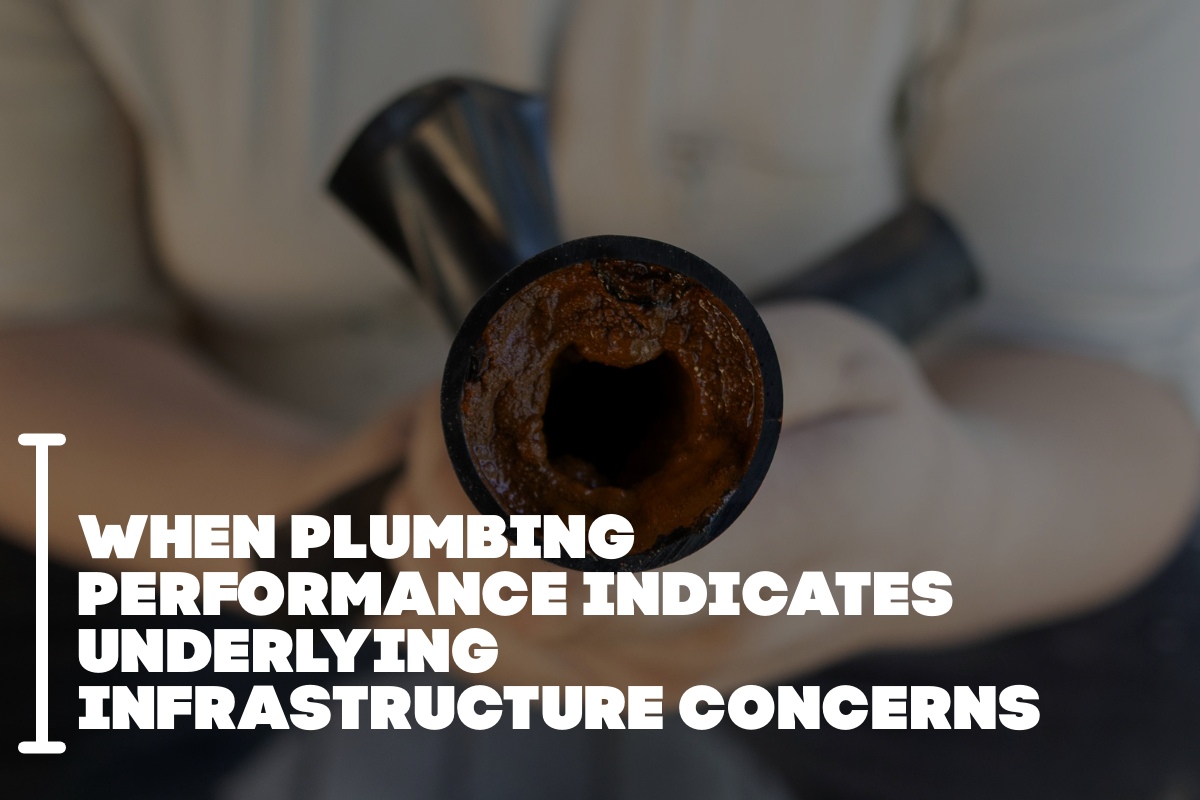
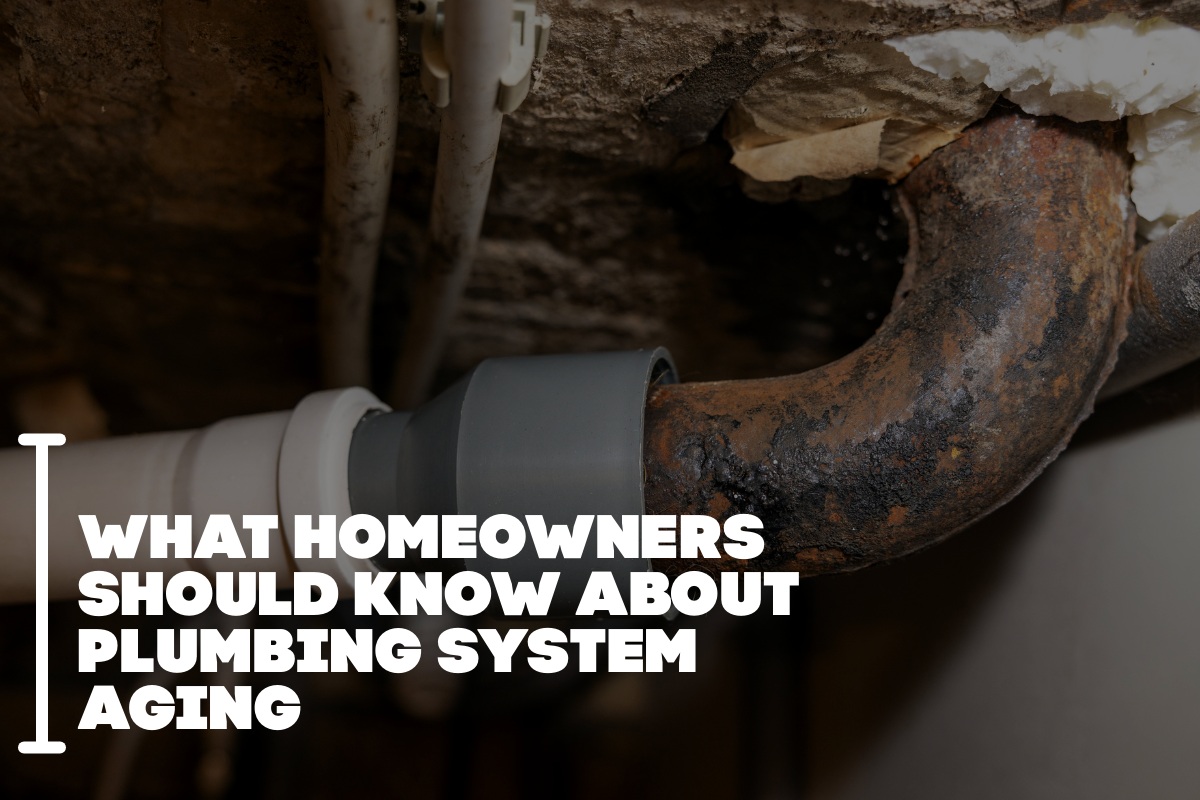
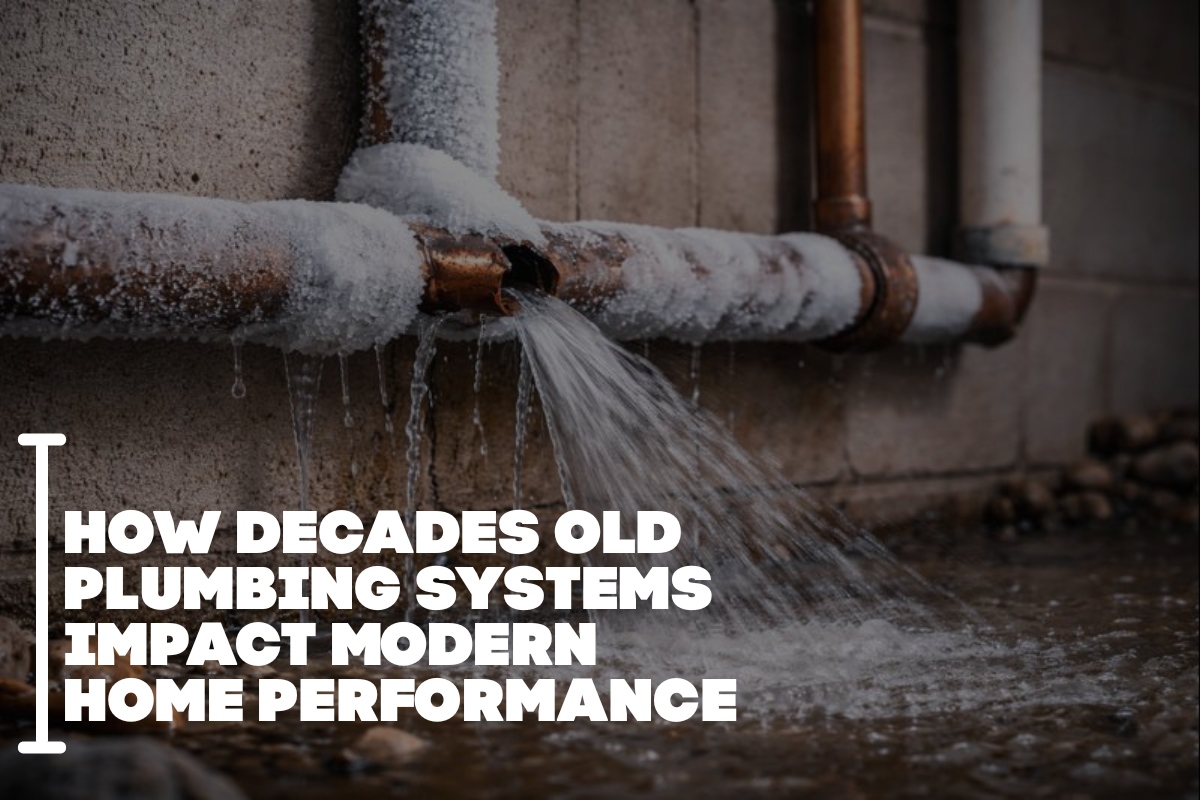
Older plumbing systems were commonly built using materials such as galvanized steel, cast iron, or early copper piping. Over time, these materials deteriorate. Galvanized pipes corrode internally, restricting water flow and reducing pressure. Cast iron drainpipes are prone to rust, cracking, and eventual collapse, which can lead to leaks and sewage issues.
As pipes age, microscopic corrosion and mineral buildup may go unnoticed until problems become severe. These hidden risks can compromise water delivery, increase the likelihood of leaks, and create conditions for mold growth behind walls, affecting overall home health.
Reduced Water Pressure and Efficiency
One of the most noticeable impacts of old plumbing is reduced water pressure. Mineral deposits and corrosion narrow pipe interiors, limiting water flow to faucets, showers, and appliances. This reduction affects daily comfort and also forces fixtures and appliances to work harder, reducing their efficiency and lifespan.
Modern homes are designed with water-efficient appliances that rely on consistent pressure to function properly. Aging plumbing systems often cannot support these systems effectively, resulting in poor performance, longer fill times, and increased wear on appliances such as washing machines and dishwashers.
Water Quality and Health Concerns
Old plumbing systems can negatively affect water quality. Corroded pipes may introduce rust, sediment, or metallic tastes into drinking water. In some older homes, plumbing materials or solder may contain harmful substances that pose health risks over time.
Additionally, leaks caused by aging pipes can lead to stagnant water and moisture buildup, creating environments conducive to bacterial growth. Poor water quality not only affects drinking and cooking but also bathing, laundry, and overall household hygiene.
Increased Maintenance and Repair Costs
Decades-old plumbing systems often require frequent repairs. Small leaks, slow drains, and pipe failures become more common as materials weaken. While individual repairs may seem manageable, recurring issues can quickly become costly and disruptive.
Emergency repairs are particularly expensive and often cause collateral damage to walls, flooring, and cabinetry. Over time, the cumulative cost of maintaining an aging system may exceed the cost of a planned plumbing upgrade, making outdated systems financially inefficient in the long run.
Compatibility With Modern Home Upgrades
Modern homes increasingly integrate advanced features such as tankless water heaters, high-efficiency boilers, smart leak detection systems, and eco-friendly fixtures. Old plumbing systems may not be compatible with these upgrades due to pipe size limitations, pressure inconsistencies, or material constraints.
Attempting to connect modern systems to outdated plumbing can reduce performance benefits and increase failure risk. In contrast, updated plumbing infrastructure supports technological integration, energy efficiency, and long-term adaptability.
Impact on Energy Efficiency and Sustainability
Plumbing systems play a key role in energy efficiency. Leaking hot water pipes waste energy, while inefficient water delivery increases demand on water heaters. Older systems may lack insulation or proper design to minimize heat loss, resulting in higher energy bills.
From a sustainability perspective, aging plumbing often contributes to water waste through undetected leaks and inefficient flow. Modern plumbing designs prioritize conservation, helping households reduce environmental impact while maintaining performance.
Property Value and Home Performance Perception
The condition of a home’s plumbing system significantly influences property value. Buyers and inspectors often view outdated plumbing as a major liability, even if no immediate problems are visible. Homes with aging systems may face lower appraisals, extended time on the market, or demands for repair credits.
Beyond resale value, plumbing performance affects daily living quality. Reliable water pressure, clean water, and efficient drainage contribute to a home’s overall functionality and comfort.
Decades-old plumbing systems can quietly undermine modern home performance through reduced efficiency, increased costs, health risks, and limited compatibility with contemporary upgrades.
While these systems may continue to function in the short term, their long-term impact often outweighs the perceived savings of delaying replacement. Investing in updated plumbing infrastructure enhances comfort, safety, efficiency, and property value, aligning older homes with modern performance expectations.
FAQs
How long do typical plumbing systems last?
Most plumbing materials last between 40 and 70 years, depending on material type, water quality, and maintenance.
What are common signs of aging plumbing?
Low water pressure, discolored water, frequent leaks, slow drains, and recurring repairs are common indicators.
Can old plumbing affect water quality?
Yes, corrosion and sediment buildup in old pipes can contaminate water and affect taste, safety, and hygiene.
Is it better to repair or replace old plumbing?
Frequent repairs often cost more over time; replacement is usually more cost-effective for systems nearing the end of their lifespan.
Does updating plumbing increase home value?
Yes, modern plumbing improves efficiency, reduces buyer concerns, and can positively impact resale value.