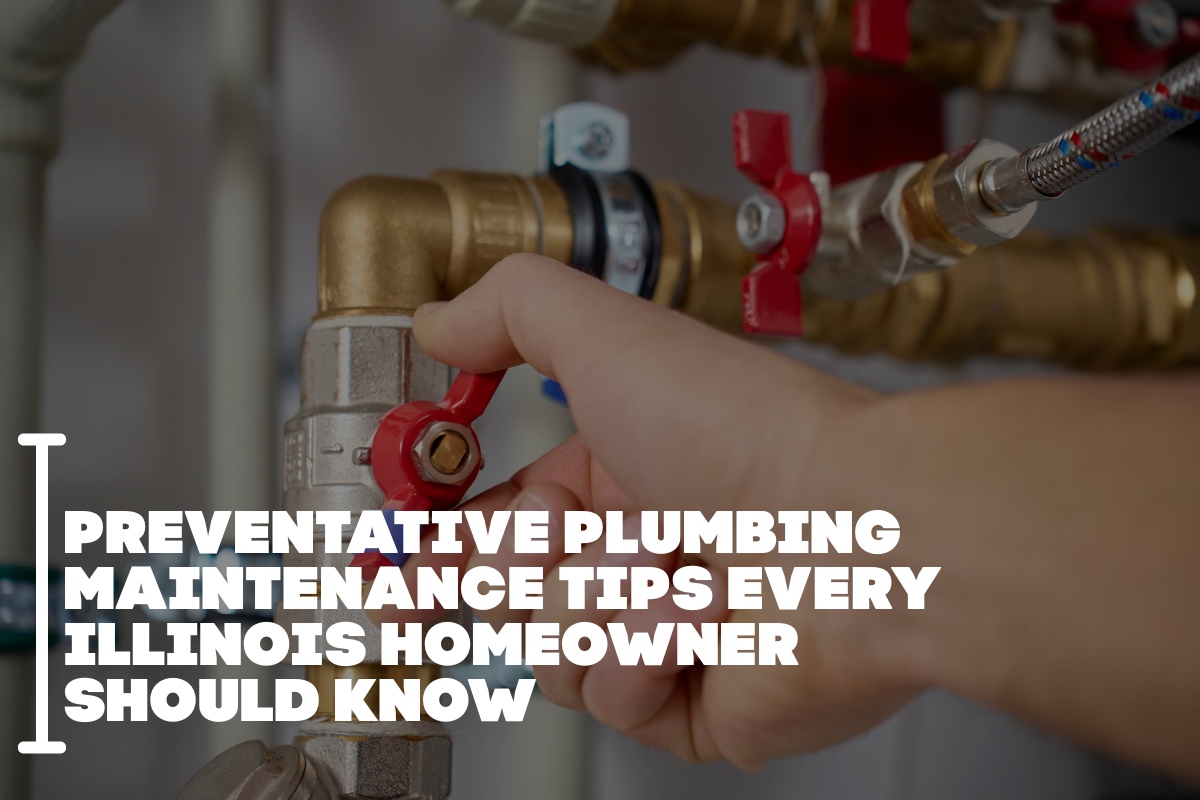
Plumbing problems can cause major disruptions in daily life, leading to costly repairs and extensive damage. In Illinois, where the weather can vary drastically between seasons, preventative plumbing maintenance is especially important to ensure your system functions well year-round.
The extreme cold during winters and the occasional heat during summers can put additional stress on pipes and fixtures, making them prone to clogs, leaks, and damage. By taking proactive steps, Illinois homeowners can avoid costly emergency repairs and ensure the longevity of their plumbing systems.
Here are some essential preventative plumbing maintenance tips for Illinois homeowners:
1. Insulate Pipes to Prevent Freezing
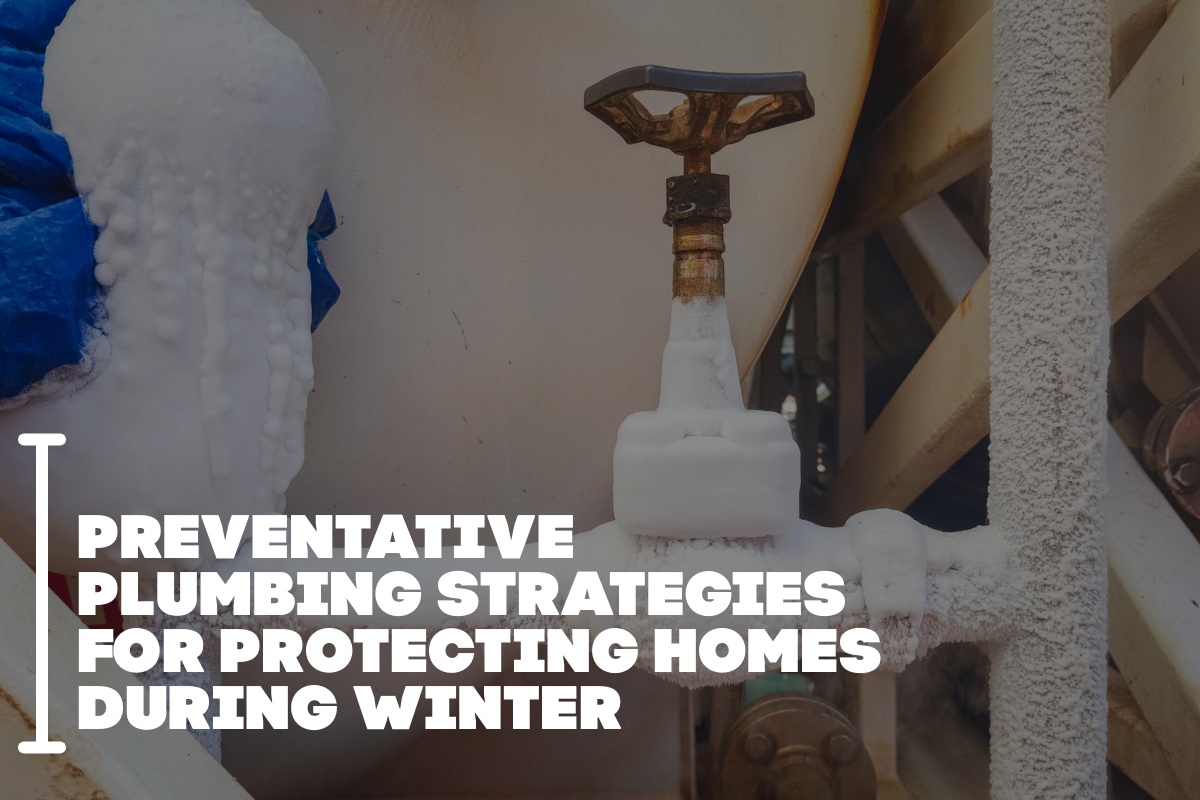
Winter temperatures in Illinois can drop well below freezing, putting your plumbing at risk. Pipes that are not properly insulated are susceptible to freezing, which can cause them to burst and lead to significant water damage. Insulating your pipes, especially those in unheated areas like basements, attics, and garages, is crucial for preventing freezing during the winter months.
Steps to Insulate Pipes:
- Use foam pipe insulation sleeves or fiberglass insulation to cover exposed pipes.
- For pipes in attics or basements, consider using heat tape or cable that can warm up the pipes and prevent them from freezing.
- Ensure there are no gaps or cracks in the insulation, especially near joints or valves.
If a cold snap is expected, allow faucets to drip slightly. This keeps water moving through the pipes, reducing the likelihood of freezing.
2. Check for Leaks Regularly
Even a small leak can waste a significant amount of water over time, leading to higher utility bills and potential water damage. Regularly check your plumbing fixtures, pipes, and appliances to ensure everything is intact and functioning properly.
Areas to Inspect for Leaks:
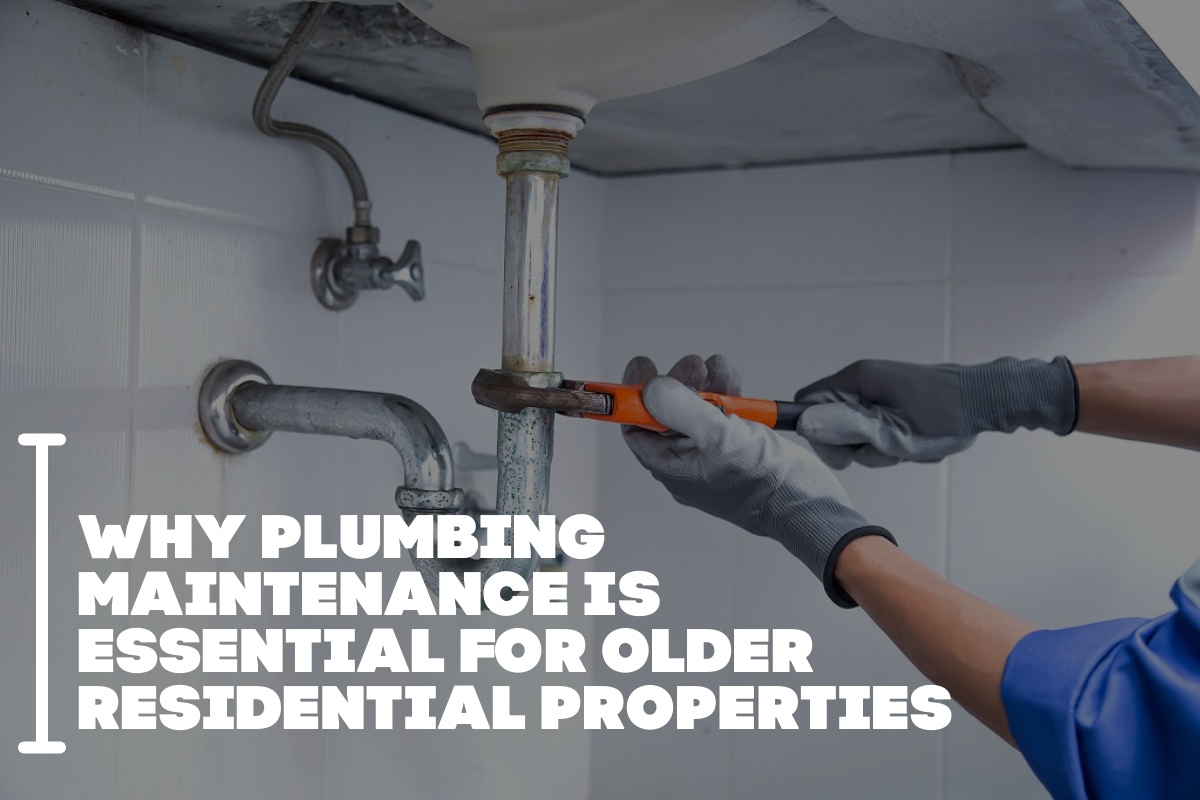
- Under sinks: Check pipes beneath bathroom and kitchen sinks for any signs of moisture.
- Toilets: Look for water around the base of the toilet, which could indicate a leak.
- Water heaters: Inspect the area around your water heater for puddles or rust, which might suggest a leak.
- Appliance hoses: Inspect hoses connecting dishwashers, washing machines, and ice makers for cracks or wear.
If you spot any leaks, repair them immediately to prevent water damage and wasted water.
3. Clear Drainage Systems Regularly
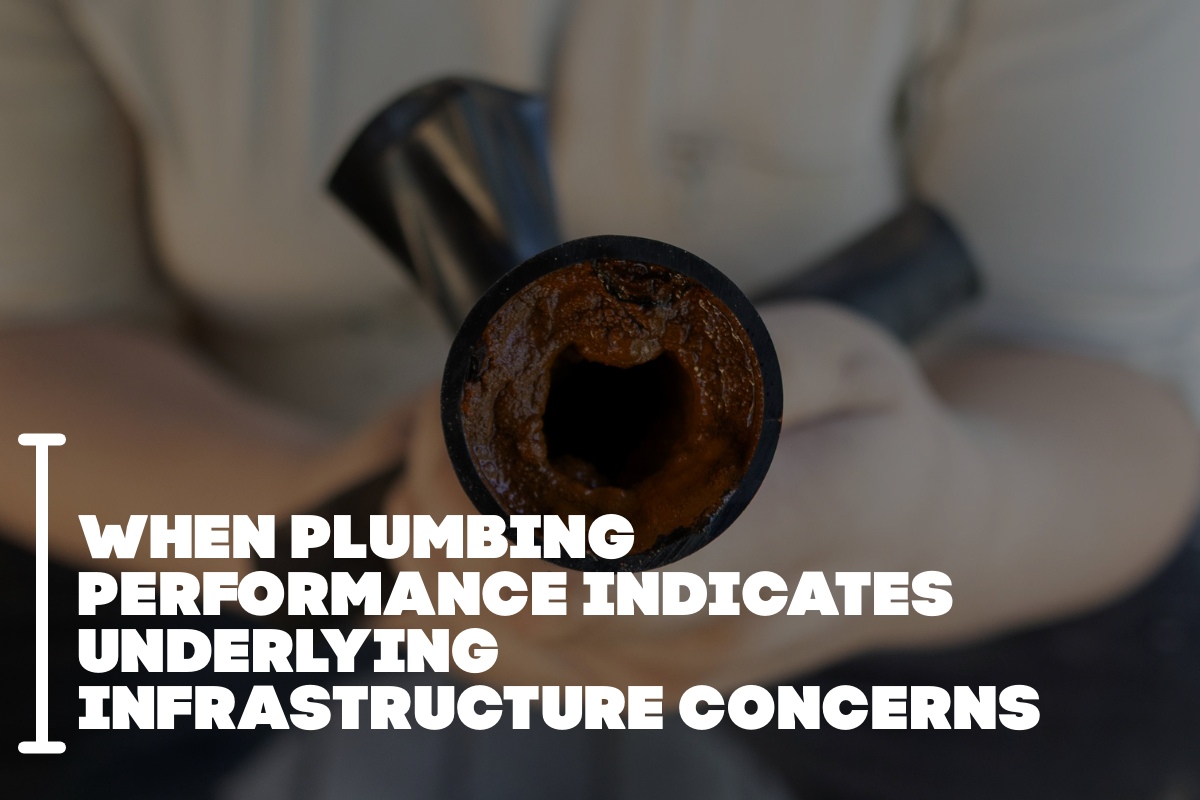
Clogged drains can lead to slow water flow, unpleasant odors, and even burst pipes in extreme cases. Regularly clearing out your drains helps prevent blockages and ensures water flows smoothly.
Tips for Drain Maintenance:
- Use a drain guard: Install a drain guard or mesh cover in sinks, bathtubs, and showers to prevent hair, soap scum, and debris from entering the pipes.
- Flush drains with hot water: Once a week, pour boiling water down your kitchen and bathroom drains to help break down grease and soap buildup.
- Use natural cleaners: Use a mixture of baking soda and vinegar to clean drains naturally, avoiding harsh chemicals that can damage pipes.
- Avoid pouring grease or oil down the drain: These substances can solidify and cause serious clogs in your pipes.
If you notice slow drainage, try using a plunger or a drain snake to clear the blockage before it becomes a more serious issue.
4. Maintain Your Water Heater
Your water heater works hard year-round, and regular maintenance can ensure it runs efficiently, prolong its lifespan, and prevent unexpected breakdowns. Illinois homeowners should maintain their water heaters by flushing them annually to remove sediment buildup, which can cause rusting and reduce efficiency.
Water Heater Maintenance Tips:
- Flush the tank: Sediment and minerals from hard water can build up inside the water heater, reducing its efficiency. To prevent this, flush the tank once a year by attaching a hose to the drain valve and draining the water from the tank.
- Check the temperature: Set your water heater temperature to around 120°F to prevent overheating and scalding, and also to save on energy costs.
- Inspect the anode rod: The anode rod helps prevent the tank from corroding. If the rod is deteriorating, replace it to avoid premature rusting of the water heater.
A well-maintained water heater operates more efficiently, uses less energy, and reduces the risk of leaks or failure.
5. Inspect and Test Sump Pumps
During heavy rains or snowmelt, sump pumps in Illinois basements play a crucial role in preventing flooding. To ensure your sump pump works efficiently, inspect it regularly and test it to ensure it activates properly when needed.
Sump Pump Maintenance:
- Test the pump: Pour a bucket of water into the sump pit to ensure the pump turns on and drains the water effectively.
- Clear the discharge pipe: Make sure the pipe is not blocked, ensuring the water flows freely away from your home’s foundation.
- Check the power source: Ensure the pump is connected to a working power source, and consider installing a backup power supply in case of power failure during heavy storms.
A well-functioning sump pump is vital to preventing basement flooding, mold growth, and property damage, particularly during Illinois’ spring thaw or stormy seasons.
6. Replace Old Pipes Before They Fail
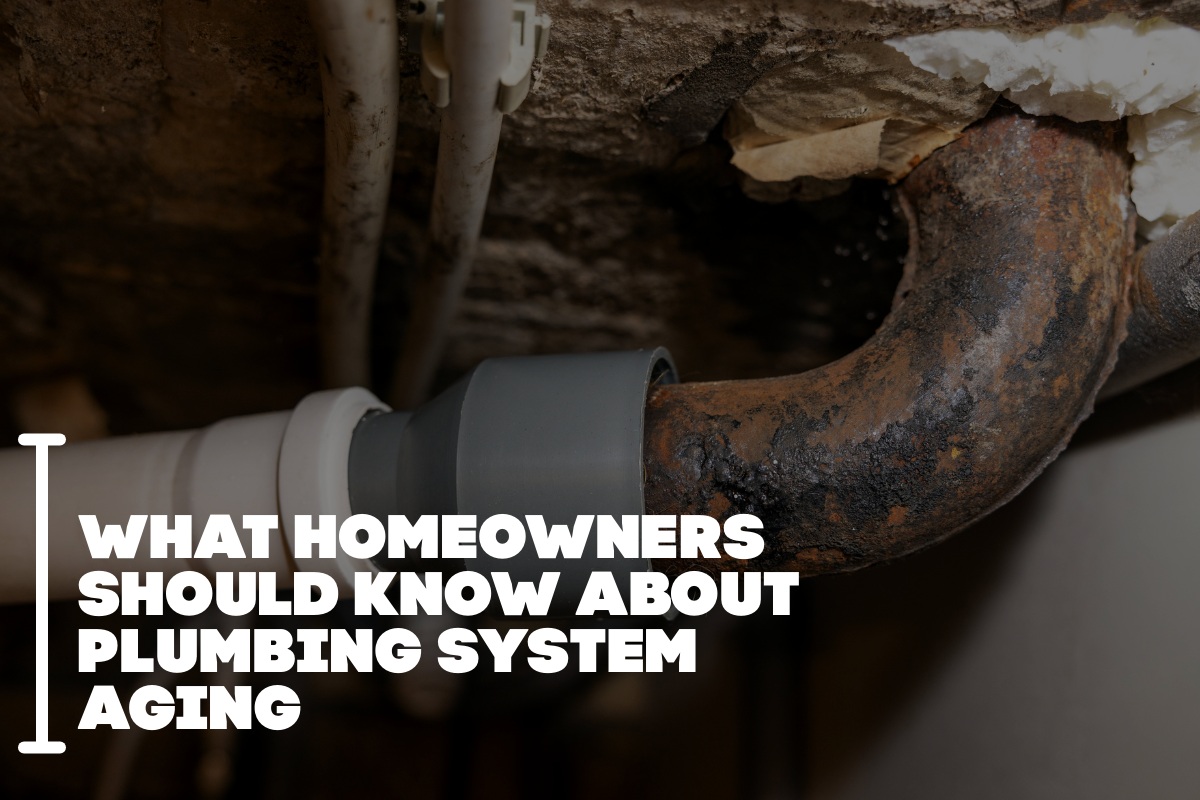
Older homes in Illinois may have aging pipes made of materials like lead, galvanized steel, or cast iron, which can corrode or degrade over time. These pipes are more prone to leaks, bursts, and water contamination. Replacing these old pipes before they fail is crucial to maintaining a healthy and functioning plumbing system.
How to Address Aging Pipes:
- Know the age of your plumbing: If you live in an older home, have a plumber inspect your pipes to identify any potential risks, especially in homes built before the 1970s.
- Consider repiping: If your home has old galvanized steel or lead pipes, consider repiping the home with modern materials like copper or PEX.
- Monitor water pressure: Low water pressure could indicate a clog or buildup in older pipes. It’s essential to address these issues early to prevent larger problems.
Replacing old pipes can prevent major water damage and ensure safe drinking water for your family.
7. Schedule Regular Plumbing Inspections
Regular plumbing inspections by a licensed plumber can help detect potential problems before they become serious. An inspection can identify issues like leaks, rust, clogged pipes, and faulty water heaters, giving you the chance to address them proactively.
Benefits of Regular Inspections:
- Catch issues early: A plumber can identify and fix minor issues before they turn into costly emergencies.
- Extend the lifespan of your plumbing: Regular maintenance and inspections help prevent wear and tear on pipes, fixtures, and appliances.
- Increase home value: Well-maintained plumbing can increase your home’s value and appeal to potential buyers if you decide to sell.
Scheduling a professional inspection every year or two can give you peace of mind and prevent unexpected plumbing issues.
FAQs
How often should I have my plumbing inspected?
It’s recommended to have your plumbing inspected every 1-2 years to identify and fix potential issues before they become major problems.
What can I do to prevent my pipes from freezing in the winter?
Insulate exposed pipes, especially in unheated areas like attics, basements, and garages, and let faucets drip slightly during extremely cold weather.
How can I tell if my sump pump is working properly?
Test your sump pump by pouring a bucket of water into the pit to see if it turns on and pumps water out effectively. Check the discharge pipe to ensure it’s clear.
How do I maintain my water heater?
Flush the water heater once a year to remove sediment, check the anode rod, and set the temperature to 120°F to improve efficiency and prevent damage.
How can I prevent drain clogs?
Use drain guards to catch debris, regularly flush drains with hot water, and avoid putting grease or food waste down the sink.