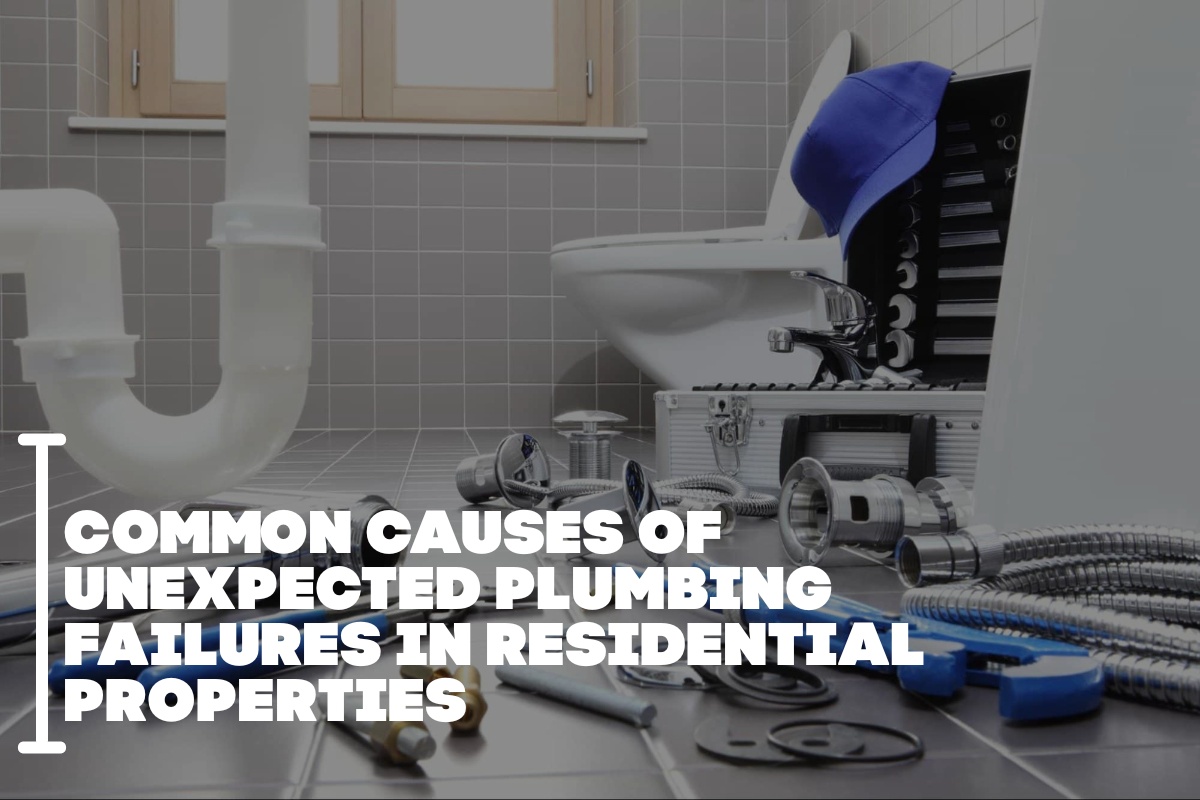
Unexpected plumbing failures can disrupt daily life, damage property, and lead to costly repairs. Many homeowners assume plumbing problems only occur in older homes or after years of neglect, but failures can happen in any residential property—often without warning. Understanding the most common causes of sudden plumbing issues can help homeowners take preventive steps and respond quickly when problems arise.
Aging Pipes and Material Deterioration
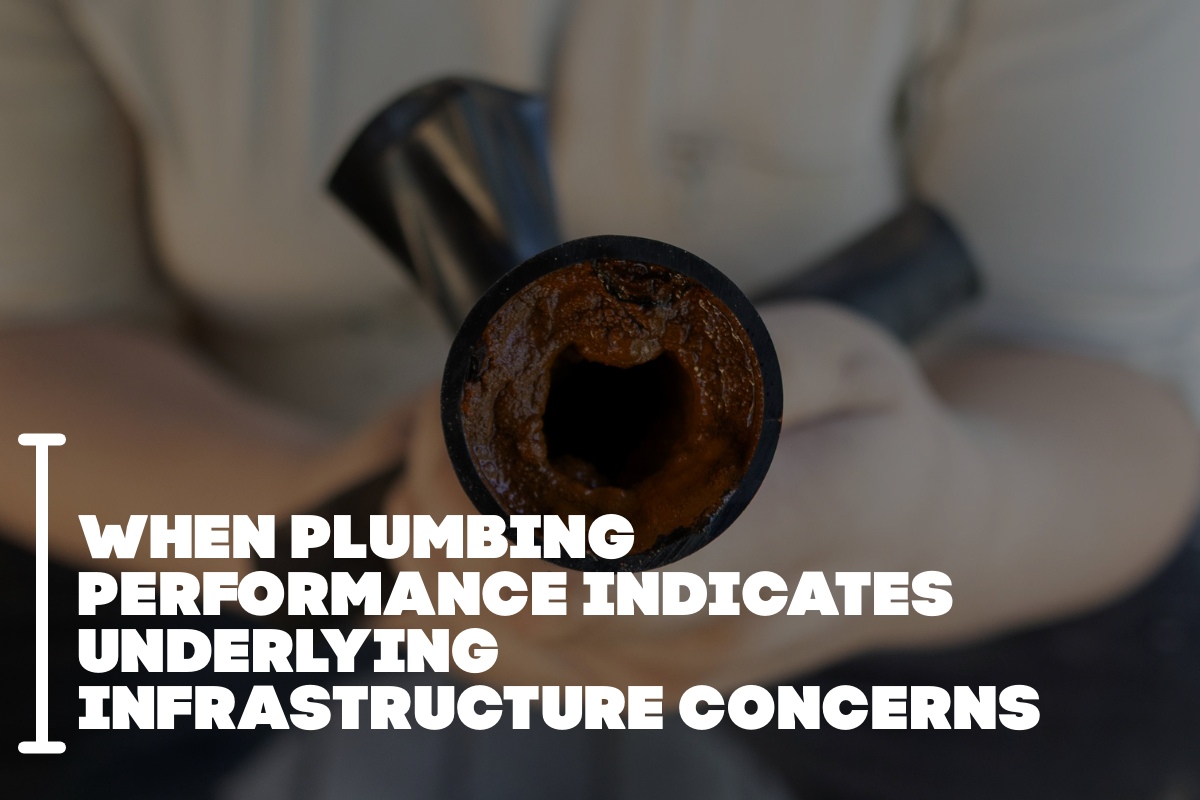
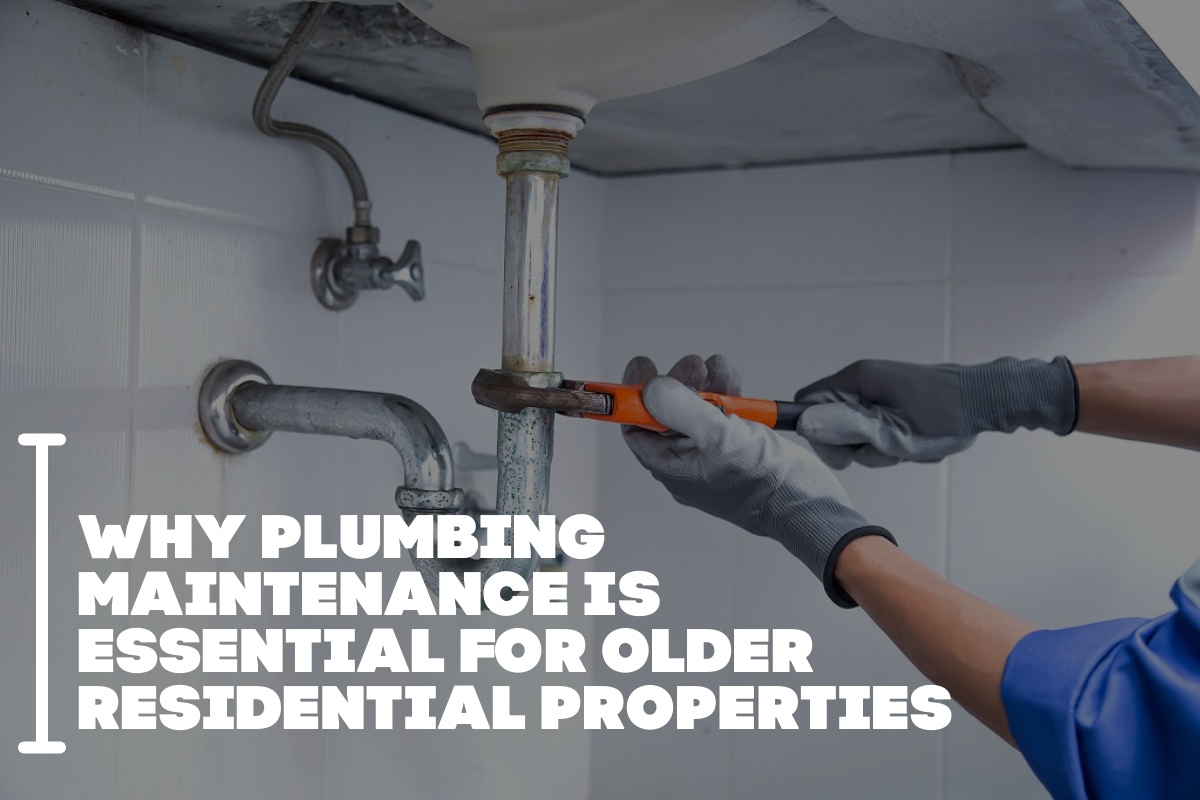
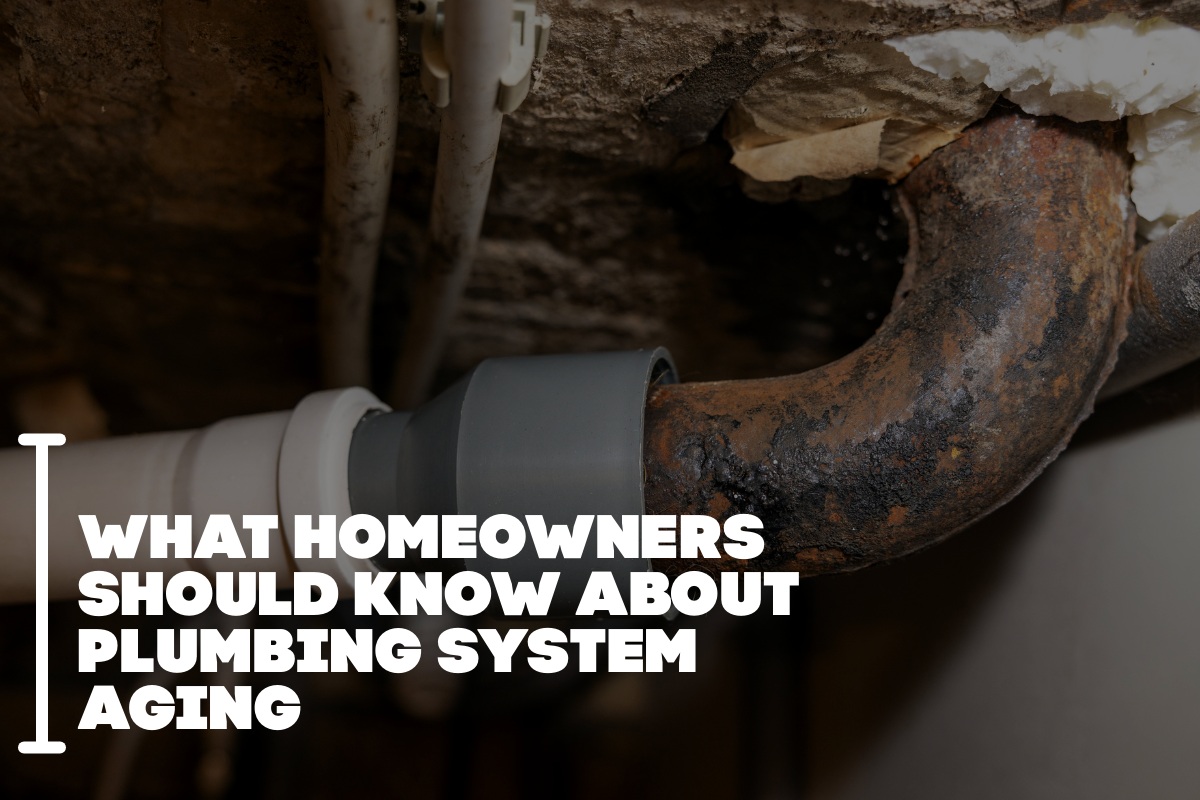
One of the leading causes of unexpected plumbing failures is aging pipe infrastructure. Over time, pipes naturally degrade due to constant exposure to water, pressure, and temperature changes. Materials such as galvanized steel, cast iron, and even older copper piping can corrode, weaken, or develop internal buildup.
As pipes age, they become more susceptible to leaks, cracks, and sudden bursts. In many cases, deterioration occurs inside the pipe where it is not visible, making failures seem sudden even though the damage has been developing for years.
Changes in Water Pressure
Excessive or fluctuating water pressure places stress on plumbing systems. While high pressure may seem beneficial for showers or faucets, it can gradually damage pipe joints, valves, and fixtures. Sudden pressure spikes—often caused by municipal supply changes or faulty pressure regulators—can trigger pipe bursts or fixture failures.
Homes without pressure-reducing valves are particularly vulnerable, especially in areas where water pressure varies throughout the day.
Temperature Extremes and Freezing Pipes
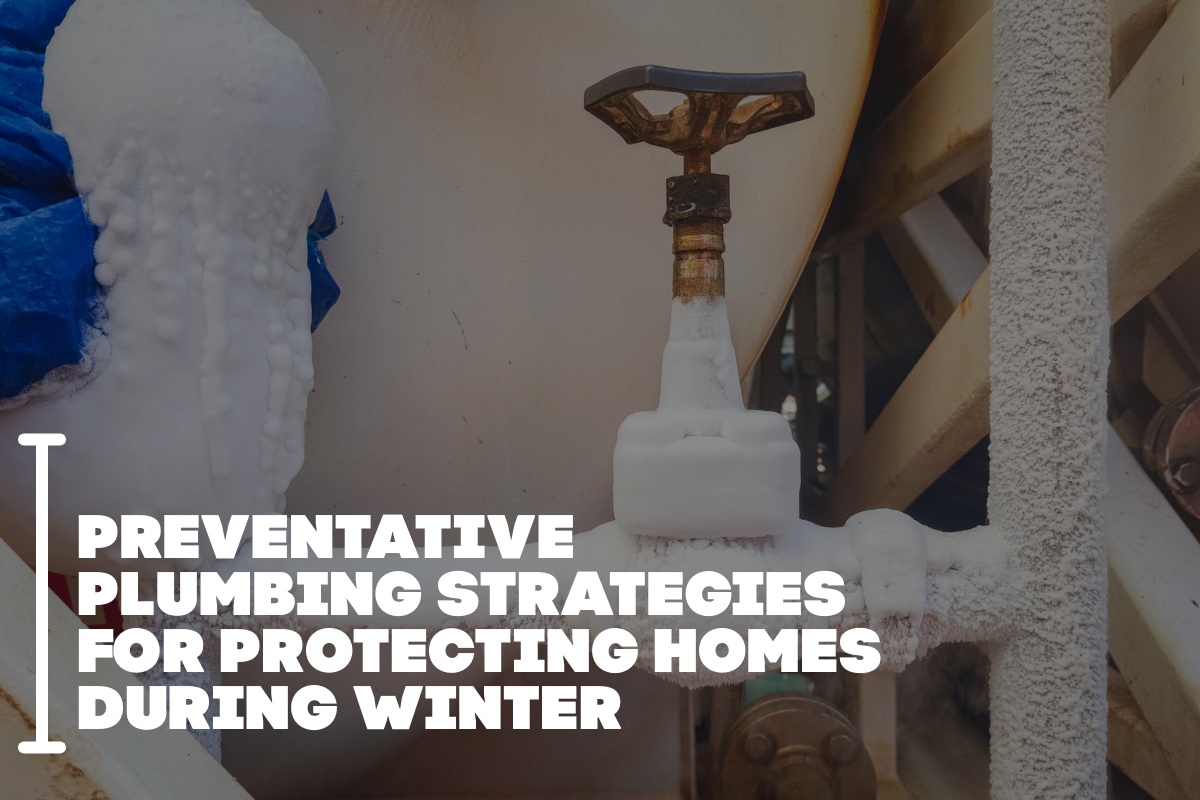
Temperature changes are a common cause of plumbing emergencies, particularly in colder climates. When water freezes inside pipes, it expands, creating intense pressure within the pipe walls. This pressure can cause pipes to crack or burst, often becoming apparent only when the ice thaws and water begins to flow again.
Even in milder climates, uninsulated pipes in attics, basements, crawl spaces, or exterior walls are at risk during cold snaps. Sudden temperature shifts can also weaken pipe materials over time, increasing failure risk.
Clogs and Blockages
Clogs are often underestimated as a cause of major plumbing failures. Gradual buildup of grease, soap residue, hair, food particles, or mineral deposits can restrict water flow and increase internal pressure. When pressure builds behind a blockage, pipes or fittings may fail unexpectedly.
Tree roots are another hidden cause of blockages, particularly in sewer lines. Roots seek moisture and can infiltrate small cracks in underground pipes, eventually causing severe obstructions or pipe collapse.
Poor Installation or Substandard Repairs
Improper installation is a frequent contributor to plumbing failures. Incorrect pipe sizing, loose connections, inadequate sealing, or the use of incompatible materials can all compromise system integrity. These issues may not be immediately noticeable and can persist unnoticed until stress or wear triggers a failure.
Similarly, temporary or low-quality repairs may provide short-term relief but often fail under normal operating conditions, leading to sudden leaks or water damage.
Corrosion Due to Water Quality
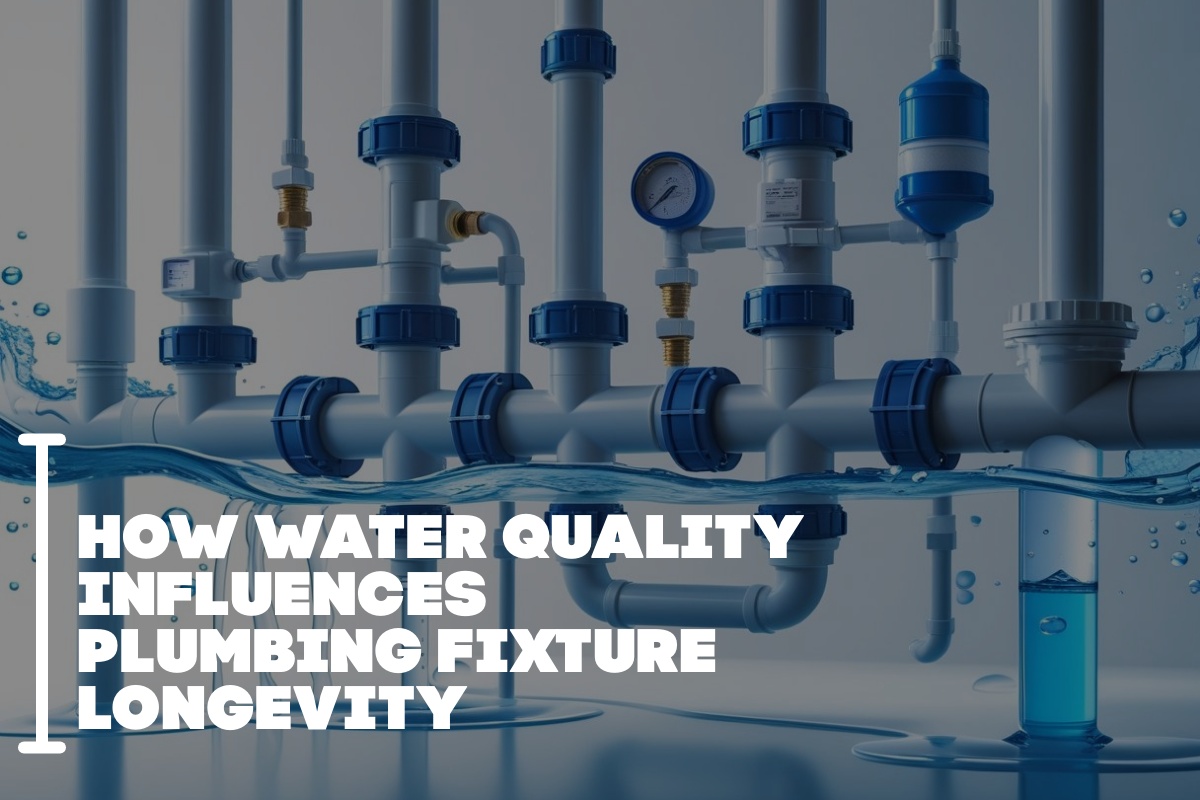
Water chemistry plays a significant role in plumbing longevity. Highly acidic or mineral-rich water can accelerate corrosion and scale buildup inside pipes. Hard water, in particular, leaves mineral deposits that narrow pipes and reduce efficiency, increasing pressure and wear.
Corrosion-related failures often occur without visible warning signs, making them one of the more unpredictable plumbing issues homeowners face.
Failing Fixtures and Appliances
Plumbing failures are not limited to pipes alone. Water heaters, washing machines, dishwashers, and other water-connected appliances can develop worn hoses, faulty valves, or internal corrosion. A single failed component can release large volumes of water in a short time.
Flexible supply lines under sinks and behind appliances are especially prone to sudden rupture as they age, making regular inspection essential.
Lack of Routine Maintenance
Many unexpected plumbing failures stem from simple lack of maintenance. Small leaks, slow drains, or unusual noises are often early warning signs that go unaddressed. Over time, minor issues can escalate into major failures.
Routine inspections, timely repairs, and proactive replacement of aging components significantly reduce the likelihood of surprise plumbing emergencies.
Preventing Unexpected Plumbing Failures
While not all plumbing failures can be avoided, awareness is a powerful preventive tool. Monitoring water pressure, insulating exposed pipes, maintaining fixtures, and scheduling periodic inspections help identify risks early. Investing in maintenance is often far less costly than dealing with emergency repairs and water damage.
FAQs
Why do plumbing failures often seem to happen suddenly?
Many issues develop internally over time, remaining hidden until a pipe or component reaches a breaking point.
Are newer homes immune to plumbing failures?
No. While newer systems may last longer, poor installation, pressure issues, or material defects can still cause failures.
How can I tell if my pipes are aging or deteriorating?
Discolored water, reduced water pressure, frequent leaks, or visible corrosion are common warning signs.
Is high water pressure really harmful to plumbing?
Yes. Consistently high pressure stresses pipes and fixtures, increasing the risk of leaks and bursts.
What is the simplest way to reduce plumbing emergencies?
Regular inspections, prompt repairs of small issues, and proper maintenance significantly lower the risk of unexpected failures.