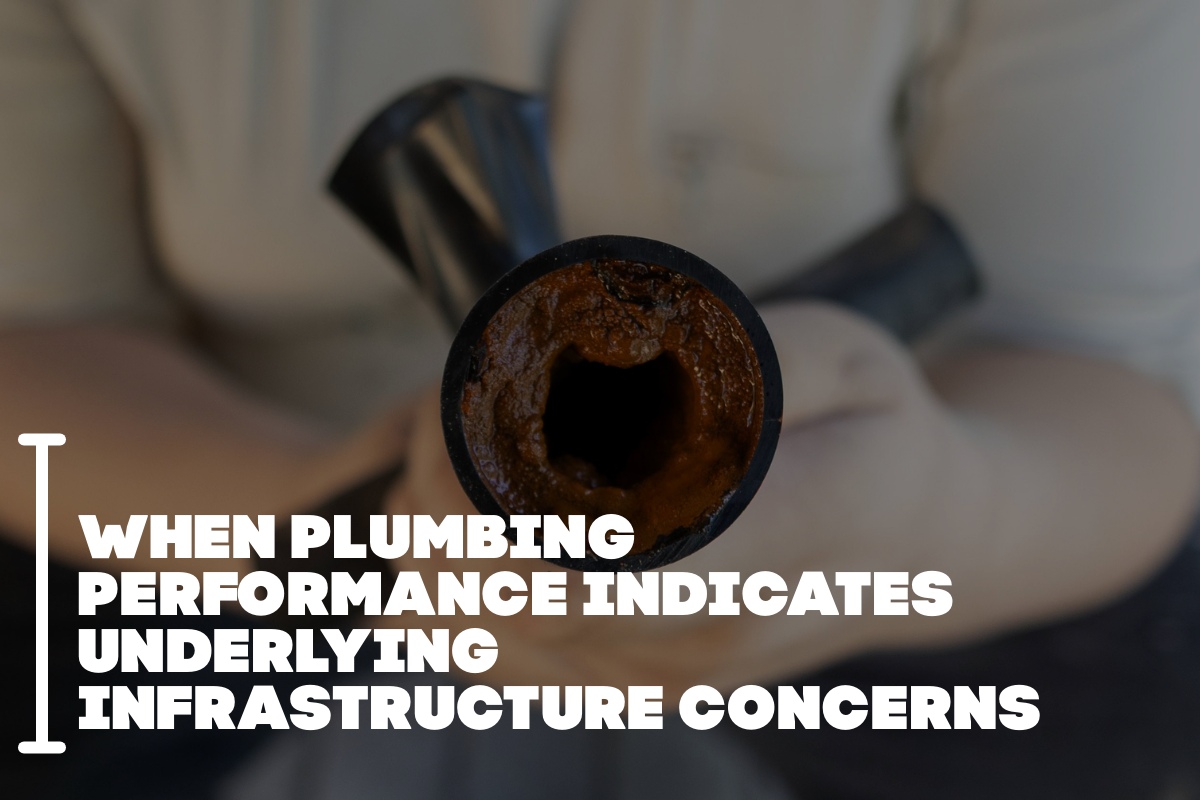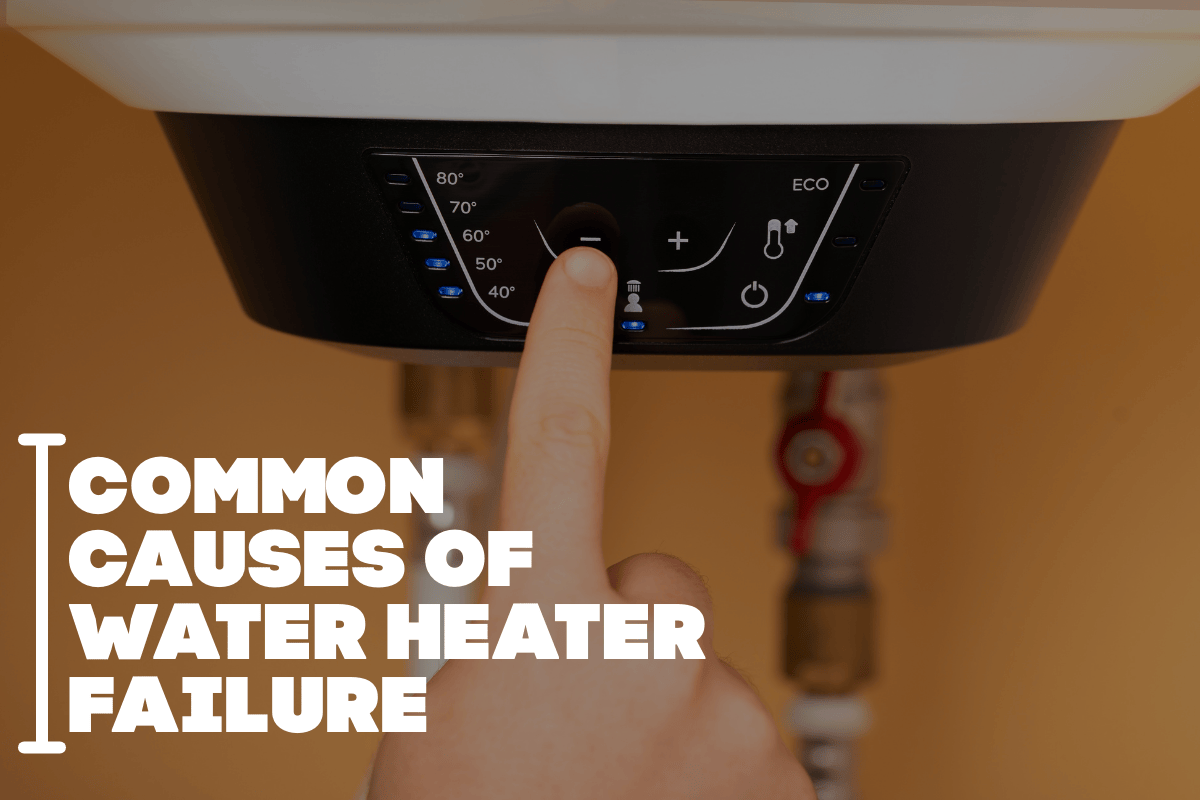
Water heaters fail primarily from sediment buildup, corrosion, and neglected maintenance, shortening 10-15 year lifespans and causing leaks or no hot water. Addressing these proactively through annual flushes and inspections prevents 70% of breakdowns.
Sediment and Scale Accumulation
Hard water minerals settle at tank bottoms, insulating elements and reducing efficiency by 20-30%; this forces overheating and element burnout. Annual flushing dissolves deposits, restoring heat transfer in gas and electric models.
Sacrificial Anode Rod Deterioration
Anode rods corrode to protect tanks but exhaust after 3-5 years without replacement, exposing steel to rust and leaks. Inspecting/replacing magnesium rods yearly extends life significantly in corrosive water.
Heating Element or Burner Failure
Electric elements crack from sediment strain or dry-firing; gas burners clog or thermocouples fail from drafts. High pressure exacerbates both, demanding T&P valve checks at 80 PSI max.
Leaking Tanks and Fittings
Corrosion perforates tanks after 10 years; loose fittings or faulty TPR valves drip constantly. Pressure surges over 80 PSI burst weak points—regulators and annual tests prevent floods.
Thermostat and Sensor Malfunctions
Faulty thermostats cycle erratically, overheating or underheating water; pilot lights extinguish from poor venting. Calibrating to 120°F and ensuring airflow fixes inconsistent temperatures.
High Water Pressure Damage
Excess 80+ PSI stresses valves and welds, causing relief valve leaks or bursts. Installing regulators maintains safe 40-60 PSI, protecting against erosion in municipal supplies.
Electrical or Gas Supply Issues
Tripped breakers, bad wiring, or gas interruptions halt operation; corroding fumes accelerate anode failure. Surge protectors and venting away from chemicals safeguard components.
FAQ
What causes most leaks?
Tank corrosion from exhausted anode rods.
How does sediment kill elements?
Insulates heat transfer, causing overheating.
Why check TPR valves yearly?
Prevents pressure bursts and explosions.
Does hard water shorten life?
Yes, scales elements 2-3x faster.