Plumbing problems rarely start as emergencies. More often, they begin with subtle warning signs that are easy to dismiss—until they turn into costly repairs or serious water damage. For homeowners in Illinois, early detection is especially important due to seasonal temperature changes, aging infrastructure, and hard water conditions common in many areas.
Recognizing plumbing warning signs early can save money, protect your home, and prevent sudden disruptions to daily life.
Slow or Gurgling Drains
A slow drain may seem like a minor inconvenience, but it is often an early sign of a developing blockage. Gurgling sounds from sinks, tubs, or toilets indicate trapped air caused by restricted water flow.
If left unaddressed, partial clogs can worsen into full blockages or sewer backups. Repeated slow drainage across multiple fixtures may point to a larger issue in the main drain line rather than a simple localized clog.
Unexplained Increases in Water Bills
A sudden spike in your water bill without a change in usage is a strong indicator of a hidden plumbing issue. Undetected leaks behind walls, under floors, or in underground lines can waste significant amounts of water over time.
Even small leaks can add up quickly, increasing costs while causing gradual structural damage. Early investigation can prevent long-term problems like mold growth or foundation issues.
Water Stains or Discoloration
Yellow, brown, or dark stains on ceilings, walls, or floors often signal a slow leak. These stains may appear long after the leak begins, meaning damage is already underway.
Discoloration should never be ignored, especially in basements or near bathrooms and kitchens. Moisture trapped behind surfaces can weaken building materials and create unhealthy indoor conditions.
Low or Fluctuating Water Pressure
Consistently low water pressure can be caused by pipe corrosion, mineral buildup, leaks, or problems with the water supply line. Sudden pressure changes while using fixtures may also indicate air in the pipes or developing leaks.
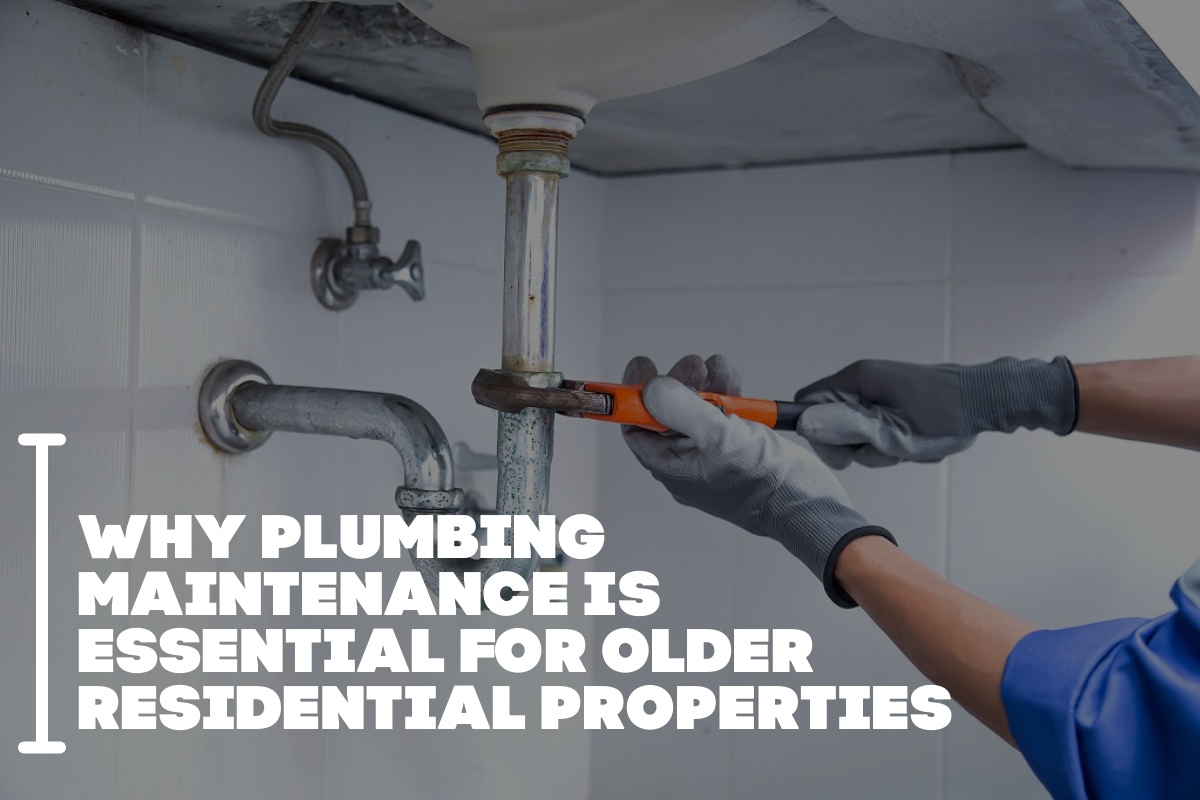
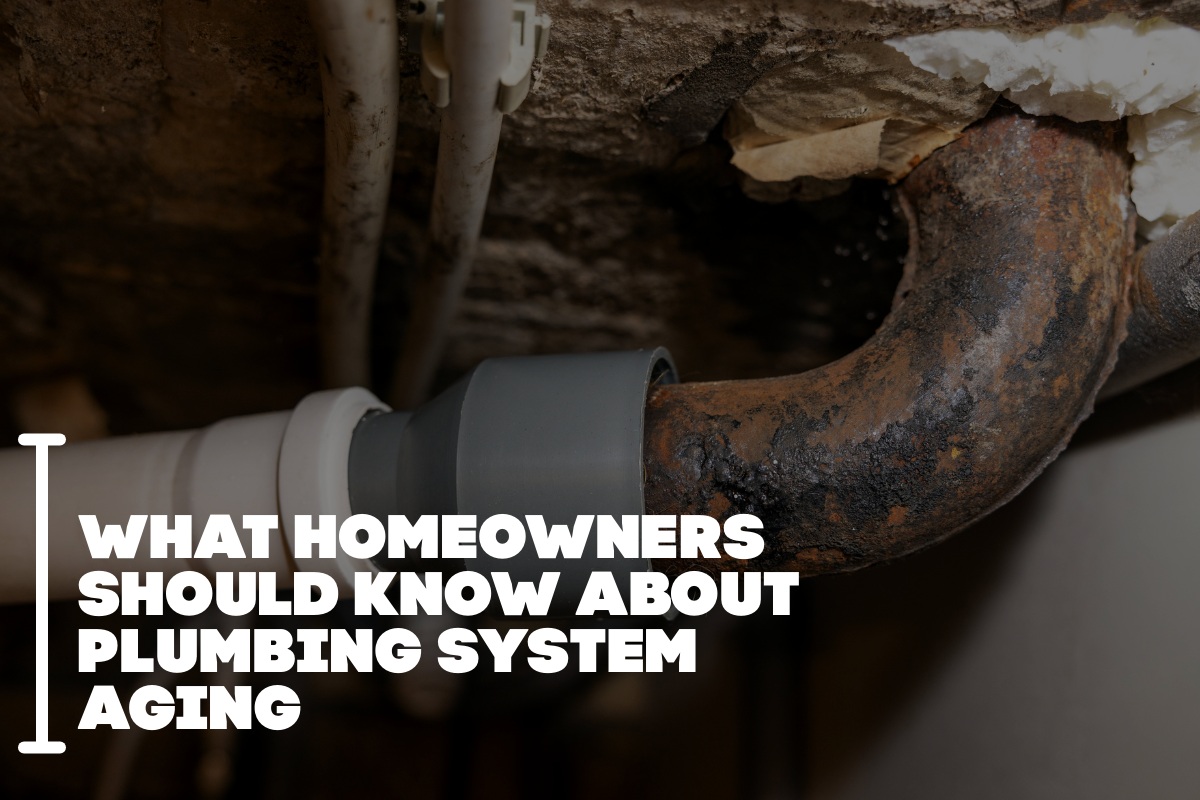
In Illinois homes with older plumbing systems, corrosion-related pressure loss is a common early warning sign that pipes may need inspection or replacement.
Persistent Dripping Faucets
A dripping faucet may seem harmless, but it often points to worn-out internal components or excessive water pressure. Over time, constant dripping wastes water and puts additional strain on plumbing fixtures.
Ignoring a simple drip can lead to valve damage or leaks deeper within the system, increasing repair complexity and cost.
Unpleasant Odors From Drains
Foul or sewer-like odors coming from drains are not normal. These smells can indicate dry traps, sewer gas leaks, or problems with venting systems.
Odors are an important safety concern, as sewer gases can affect indoor air quality. Addressing these smells early helps prevent both health risks and more serious plumbing failures.
Frequent Toilet Clogs or Running Toilets
Toilets that clog frequently or continue running after flushing often signal deeper plumbing issues. Internal component wear, partial drain blockages, or venting problems can all contribute.
A running toilet can waste hundreds of gallons of water per day, making it one of the most expensive plumbing issues to ignore.
Water Around Foundations or Basement Dampness
Moisture near your home’s foundation, damp basement floors, or unexplained puddles may indicate underground leaks or drainage problems.
Illinois weather patterns, including heavy rain and freeze-thaw cycles, can worsen these issues quickly. Early attention helps protect your home’s structural integrity.
Rusty or Discolored Water
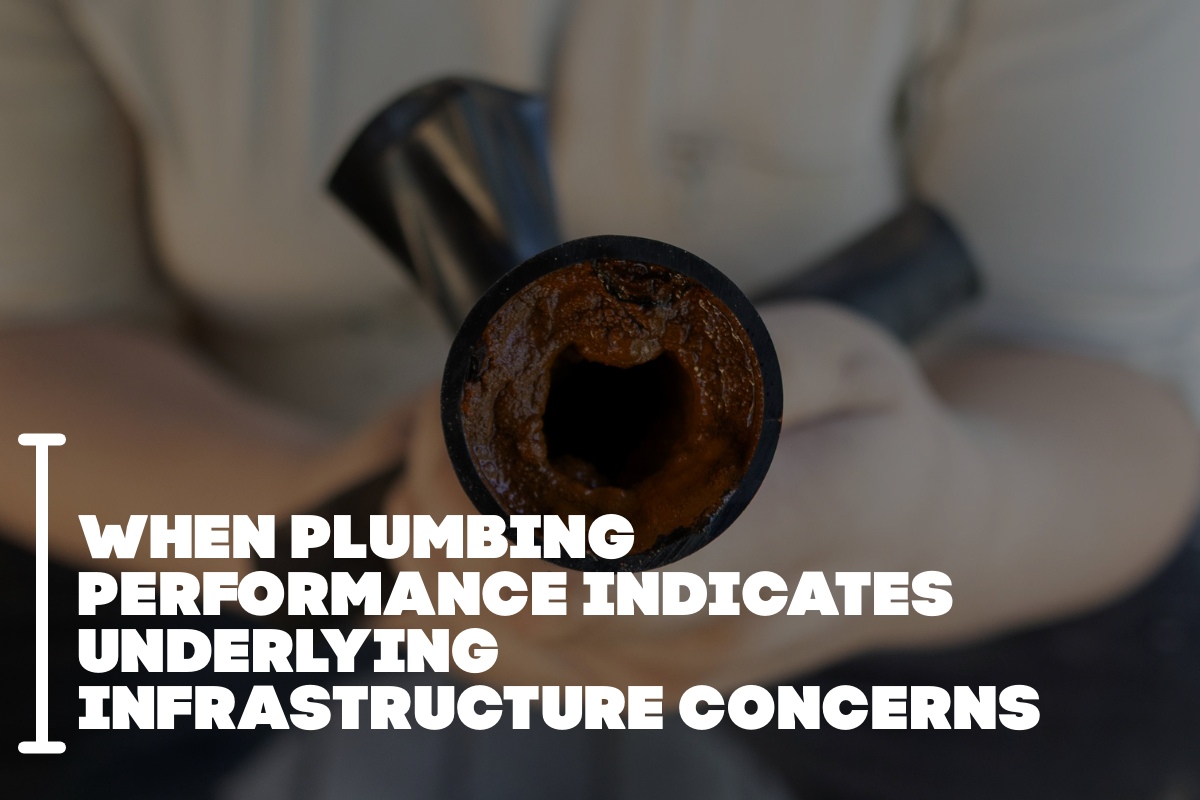
Brown, yellow, or cloudy water may indicate corrosion inside pipes or sediment buildup in the water heater. This is especially common in older homes or areas with hard water.
Discolored water should be addressed promptly, as corrosion can lead to pipe failure and contamination concerns.
Why Early Action Matters
Plumbing systems rarely fail without warning. Early signs are your opportunity to address problems while they are still manageable. Waiting often leads to emergency repairs, higher costs, and avoidable property damage.
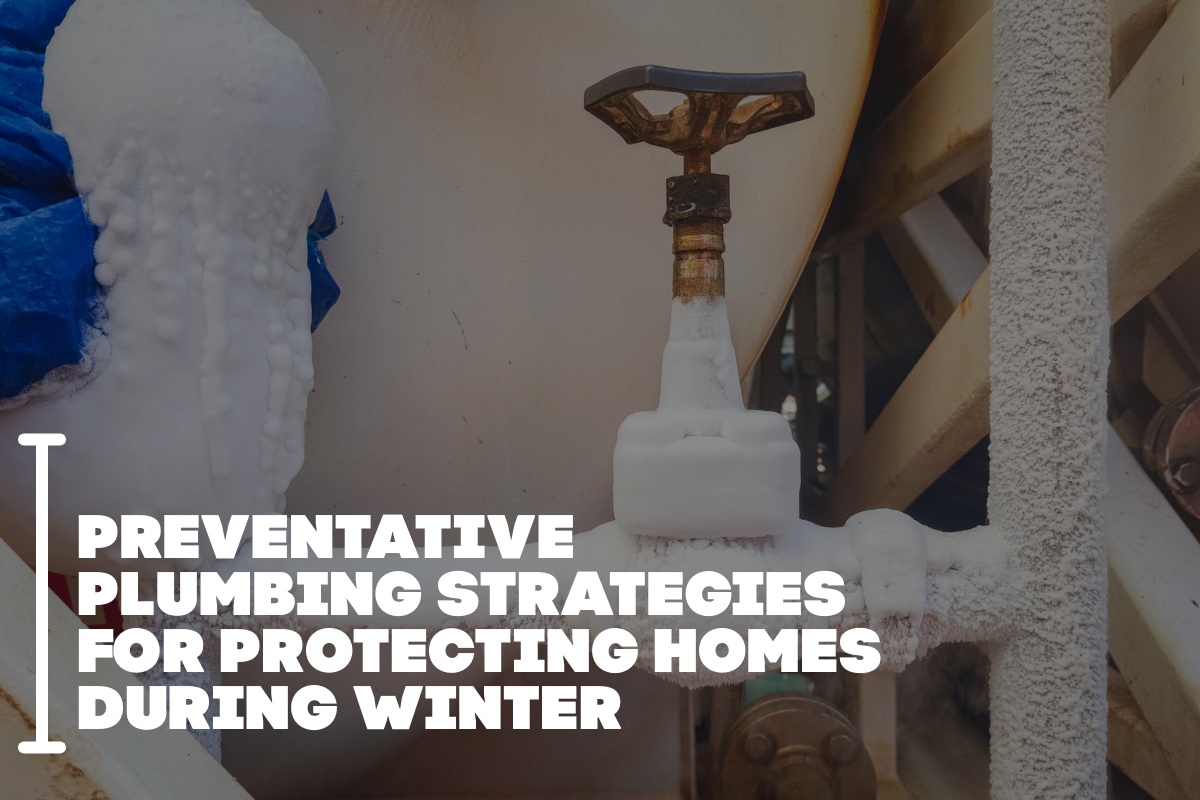
Proactive maintenance and early inspections are especially valuable in climates where temperature extremes place additional stress on plumbing systems.
For Illinois homeowners, paying attention to early plumbing warning signs is one of the most effective ways to protect your home and budget. Slow drains, unusual noises, water stains, pressure changes, and unexplained odors are not just annoyances—they are signals that something needs attention.
Addressing plumbing issues early helps prevent emergencies, preserves your home’s value, and ensures your plumbing system continues to function safely and efficiently.
Frequently Asked Questions (FAQ)
Are plumbing warning signs always urgent?
Not all signs require immediate emergency service, but they should be inspected early to prevent escalation.
Can small leaks really cause major damage?
Yes. Slow leaks often cause hidden structural damage, mold growth, and increased water bills over time.
Is low water pressure always a plumbing problem?
Not always, but persistent or sudden changes often indicate leaks, corrosion, or blockages that need evaluation.
How often should plumbing systems be inspected?
A general inspection every one to two years is recommended, especially for older homes.
Should I attempt DIY fixes for plumbing warning signs?
Minor issues may be manageable, but recurring or unexplained signs should be evaluated by a professional to avoid hidden damage.