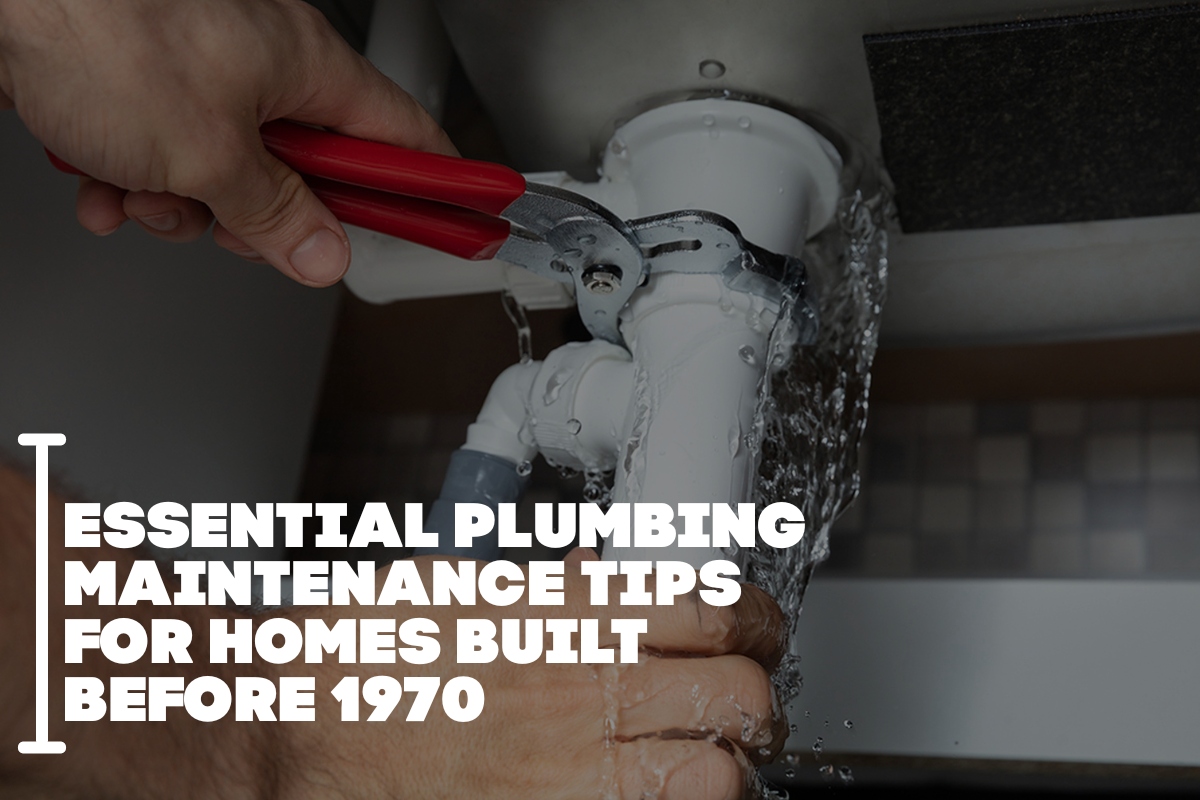
Homes built before 1970 often have character, craftsmanship, and durability that newer homes may lack. However, they also tend to have aging plumbing systems that require extra care. Outdated materials, decades of wear, and changes in building standards can all increase the risk of leaks, clogs, water quality issues, and costly repairs.
With the right maintenance habits and awareness, homeowners can protect their property, improve water safety, and extend the life of their plumbing. This article outlines essential plumbing maintenance tips specifically tailored for older homes.
Understand the Type of Pipes in Your Home
Many older homes were built using materials that are no longer considered ideal for long-term plumbing use. Galvanized steel, cast iron, clay, and even lead pipes are common in pre-1970 construction.
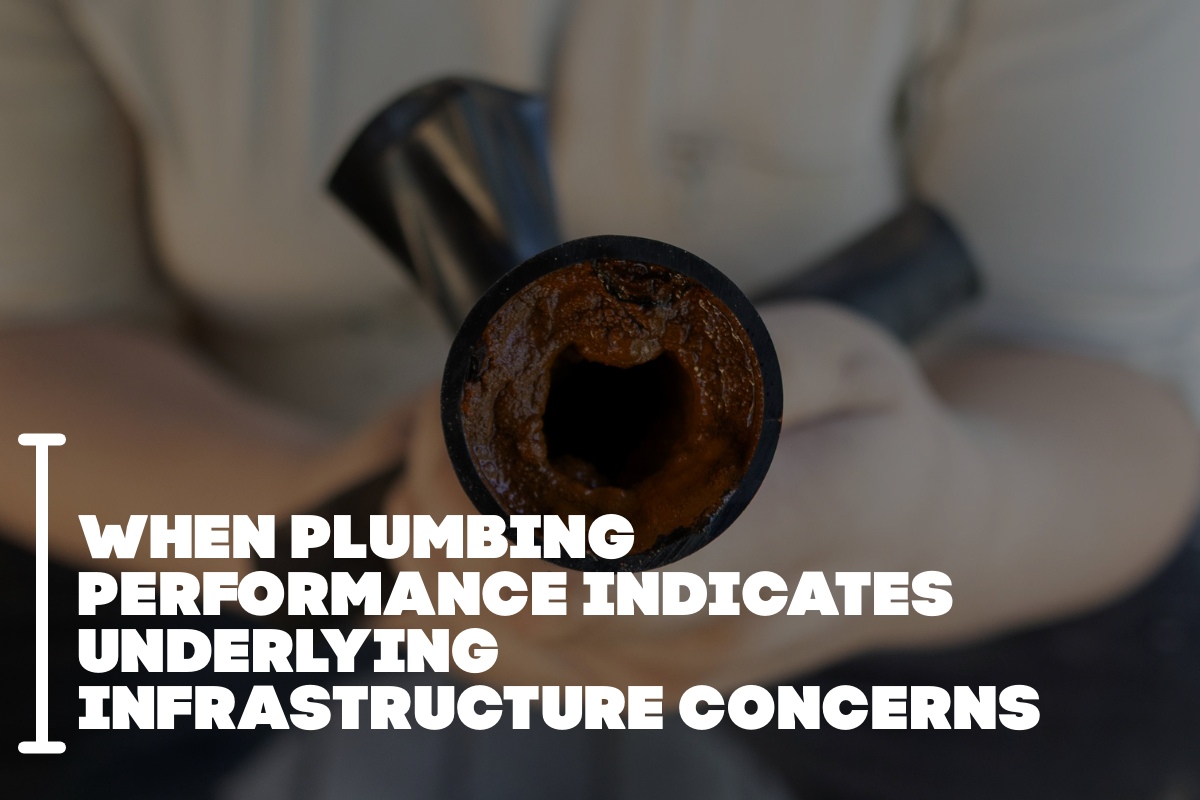
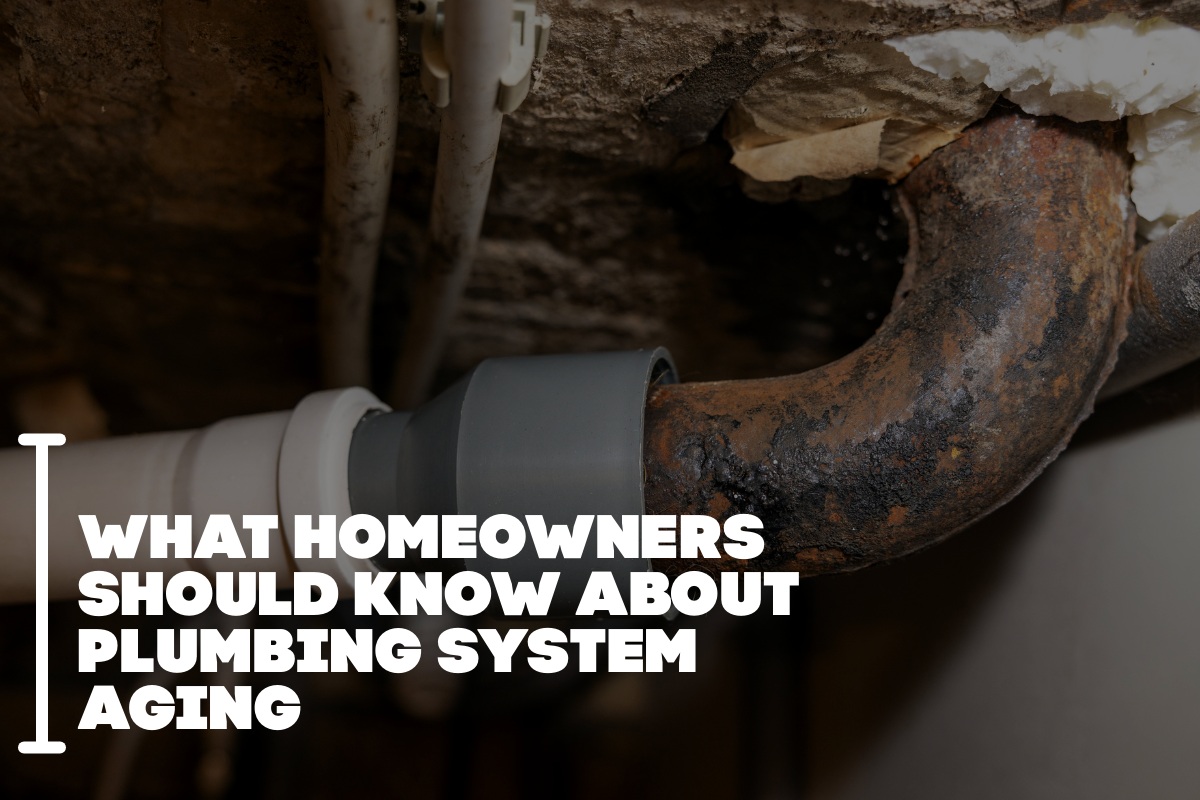
Galvanized pipes corrode internally over time, reducing water pressure and increasing the risk of leaks. Cast iron drain pipes can deteriorate and crack after decades of use. Lead pipes, still present in some older properties, pose potential health risks. Knowing what materials your plumbing system contains is the first step in making informed maintenance and upgrade decisions.
Watch for Signs of Aging and Corrosion
Older plumbing systems often show subtle warning signs before major problems occur. Discolored water, frequent drops in water pressure, recurring leaks, or rusty-looking fixtures may indicate corrosion inside pipes.
Slow drains, unpleasant odors, and unexplained damp spots on walls or floors can also signal underlying issues. Paying attention to these early symptoms allows homeowners to address problems before they escalate into major repairs or structural damage.
Schedule Regular Professional Inspections
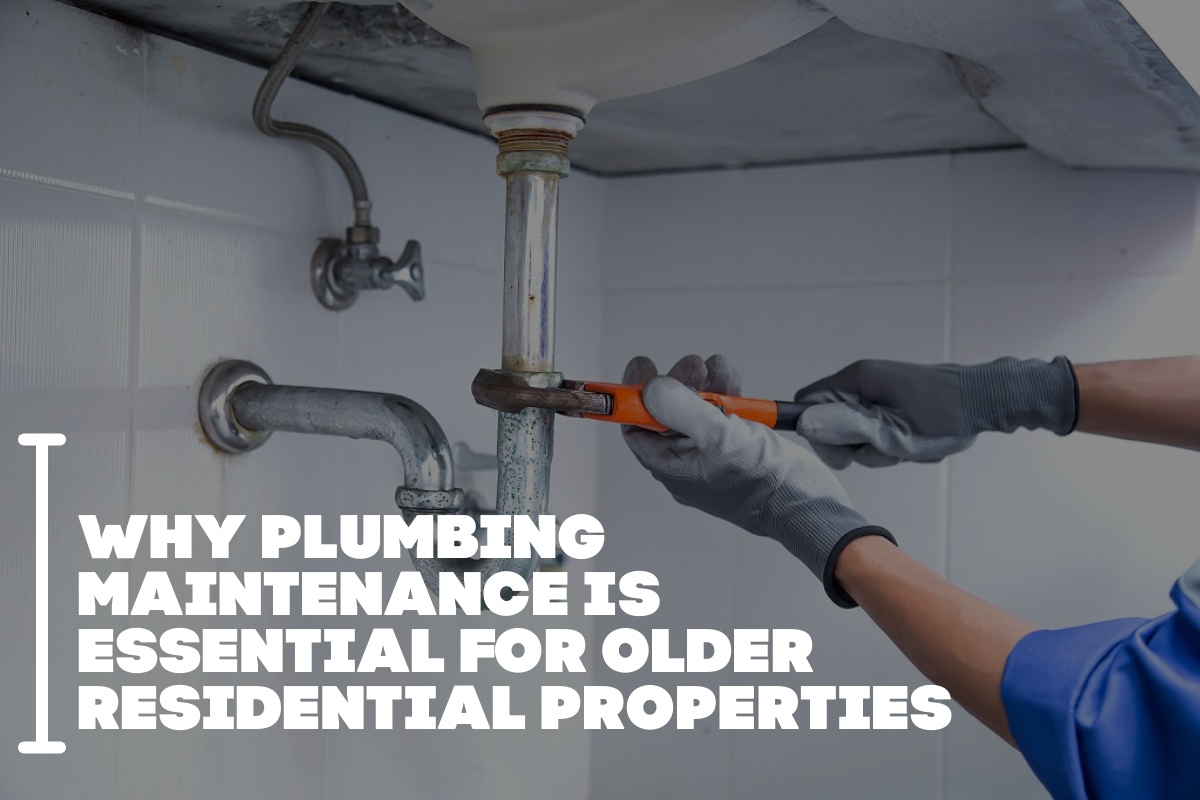
Routine inspections are especially important for older homes. A licensed plumber can evaluate the condition of pipes, identify vulnerable areas, and recommend preventative repairs.
Professional inspections may include camera assessments of sewer lines, pressure testing, and checks for hidden leaks. Catching problems early not only saves money but also helps preserve the integrity of the home’s infrastructure. For pre-1970 homes, annual or biannual inspections are a smart investment.
Replace Outdated Fixtures and Components
While original fixtures may add charm, outdated plumbing components often lack efficiency and reliability. Old shut-off valves, worn washers, and aging faucets are more prone to failure.
Replacing these components with modern, high-quality alternatives improves performance and reduces the risk of sudden leaks. Upgrading fixtures can also enhance water efficiency, which helps lower utility bills while maintaining the home’s character.
Be Proactive About Pipe Replacement
In many older homes, some level of pipe replacement is inevitable. Waiting for pipes to fail can lead to water damage, mold growth, and expensive emergency repairs.
Homeowners should consider proactive replacement of the most vulnerable sections, especially if the home still contains galvanized or lead pipes. Gradual upgrades over time are often more manageable than dealing with widespread damage later.
Protect Pipes From Temperature Stress
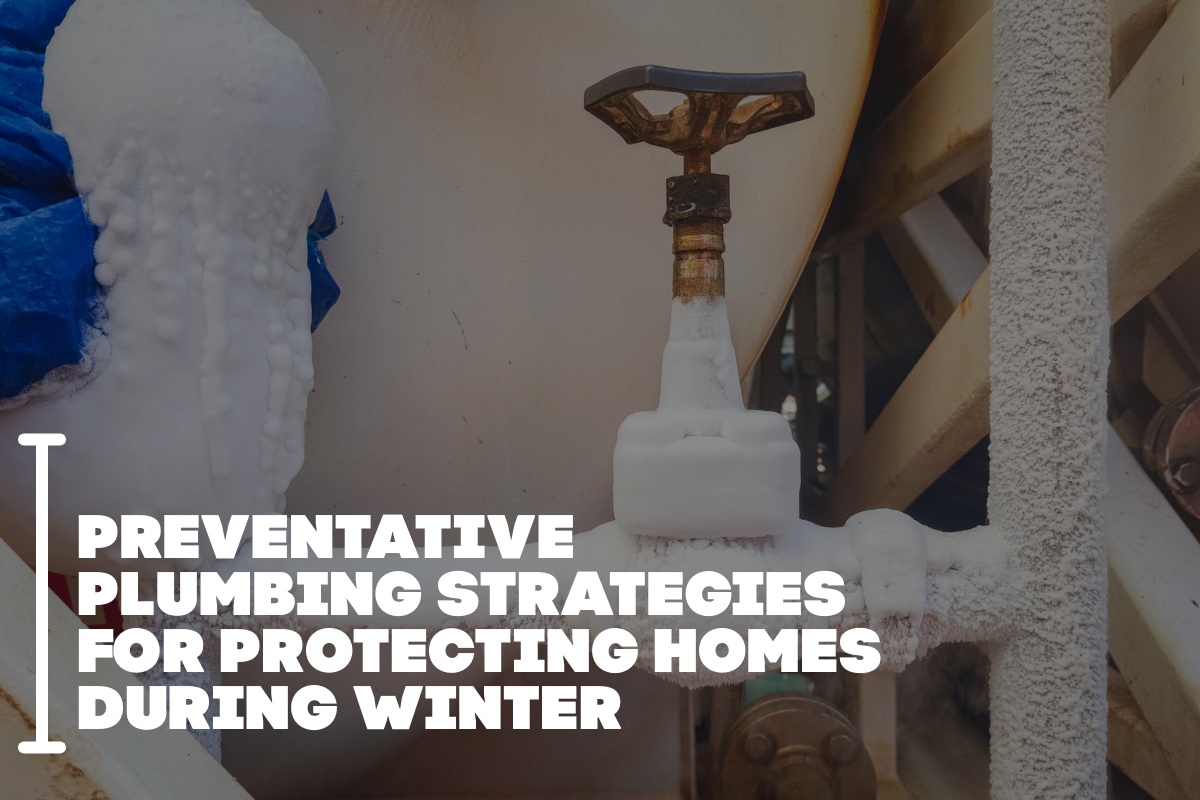
Older plumbing systems may lack modern insulation, making them more vulnerable to temperature fluctuations. Cold weather can cause pipes to contract and potentially freeze, while extreme heat can accelerate material wear.
Adding insulation to exposed pipes in basements, crawl spaces, and exterior walls can help prevent cracking and freezing. Maintaining consistent indoor temperatures during colder months is also important for protecting aging pipes.
Maintain Drains and Sewer Lines Carefully
Drain and sewer lines in older homes may be narrower and more fragile than modern systems. Grease, food particles, hair, and debris can accumulate more quickly, increasing the risk of clogs.
Using drain screens, avoiding harsh chemical cleaners, and practicing mindful disposal habits can help protect these systems. Periodic professional drain cleaning can also reduce buildup without damaging older pipes.
Check Water Pressure Regularly
High water pressure puts additional strain on aging plumbing systems. Over time, this pressure can weaken joints, increase the likelihood of leaks, and shorten the lifespan of pipes and fixtures.
Using a simple pressure gauge or asking a plumber to test your system can help ensure pressure remains within a safe range. Installing a pressure regulator may be beneficial if levels are consistently too high.
Upgrade Where It Makes Sense Without Losing Character
Preserving the charm of an older home does not mean avoiding necessary updates. Many modern plumbing upgrades can be implemented discreetly without affecting the home’s aesthetic.
Behind-the-scenes improvements such as updated piping, improved shut-off systems, and upgraded water heaters can significantly improve safety and reliability while keeping visible features intact. Thoughtful upgrades allow homeowners to honor the home’s history while ensuring modern functionality.
Frequently Asked Questions
Are galvanized pipes dangerous in older homes?
They are not immediately dangerous but can corrode internally, reduce water quality, and increase the risk of leaks over time. Replacement is often recommended for long-term safety.
How can I tell if my home has lead pipes?
A plumber can inspect your plumbing materials, and local water authorities may offer testing or guidance. Water testing can also help identify lead presence.
How often should plumbing be inspected in an older home?
Annual inspections are ideal for older properties, especially if the plumbing system has not been fully updated.
Can I use chemical drain cleaners in old pipes?
It is best to avoid harsh chemical cleaners, as they can damage older pipes. Mechanical methods or professional cleaning are safer options.
Is low water pressure always a plumbing issue in older homes?
Not always, but it can be a sign of internal pipe corrosion or buildup. A professional evaluation can determine the cause.
Do I need to replace all plumbing at once in a pre-1970 home?
Not necessarily. Many homeowners choose to replace sections gradually based on condition, risk level, and budget.