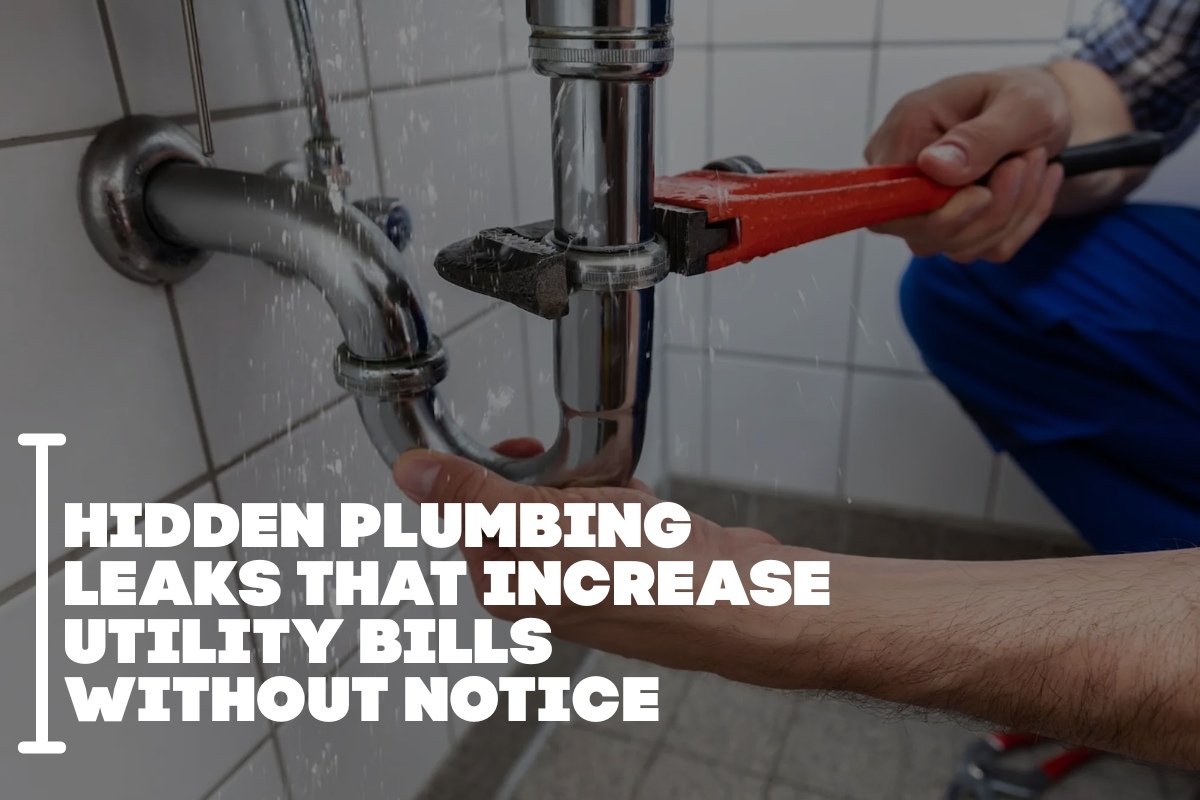
A sudden increase in your water bill can be frustrating—especially when your daily habits haven’t changed. Often, the culprit isn’t higher usage but hidden plumbing leaks quietly wasting water behind walls, under floors, or underground.
These leaks can go unnoticed for months, costing you money and potentially causing serious structural damage. Understanding where hidden leaks occur, how they impact your utility bills, and what warning signs to watch for can help you catch problems early and protect your home and budget.
Why Hidden Leaks Are So Costly
Unlike dripping faucets or running toilets, hidden leaks don’t always produce obvious sounds or visible water. They may occur inside walls, beneath foundations, or within plumbing lines that aren’t regularly inspected. Because the water flows continuously, even a small leak can waste hundreds or thousands of gallons over time.
This silent water loss drives up utility bills, increases wear on your plumbing system, and can lead to mold growth, wood rot, and structural damage if left unresolved.
Common Places Hidden Plumbing Leaks Occur
Many leaks develop in areas homeowners rarely see or check. Knowing the most common locations can help you stay proactive.
Behind Walls
Pipes inside walls can corrode, crack, or develop loose connections over time. Because the leak is concealed, you may only notice subtle clues such as damp drywall, peeling paint, or a musty odor.
Under Floors
Leaks beneath tile, hardwood, or carpeting can go unnoticed until damage becomes visible. Warping floors, unexplained damp spots, or warm patches (especially near hot water lines) may indicate a problem.
Under the Foundation (Slab Leaks)
Slab leaks occur when pipes beneath your home’s foundation develop cracks. These leaks are particularly costly and difficult to detect without professional equipment. They can cause higher water bills, reduced water pressure, and even foundation damage.
In Attics and Crawl Spaces
Pipes that run through attics or crawl spaces are exposed to temperature changes, which can cause expansion, contraction, and eventual cracking. These areas are often out of sight and easy to forget about.
Outdoor Plumbing Lines
Leaks in irrigation systems, outdoor faucets, or underground supply lines can waste large amounts of water without obvious surface signs, especially if the water drains into soil rather than pooling.
Warning Signs You Might Have a Hidden Leak
While hidden leaks are difficult to see, your home often provides subtle clues.
Unexplained spikes in your water bill are one of the most common signs. Other indicators include the sound of running water when no fixtures are in use, reduced water pressure, damp or discolored patches on walls or ceilings, mold or mildew odors, and warm spots on floors. You might also notice cracks in walls or foundation if a long-term leak has compromised structural integrity.
Paying attention to these small changes can help you detect leaks before they become expensive emergencies.
How Hidden Leaks Affect More Than Your Wallet
The impact of hidden leaks goes beyond higher utility bills. Continuous moisture creates ideal conditions for mold growth, which can affect indoor air quality and health. Wood framing, drywall, and insulation can weaken over time, leading to costly repairs.
Water damage can also reduce property value if not addressed promptly. In severe cases, long-term leaks can damage your home’s foundation, resulting in major structural issues. Early detection is not just a financial concern—it’s essential for protecting your living environment.
How to Detect Hidden Leaks Early
You don’t need to be a professional plumber to take some basic steps toward leak detection.
One simple method is to check your water meter. Turn off all water-using appliances and fixtures, then observe the meter. If it continues to move, you likely have a leak somewhere in the system.
Regularly inspecting visible pipes, monitoring your water bills, and paying attention to changes in your home’s appearance or smell can also help. For deeper issues, professional plumbers use specialized tools such as acoustic sensors, infrared cameras, and pressure tests to locate leaks without invasive demolition.
Preventing Future Hidden Leaks
Prevention starts with routine maintenance. Periodic plumbing inspections can catch aging pipes, loose fittings, and early corrosion before they turn into leaks. Replacing outdated plumbing materials, insulating exposed pipes, and maintaining proper water pressure can also extend the life of your plumbing system.
Being proactive saves money in the long run and reduces the risk of surprise water damage.
Frequently Asked Questions
Can a small hidden leak really make a big difference in my water bill?
Yes. Even a slow, steady leak can waste hundreds of gallons per month, leading to noticeably higher utility costs over time.
How do I know if my high water bill is due to a leak or increased usage?
If your habits haven’t changed but your bill has increased, it’s a strong indication of a possible leak. Checking your water meter when all fixtures are off can help confirm it.
Are hidden leaks dangerous to my home?
They can be. Long-term leaks can cause mold growth, weaken structures, damage foundations, and reduce indoor air quality.
Do I need a plumber to find a hidden leak?
While you can identify warning signs and perform basic checks, professional plumbers have specialized equipment that can accurately locate hidden leaks with minimal disruption.
What should I do if I suspect a hidden leak?
Act quickly. Monitor your water usage, check for visible signs, and contact a licensed plumber for inspection. Early intervention can prevent more serious damage.
How often should plumbing be inspected to prevent leaks?
A general inspection every one to two years is a good preventive measure, especially in older homes with aging plumbing systems.