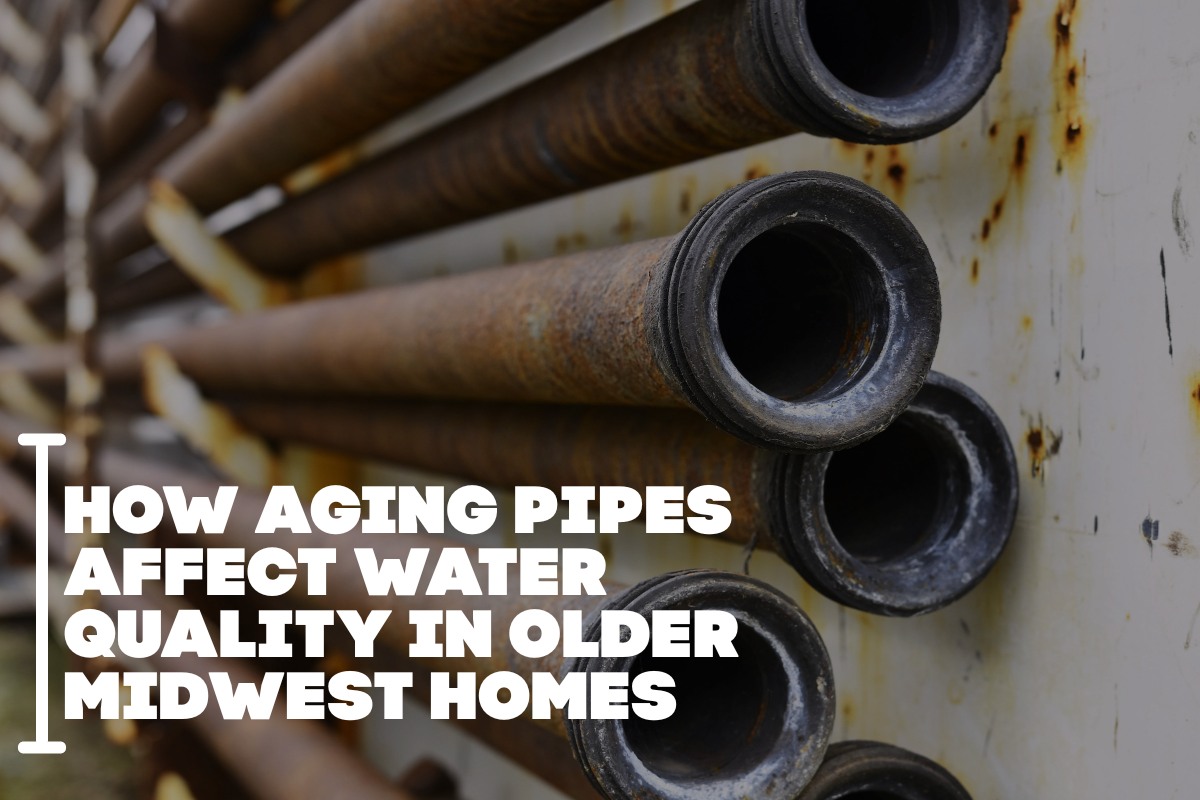
As homes age, so do their plumbing systems. In many older homes, particularly in regions like the Midwest, the pipes that were once state-of-the-art in their time can now present significant challenges to water quality and safety. Aging pipes may not only affect the efficiency of a home’s plumbing system but can also introduce contaminants into the water supply, compromising the health and well-being of residents.
Understanding the ways in which aging pipes affect water quality is crucial for homeowners who want to ensure clean and safe water for their families. In this article, we’ll explore how aging pipes impact water quality in older Midwest homes and offer suggestions on how to mitigate these risks.
1. Corrosion and Leaching of Metals into Water
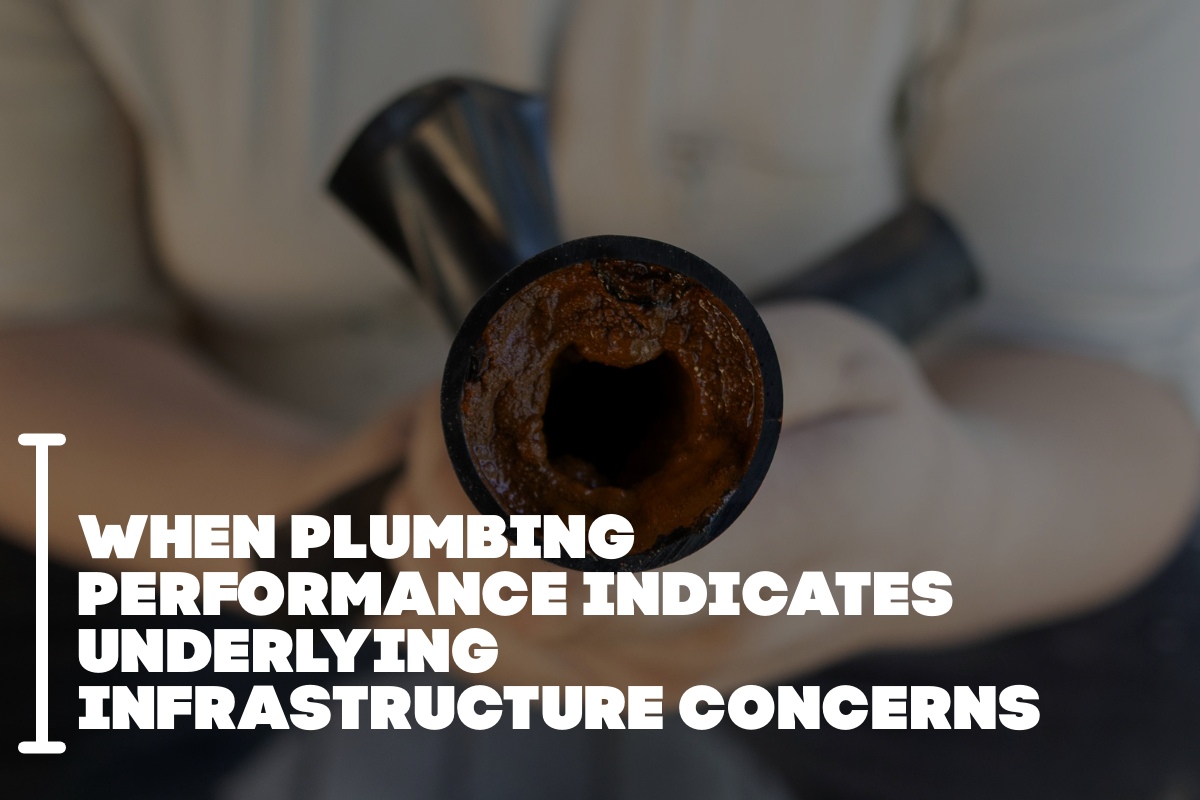
One of the most significant issues with aging pipes is the corrosion of materials such as lead, copper, and steel, which were commonly used in older homes. Over time, exposure to water, air, and other environmental factors can cause these materials to deteriorate, leading to the release of harmful metals into the water supply.
How It Affects Water Quality:
- Lead Contamination: Lead pipes, which were widely used in homes built before 1986, can corrode over time and leach lead into the water supply. Lead is a toxic metal that poses serious health risks, especially to young children, pregnant women, and pregnant mothers. Even low levels of lead exposure can cause developmental delays, learning difficulties, and other health problems.
- Copper Leaching: While copper pipes are more durable than lead, they can still corrode, particularly if the water is acidic or low in mineral content. When copper pipes corrode, they can release copper into the water, which, at elevated levels, can cause gastrointestinal issues, nausea, and liver or kidney damage.
- Iron Leaching: Cast iron pipes, once common in older homes, can also corrode over time, leading to the release of iron particles into the water. This can cause staining of clothing, sinks, and toilets and may affect the taste and odor of the water. High levels of iron can also be harmful to health, causing digestive problems in some cases.
What You Can Do:
- Test for contaminants: If your home has aging pipes, it’s crucial to have the water tested for lead, copper, and other metals. Local water utilities often provide water quality reports, but you can also hire a professional to conduct more specific tests.
- Replace old pipes: If your home still has lead or corroding copper or iron pipes, replacing them with modern materials, such as PEX or CPVC, can prevent these contaminants from leaching into your water supply.
2. Water Pressure Issues
Aging pipes can suffer from mineral build-up, corrosion, and general wear and tear, leading to reduced water pressure. This can make everyday tasks like showering, washing dishes, and running appliances more challenging. While water pressure may not directly affect the quality of water, it can signal underlying plumbing issues that may also influence water quality.
How It Affects Water Quality:
- Reduced Flow: Corrosion and blockages within old pipes can restrict water flow, leading to inconsistent water delivery. In some cases, water stagnates in the pipes, which can allow harmful bacteria or pathogens to grow, especially in areas where the water supply is already vulnerable.
- Clogging: Mineral deposits, especially in hard water areas like the Midwest, can clog aging pipes, leading to backups, leaks, and even bursts. These blockages can contaminate the water by trapping debris and bacteria.
What You Can Do:
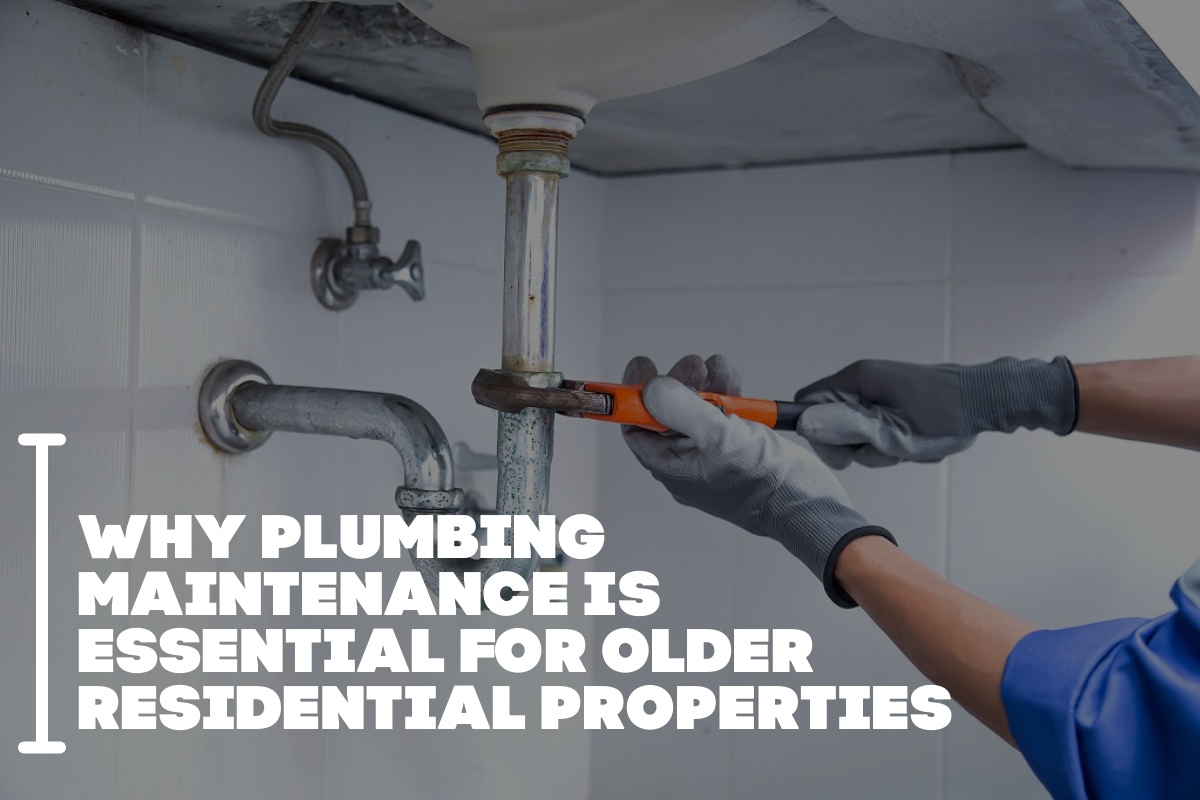
- Regular Maintenance: Periodic plumbing inspections and maintenance can help catch issues like low water pressure early on. A plumber may recommend descaling or replacing pipes if blockages are a concern.
- Install Water Softeners: If hard water is a contributing factor to clogging, consider installing a water softener to reduce mineral deposits that contribute to pipe blockages.
3. Risk of Bacterial Growth
As pipes age, particularly in homes that are not regularly used or have areas with stagnant water, there is a heightened risk of bacterial growth. Stagnant water sitting in aging, untreated pipes can provide an ideal environment for harmful bacteria, such as Legionella, to proliferate. Legionella can cause severe respiratory infections if the contaminated water is inhaled through a shower or air conditioning system.
How It Affects Water Quality:
- Bacterial Contamination: As water stagnates in aging pipes, especially in areas with poor water flow, harmful bacteria may enter the water supply. Bacterial contamination can lead to waterborne illnesses, digestive issues, and other serious health conditions.
- Foul Odors: Stagnant water or bacterial build-up can also produce unpleasant smells, making the water unappealing to use for drinking, cooking, or bathing.
What You Can Do:
- Run water regularly: To prevent stagnation, run water through your faucets, showerheads, and other plumbing fixtures regularly, especially in areas that are less frequently used.
- Use water filters: Installing a water filtration system at the point of use (e.g., under-sink filter or whole-house filtration) can help eliminate harmful bacteria and improve water taste and safety.
- Flush the system: If you’ve recently moved into an older home or haven’t used certain faucets in a while, flushing the pipes with clean water can help remove any build-up or bacteria.
4. Lead Pipes and Their Impact on Children and Pregnant Women
The risk of lead exposure is one of the most significant concerns associated with aging pipes, especially for homes built before the 1986 ban on lead pipes in the U.S. Lead poisoning can have severe effects, particularly on young children, including developmental delays, learning disabilities, and behavioral problems.
How It Affects Water Quality:
- Health Risks: Lead leaching from old pipes into drinking water poses significant health risks. Children are especially vulnerable to lead poisoning, which can cause irreversible cognitive damage. Pregnant women are also at risk, as lead exposure can harm fetal development.
What You Can Do:
- Test for lead: If you live in an older home, get your water tested for lead content. Many local water departments offer free or low-cost testing for lead.
- Replace lead pipes: The only way to fully eliminate the risk of lead exposure from aging pipes is to replace lead pipes with safer, modern materials. This may require professional plumbing services to assess and replace the system.
- Use lead-removal filters: For immediate relief, you can use certified lead-removal water filters in drinking water, though pipe replacement is the most effective long-term solution.
5. Water Discoloration and Staining
Old pipes, particularly those made of iron or steel, can corrode over time, leading to discoloration in the water. Rust and sediment from corroding pipes can make your water appear brown or orange and leave stains on sinks, bathtubs, and laundry.
How It Affects Water Quality:
- Aesthetic Concerns: While discolored water may not pose an immediate health risk, it can make water less appealing for drinking, cooking, and bathing.
- Potential Health Risks: Rust and debris from corroded pipes can also harbor bacteria, further contaminating the water supply.
What You Can Do:
- Flush the system: If you notice discoloration, try running your faucets for several minutes to flush out any build-up in the pipes.
- Install a sediment filter: Installing a sediment filter on your water system can help trap particles and improve water clarity.
- Pipe replacement: Replacing old, corroded pipes will prevent future discoloration and ensure cleaner, safer water.
Aging pipes in older Midwest homes pose significant risks to water quality. From lead contamination and bacterial growth to rust and corrosion, the consequences of neglected plumbing can affect not only the safety of your water but also the health of your family. Regular maintenance, testing for contaminants, and proactive pipe replacement are essential steps in maintaining clean and safe water. As homes continue to age, ensuring that the plumbing system is up-to-date and functioning properly is crucial for long-term health and comfort.
Frequently Asked Questions (FAQ)
1. How do I know if my home has lead pipes?
If your home was built before 1986, there is a possibility that it may have lead pipes. You can contact your local water utility to inquire about your home’s plumbing or hire a professional plumber to inspect the pipes.
2. How often should I test my water for contaminants?
Testing your water every 1-2 years is a good practice, especially if you live in an older home with aging plumbing. More frequent testing may be necessary if you notice changes in water quality, such as discoloration or a change in taste.
3. Can water filters remove lead from my water?
Certified water filters, specifically those designed for lead removal, can reduce lead levels in drinking water. However, replacing lead pipes is the most effective way to eliminate the risk of lead exposure.
4. What are the best materials for replacing old pipes?
Modern materials like PEX (cross-linked polyethylene), CPVC (chlorinated polyvinyl chloride), and copper are commonly used to replace aging pipes. These materials are durable, resistant to corrosion, and safer for water quality.
5. How can I prevent bacterial growth in my pipes?
To prevent bacterial growth, make sure to run water regularly through unused pipes, use water filters, and have your plumbing system flushed periodically to remove any stagnant water.