Many homeowners notice issues like cloudy glassware, stiff laundry, or reduced water pressure without realizing that hard water may be the underlying cause. Hard water contains high levels of minerals—primarily calcium and magnesium—that gradually build up inside plumbing systems and appliances.
While these minerals are not harmful to human health, they can significantly affect the performance and lifespan of household fixtures and water-using appliances. Understanding how hard water causes damage can help homeowners take preventative steps and avoid costly repairs or early replacements.
What Hard Water Is and Why It Matters
Hard water forms when groundwater passes through mineral-rich soil and rock, absorbing calcium and magnesium along the way. The higher the mineral content, the “harder” the water.
When this mineral-heavy water flows through pipes, fixtures, and appliances, it leaves behind solid deposits known as limescale. Over time, this buildup becomes one of the leading causes of plumbing inefficiency and appliance wear in many households.
Mineral Buildup Inside Pipes and Fixtures
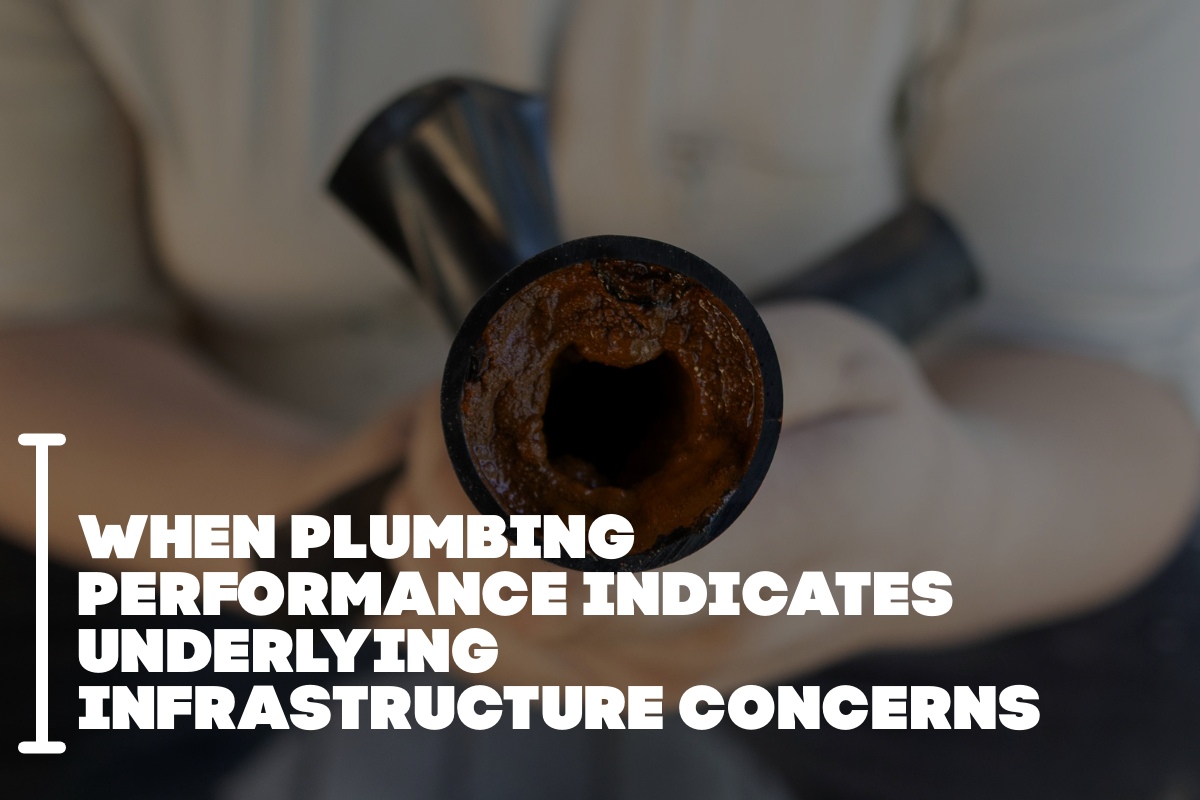
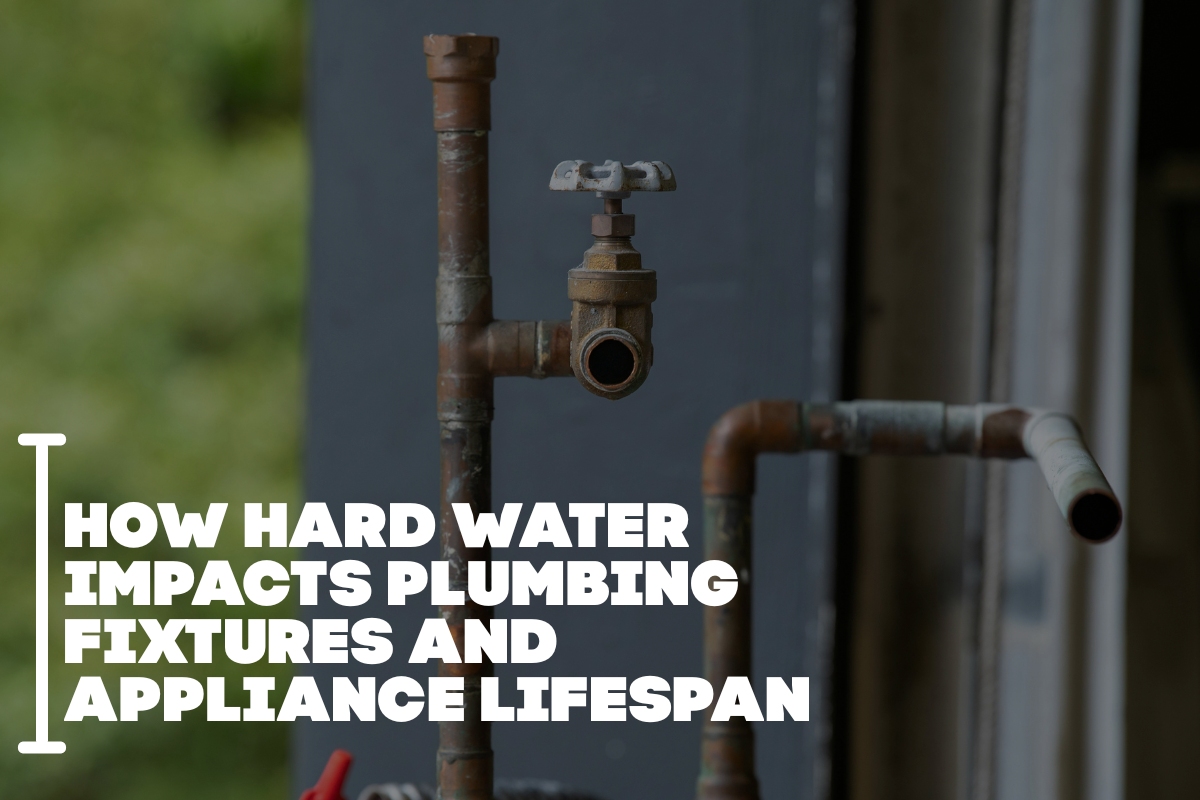
One of the most common effects of hard water is scale accumulation inside plumbing lines. As minerals settle along the interior walls of pipes, the usable diameter of the pipe gradually shrinks.
This can lead to reduced water pressure, inconsistent flow, and increased strain on the plumbing system. Faucets and showerheads are especially vulnerable because their small openings clog easily. Visible signs often include white, chalky deposits around fixture openings and uneven spray patterns in showers.
Reduced Efficiency of Water-Using Appliances
Appliances that rely on water, such as water heaters, washing machines, dishwashers, and coffee makers, are particularly affected by hard water.
Mineral deposits collect on heating elements, internal components, and water lines within these machines. As a result, appliances must work harder to perform their functions. Water heaters may take longer to heat water, dishwashers may leave residue on dishes, and washing machines may require longer cycles to clean clothes effectively. This reduced efficiency often leads to higher energy usage and increased utility costs.
Shortened Lifespan of Water Heaters
Water heaters are among the most vulnerable appliances when it comes to hard water damage. As mineral sediment builds up at the bottom of the tank, it creates an insulating layer between the heating element and the water.
This forces the system to use more energy to achieve the same level of heating. Over time, the added strain can lead to overheating, component failure, and eventual breakdown. Homes with untreated hard water often experience shorter water heater lifespans compared to those with softer water.
Wear and Tear on Dishwashers and Washing Machines
Dishwashers and washing machines rely on precise water flow and internal mechanics. Hard water disrupts this balance by clogging spray arms, damaging valves, and coating internal components with mineral scale.
Laundry washed in hard water may feel rough, fade faster, and wear out more quickly due to the way minerals interfere with detergent performance. Similarly, dishes may develop a cloudy film that does not easily rinse away, making the appliance seem less effective even when it is functioning properly.
Impact on Bathroom and Kitchen Fixtures
Beyond appliances, hard water also affects everyday plumbing fixtures. Faucets, sinks, tubs, and toilets often show visible mineral stains that are difficult to clean.
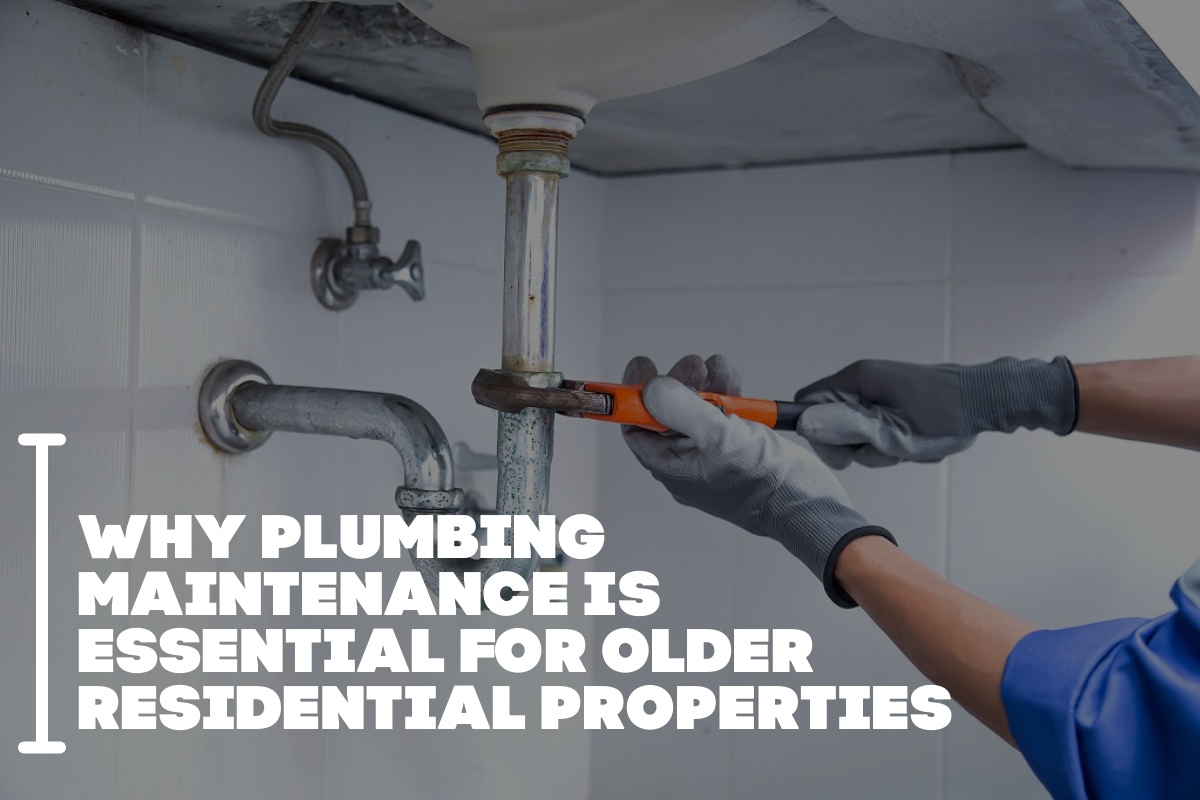
Over time, the internal parts of faucets and valves can deteriorate as mineral buildup restricts movement and damages seals. This can lead to dripping faucets, reduced water control, and the need for more frequent fixture replacements.
Increased Maintenance and Repair Costs
The gradual damage caused by hard water often leads to higher long-term maintenance costs. Homeowners may find themselves frequently replacing showerheads, repairing appliances, or calling plumbers to address low water pressure and clogged pipes.
Because mineral buildup occurs slowly, the financial impact is often underestimated until multiple issues appear. Preventative solutions are typically more affordable than repeated repairs and replacements.
The Role of Water Softeners in Protecting Plumbing Systems
Water softening systems are one of the most effective ways to reduce the impact of hard water. These systems remove excess calcium and magnesium before water enters the plumbing system.
By reducing mineral content, water softeners help protect pipes, extend appliance lifespan, improve cleaning efficiency, and reduce soap usage. Many homeowners who install water softeners notice immediate improvements in water quality and long-term reductions in maintenance needs.
Simple Habits That Can Reduce Hard Water Damage
Even without a full water softening system, there are practical steps homeowners can take to minimize damage. Regularly cleaning fixtures, descaling appliances, flushing water heaters periodically, and using appropriate cleaning products can slow mineral buildup.
These habits do not eliminate hard water but can significantly reduce its impact over time, helping protect investments in both plumbing infrastructure and household appliances.
Frequently Asked Questions
Is hard water harmful to drink?
Hard water is generally safe to drink. The minerals it contains are not harmful, but they can cause issues for plumbing and appliances.
How can I tell if my home has hard water?
Common signs include white mineral stains on fixtures, reduced water pressure, soap that does not lather well, cloudy dishes, and stiff laundry.
Do all appliances get damaged by hard water?
Any appliance that uses water can be affected, especially water heaters, dishwashers, washing machines, and coffee makers.
Can hard water cause plumbing leaks?
Over time, mineral buildup can contribute to corrosion and pressure changes in pipes, which can increase the risk of leaks.
Are water softeners the only solution?
Water softeners are the most comprehensive solution, but regular maintenance, descaling, and good cleaning habits can also help reduce damage.
Does hard water affect energy bills?
Yes. Appliances like water heaters must work harder when mineral buildup is present, which can increase energy usage and raise utility costs.