Many homes today still rely on plumbing systems installed decades ago. While these systems may continue to function on the surface, aging plumbing can significantly affect a home’s efficiency, comfort, and operating costs. Understanding how longstanding plumbing systems influence modern home efficiency helps homeowners make informed decisions about maintenance, upgrades, and long-term investments.
Aging Pipes and Water Flow Efficiency
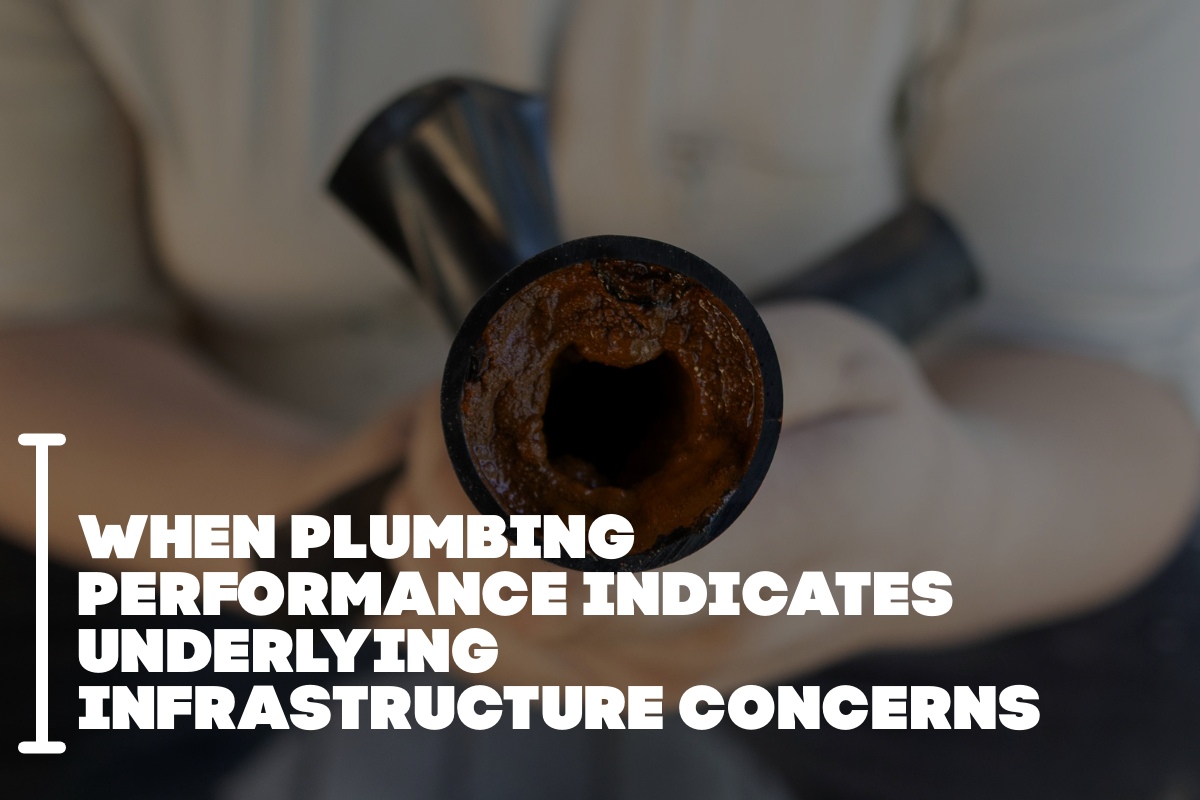
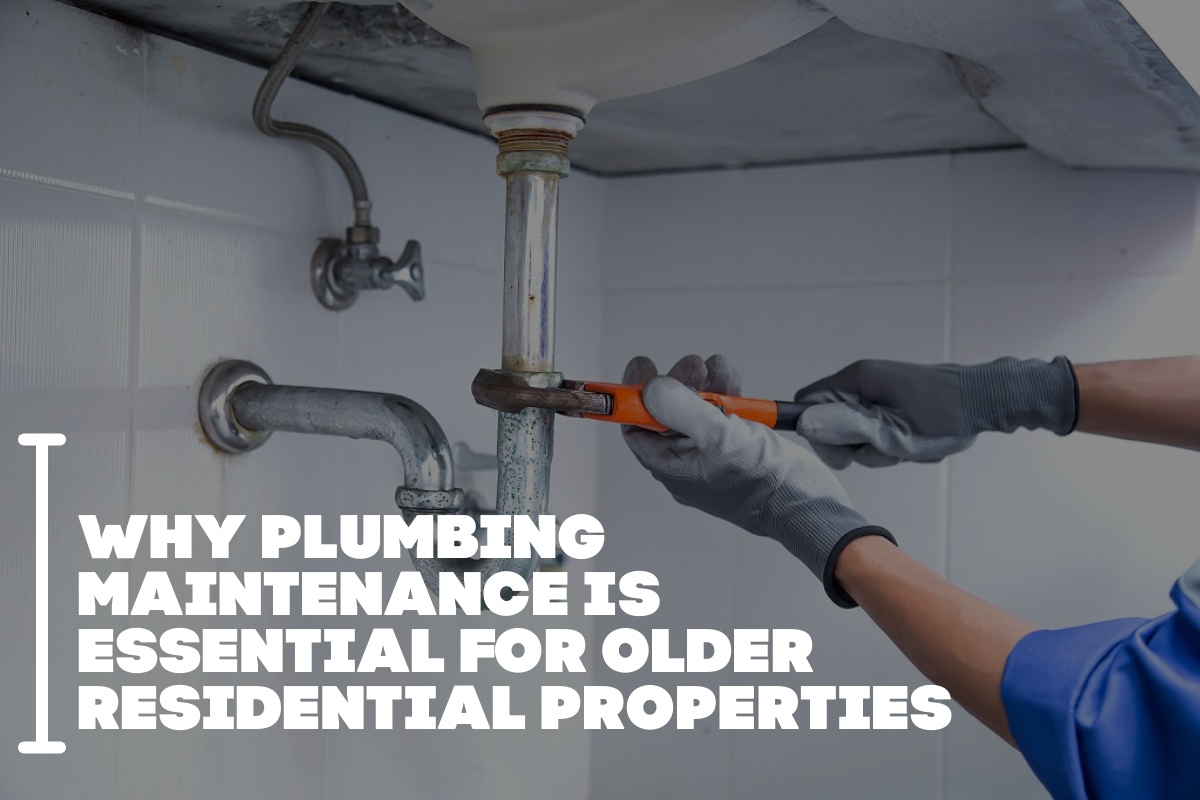
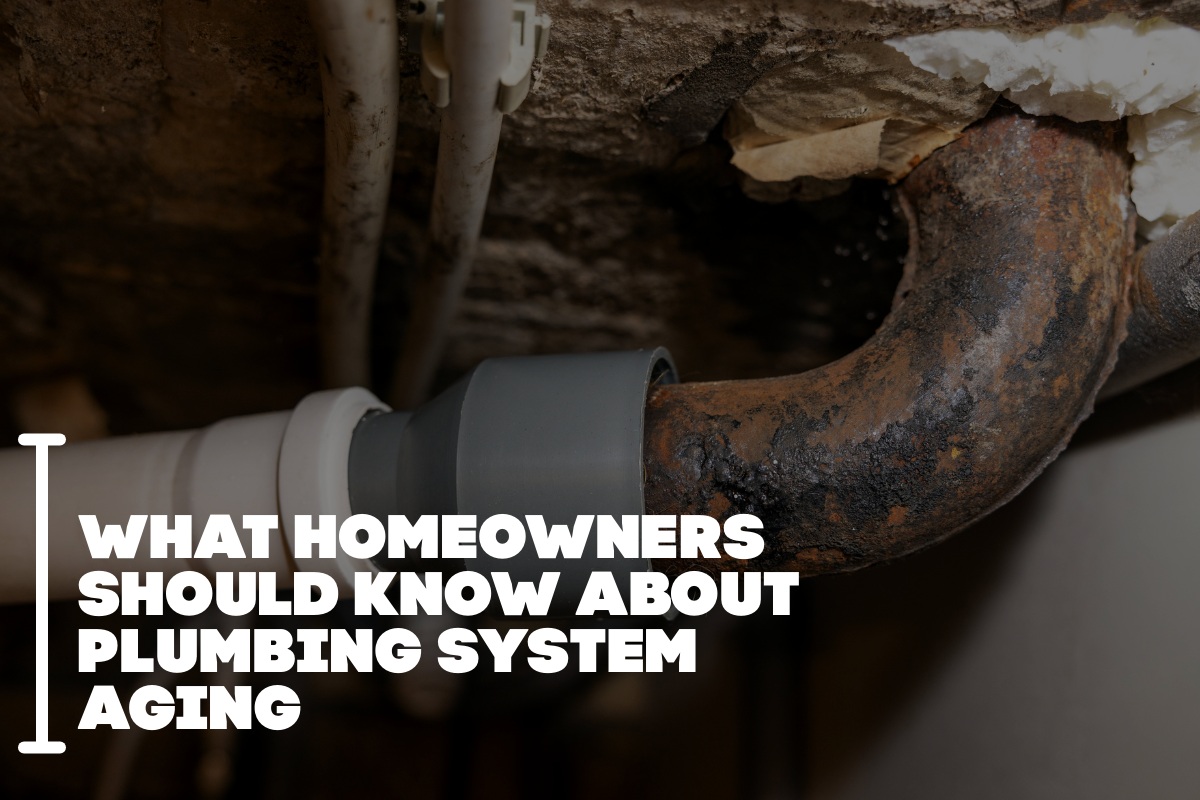
Older homes often use galvanized steel, cast iron, or outdated copper piping. Over time, these materials corrode, accumulate mineral buildup, and narrow internally. This reduces water flow and pressure, forcing fixtures and appliances to work harder to deliver the same performance. Reduced flow efficiency can lead to longer shower times, slower filling appliances, and increased water usage overall.
Increased Water Waste and Hidden Leaks
Longstanding plumbing systems are more prone to leaks, both visible and hidden behind walls or under floors. Even small leaks can waste thousands of gallons of water annually. In modern homes focused on conservation and efficiency, this water loss directly undermines sustainability efforts and drives up utility bills. Undetected leaks also increase the risk of structural damage and mold growth, adding to long-term costs.
Impact on Energy Efficiency
Plumbing systems are closely tied to a home’s energy use, particularly when it comes to hot water. Older pipes often lack proper insulation, causing heat loss as hot water travels from the heater to faucets. This means water heaters must work harder and run longer to maintain desired temperatures. Inefficient plumbing layouts common in older homes can further increase energy consumption by extending pipe runs unnecessarily.
Compatibility With Modern Fixtures and Appliances
Modern plumbing fixtures and appliances are designed to operate efficiently with specific water pressures and flow rates. Aging plumbing systems may struggle to meet these requirements, reducing the effectiveness of water-saving toilets, low-flow showerheads, and high-efficiency washing machines. In some cases, outdated pipes can even shorten the lifespan of modern appliances due to inconsistent pressure or sediment buildup.
Water Quality Concerns
Older plumbing materials can negatively affect water quality. Corroded pipes may introduce rust, metallic tastes, or discoloration into the water supply. In very old systems, materials such as lead can pose serious health risks. Poor water quality often leads homeowners to rely on filtration systems or bottled water, adding extra expense and reducing overall household efficiency.
Maintenance Demands and Repair Costs
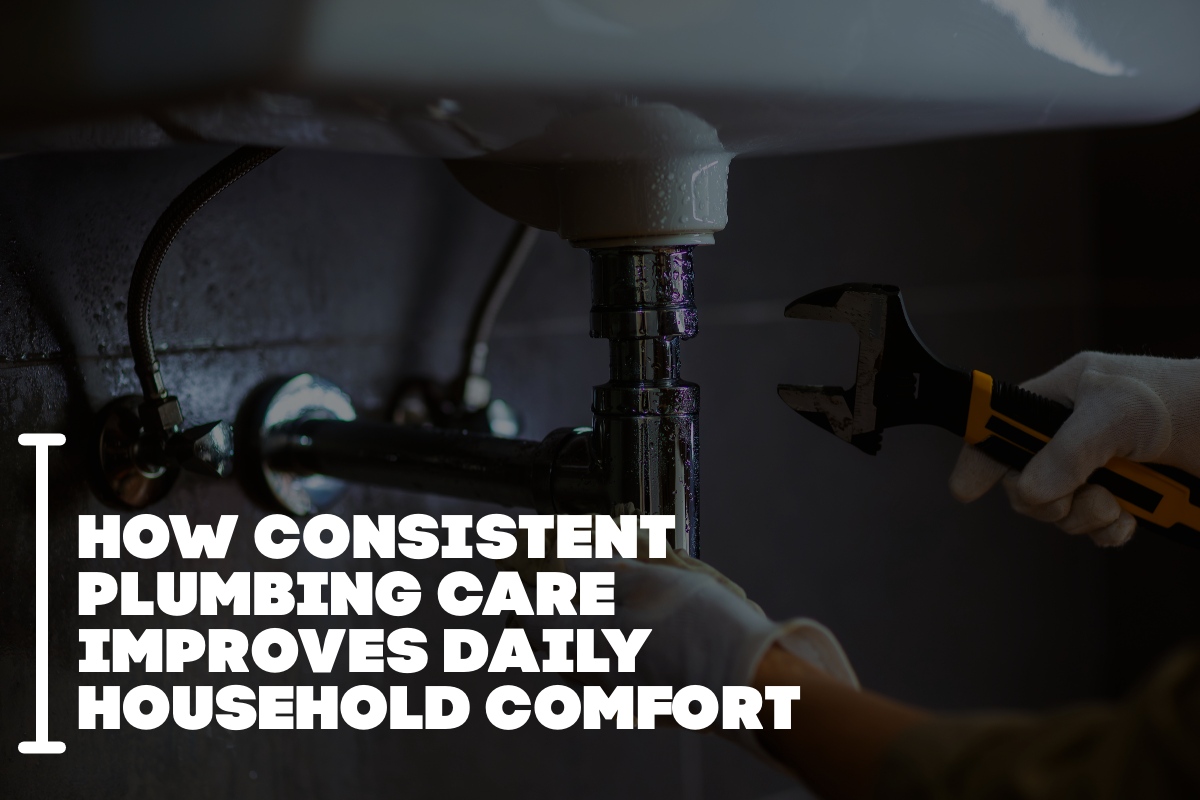
Longstanding plumbing systems typically require more frequent maintenance. Emergency repairs, pipe replacements, and fixture failures become more common as systems age. These ongoing costs reduce financial efficiency and can disrupt daily life. Preventive maintenance helps, but it cannot fully offset the limitations of outdated infrastructure.
Benefits of Modern Plumbing Upgrades
Upgrading old plumbing systems can dramatically improve home efficiency. Modern materials such as PEX or PVC resist corrosion, maintain consistent water pressure, and support efficient water distribution. Improved layouts, insulation, and pressure regulation reduce both water and energy consumption. While upgrades require upfront investment, they often result in lower utility bills, fewer repairs, and increased property value.
Balancing Preservation and Performance
For homeowners in older or historic properties, balancing preservation with efficiency is important. Strategic upgrades—such as replacing supply lines while preserving visible fixtures—can enhance performance without compromising character. Targeted improvements allow homeowners to enjoy the charm of older homes while benefiting from modern efficiency standards.
FAQs
Do old plumbing systems always need to be replaced?
Not always, but aging systems should be regularly inspected to determine if repairs or partial upgrades are needed.
How do old pipes affect water pressure?
Corrosion and mineral buildup narrow pipes, reducing water flow and pressure over time.
Can upgrading plumbing reduce energy bills?
Yes. Better insulation, efficient layouts, and improved hot water delivery reduce energy use.
Are modern fixtures effective with old plumbing?
Often less effective, as outdated systems may not support the pressure and flow needed for optimal performance.
What is the biggest risk of keeping old plumbing?
Hidden leaks, water damage, and rising maintenance costs pose the greatest long-term risks.