In the American Midwest, winter temperatures frequently fluctuate above and below freezing. These repeated freeze–thaw cycles create significant stress on residential plumbing systems, often leading to cracked pipes, leaks, and costly water damage. Understanding how temperature swings affect plumbing infrastructure helps homeowners take preventive measures and avoid major repairs.
What Are Freeze–Thaw Cycles?
A freeze–thaw cycle occurs when temperatures drop below 32°F (0°C), causing water to freeze, and then rise above freezing, allowing ice to melt. In regions such as Midwestern United States, these cycles can occur repeatedly throughout late fall, winter, and early spring.
The problem arises because water expands by approximately 9% when it freezes. This expansion creates internal pressure inside pipes and surrounding materials.
How Freezing Water Damages Pipes
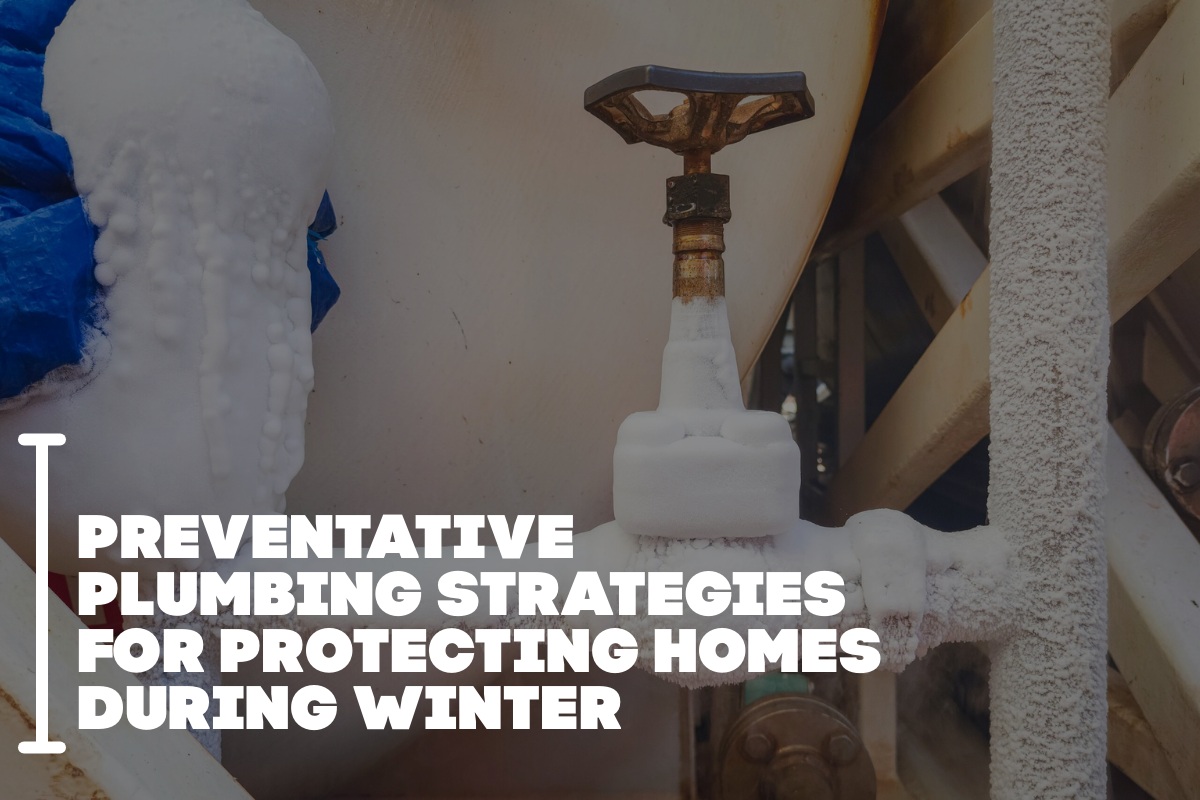
When water inside a pipe freezes, it forms ice plugs that block water flow. Continued pressure buildup behind the blockage can cause pipes to rupture.
Stress Points in Residential Plumbing
| Area | Risk Level | Reason |
|---|---|---|
| Uninsulated Basements | High | Exposure to cold air |
| Exterior Walls | High | Poor insulation |
| Crawl Spaces | Moderate to High | Limited heating |
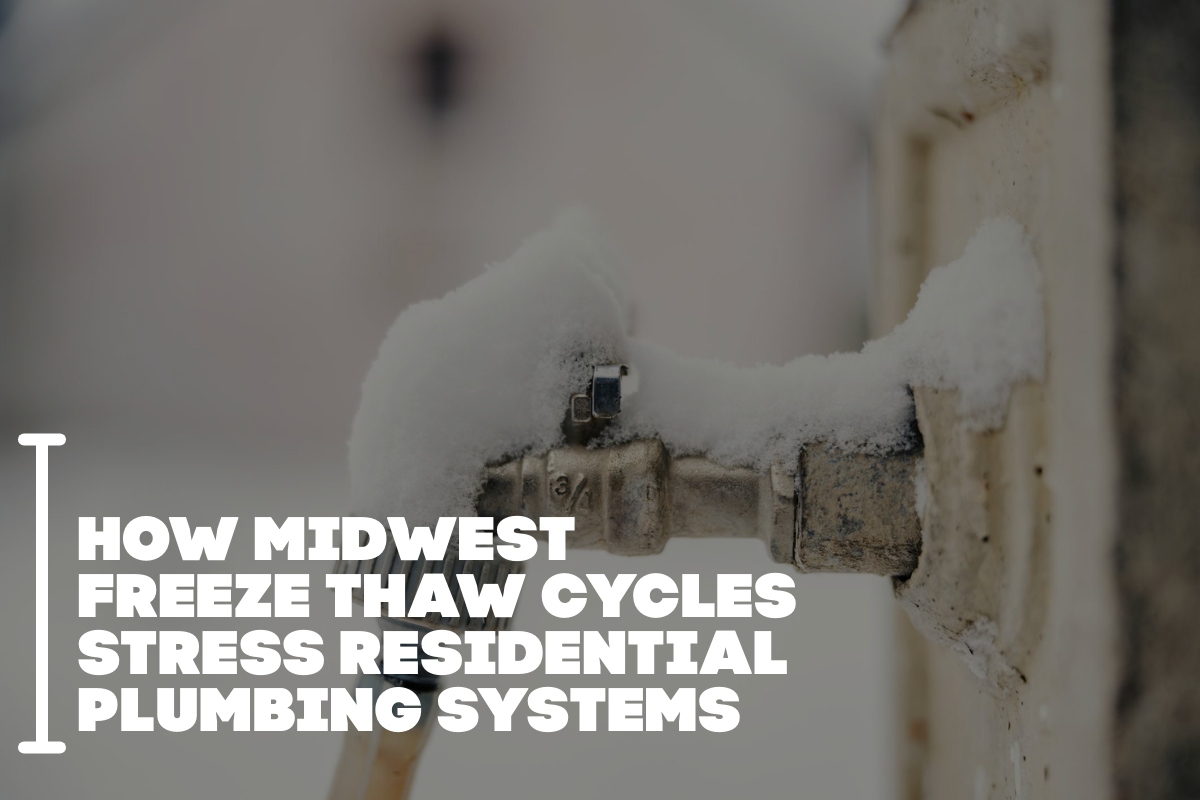
| Outdoor Hose Bibs | Very High | Direct exposure |
Pipes made of copper, PVC, or PEX can all be damaged if freezing is severe enough.
Pressure Build-Up and Pipe Bursting
Contrary to common belief, pipes usually burst not where ice forms but where pressure accumulates between the blockage and a closed faucet. The trapped water has nowhere to expand, causing:
- Hairline fractures
- Joint separation
- Full pipe rupture
Once temperatures rise and ice melts, water leaks through damaged sections, often going unnoticed until significant damage occurs.
Foundation Movement and Underground Lines
Freeze–thaw cycles also affect soil surrounding underground plumbing lines. When moisture in soil freezes, it expands, causing frost heave. As it thaws, the soil contracts.
| Soil Movement Effect | Plumbing Impact |
|---|---|
| Frost Heave | Pipe misalignment |
| Soil Settlement | Joint stress |
| Ground Shifting | Cracked underground lines |
Repeated ground movement places stress on water mains and sewer connections.
Impact on Water Pressure and Flow
Temperature swings can temporarily alter water pressure due to:
- Partial freezing within pipes
- Expansion and contraction of materials
- Air pockets created during thawing
Reduced water flow during cold spells may signal developing ice blockages.
Long-Term Material Fatigue
Repeated expansion and contraction cycles weaken plumbing materials over time. Even if pipes do not burst immediately, freeze–thaw stress can cause:
- Micro-cracks
- Joint loosening
- Seal degradation
- Valve damage
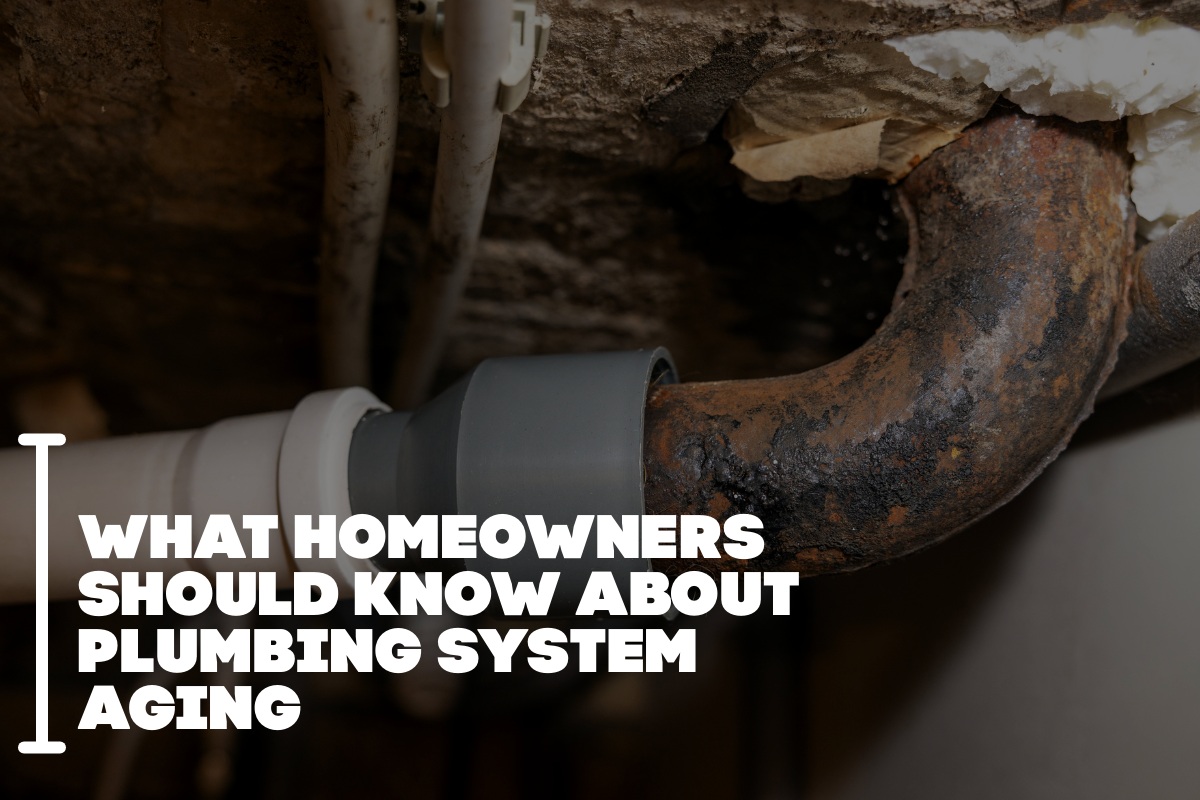
Older homes with outdated plumbing systems are particularly vulnerable.
Warning Signs of Freeze-Related Plumbing Damage
Homeowners should watch for:
- Reduced water pressure
- Unusual banging noises (water hammer)
- Damp drywall or ceilings
- Musty odors
- Sudden increases in water bills
Early detection prevents extensive structural damage.
Preventive Measures for Midwest Homes
Preventing freeze–thaw plumbing damage requires proactive preparation.
Recommended Protective Actions
- Insulate exposed pipes
- Seal air leaks near plumbing
- Allow faucets to drip during extreme cold
- Disconnect and drain outdoor hoses
- Install frost-proof hose bibs
- Maintain consistent indoor heating
| Prevention Strategy | Benefit |
|---|---|
| Pipe Insulation | Reduces freezing risk |
| Heat Tape Installation | Provides localized warmth |
| Proper Drainage | Prevents soil saturation |
| Regular Inspections | Early problem detection |
Small preventive investments can save thousands in repair costs.
Role of Modern Plumbing Materials
Newer plumbing systems using flexible materials like PEX tubing may better withstand expansion stress compared to rigid copper pipes. However, no material is entirely immune to freezing damage.
Smart leak detection systems can also provide real-time alerts when pressure anomalies occur.
Insurance and Seasonal Maintenance
Many homeowner insurance policies cover burst pipe damage, but coverage often depends on reasonable preventive efforts. Regular seasonal maintenance, especially before winter, reduces claim risks and repair expenses.
FAQs
Why do pipes burst during freezing weather?
Pipes burst due to pressure buildup when frozen water blocks flow and expands inside the pipe.
Are certain pipes more resistant to freeze damage?
Flexible materials like PEX may tolerate expansion better than rigid copper, but all pipes are vulnerable under extreme conditions.
How can I tell if my pipes are frozen?
Reduced water flow, unusual noises, or frost on pipes may indicate freezing.
Does homeowners insurance cover burst pipes?
Most policies cover sudden pipe bursts if preventive steps were taken.
What is the best way to prevent freeze–thaw damage?
Insulating pipes, sealing air leaks, maintaining indoor heat, and allowing faucets to drip during extreme cold are effective strategies.