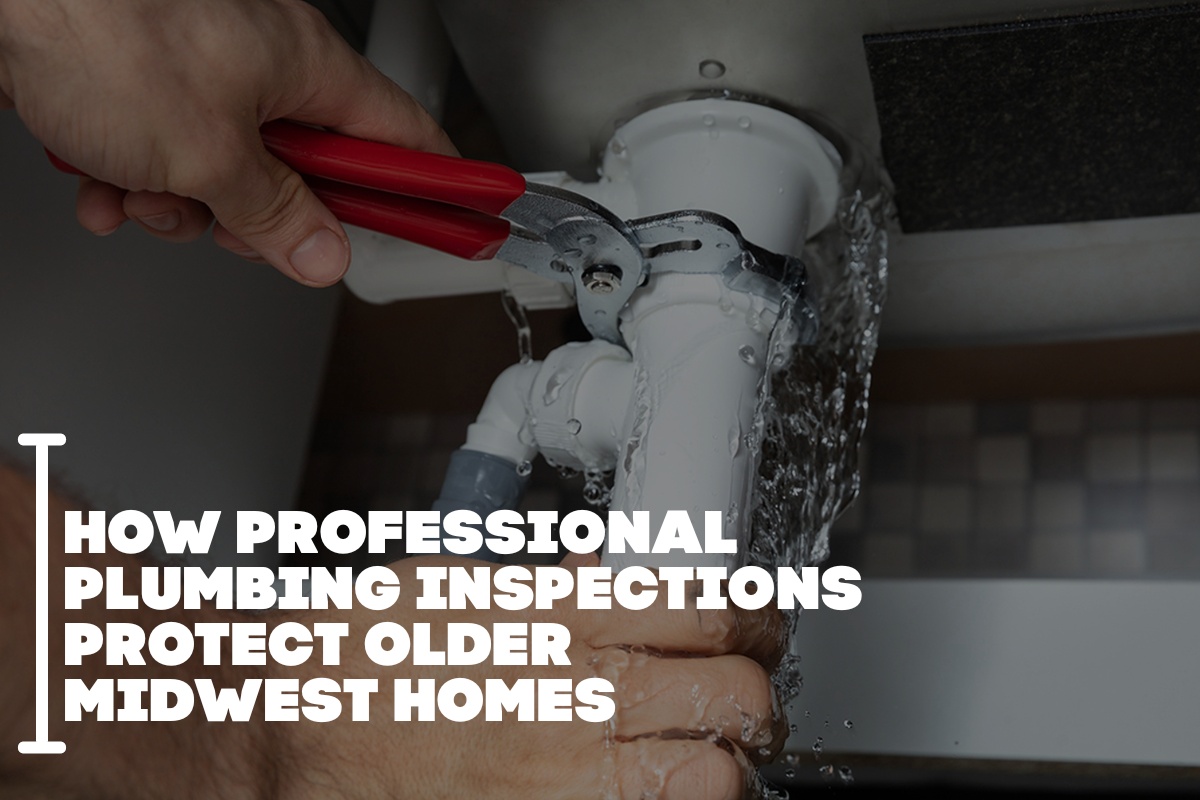
Older homes, particularly those in the Midwest, carry a unique charm and character that make them highly desirable. However, with age comes wear and tear, and one of the most vulnerable areas in older homes is the plumbing system.
Over time, pipes can deteriorate, leaks can develop, and outdated systems may fail to meet modern standards. For homeowners looking to preserve the integrity of their property and ensure long-term safety, a professional plumbing inspection is crucial.
In this article, we will explore how professional plumbing inspections protect older Midwest homes by identifying potential issues, preventing costly repairs, and enhancing overall home safety and value.
The Unique Plumbing Challenges of Older Midwest Homes
Older homes in the Midwest, especially those built before the 1950s, often come with plumbing systems that are decades old. Many of these homes were constructed with materials and technologies that are no longer commonly used today, which can pose challenges for modern homeowners. Common plumbing issues in older homes include:
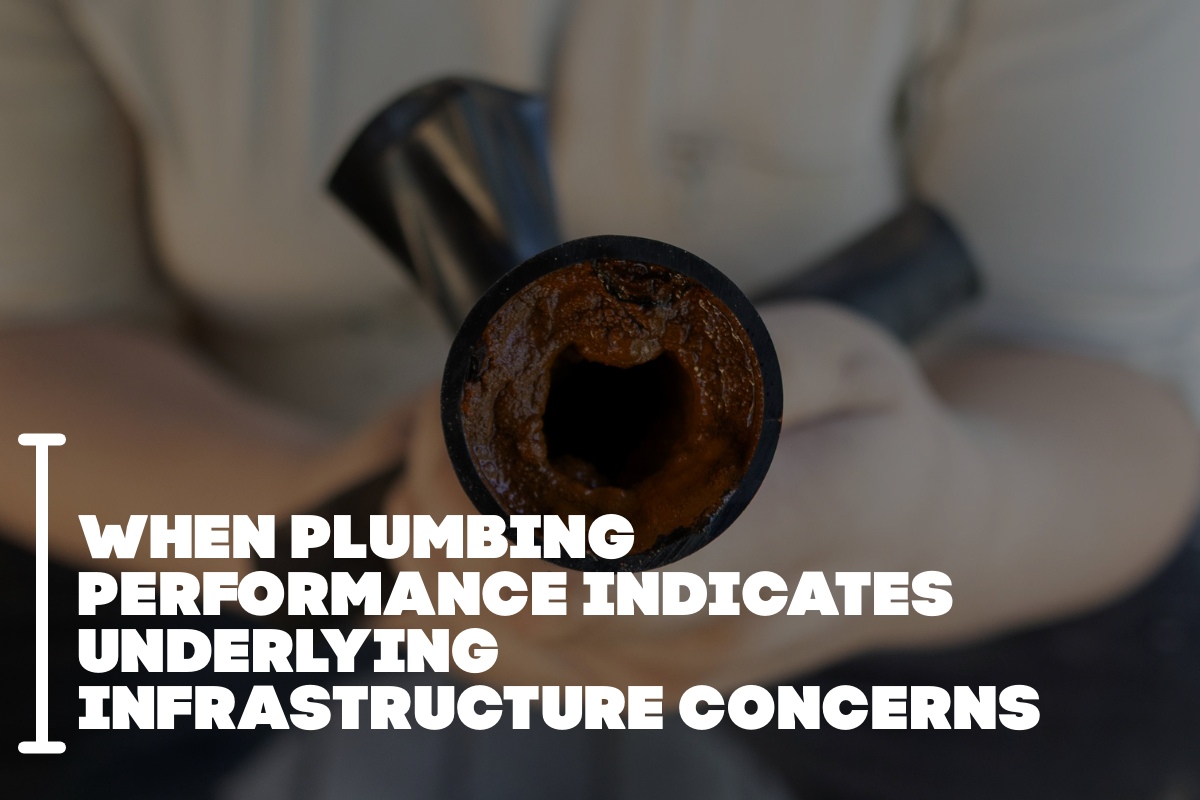
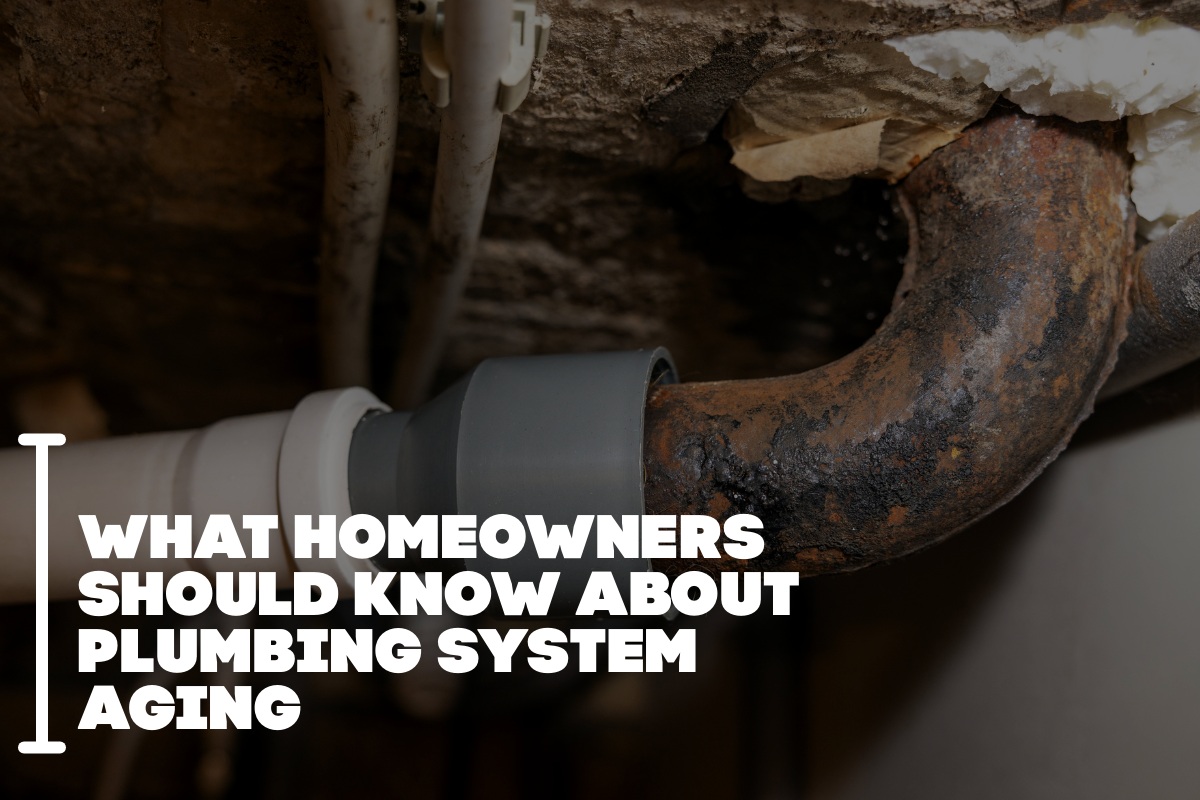
- Aging pipes: Older homes may still have galvanized steel or cast iron pipes, which are prone to rust, corrosion, and blockage over time.
- Outdated materials: Some homes may have used lead piping, which poses serious health risks due to lead exposure.
- Wear and tear: Years of water flow, temperature changes, and soil movement can cause pipes to crack, leak, or even burst.
- Non-compliant systems: Plumbing systems in older homes may not meet current building codes, which can cause problems during home sales or renovations.
These challenges underscore the importance of conducting regular professional plumbing inspections to detect and address issues early, before they develop into more serious, costly problems.
1. Identifying and Preventing Hidden Leaks
One of the most common issues in older homes is hidden leaks. Over time, pipes can develop small cracks or corrosion, allowing water to leak into walls, ceilings, and floors without immediate detection. These leaks may go unnoticed for months or even years, causing damage to the home’s structure, increasing water bills, and promoting the growth of mold and mildew.
How Plumbing Inspections Help:
- Early Detection: A professional plumber can use advanced diagnostic tools like moisture meters, thermal imaging, and video pipe inspection cameras to detect leaks that are hidden behind walls or under floors.
- Minimizing Damage: Identifying leaks early prevents extensive water damage, which can compromise the structural integrity of the home and lead to costly repairs.
- Preserving Property: By fixing hidden leaks early, homeowners can avoid more severe damage to drywall, insulation, flooring, and even electrical systems, which can occur when water is allowed to seep into these areas.
2. Upgrading Outdated Plumbing Systems
In older homes, plumbing systems were often constructed using materials that are now considered outdated and unsafe. For example, many homes built before the 1960s used galvanized steel pipes, which are prone to rust and corrosion. Even older homes may have used lead pipes, which are no longer legal due to the risks they pose to human health.
How Plumbing Inspections Help:
- Identifying Hazardous Materials: Professional plumbers can assess the materials used in your plumbing system and identify potential hazards like lead or outdated pipes.
- Planning for Upgrades: If your home has aging or hazardous pipes, a plumbing inspection can help you plan for their replacement. Replacing old pipes with modern, durable materials like copper or PEX (cross-linked polyethylene) can improve water flow, prevent leaks, and eliminate health risks.
- Ensuring Compliance with Codes: Upgrading your plumbing system not only improves functionality but also ensures that your home meets current plumbing codes, which may be required if you decide to sell or renovate.
3. Preventing Costly Emergencies
Older homes are more prone to plumbing emergencies, such as burst pipes, water heater failure, or sewer line blockages. These emergencies can lead to significant damage and expensive repairs, particularly in the colder Midwest climate where freezing temperatures can cause pipes to burst. A burst pipe in the winter, for example, can cause flooding, significant water damage, and even mold growth if not addressed promptly.
How Plumbing Inspections Help:
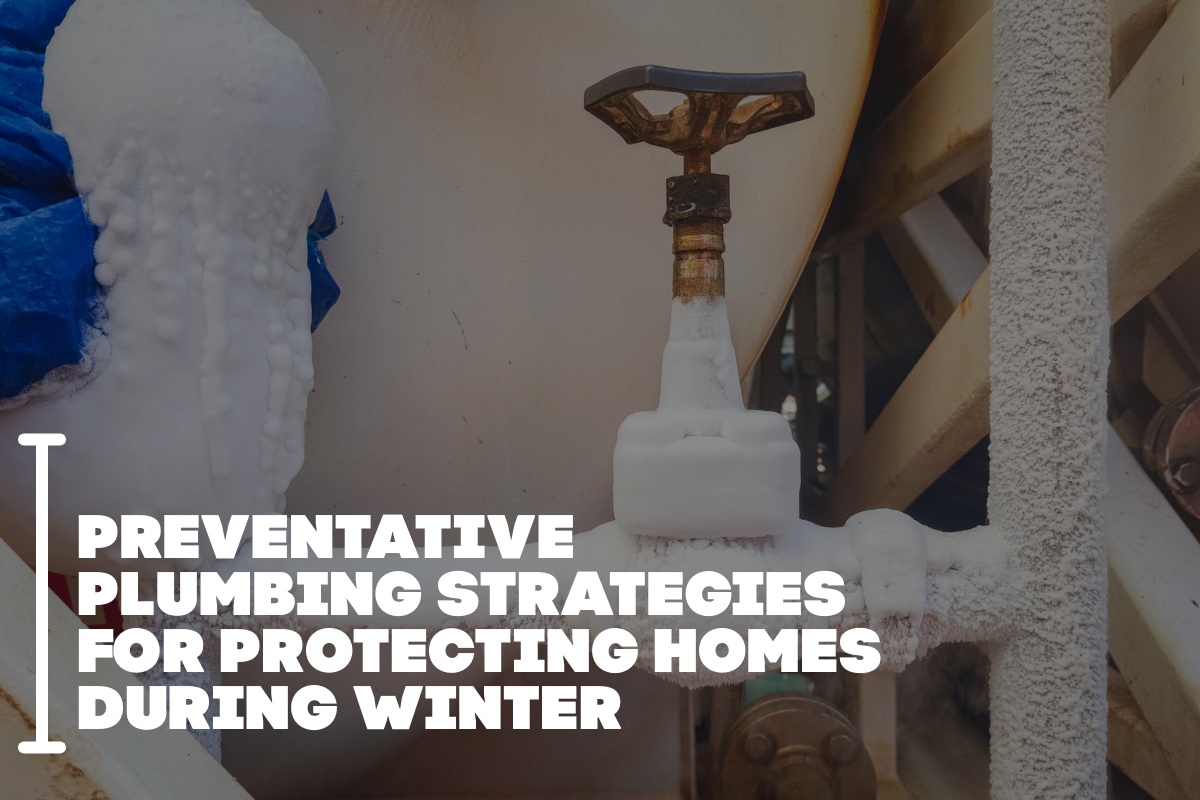
- Preventing Freezing Issues: Plumbers can identify areas where pipes are susceptible to freezing, such as those in uninsulated crawl spaces or basements, and recommend insulation or heating solutions to prevent the pipes from freezing and bursting during the winter.
- Maintaining Water Heaters: Plumbing inspections often include checks on water heaters to ensure they are operating efficiently and safely. Professional inspections can prevent costly water heater failures and extend the lifespan of the appliance.
- Sewer Line Inspections: An inspection can also identify potential problems in the sewer line, such as tree root intrusion, cracks, or blockages, which could lead to sewage backups or expensive repairs if left untreated.
4. Improving Water Efficiency
Older plumbing systems are often less water-efficient than modern systems. Leaky faucets, inefficient fixtures, and outdated pipes can lead to water wastage, driving up utility bills and negatively impacting the environment. Additionally, some older homes may have plumbing systems that don’t adhere to current water-saving standards.
How Plumbing Inspections Help:
- Upgrading Fixtures: A professional inspection can identify opportunities to replace old fixtures, such as faucets, showerheads, and toilets, with water-efficient models that reduce water consumption without sacrificing performance.
- Fixing Leaks: Inspections can help pinpoint and repair leaks in faucets, toilets, and pipes, preventing water waste and lowering monthly water bills.
- Increasing Efficiency: By recommending upgrades or repairs, plumbers can help homeowners make their plumbing systems more efficient, benefiting both the environment and their wallets.
5. Enhancing Home Value
Whether you plan to stay in your home for years to come or eventually sell, maintaining a well-functioning plumbing system can enhance the value of your home. A home with a modern, efficient plumbing system is more appealing to potential buyers, who are often concerned about the potential costs of replacing outdated or failing plumbing.
How Plumbing Inspections Help:
- Increasing Marketability: A recent plumbing inspection report showing that the system is in good condition can be a selling point for prospective buyers.
- Avoiding Surprises During Inspections: When it comes time to sell, an inspection report can help avoid surprises during a homebuyer’s inspection. Addressing plumbing issues beforehand helps ensure a smoother transaction and reduces the likelihood of negotiation delays or price reductions.
- Ensuring Longevity: Updating the plumbing system ensures that your home will continue to function well for years, adding to its longevity and long-term value.
For homeowners with older Midwest homes, a professional plumbing inspection is a vital step in protecting the integrity, safety, and value of the property. By identifying hidden leaks, upgrading outdated plumbing systems, preventing costly emergencies, improving water efficiency, and enhancing overall home value, plumbing inspections provide peace of mind and long-term benefits.
Regular plumbing inspections help homeowners catch problems early, save money on repairs, and ensure that their homes remain safe, functional, and up to code. As homes age, the need for professional plumbing inspections becomes even more critical to ensure that the plumbing system continues to serve its purpose without causing damage or unnecessary expenses.
FAQs
How often should I have a plumbing inspection for my older home?
It’s recommended to have a plumbing inspection every 3 to 5 years for older homes. However, if you experience signs of plumbing issues such as slow drains, low water pressure, or leaks, it’s a good idea to have an inspection sooner.
What are the signs that I need a plumbing inspection?
Signs that you may need a plumbing inspection include frequent leaks, low water pressure, unusual noises from pipes, discoloration or odors in your water, or water damage in areas such as the basement or under sinks.
Can a plumbing inspection help prevent frozen pipes?
Yes, a plumbing inspection can identify areas where pipes may be at risk of freezing during the winter. A plumber can recommend insulation or heating solutions to prevent freezing and potential pipe bursts.
How can plumbing upgrades increase my home’s value?
Upgrading outdated plumbing fixtures, replacing old pipes, and addressing issues like leaks can make your home more attractive to potential buyers. A modern, efficient plumbing system ensures the home is safe and functional, which can increase its market value.
Are plumbing inspections necessary if I’m planning to sell my home?
While not required, a plumbing inspection before listing your home can prevent surprises during a buyer’s inspection. It allows you to address any issues upfront, ensuring a smoother sale process and possibly enhancing the appeal of your property.