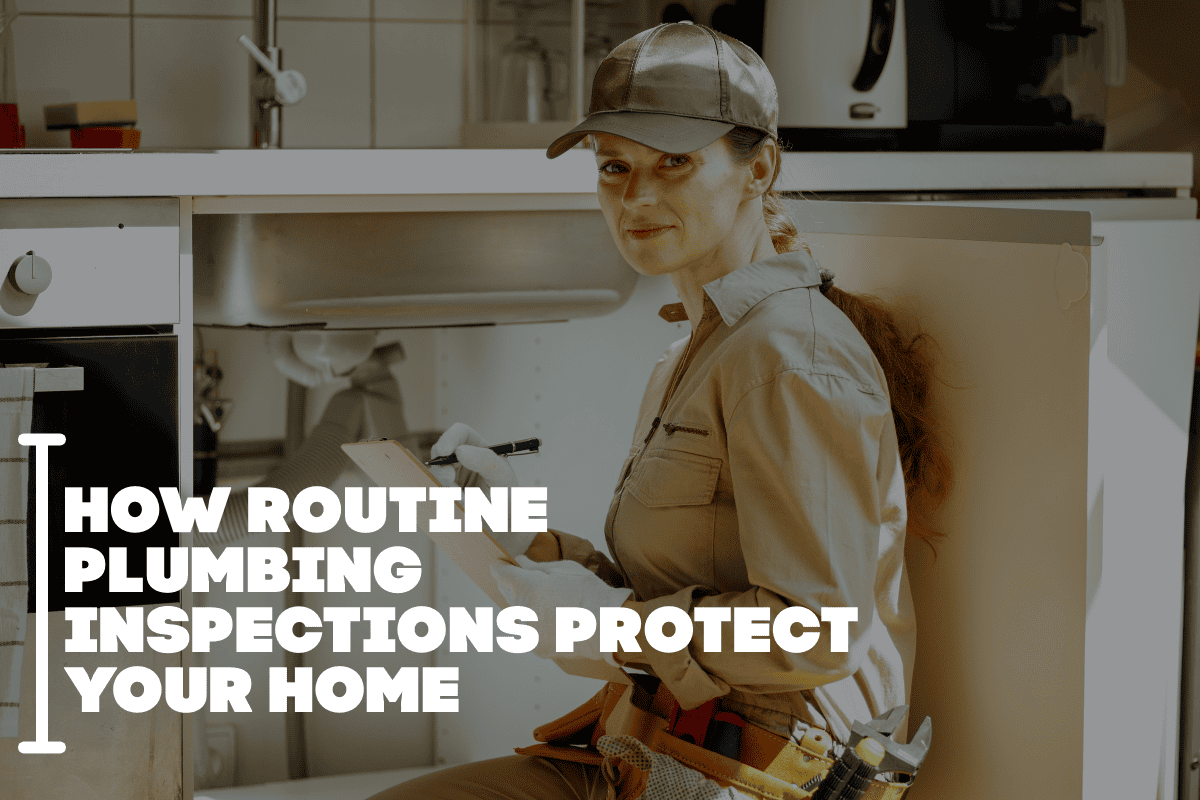
Routine plumbing inspections catch small issues early, preventing water damage, mold growth, and costly emergencies in your home. They safeguard your property’s value and health, especially in older structures or high-use households.
Early Leak Detection
Hidden leaks behind walls or under slabs often go unnoticed until they cause rot, mold, or foundation cracks. Professionals use cameras and pressure tests to spot slow drips wasting 10,000 gallons yearly, saving thousands in repairs. Slab leaks from corroded pipes raise humidity, risking structural failure if ignored.
Efficiency and Cost Savings
Inspections optimize water pressure and fix drips, cutting utility bills by up to 10%. Clogged drains or faulty fixtures strain systems, leading to premature wear; routine checks extend pipe life from 20-50 years. Annual visits prevent bursts during freezes, avoiding $5,000+ flood claims.
Health and Safety Checks
Stagnant water breeds bacteria; inspections verify clean fixtures and backflow preventers to protect supply quality. Gas line tests avert leaks, while water heater anode checks stop corrosion explosions. For families or community homes, this ensures safe water amid lead or contaminant risks.
Compliance and Resale Value
Codes require proper venting and sizing; violations fail inspections, delaying sales. Documented maintenance boosts appraisals by proving proactive care, vital for construction pros flipping properties.
Inspection Process
Plumbers scope drains, test pressure (40-80 PSI ideal), inspect water heaters, and flush tanks. Expect 1-2 hours; costs $100-300 annually, far below emergency fees.
FAQ
1. How often should I inspect plumbing?
Annually, or biyearly in hard-water areas.
2. What do inspections include?
Leaks, pressure, drains, water heaters, compliance.
3. Can I do it myself?
Basic checks yes; pros use tools for accuracy.
4. Do they save money long-term?
Yes, preventing 80% of major repairs.
5. When buying a home?
Always request a full plumbing inspection.