Seasonal weather changes don’t just affect comfort and energy bills—they place real, often unseen stress on residential plumbing systems. Shifts in temperature, precipitation, and ground conditions can strain pipes, fixtures, and drainage systems, leading to leaks, blockages, or costly failures. Understanding how each season impacts plumbing helps homeowners take preventative steps and avoid unexpected repairs.
Winter Freezes and Pipe Vulnerability
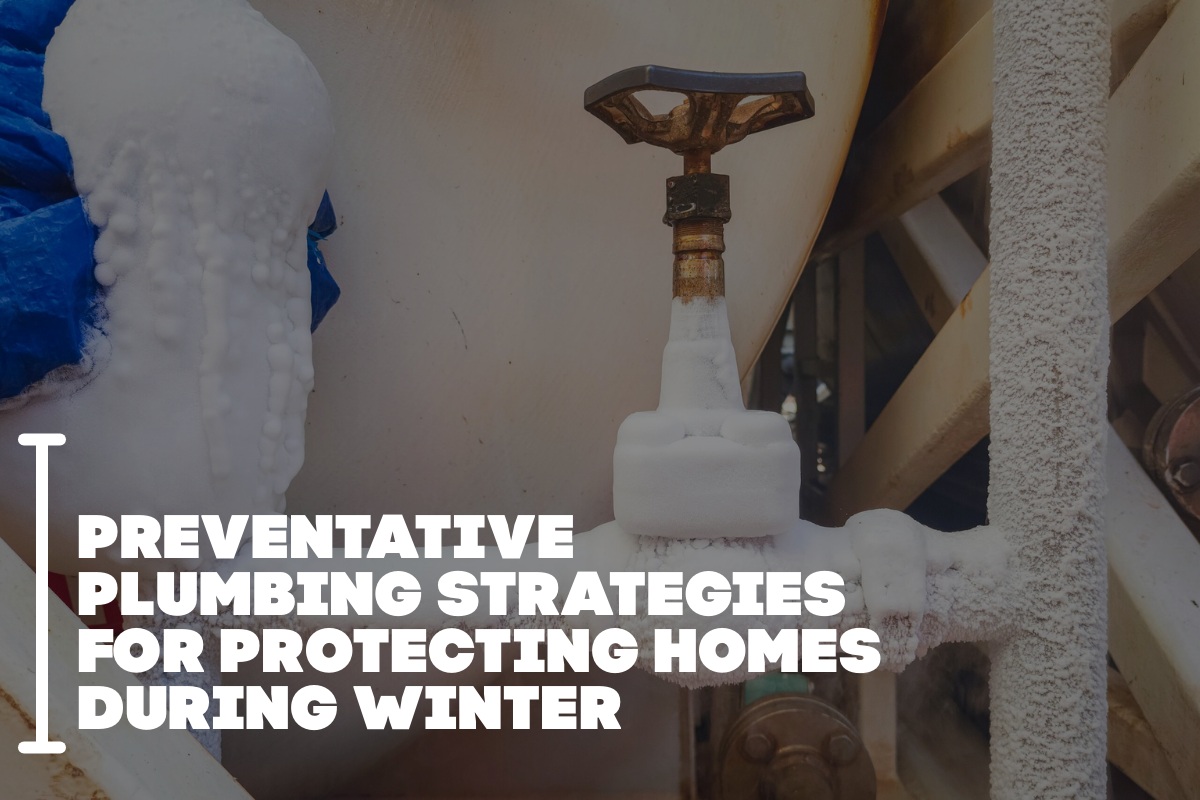
Cold weather is one of the most common causes of plumbing damage. When temperatures drop, water inside pipes can freeze and expand, increasing internal pressure. This expansion can cause pipes to crack or burst, especially in uninsulated areas such as basements, crawl spaces, garages, and exterior walls.
Winter also stresses outdoor plumbing components. Garden hoses left connected, exterior faucets, and irrigation systems are particularly vulnerable. Even small cracks caused by freezing may go unnoticed until temperatures rise and water pressure returns, resulting in leaks or flooding.
Spring Thaw and Ground Movement
As winter ice melts, spring introduces a different set of challenges. Thawing soil shifts and settles, which can stress underground pipes and sewer lines. This movement may cause misalignments, cracks, or joint separations, especially in older systems or homes with clay or cast-iron pipes.
Spring also brings increased rainfall. Excess water can overwhelm drainage systems and put pressure on sewer lines, sump pumps, and basement plumbing. Debris washed into drains can increase the risk of clogs, while rising groundwater may expose existing weaknesses in pipes.
Summer Heat and Increased Water Demand
High summer temperatures affect plumbing in more subtle ways. Heat causes pipes to expand, and repeated expansion and contraction can weaken joints over time. In areas with prolonged heat waves, soil can dry out and contract, increasing the risk of pipe shifting or cracking underground.
Summer is also a period of heavy water use. Lawn irrigation, pools, outdoor showers, and increased household activity all place additional demand on plumbing systems. This sustained pressure can accelerate wear on pipes, valves, and water heaters, especially if the system already has minor issues.
Autumn Transitions and Debris Buildup
Fall weather introduces temperature fluctuations that stress plumbing through rapid expansion and contraction. These shifts can exacerbate existing cracks or loose fittings. Early cold snaps may catch homeowners off guard, leading to frozen pipes before proper winterization occurs.
Autumn is also a prime time for debris-related plumbing issues. Falling leaves, dirt, and organic matter can clog gutters, downspouts, and outdoor drains. When drainage systems are blocked, water may back up toward the home’s foundation or into basement plumbing systems.
Cumulative Seasonal Wear Over Time
While each season presents distinct challenges, the cumulative effect of repeated weather cycles is what often leads to long-term plumbing problems. Pipes that expand and contract year after year gradually weaken. Small, seasonal issues—like minor leaks or slow drains—can compound if not addressed promptly.
Homes in regions with extreme seasonal variation are especially susceptible, but even moderate climates can cause stress through humidity changes, rainfall patterns, and temperature swings.
Preventative Maintenance as Seasonal Protection
Seasonal plumbing inspections are one of the most effective ways to reduce weather-related damage. Insulating pipes, clearing drains, disconnecting outdoor hoses, monitoring water pressure, and addressing minor issues early all help extend the lifespan of a plumbing system.
Being proactive allows homeowners to adapt their plumbing care to the season rather than reacting to emergencies after damage occurs.
FAQs
Why do pipes burst more often in winter?
Water expands when it freezes, increasing pressure inside pipes until they crack or burst, especially in uninsulated or exposed areas.
Can seasonal changes really affect underground pipes?
Yes. Soil expansion, contraction, and shifting caused by freezing, thawing, or drought can stress and damage buried pipes.
Is increased water use in summer harmful to plumbing?
High demand can accelerate wear on pipes and fixtures, particularly if there are existing weaknesses or high water pressure.
What plumbing issues are common in spring?
Spring often brings sewer backups, sump pump strain, leaks from winter-damaged pipes, and drainage problems due to heavy rain.
How can homeowners protect plumbing year-round?
Regular inspections, seasonal maintenance, proper insulation, and addressing small issues early are the best ways to reduce seasonal plumbing stress.