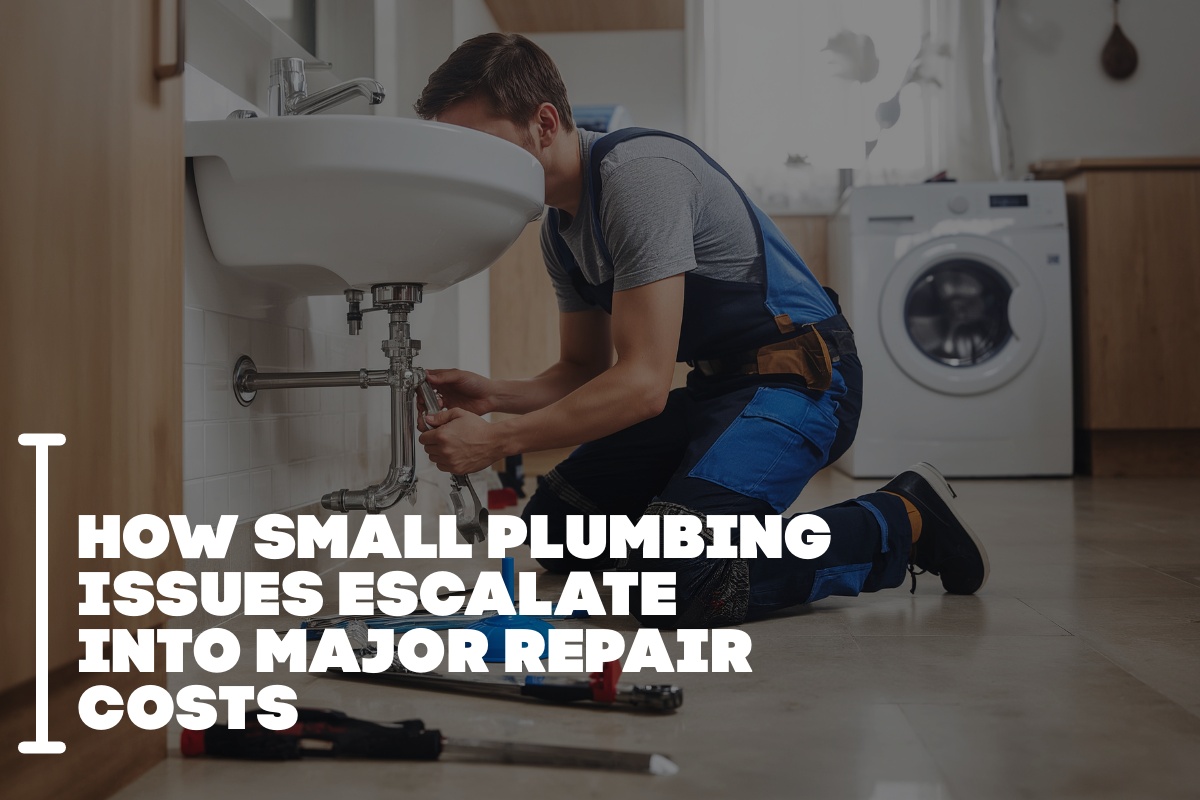
Plumbing systems are often out of sight and out of mind—until something goes wrong. A slow drip, a minor clog, or slightly reduced water pressure may seem harmless at first. However, small plumbing issues can quietly escalate into major repair costs if ignored. What begins as a manageable inconvenience can quickly turn into structural damage, mold growth, and expensive emergency repairs.
Understanding how minor plumbing problems develop into significant expenses can help homeowners take preventive action and protect their property investment.
Why Small Plumbing Problems Get Worse Over Time
Small plumbing issues rarely stay small. Water is persistent and powerful. Even a tiny leak can cause progressive damage when left unchecked.
Common reasons small issues escalate include:
- Continuous water exposure weakening materials
- Increased water pressure worsening cracks or loose fittings
- Corrosion spreading through pipes
- Blockages accumulating debris over time
- Delayed detection due to hidden pipe locations
When these factors combine, repair costs can multiply rapidly.
Common Minor Plumbing Problems That Lead to Major Repairs
1. Dripping Faucets
A dripping faucet may appear harmless, but over time it wastes water and increases utility bills. More importantly, it can indicate worn-out washers or valve seats that may lead to internal damage.
Potential consequences:
- Higher water bills
- Fixture corrosion
- Pipe joint weakening
2. Slow Drains
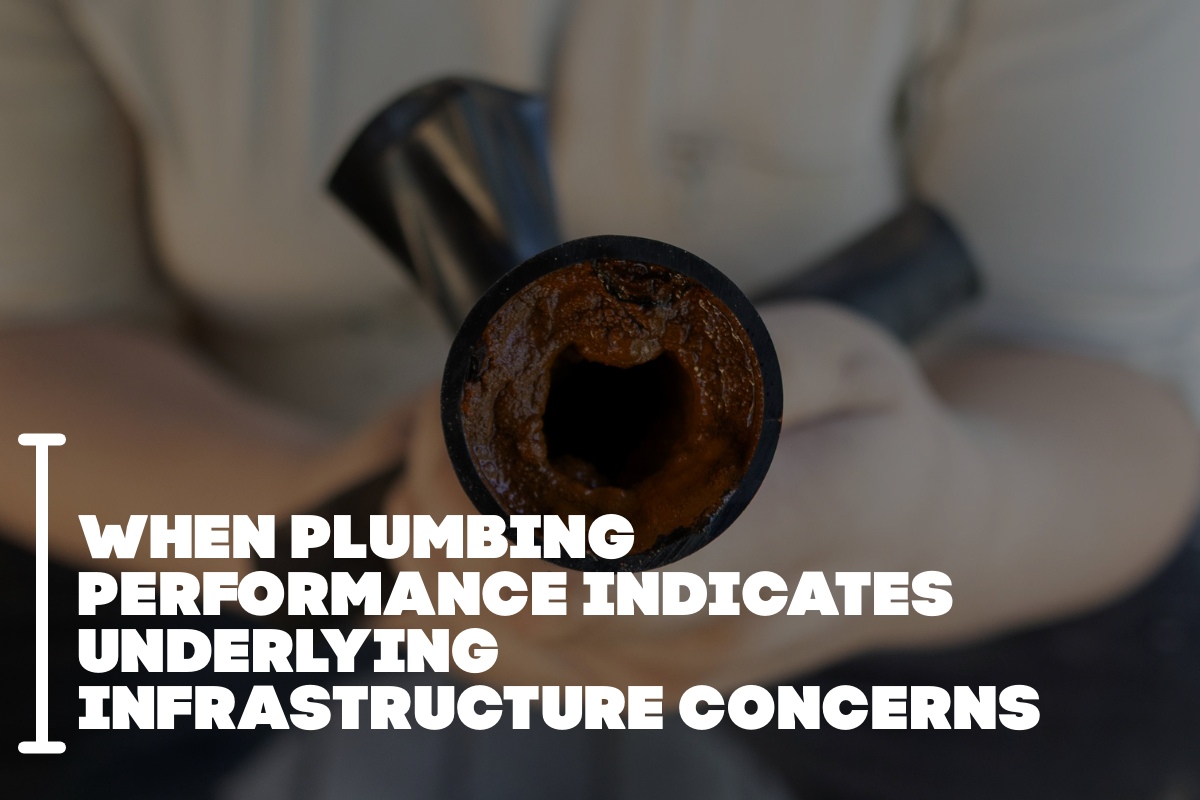
A slow drain often signals a partial blockage. Hair, grease, soap scum, and debris build up gradually, eventually causing complete clogs or pipe bursts.
Risks include:
- Pipe pressure buildup
- Sewer backups
- Foul odors
- Water damage
3. Running Toilets
A constantly running toilet wastes hundreds of gallons of water daily. Over time, it can damage internal components and increase water expenses significantly.
4. Small Pipe Leaks
Even minor leaks inside walls or under sinks can cause:
- Mold and mildew growth
- Wood rot
- Drywall damage
- Structural weakening
The longer the leak continues, the higher the restoration cost.
Cost Escalation: Small Fix vs Major Repair
Below is a comparison showing how costs can increase when small plumbing issues are ignored:
| Plumbing Issue | Early Repair Cost (Estimated) | Delayed Repair Consequences | Major Repair Cost (Estimated) |
|---|---|---|---|
| Dripping Faucet | $75 – $150 | Fixture corrosion, pipe damage | $300 – $800 |
| Slow Drain | $100 – $250 | Full blockage, sewer backup | $1,000 – $4,000 |
| Minor Pipe Leak | $150 – $400 | Mold remediation, structural repair | $2,500 – $10,000+ |
| Running Toilet | $100 – $200 | High water bills, tank damage | $500 – $1,500 |
Early intervention almost always costs significantly less than emergency repairs.
Hidden Damage: The Silent Cost Multiplier
Water damage is rarely limited to the visible area. When plumbing issues persist:
- Water seeps into insulation
- Wooden beams begin to rot
- Electrical wiring becomes compromised
- Mold spreads behind walls
These hidden damages increase restoration expenses dramatically. In many cases, homeowners must pay for:
- Wall removal and reconstruction
- Floor replacement
- Professional mold remediation
- Electrical system repairs
Insurance may not always cover damage caused by prolonged neglect.
Warning Signs You Should Never Ignore
Watch for these early indicators:
- Sudden spikes in water bills
- Low water pressure
- Discolored or damp walls
- Musty smells
- Gurgling sounds from drains
- Water stains on ceilings
Acting quickly when you notice these signs can prevent long-term damage.
Preventive Maintenance: A Cost-Saving Strategy
Routine plumbing maintenance is far less expensive than emergency repairs. Proactive steps include:
- Annual plumbing inspections
- Checking under sinks for moisture
- Cleaning drains regularly
- Replacing worn washers and seals
- Monitoring water pressure
- Insulating exposed pipes
Preventive maintenance protects both your plumbing system and your budget.
The Long-Term Financial Impact
Neglecting minor plumbing problems doesn’t just increase repair bills—it can lower property value. Buyers often request plumbing inspections before purchasing a home. Evidence of water damage or poor maintenance can:
- Reduce home resale value
- Delay property sales
- Lead to costly negotiation repairs
Maintaining a well-functioning plumbing system preserves your home’s integrity and market appeal.
FAQs
1. How quickly can a small plumbing leak cause damage?
Even a small leak can begin causing damage within 24 to 48 hours, especially in hidden areas where moisture accumulates.
2. Are small plumbing repairs really worth fixing immediately?
Yes. Early repairs are significantly less expensive than dealing with water damage, mold remediation, or pipe replacement later.
3. Can ignoring a slow drain cause a pipe to burst?
Yes. Severe blockages increase internal pressure, which can eventually lead to cracked or burst pipes.
4. How often should plumbing systems be inspected?
It is recommended to have a professional inspection at least once a year, especially in older homes.
5. Does homeowners insurance cover plumbing damage?
Insurance may cover sudden and accidental damage, but gradual damage due to neglect is often excluded. Always review your policy details.