Plumbing upgrades offer homeowners a practical way to conserve water while significantly cutting utility costs. In regions like India, where water scarcity and rising electricity bills are common concerns, simple yet effective modifications to your home’s plumbing can yield substantial savings. These improvements not only reduce water waste but also enhance efficiency in hot water delivery and prevent leaks that drive up expenses.
By focusing on high-impact changes like low-flow fixtures and smart systems, families can save 20-50% on water usage without sacrificing comfort. This article outlines key upgrades, their benefits, installation tips, and expected returns on investment.
Key Plumbing Upgrades for Water Savings
Several targeted upgrades stand out for their ease of installation and immediate impact on household water consumption.
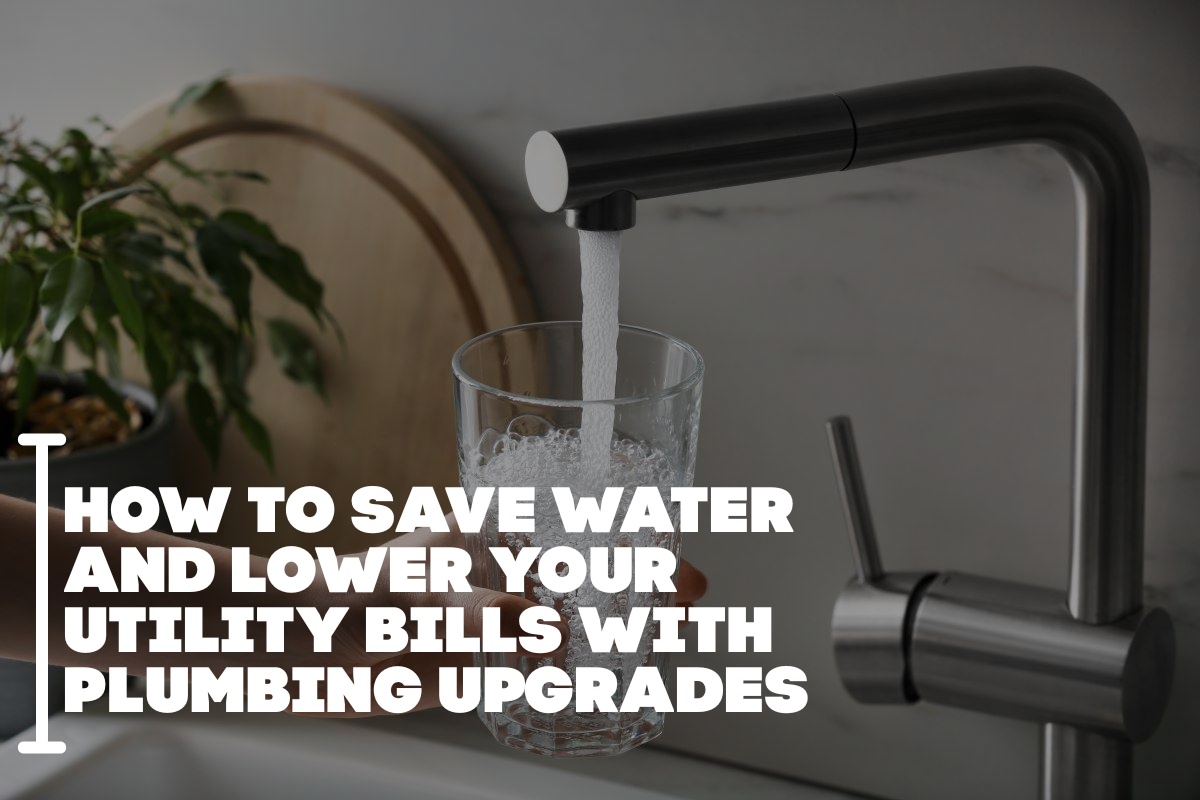
Low-flow showerheads and faucets top the list, reducing flow rates to 1.5-2.0 gallons per minute (GPM) from standard 2.5 GPM models while maintaining pressure through aerators. WaterSense-certified options can cut shower water use by 20-30%, saving thousands of gallons annually for a family of four.
High-efficiency toilets with dual-flush valves use 1.28 gallons per flush or less, compared to 3.5-5 gallons in older models, potentially halving bathroom water usage. Faucet aerators, costing under ₹500, mix air with water to deliver strong streams at half the volume.
Energy-Efficient Water Heating Solutions
Water heating accounts for a large portion of utility bills, making upgrades here doubly rewarding for both water and energy savings.
Tankless water heaters heat water on demand, eliminating standby losses from traditional tanks and reducing energy use by 24-34%. They provide endless hot water and pair well with recirculation systems that minimize cold-water run-off at taps.
Pipe insulation wraps exposed hot water lines in foam, retaining heat and delivering warmer water faster, which cuts reheating cycles. In homes with long pipe runs, this simple DIY upgrade saves 10-15% on heating costs.
Solar water heaters harness sunlight for pre-heating, slashing bills by 50-80% in sunny climates like Haryana, with government incentives offsetting initial costs.
Advanced Smart Plumbing Technologies
Modern smart systems take conservation to the next level with automation and monitoring.
Leak detection sensors and smart water meters track usage in real-time via apps, alerting you to drips that waste up to 10,000 gallons yearly. Automated shutoff valves prevent floods, saving on water damage repairs.
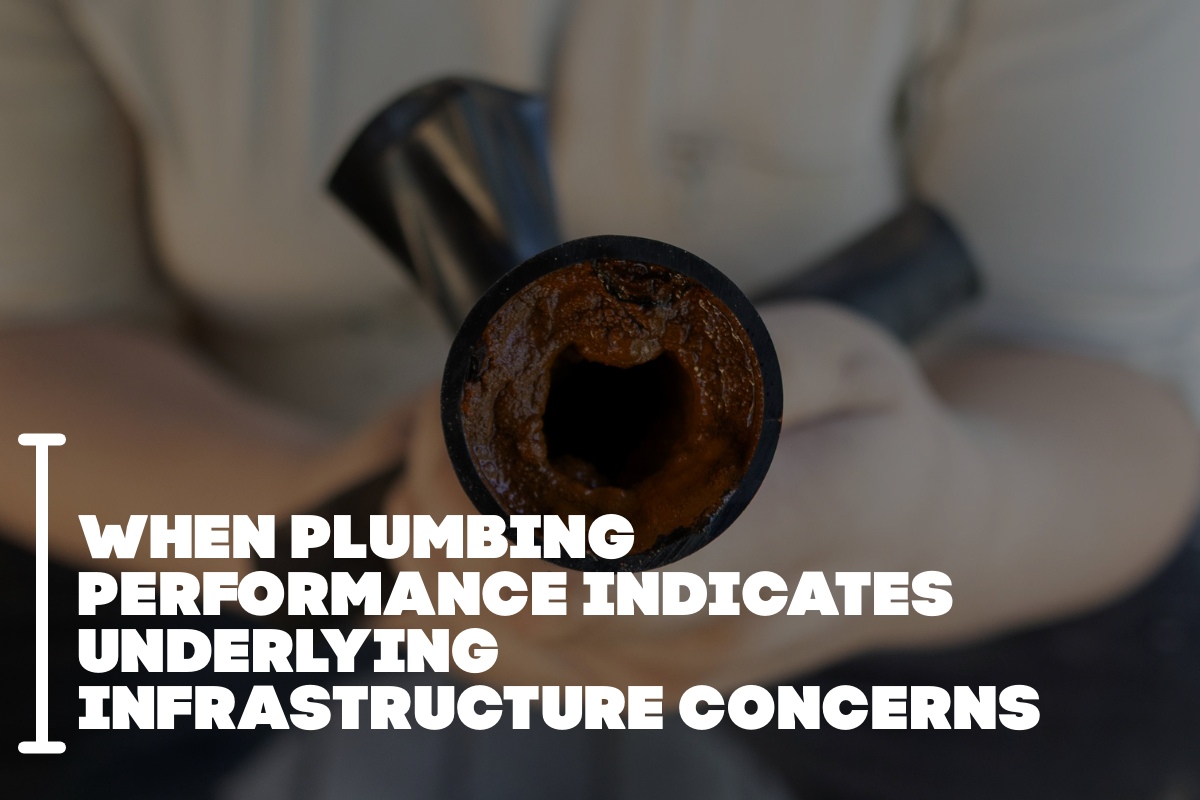
Pressure-reducing valves stabilize high municipal pressure, preventing fixture wear and excessive flow. Water softeners remove minerals that cause scaling, extending appliance life and improving efficiency in hard water areas.
Rainwater harvesting integration with plumbing diverts roof runoff for non-potable uses like gardening, reducing reliance on metered supply by 30-50%.
Installation and Maintenance Tips
Start with a home water audit: Check for leaks by turning off all taps and noting meter movement, then measure flow rates at fixtures. Prioritize high-usage areas like bathrooms and kitchens.
Many upgrades, such as aerators and showerheads, are DIY-friendly—unscrew old fixtures and attach new ones with plumber’s tape. For complex installs like tankless heaters or softeners, hire certified plumbers to ensure compliance with local codes.
Maintain savings by inspecting annually: Replace washers, clean aerators, and monitor smart apps. In Panipat’s variable water quality, combine softeners with filters for optimal performance.
Long-Term Financial and Environmental Gains
These upgrades deliver quick ROI through lower bills—households can save ₹5,000-15,000 yearly on water and energy. They also boost home value by appealing to eco-conscious buyers and may qualify for rebates under schemes like India’s Jal Jeevan Mission.
Environmentally, reduced usage eases strain on groundwater and treatment plants, lowering your carbon footprint from pumping and heating. Cleaner pipes mean less wastewater, benefiting community resources.
Frequently Asked Questions (FAQ)
Q1: How much water does a typical household waste daily?
Leaky faucets alone can waste 20-50 liters per day; overall, inefficient fixtures add 100-200 liters in high-use homes.
Q2: Are low-flow fixtures noticeable in performance?
No—modern designs use air infusion for full pressure; most users report no difference after adjustment.
Q3: What’s the cheapest upgrade with big impact?
Faucet aerators at ₹100-300 save 30-50% per tap with instant installation.
Q4: Do these work in hard water areas like Haryana?
Yes, especially with softeners; they prevent buildup that reduces efficiency over time.
Q5: Can I get incentives for these upgrades?
Check local municipal programs or central schemes for rebates on efficient fixtures and solar heaters.
Q6: How do I calculate my savings?
Track bills before/after upgrades and use online calculators from WaterSense or similar sites.