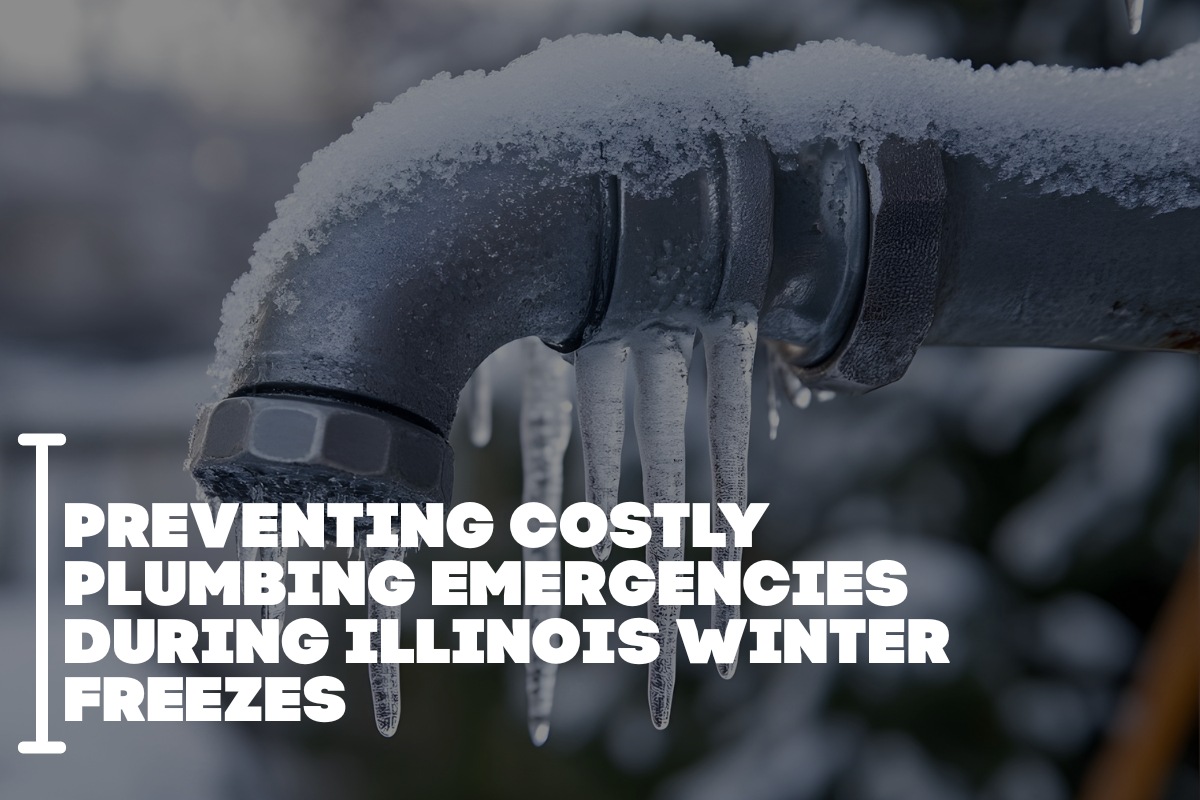
Illinois winters are known for their frigid temperatures, heavy snow, and harsh conditions. While many residents prepare for snowstorms and cold weather, plumbing systems are often overlooked. Freezing temperatures can lead to serious plumbing issues, such as burst pipes, water damage, and costly repairs.
However, with the right precautions, you can prevent these emergencies and protect your home from winter-related plumbing disasters. Here’s how to safeguard your plumbing and avoid costly repairs during Illinois winter freezes.
1. Insulate Pipes in Vulnerable Areas
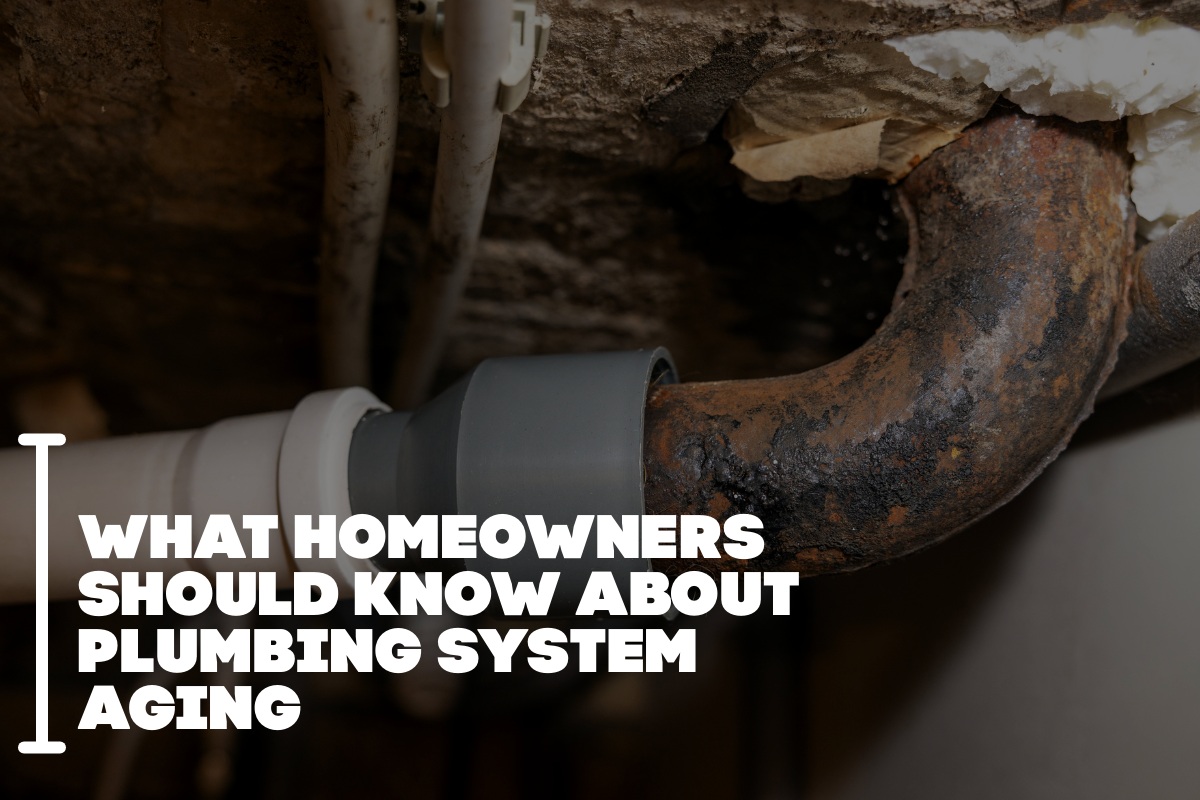
One of the most common plumbing issues in winter is frozen pipes. When the temperature drops, water inside pipes can freeze, causing them to expand and potentially burst. Pipes that are located in unheated areas, such as basements, attics, garages, and exterior walls, are particularly at risk.
How to prevent frozen pipes:
- Insulate exposed pipes: Use foam pipe insulation or insulating tape on vulnerable pipes, especially in unheated or drafty areas.
- Install pipe sleeves or heat tape: For extra protection, consider using heated tape, which can prevent pipes from freezing in extreme temperatures.
- Seal gaps: Check for cracks or openings around pipes where cold air can enter. Seal them with caulk or weatherstripping to prevent drafts.
Proper insulation helps maintain a consistent temperature around your pipes, reducing the risk of freezing.
2. Keep Your Home Warm
Maintaining a steady temperature inside your home is crucial during winter. Even if you’re not home, it’s important to keep the thermostat set to a minimum temperature (around 55°F) to ensure that the heat stays on. This prevents pipes from freezing, especially in areas that may not be directly heated.
How to maintain warmth:
- Set the thermostat appropriately: Don’t turn the heat down too low when you’re away, as this can increase the risk of frozen pipes.
- Keep cabinet doors open: Open kitchen and bathroom cabinet doors that house plumbing to allow warm air to circulate around the pipes, especially if they are located on exterior walls.
- Seal your home: Check windows and doors for drafts and ensure they are sealed properly to keep warm air in and cold air out.
By maintaining a consistent indoor temperature, you can help prevent pipes from reaching freezing conditions.
3. Let Faucets Drip During Extreme Cold
When temperatures dip extremely low, it can be helpful to let your faucets drip slightly. Running water through the pipes helps prevent freezing by reducing pressure buildup inside the system. This is especially important for faucets that are located on exterior walls or in unheated areas.
How to implement this strategy:
- Let cold water drip: Open both the hot and cold taps slightly to allow water to flow through the pipes. This can keep water moving and reduce the chances of freezing.
- Focus on vulnerable areas: Pay particular attention to faucets near exterior walls, in unheated areas, or in spaces where pipes are more exposed to the cold.
A slow drip can make a significant difference in preventing pipe bursts by keeping water circulating.
4. Maintain Your Heating System
Your home’s heating system plays an essential role in preventing plumbing problems during the winter months. If your heater malfunctions during a freeze, your home can quickly become cold, increasing the likelihood of frozen pipes.
How to maintain your heating system:
- Have a professional inspection: Schedule a heating system checkup before winter arrives to ensure everything is working efficiently.
- Replace air filters: Clogged filters can reduce airflow and cause your heating system to work harder, potentially leading to breakdowns.
- Monitor the temperature: Keep track of the temperature in rooms where pipes are vulnerable, and use space heaters if needed to provide additional warmth.
Ensuring your heating system is functioning properly will help maintain a safe temperature inside your home, protecting your plumbing from freezing.
5. Shut Off Outdoor Water Supplies
Outdoor faucets are prone to freezing during the winter, especially when they’re left unattended. Water left in hoses or pipes can freeze and expand, causing cracks or breaks in the plumbing. This is particularly important for homes with outdoor irrigation systems or hose bibs.
How to prepare outdoor plumbing:
- Shut off the water supply: Turn off the water supply to outdoor faucets and drain any remaining water from the pipes.
- Disconnect hoses: Disconnect and drain garden hoses, and store them in a shed or garage to prevent water from freezing inside them.
- Install frost-proof outdoor faucets: If you have older outdoor faucets, consider upgrading to frost-proof versions that are less likely to freeze during cold weather.
Taking these steps can prevent freezing and bursting of pipes, which are common in exterior water lines.
6. Know the Signs of Frozen Pipes
Even with the best precautions, frozen pipes can sometimes occur. Recognizing the signs of frozen pipes early can help you take action before major damage occurs.
How to spot frozen pipes:
- Reduced water flow: If you turn on a faucet and only a trickle of water comes out, it could indicate a frozen pipe.
- Unusual sounds: A gurgling or bubbling sound when running water may indicate air trapped in the pipes due to ice.
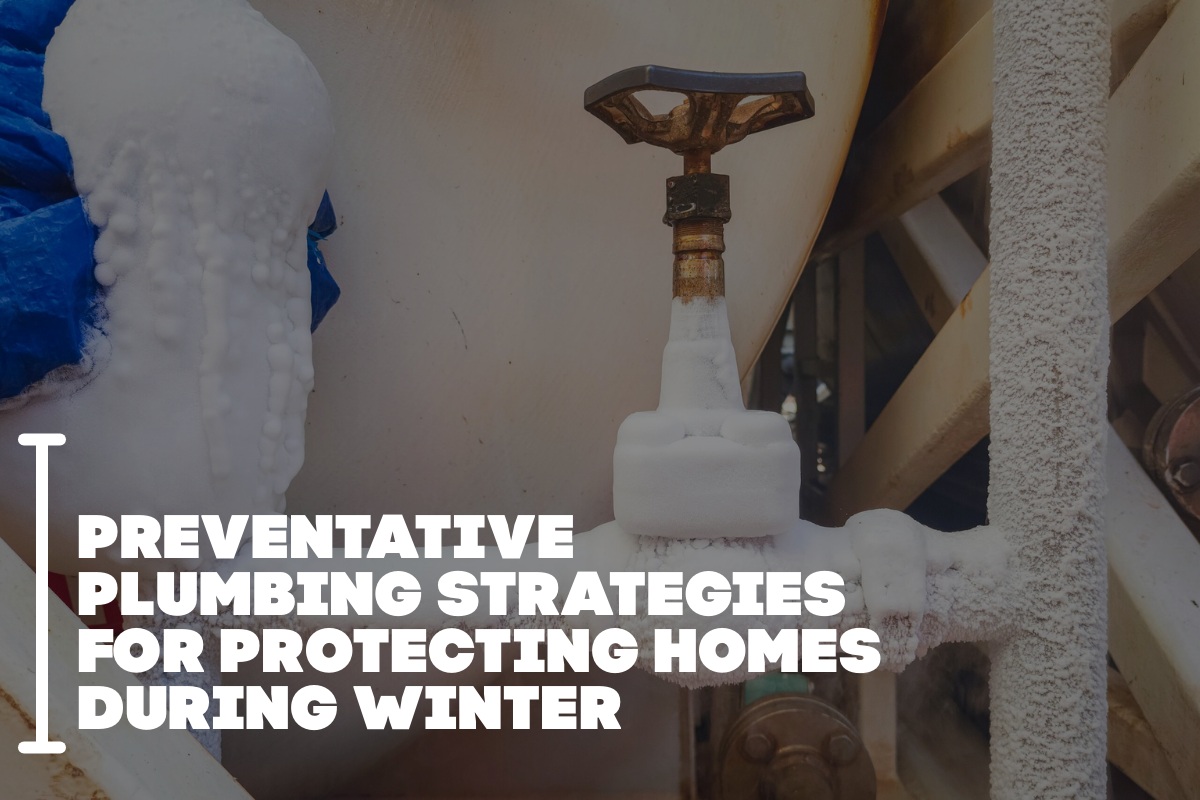
- Frost on pipes: If you see frost or ice on exposed pipes, it’s likely that water inside is frozen.
If you suspect a frozen pipe, it’s important to act quickly to thaw it before it bursts. You can use a hairdryer, space heater, or warm towels to gently thaw the pipe. Never use an open flame or direct heat, as this can cause the pipe to rupture.
7. Prepare for Emergencies
Even with preventative measures in place, it’s always a good idea to be prepared for a plumbing emergency during the winter. Having an emergency plan in place can save you time and stress when dealing with frozen or burst pipes.
How to prepare for emergencies:
- Know your shut-off valve: Learn how to turn off your home’s main water supply to prevent further flooding or damage in case of a burst pipe.
- Keep emergency numbers handy: Have a trusted plumber’s contact information available in case you need professional assistance.
- Check insurance coverage: Review your home insurance policy to ensure it covers water damage caused by burst pipes, and understand the steps for filing a claim.
Preparation can minimize the impact of plumbing emergencies and help you handle them more efficiently. Winter in Illinois can put a significant strain on your plumbing system, but with proper care and preparation, you can prevent costly emergencies caused by freezing temperatures.
Insulating pipes, maintaining a consistent indoor temperature, shutting off outdoor water supplies, and staying vigilant about the signs of frozen pipes are all essential steps in protecting your home. By following these simple strategies, you can keep your plumbing safe, your home dry, and avoid the stress and expense of dealing with plumbing disasters during Illinois’ harsh winter months.
Frequently Asked Questions (FAQs)
Q. What should I do if I notice a frozen pipe?
If you suspect a frozen pipe, try to thaw it gently using a hairdryer, space heater, or warm towels. If you can’t reach the pipe or if it shows signs of cracking, contact a plumber immediately.
Q. How can I tell if my outdoor faucet is at risk of freezing?
Outdoor faucets are at risk if they’re left connected to hoses during freezing weather. Make sure to shut off the water supply and drain any hoses or exterior pipes before the first freeze.
Q. Can I prevent frozen pipes if I’m away from home during winter?
Yes, by setting the thermostat to at least 55°F, leaving cabinet doors open to allow heat to circulate around pipes, and ensuring that all pipes are properly insulated, you can minimize the risk of frozen pipes even when you’re not home.
Q. What should I do if my pipes burst during a winter freeze?
Turn off your home’s main water supply immediately and call a plumber. Minimize water damage by moving valuables away from the affected area, and use towels or buckets to catch leaking water until help arrives.
Q. Are there any plumbing upgrades I can make to prevent freezing?
Consider upgrading to frost-proof outdoor faucets, adding pipe insulation to exposed areas, or installing a smart thermostat to keep your home at a safe temperature even when you’re away.