Plumbing emergencies rarely happen without warning. More often than not, they are the result of small, hidden issues that gradually worsen until they cause sudden and costly damage. Burst pipes, overflowing toilets, sewer backups, and water heater failures can disrupt daily life and lead to expensive repairs. Routine professional plumbing maintenance is one of the most effective ways to prevent these emergencies, protecting both your home and your budget.
Why Plumbing Emergencies Are So Costly
When plumbing systems fail unexpectedly, the damage often extends beyond the pipes themselves. Water leaks can ruin floors, walls, ceilings, and furniture within minutes. Mold growth can begin within days, creating health risks and long-term remediation costs.
Emergency repairs also tend to be more expensive than scheduled maintenance, especially when services are needed after hours or during weekends. Preventive maintenance significantly reduces the likelihood of these high-impact situations.
What Routine Professional Plumbing Maintenance Involves
Professional plumbing maintenance goes far beyond quick visual checks. Licensed plumbers perform thorough inspections of pipes, fixtures, valves, and appliances to identify early signs of wear, corrosion, or blockages.
They test water pressure, inspect drain flow, check for hidden leaks, and examine critical components such as water heaters and sump pumps. These assessments allow problems to be addressed before they escalate into emergencies.
Early Detection of Hidden Issues
Many plumbing problems develop silently behind walls, under floors, or underground. Small leaks, hairline cracks, and slow corrosion often go unnoticed by homeowners until significant damage occurs.
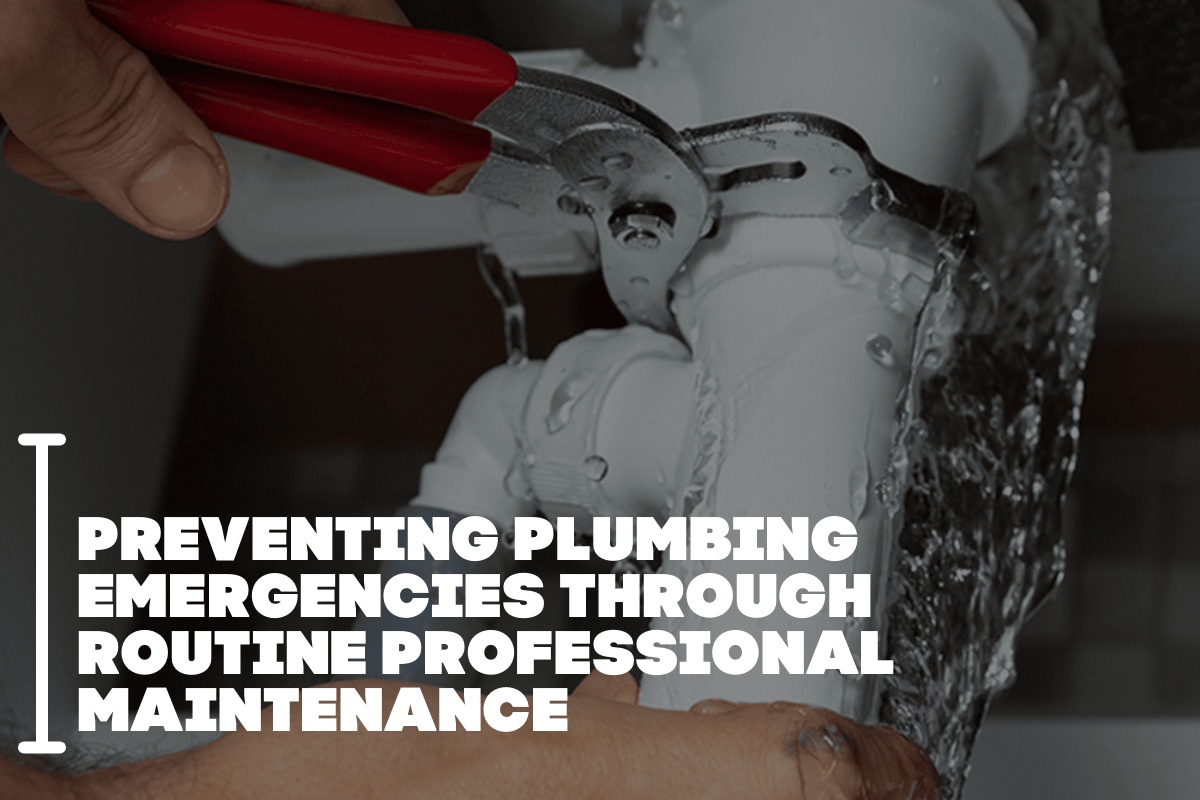
Professional plumbers use specialized tools, such as pressure gauges and leak detection equipment, to uncover these hidden issues early. Fixing a minor leak or replacing a worn valve is far less disruptive and costly than dealing with a flooded home.
Preventing Clogs and Sewer Backups
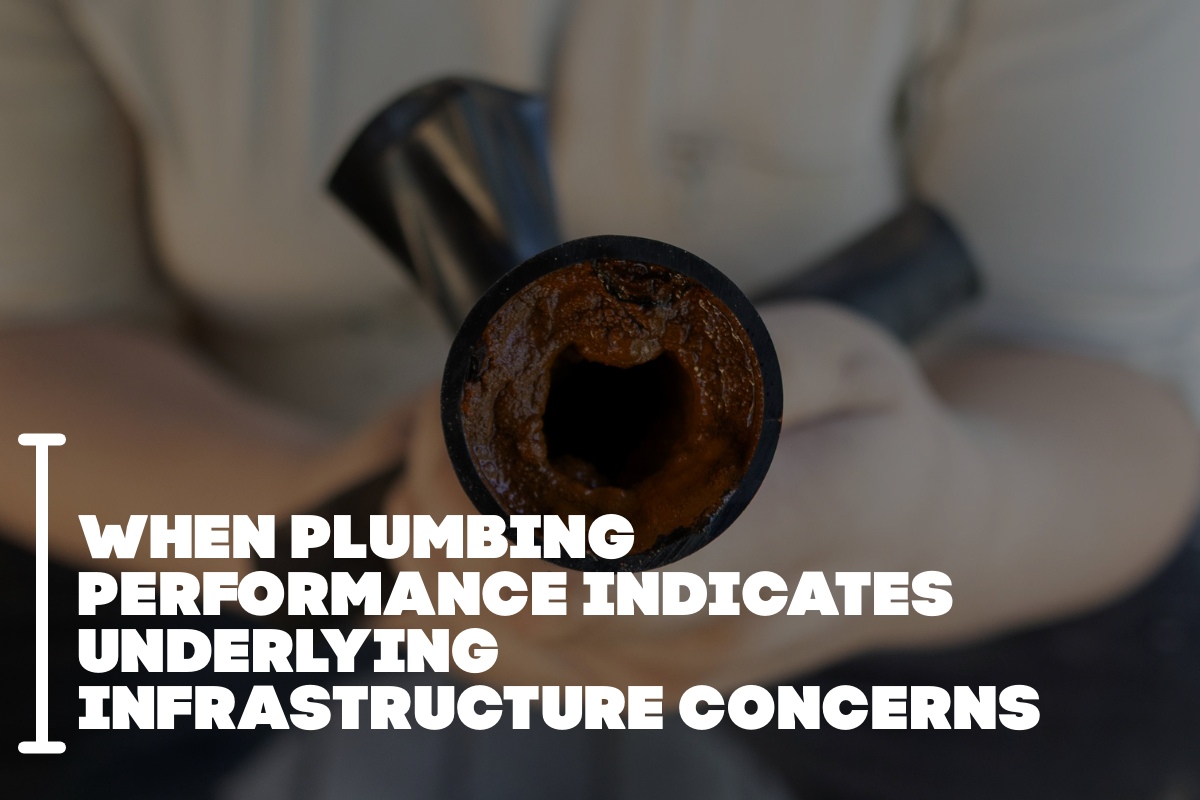
Clogged drains and sewer line blockages are among the most common plumbing emergencies. Over time, grease, soap residue, hair, food particles, and debris build up inside pipes, restricting water flow. Routine professional drain cleaning removes this buildup safely and effectively, reducing the risk of sudden backups.
Regular inspections of sewer lines can also detect root intrusion or pipe damage before a complete blockage occurs.
Extending the Lifespan of Plumbing Systems
Plumbing systems are long-term investments, and routine maintenance helps maximize their lifespan. Water heaters, for example, benefit greatly from periodic flushing to remove sediment that can reduce efficiency and cause premature failure.
Similarly, maintaining pipes and fixtures helps prevent corrosion and deterioration. By addressing minor issues early, homeowners can delay the need for major replacements and enjoy more reliable plumbing performance.
Improving Water Efficiency and Safety
Professional maintenance also improves water efficiency and safety. Leaking faucets, running toilets, and inefficient fixtures waste significant amounts of water over time. Plumbers can identify and correct these issues, helping reduce water bills and conserve resources.
Maintenance checks also ensure that backflow prevention devices and shut-off valves are functioning properly, protecting your home’s water supply from contamination and allowing quick response in emergencies.
Scheduling Maintenance for Peace of Mind
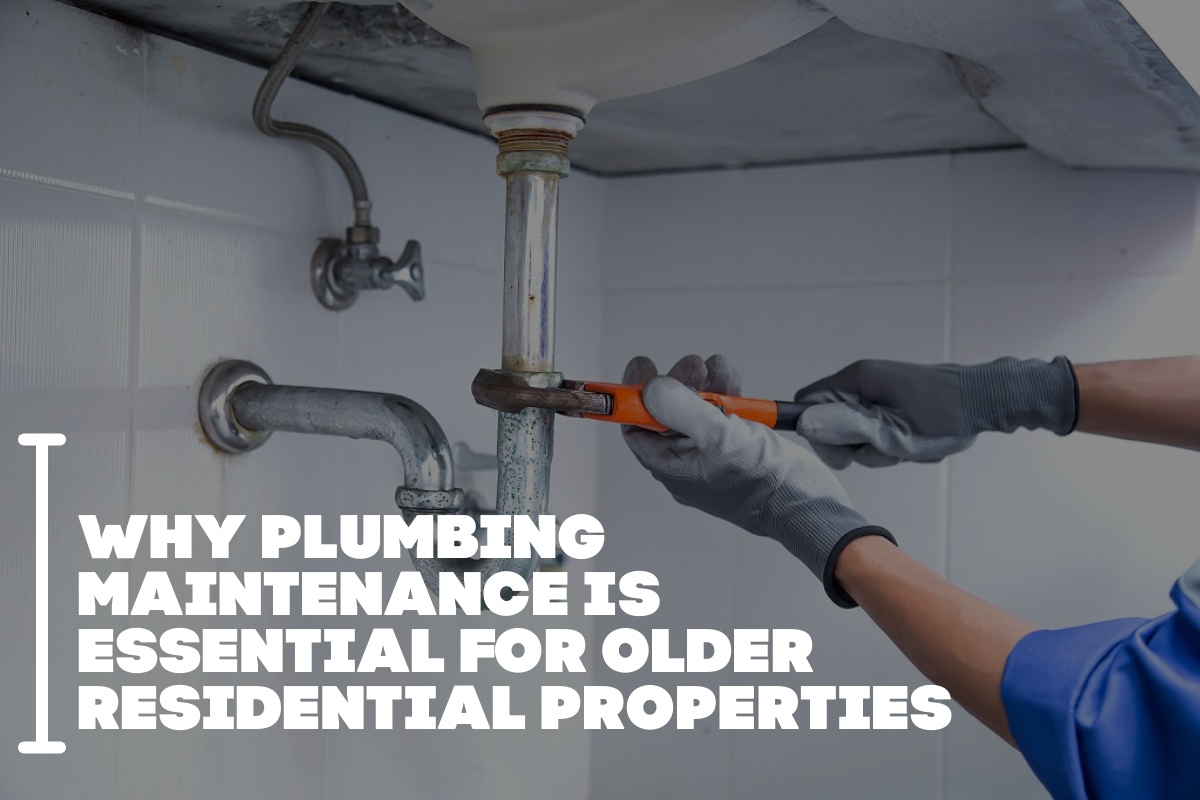
Routine plumbing maintenance is typically recommended once a year, though older homes or properties with heavy water usage may benefit from more frequent inspections.
Scheduling maintenance at regular intervals provides peace of mind, knowing that your plumbing system is being monitored by professionals. This proactive approach reduces stress, minimizes unexpected disruptions, and helps homeowners plan repairs on their own timeline.
FAQs
How often should professional plumbing maintenance be done?
Most homes benefit from annual maintenance, while older properties or those with frequent plumbing issues may need more frequent inspections.
Can routine maintenance really prevent major plumbing emergencies?
Yes, many emergencies stem from minor issues that routine inspections can detect and resolve early.
Is professional maintenance expensive?
Compared to emergency repairs and water damage restoration, routine maintenance is relatively affordable and cost-effective.
What areas of the home are checked during plumbing maintenance?
Plumbers inspect pipes, drains, fixtures, water heaters, valves, and sewer connections to ensure everything is functioning properly.
Can homeowners handle maintenance themselves instead of hiring professionals?
Basic care helps, but professional plumbers have the training and tools to identify hidden problems that homeowners often miss.