Your home’s plumbing system works quietly behind the walls and beneath the floors, making it easy to overlook—until something goes wrong. Plumbing issues rarely fix themselves, and small warning signs can quickly escalate into expensive repairs, water damage, or health risks. Recognizing the early indicators that your plumbing infrastructure needs immediate attention can save you time, money, and stress.
Below are the most common signs that signal your plumbing system may be in trouble and should not be ignored.
Persistent Low Water Pressure
A sudden or ongoing drop in water pressure is often one of the earliest red flags. While occasional pressure changes may be caused by municipal supply issues, persistent low pressure usually indicates problems within your home’s plumbing system.
Possible causes include pipe corrosion, hidden leaks, mineral buildup, or damaged pipes. Ignoring low water pressure can allow underlying issues to worsen, potentially leading to pipe failure or flooding.
Frequent Drain Clogs or Slow Drainage
Occasional clogs happen, but repeated or widespread drainage problems are a sign of a deeper issue. If multiple drains in your home are slow or clog frequently, the problem may lie in the main sewer line or aging pipes.
Blockages caused by grease buildup, tree roots, or pipe collapse can disrupt your entire plumbing system. These issues require immediate professional assessment to prevent sewage backups or structural damage.
Unusual Sounds in Pipes
Banging, rattling, whistling, or gurgling sounds coming from your pipes are not normal. These noises often indicate trapped air, loose pipe fittings, pressure problems, or water hammer effects.
Unusual pipe sounds may also suggest deteriorating infrastructure or improper installation. Left unchecked, these issues can weaken joints and increase the risk of leaks or pipe bursts.
Discolored or Foul-Smelling Water
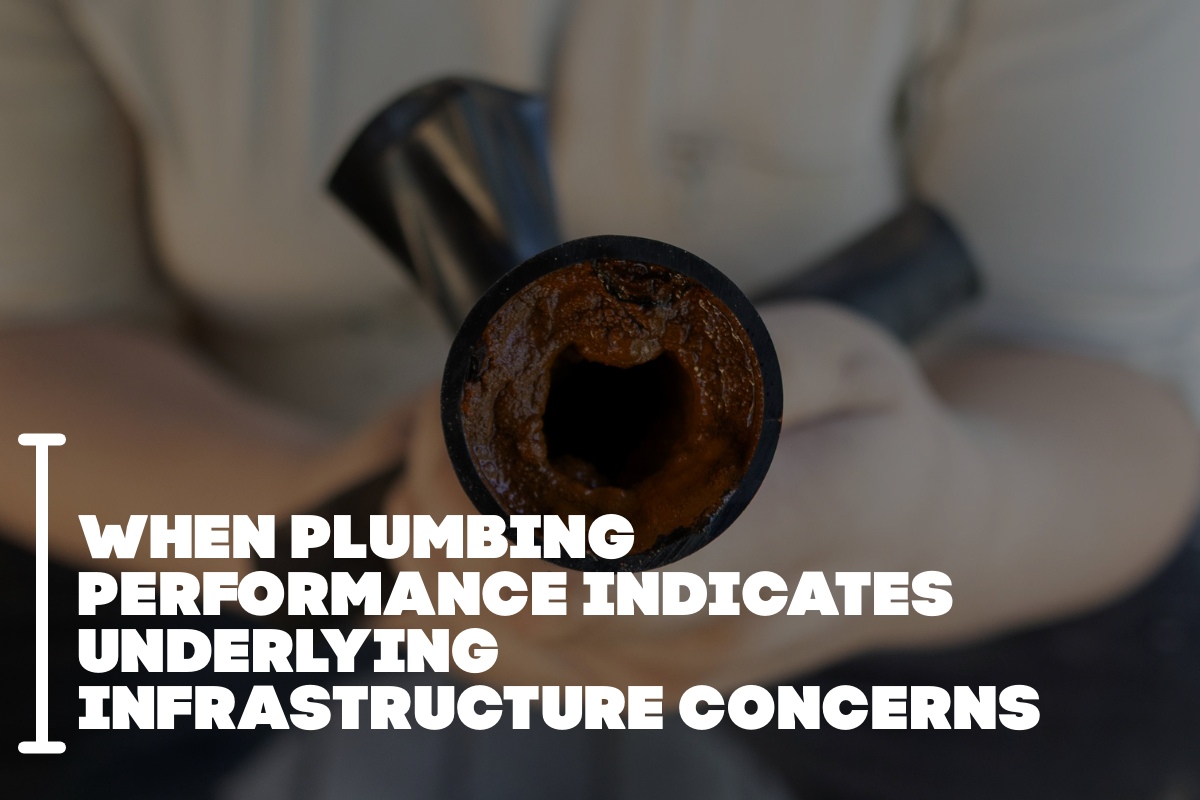
Water should always be clear and odor-free. Brown, yellow, or cloudy water often points to rusted pipes, sediment buildup, or corrosion within your plumbing system. A metallic taste or unpleasant smell can also signal contamination.
Discolored water is more than a cosmetic issue—it may pose health risks and indicates that your pipes are deteriorating and may soon fail.
Visible Water Damage or Mold Growth
Water stains on walls, ceilings, or floors are strong indicators of hidden leaks. Peeling paint, warped flooring, or bubbling drywall often result from prolonged moisture exposure.
Mold growth is another serious warning sign. Mold thrives in damp environments and can develop quickly due to undetected plumbing leaks. Beyond structural damage, mold can cause respiratory issues and allergic reactions, making immediate attention essential.
Sudden Increase in Water Bills
A noticeable spike in your water bill without changes in usage is a common sign of a hidden leak. Even small leaks can waste significant amounts of water over time, driving up costs and damaging infrastructure.
Monitoring your water bills regularly can help you identify unusual patterns early and address leaks before they become severe.
Aging Plumbing System
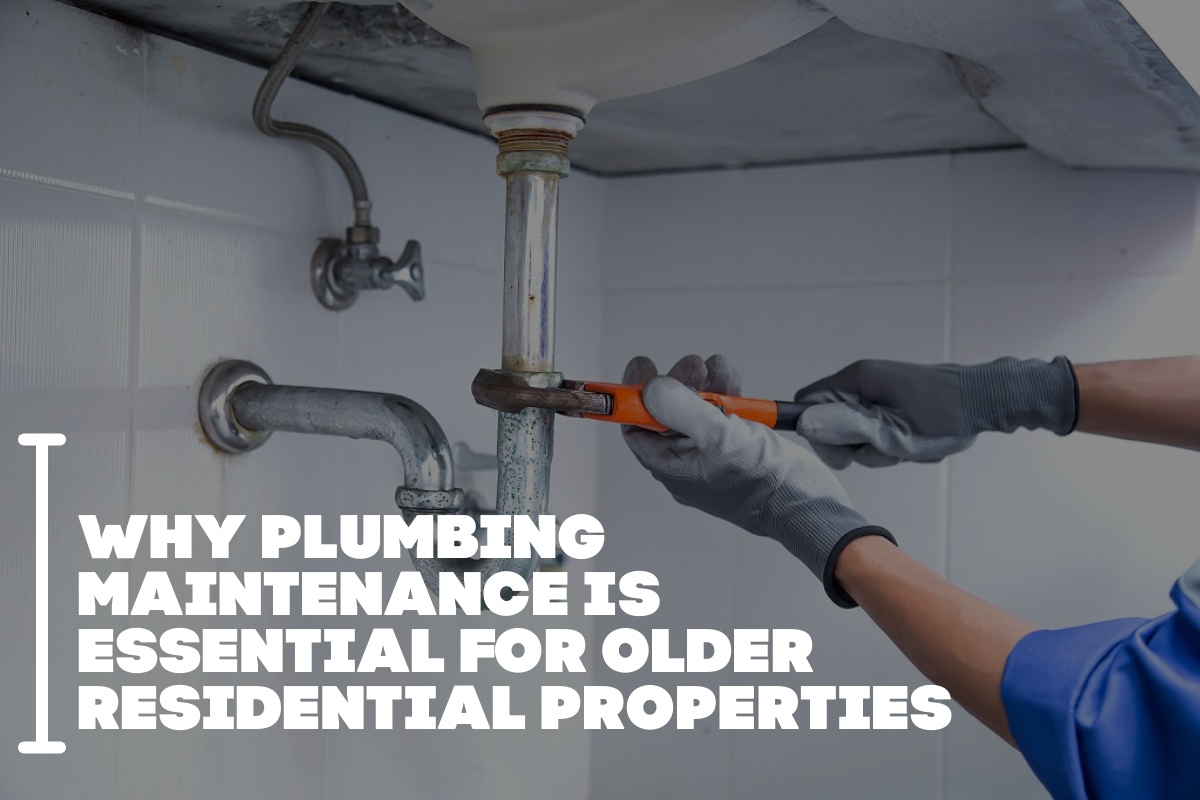
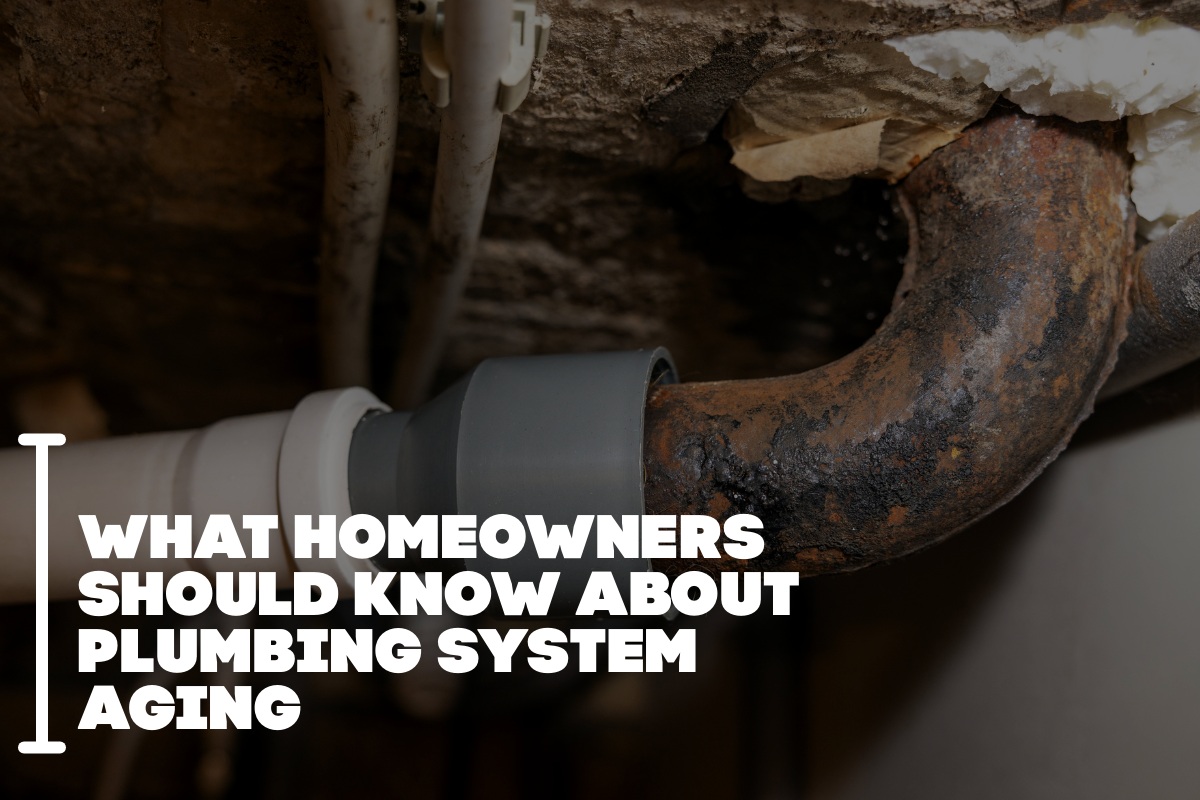
If your home is several decades old and still has original plumbing, it may be nearing the end of its lifespan. Older materials such as galvanized steel or cast iron are prone to corrosion, cracking, and failure.
An aging plumbing infrastructure is more vulnerable to leaks, reduced water quality, and sudden breakdowns. Proactive inspection and replacement can prevent emergencies and improve overall system reliability.
Sewage Odors or Backups
Foul sewage smells coming from drains or visible wastewater backups are serious warning signs. These issues often indicate sewer line blockages, broken pipes, or ventilation problems.
Sewage-related problems pose health hazards and require immediate professional intervention to prevent contamination and extensive property damage.
Frequently Asked Questions
How do I know if a plumbing issue is urgent?
Issues involving leaks, sewage smells, water damage, or loss of water pressure should be addressed immediately to prevent further damage.
Can small leaks really cause major damage?
Yes. Even minor leaks can lead to mold growth, structural deterioration, and increased utility costs over time.
Is low water pressure always a plumbing problem?
Not always, but persistent low pressure often indicates internal issues such as leaks, corrosion, or pipe blockages.
How often should plumbing systems be inspected?
Homes should have professional plumbing inspections every few years, or more frequently for older properties.
Should I replace old plumbing even if there are no visible issues?
Yes. Aging pipes can fail without warning, and proactive replacement can prevent costly emergencies.