Historic homes carry architectural charm, cultural value, and unique craftsmanship that modern buildings often cannot replicate. However, beneath their timeless appeal lies a complex plumbing infrastructure that may be decades—or even a century—old. Understanding the lifespan of plumbing systems in historic homes is essential for homeowners, buyers, and preservation enthusiasts who want to maintain safety, functionality, and property value.
Why Plumbing Lifespan Matters in Historic Properties
Plumbing systems are critical to daily living. Aging pipes, outdated materials, and shifting building codes can create risks such as leaks, water contamination, low water pressure, and structural damage. In historic homes, plumbing may have been partially updated over time, resulting in a mix of old and new materials that require careful assessment.
Key concerns in older plumbing systems include:
- Corrosion and pipe deterioration
- Lead contamination risks
- Reduced water pressure
- Drain blockages due to outdated pipe design
- Hidden leaks behind walls and under floors
Regular inspection and understanding material lifespan help prevent costly repairs and preserve the integrity of the home.
Common Plumbing Materials in Historic Homes
Historic homes often contain materials that are no longer used in modern construction. Each material has a different expected lifespan.
| Plumbing Material | Common Installation Era | Average Lifespan | Key Concerns |
|---|---|---|---|
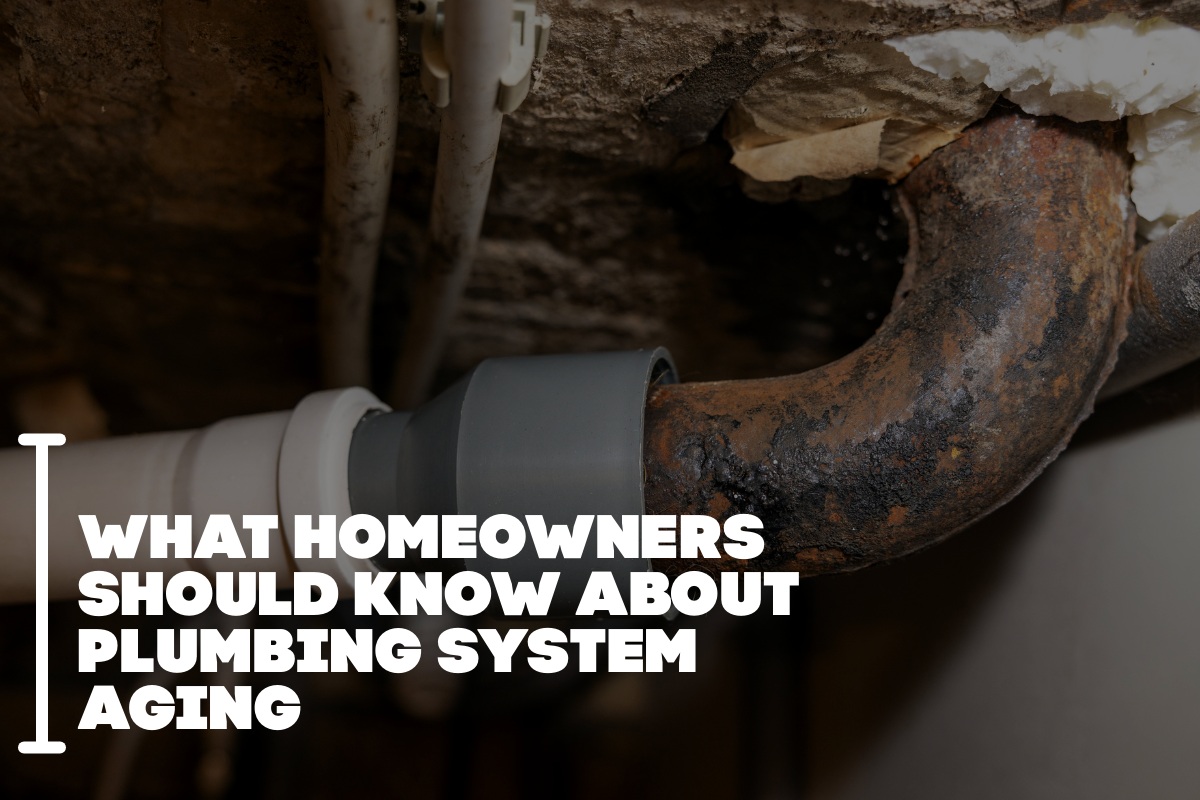
| Galvanized Steel | 1900s–1960s | 40–70 years | Internal corrosion, rust buildup |
| Cast Iron (Drain Lines) | 1900s–1970s | 50–100 years | Cracking, scaling, root intrusion |
| Lead Pipes | Pre-1940s | 50–100 years | Health risks from contamination |
| Copper | 1950s–Present | 50+ years | Pin-hole leaks in acidic water |
| Polybutylene | 1970s–1990s | 10–30 years | Brittle failure, insurance issues |
Understanding which materials are present in a historic home helps determine whether repairs or full replacements are necessary.
Factors That Affect Plumbing Longevity
The lifespan of plumbing systems in historic homes is influenced by several environmental and structural factors:
- Water Quality: High mineral content or acidic water accelerates pipe corrosion.
- Climate: Freeze-thaw cycles can cause pipe expansion and cracking.
- Maintenance History: Homes with consistent maintenance tend to experience fewer failures.
- Renovations: Poorly integrated upgrades may stress older systems.
- Soil Conditions: Shifting soil can damage underground sewer lines.
Even if pipes appear intact, internal corrosion can restrict flow and compromise water quality.
Signs Your Historic Home’s Plumbing Needs Attention
Homeowners should watch for warning signs indicating plumbing deterioration:
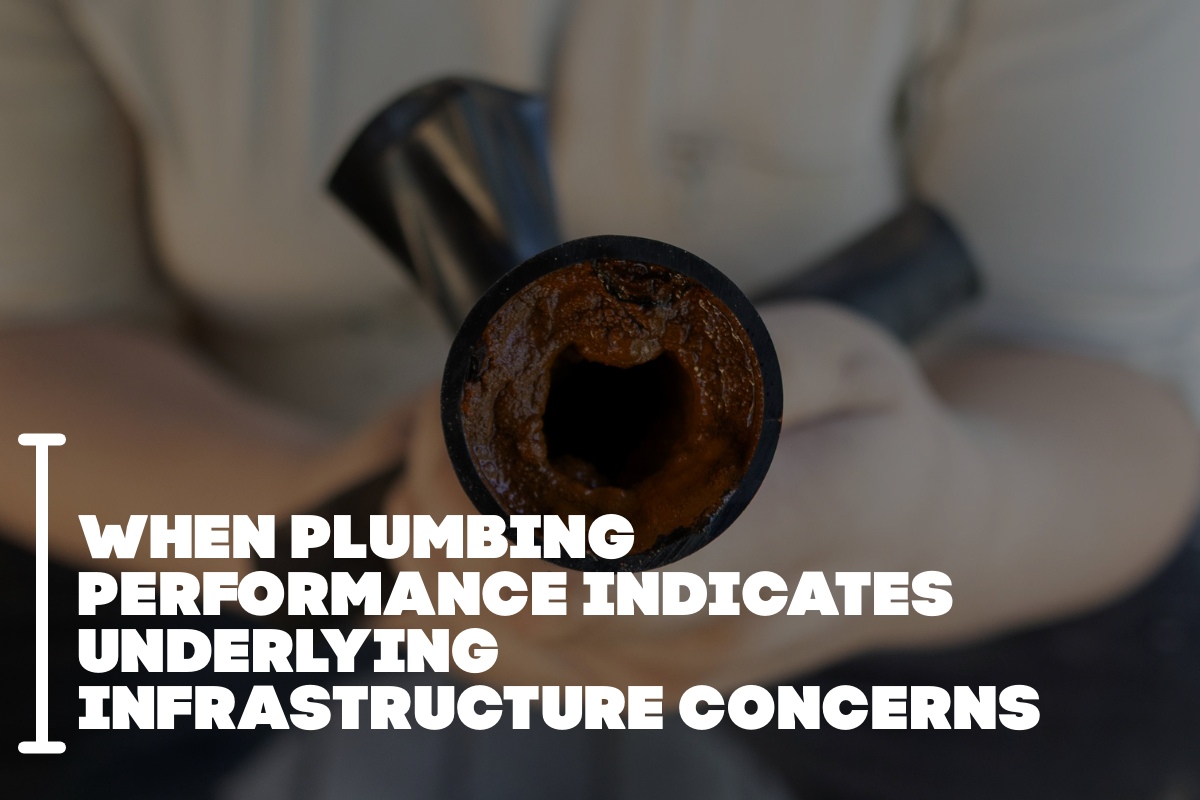
- Discolored or rusty water
- Frequent leaks or damp spots on walls
- Low or fluctuating water pressure
- Slow-draining sinks or tubs
- Unusual odors from drains
- Increased water bills without explanation
A professional plumbing inspection using modern tools such as video sewer cameras can reveal hidden issues without damaging historic features.
Balancing Preservation with Modern Upgrades
Preserving the architectural character of a historic home does not mean preserving outdated plumbing. In fact, upgrading plumbing systems often protects the structure from water damage while maintaining historical integrity.
Strategies for thoughtful upgrades include:
- Replacing lead or galvanized supply lines with copper or PEX
- Installing modern shutoff valves for safety
- Updating sewer lines with trenchless repair methods
- Maintaining visible historic fixtures while upgrading internal components
Careful planning ensures modern reliability without compromising authenticity.
Estimated Replacement Timelines
While actual timelines vary, the following estimates provide general guidance:
- Water Supply Lines: 50–70 years depending on material
- Drain and Sewer Lines: 50–100 years
- Water Heaters: 8–15 years
- Faucets and Fixtures: 15–30 years
If your home is over 60 years old and plumbing has never been fully replaced, a comprehensive evaluation is strongly recommended.
Preventive Maintenance Tips for Historic Homes
Proactive care extends plumbing lifespan and prevents emergencies.
- Schedule annual plumbing inspections
- Test water quality periodically
- Install pressure regulators if needed
- Insulate pipes to prevent freezing
- Avoid chemical drain cleaners that corrode pipes
- Keep detailed maintenance records
Preventive measures not only protect the plumbing system but also preserve the historic structure itself.
Long-Term Value of Modernizing Plumbing Systems
Upgrading outdated plumbing enhances:
- Property resale value
- Home safety and water quality
- Energy efficiency
- Insurance eligibility
- Overall comfort and convenience
Historic homes can retain their charm while benefiting from modern infrastructure. Investing in plumbing improvements reduces long-term repair costs and supports sustainable homeownership.
FAQs
How long do galvanized pipes last in historic homes?
Galvanized steel pipes typically last between 40 and 70 years, but internal corrosion often reduces water pressure long before complete failure.
Are lead pipes still safe if they aren’t leaking?
No. Even if lead pipes are not leaking, they can contaminate drinking water and pose serious health risks. Replacement is strongly recommended.
Can I replace plumbing without damaging historic walls?
Yes. Modern techniques such as trenchless sewer repair and strategic pipe routing help minimize disruption to original architecture.
How often should plumbing in a historic home be inspected?
Annual inspections are ideal, especially for homes over 50 years old or those with mixed-material plumbing systems.
Is full plumbing replacement always necessary in old homes?
Not always. Some systems may only require partial updates. A licensed plumber can assess material condition and recommend targeted improvements.