Low water pressure is a common plumbing issue that can affect daily tasks such as showering, cleaning, and cooking. When the pressure drops, it can lead to frustrations and inconveniences in the home. There are several potential causes of low water pressure in residential plumbing systems, ranging from simple issues to more complex ones.
Understanding these causes can help homeowners diagnose and address the problem effectively. In this article, we’ll explore some of the most common reasons for low water pressure and offer solutions for each.
1. Clogged Pipes
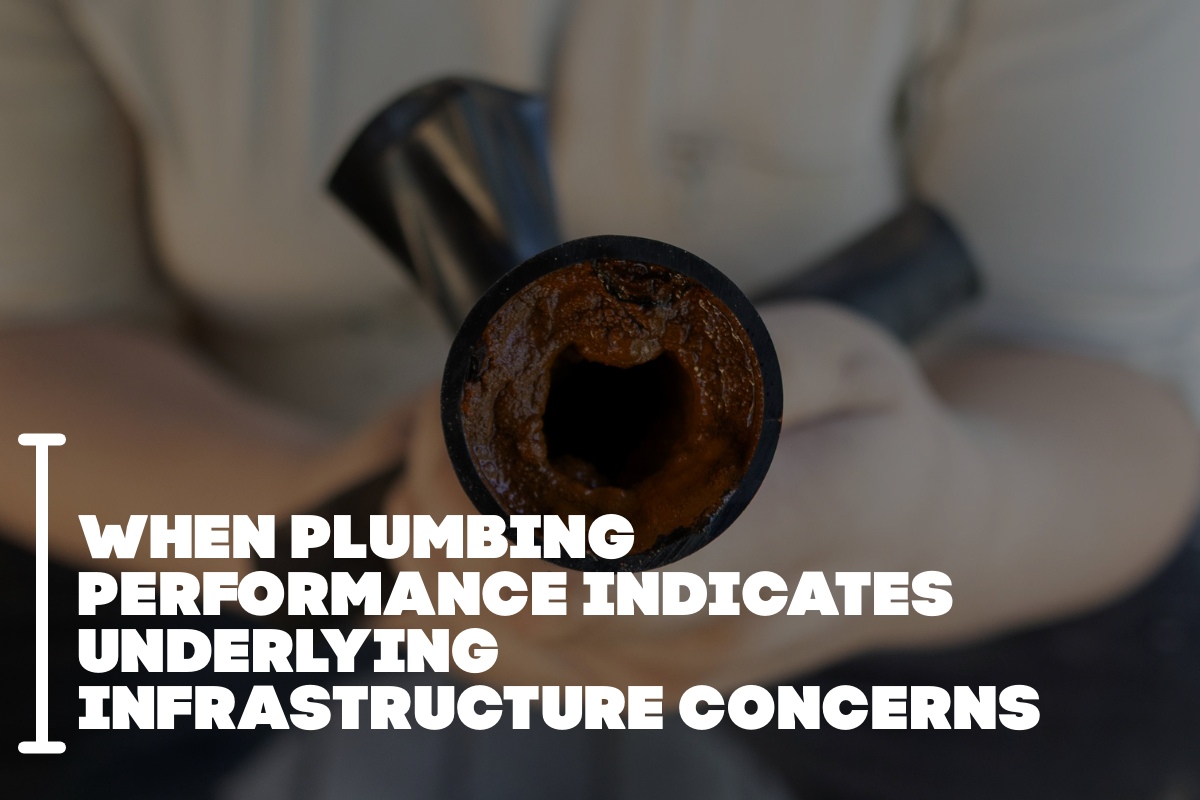
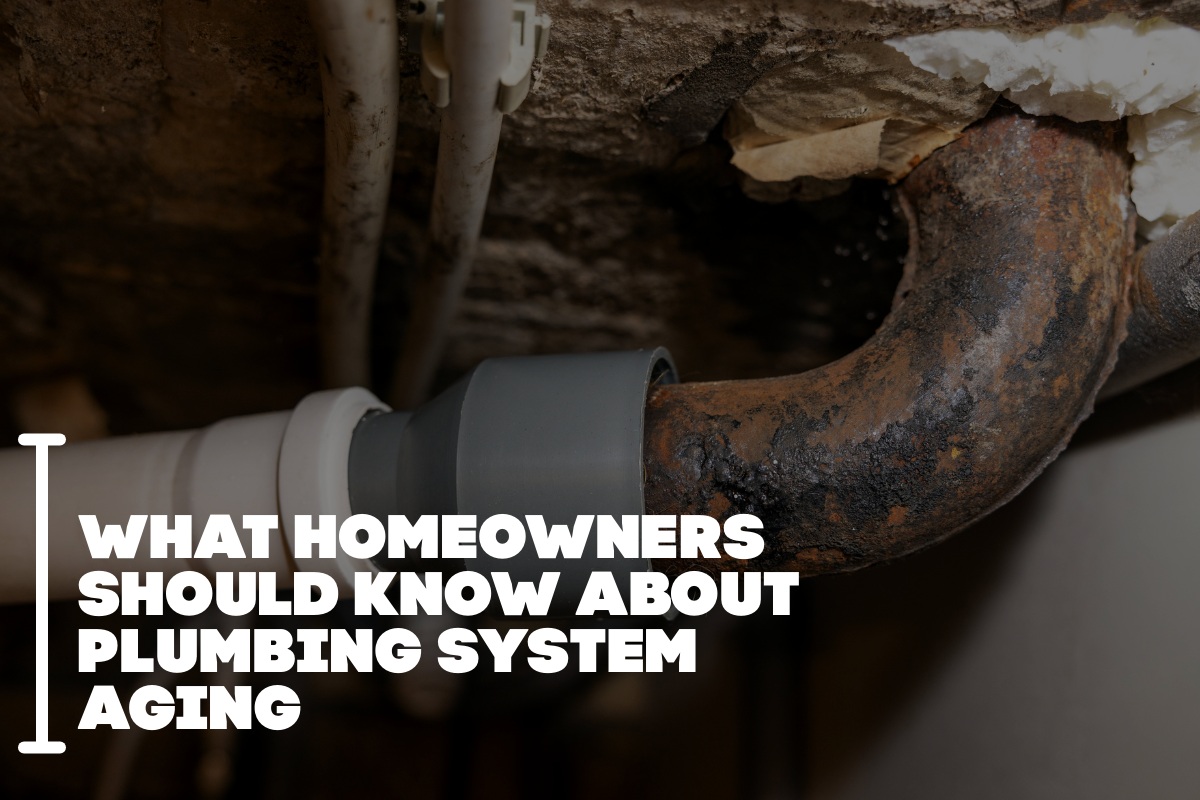
Over time, pipes can accumulate mineral deposits, rust, and other debris that restrict water flow. This is particularly common in older homes with galvanized steel pipes. As the buildup of minerals like calcium and lime increases, it narrows the space for water to pass through, resulting in lower water pressure throughout the house.
How to fix it:
- Pipe replacement: If your home has old galvanized steel pipes, replacing them with modern materials like copper or PEX can help prevent future clogs.
- Pipe cleaning: A professional plumber can also clean out the pipes to remove mineral deposits and restore normal water flow.
2. Faulty Pressure Regulator
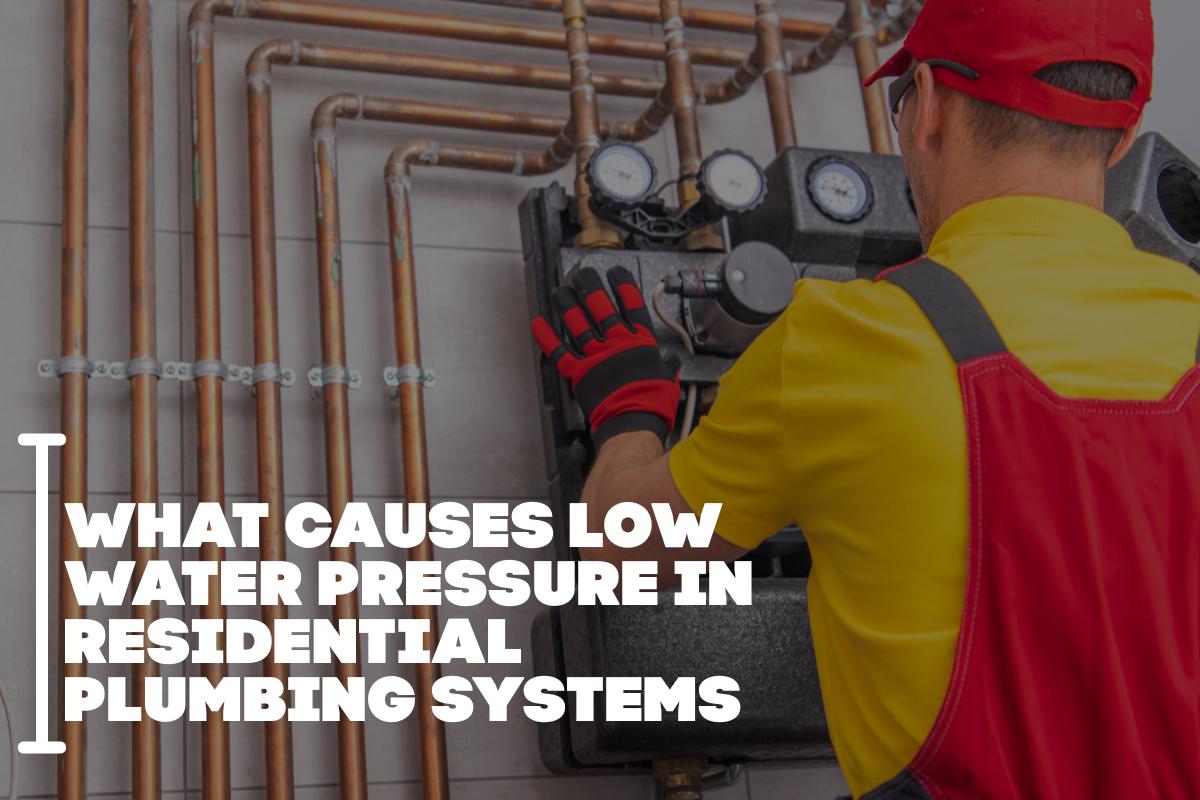
A pressure regulator controls the flow of water into your home by maintaining a consistent pressure level. If this regulator is malfunctioning, it may not allow water to flow at the correct pressure, leading to low water pressure. Over time, these devices can wear out or become clogged.
How to fix it:
- Adjusting the regulator: In some cases, the pressure regulator can be adjusted to increase the water pressure. A plumber can help with this.
- Replacement: If the pressure regulator is damaged beyond repair, it may need to be replaced to restore the proper water pressure.
3. Leaking Pipes
Leaking pipes are a significant cause of low water pressure. When there’s a leak in your plumbing system, water escapes before reaching the faucets or showerheads, resulting in decreased pressure. Leaks can occur anywhere in the system, including hidden pipes inside walls or underground, making it difficult to detect without professional help.
How to fix it:
- Leak detection: A plumber can use specialized equipment, such as acoustic sensors or thermal cameras, to locate leaks within the system.
- Pipe repair or replacement: Once the leak is located, the affected pipe will need to be repaired or replaced to restore water pressure.
4. Blocked or Malfunctioning Fixtures
Low water pressure may not always be due to a problem with the entire plumbing system. Sometimes, a specific faucet or fixture, such as a showerhead or kitchen sink, may be the culprit. Over time, mineral buildup, mold, or debris can clog aerators and showerheads, reducing water flow and causing low pressure.
How to fix it:
- Cleaning fixtures: Remove the aerators or showerheads and soak them in vinegar to dissolve mineral deposits. Rinse thoroughly and reattach them.
- Replacing fixtures: If cleaning doesn’t restore water flow, it may be necessary to replace the affected fixture.
5. Water Supply Issues
In some cases, the problem with low water pressure isn’t within your home’s plumbing system, but rather with the water supply from the utility provider. Municipal water systems can experience fluctuations in pressure due to maintenance work, increased demand, or other factors, leading to temporary drops in water pressure.
How to fix it:
- Contact the water utility: If you suspect the issue is with the water supply, check with your water utility provider to see if they are conducting any maintenance or facing pressure issues in your area.
- Install a booster pump: If low water pressure from the supply is a persistent problem, installing a water pressure booster can help improve flow into your home.
6. Corroded or Aging Pipes
Older homes, particularly those built before the 1970s, may have cast iron or galvanized steel pipes that are prone to corrosion over time. Corroded pipes narrow the water passage, limiting the flow of water and leading to reduced pressure. This issue is often more severe in homes with plumbing that hasn’t been updated in decades.
How to fix it:
- Pipe replacement: Replacing old, corroded pipes with modern materials like copper or PEX can resolve the issue and restore proper water flow.
- Pipe lining: In some cases, a process called pipe lining may be used, where a new lining is inserted into existing pipes to restore their function without the need for full replacement.
7. Water Meter Valve Issues
The water meter valve regulates the flow of water into your home. If this valve is partially closed, it can restrict the amount of water entering your plumbing system, resulting in lower pressure. Over time, the valve may accidentally get turned partially closed during maintenance or repairs.
How to fix it:
- Check the valve: Locate the water meter valve and ensure it is fully open. Turn it counterclockwise to allow more water into the system.
- Consult a professional: If you’re unsure about how to adjust the valve or if the issue persists, a plumber can help.
8. Well Pump Issues (for Homes with Well Water)
Homes that rely on a well for their water supply may experience low water pressure if the well pump is malfunctioning or if the well water level is low. The pump is responsible for drawing water from the well and pushing it into the plumbing system. If the pump is not working properly, it can lead to insufficient water pressure.
How to fix it:
- Pump inspection: A professional can inspect the well pump and determine if it needs repair or replacement.
- Pump replacement: If the pump is old or broken, replacing it will restore water pressure.
FAQs
What should I do if I only have low pressure in one area of my house?
If the issue is localized to one faucet or fixture, it’s likely caused by a clogged aerator or a problem with that specific fixture. Cleaning or replacing the fixture should resolve the issue. If the problem persists, consult a plumber.
How do I know if my pipes are clogged or corroded?
Signs of clogged or corroded pipes include reduced water flow, strange noises when water is running, and visible leaks. A plumber can perform an inspection using advanced tools like cameras or sensors to identify the problem.
Can I fix low water pressure myself?
Some causes of low water pressure, such as clogged fixtures or a partially closed water meter valve, can be fixed by homeowners. However, more complex issues like leaking or corroded pipes, faulty pressure regulators, or pump problems may require professional help.
How can I tell if the low pressure is due to a municipal supply issue?
If your neighbors are also experiencing low water pressure or if the pressure fluctuates at different times of day, the issue is likely with the municipal water supply. Contact your water utility provider to confirm the problem.
Is replacing old pipes the only solution for low water pressure in an older home?
While replacing old pipes is often the most effective solution, other options such as pipe cleaning, lining, or partial replacements may be considered depending on the extent of the damage. A professional plumber can assess the best course of action.