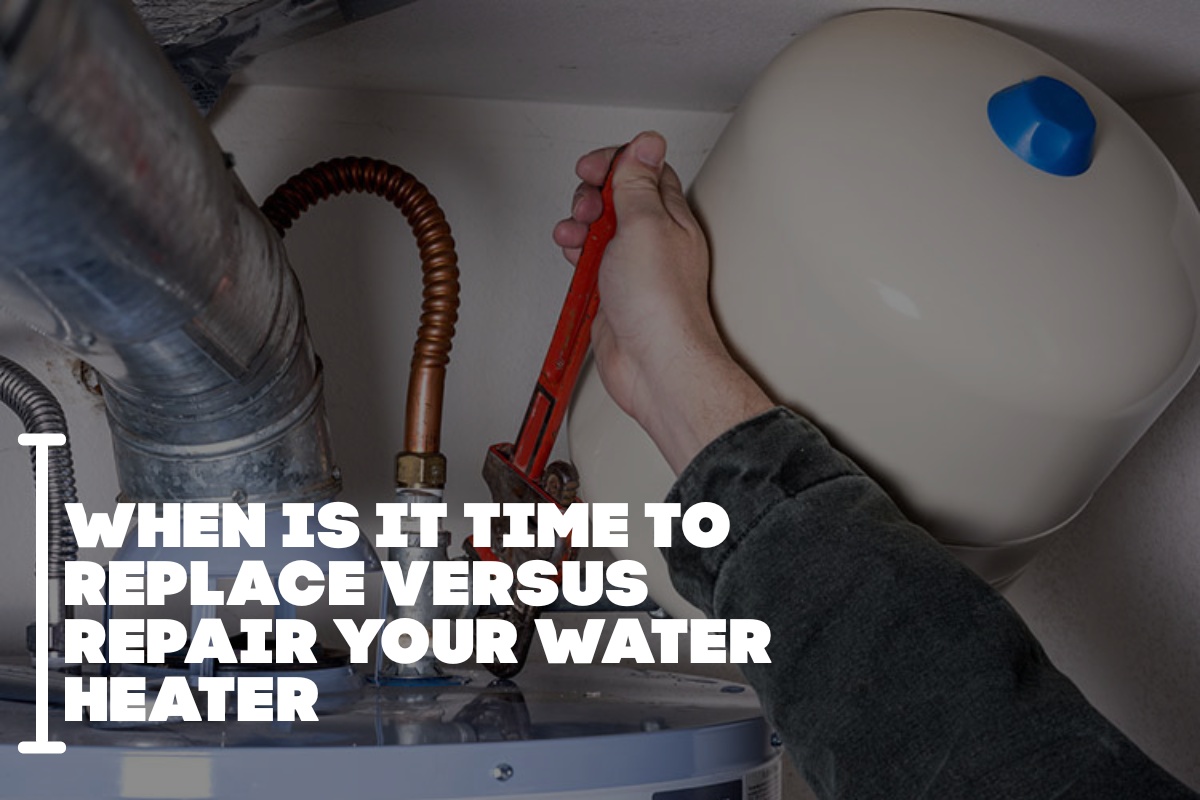
A water heater is one of the most essential appliances in a home, yet it often receives attention only when something goes wrong. When problems appear, homeowners are usually faced with a key question: should the water heater be repaired, or is it time to replace it entirely? The right choice depends on factors such as age, cost, efficiency, and safety. Understanding these factors can help you avoid unnecessary expenses and unexpected breakdowns.
Understanding the Average Lifespan of a Water Heater
Most traditional tank-style water heaters last between 8 and 12 years, depending on usage, water quality, and maintenance. Tankless water heaters generally last longer, often 15 to 20 years.
If your unit is approaching or beyond its expected lifespan, replacement is often the smarter long-term option. Older units are more prone to failure, less energy-efficient, and more expensive to keep repairing.
When Repairing a Water Heater Makes Sense
Repairing a water heater is usually the better choice when the issue is minor and the unit is relatively new.
Situations where repair is often sufficient include:
- A faulty thermostat
- A broken heating element
- A malfunctioning pressure relief valve
- Minor electrical or ignition issues
If the repair cost is low and the heater is under 7–8 years old, repairing it can extend its life and delay the need for replacement.
Signs That Replacement Is the Better Option
Certain warning signs indicate that replacement may be more cost-effective and safer than continued repairs.
These signs include:
- Frequent breakdowns or repeated repairs
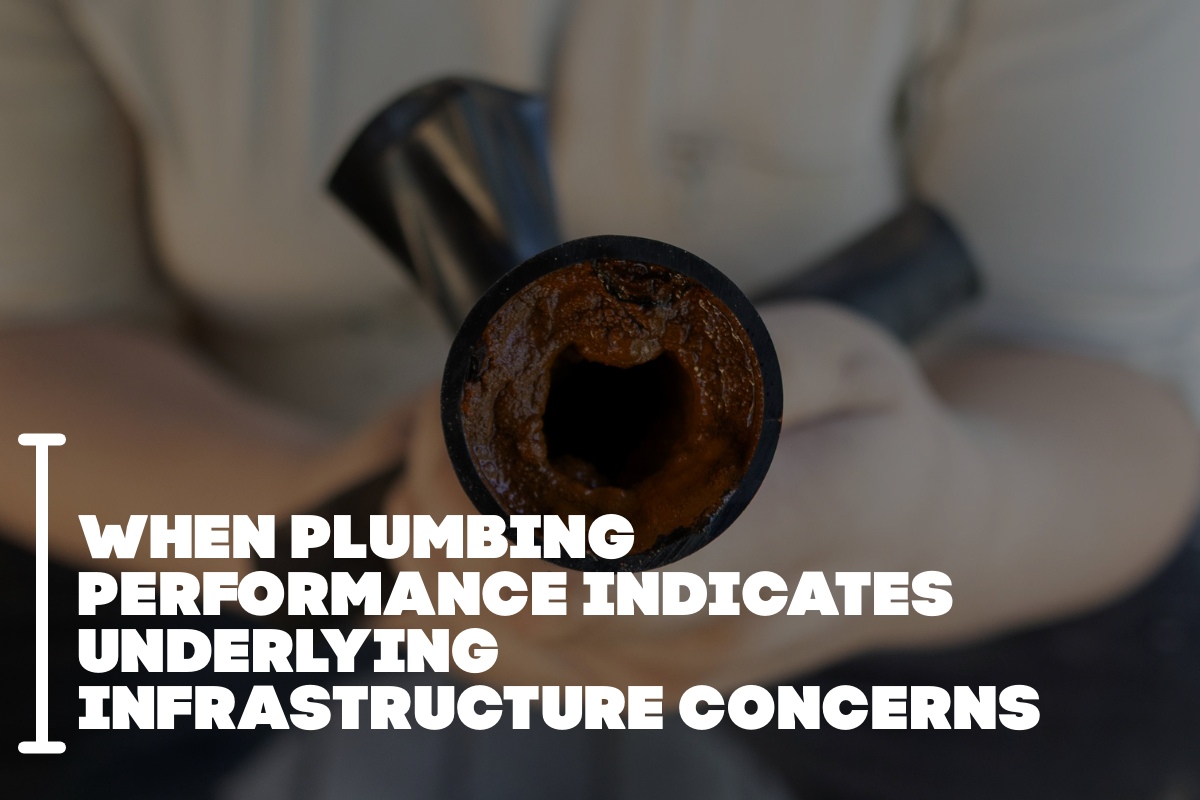
- Rust-colored or cloudy hot water
- Visible corrosion on the tank
- Water leaking from the tank itself
- Inconsistent or insufficient hot water
Tank leaks, in particular, usually cannot be repaired and signal the end of the unit’s useful life.
Comparing Repair Costs Versus Replacement Costs
A common guideline is the “50 percent rule.” If the cost of repair is close to or exceeds 50 percent of the cost of a new water heater, replacement is usually the better investment.
Additionally, repeated small repairs can add up over time. Replacing an aging unit may cost more upfront but can reduce future repair bills and improve reliability.
Energy Efficiency and Operating Costs
Older water heaters are typically less energy-efficient than newer models. Over time, sediment buildup and worn components force the heater to work harder, increasing energy consumption.
Replacing an old unit with a modern, energy-efficient model can:
- Lower monthly utility bills
- Heat water faster and more consistently
- Reduce environmental impact
In many cases, energy savings over several years help offset the cost of replacement.
Safety Concerns That Favor Replacement
Safety should never be overlooked when deciding between repair and replacement. Aging water heaters can pose risks such as:
- Gas leaks
- Electrical hazards
- Pressure buildup leading to tank rupture
If a technician identifies safety issues or code violations, replacement is often the safest choice.
Changes in Household Hot Water Needs
Sometimes the water heater itself isn’t failing—it’s simply no longer suitable for your household. If your family size has increased or hot water demand has changed, replacing the unit with a larger or more efficient model may be more practical than repeated repairs.
The Role of Maintenance in Delaying Replacement
Regular maintenance can significantly extend a water heater’s life. Flushing the tank annually, checking the anode rod, and inspecting valves help prevent premature failure.
However, maintenance has limits. Even a well-maintained unit will eventually reach a point where replacement is more reliable and economical than repair.
Environmental and Long-Term Value Considerations
Replacing an old water heater can reduce water and energy waste. Newer models often meet higher efficiency standards and produce fewer emissions.
From a long-term value perspective, replacement offers:
- Better performance
- Improved energy efficiency
- Reduced risk of sudden failure
- Increased peace of mind
Frequently Asked Questions (FAQs)
Q. How do I know how old my water heater is?
You can usually find the manufacturing date on the serial number located on the unit’s label or data plate.
Q. Is a leaking water heater always a reason to replace it?
Leaks from the tank itself usually mean replacement is necessary. Small leaks from fittings or valves may be repairable.
Q. Can repairing an old water heater be a waste of money?
Yes. Older units often develop new problems shortly after repairs, making replacement more cost-effective in the long run.
Q. Does replacing a water heater improve energy efficiency?
Yes. Newer models are designed to use less energy and heat water more efficiently, reducing utility costs.
Q. How often should a water heater be maintained?
Annual maintenance is recommended to extend lifespan, improve efficiency, and catch problems early.