Professional plumbing service ensures systems last 50+ years by detecting hidden issues and using specialized tools that DIY misses, preventing 80% of costly failures like bursts or backups. Certified techs comply with codes, optimizing flow and pressure for peak reliability.
Detects Hidden Leaks and Corrosion Early
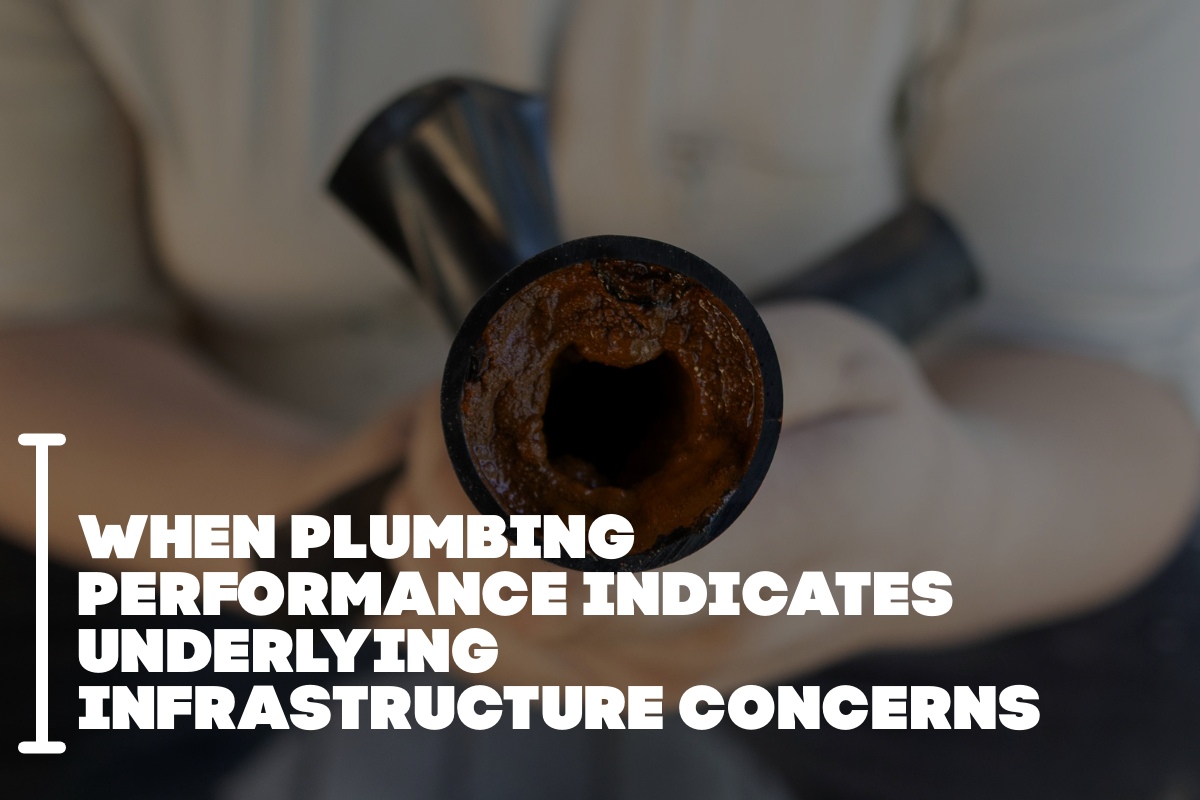
DIY checks miss slab leaks wasting 100 gallons daily; plumbers use acoustic sensors and cameras to pinpoint corrosion before walls buckle. Early fixes save $10,000+ in flood damage and mold remediation.
Proper Tools Prevent Pipe Damage
Hydro-jetting at 4,000 PSI clears roots without snaking’s pipe scratches; chemical-free methods preserve PVC integrity unlike draino etching lines. Camera scopes reveal offsets for targeted repairs.
Optimizes System Efficiency and Pressure
Techs calibrate regulators to 50 PSI, balancing flow without erosion; water softeners regenerate precisely, cutting scale 70%. Results in 20-30% lower bills and consistent showers.
Ensures Code Compliance and Warranties
Backflow tests, TPR valve checks meet annual mandates; improper DIY voids 20-year PEX warranties. Documented service satisfies insurers, avoiding claim denials.
Extends Appliance and Fixture Life
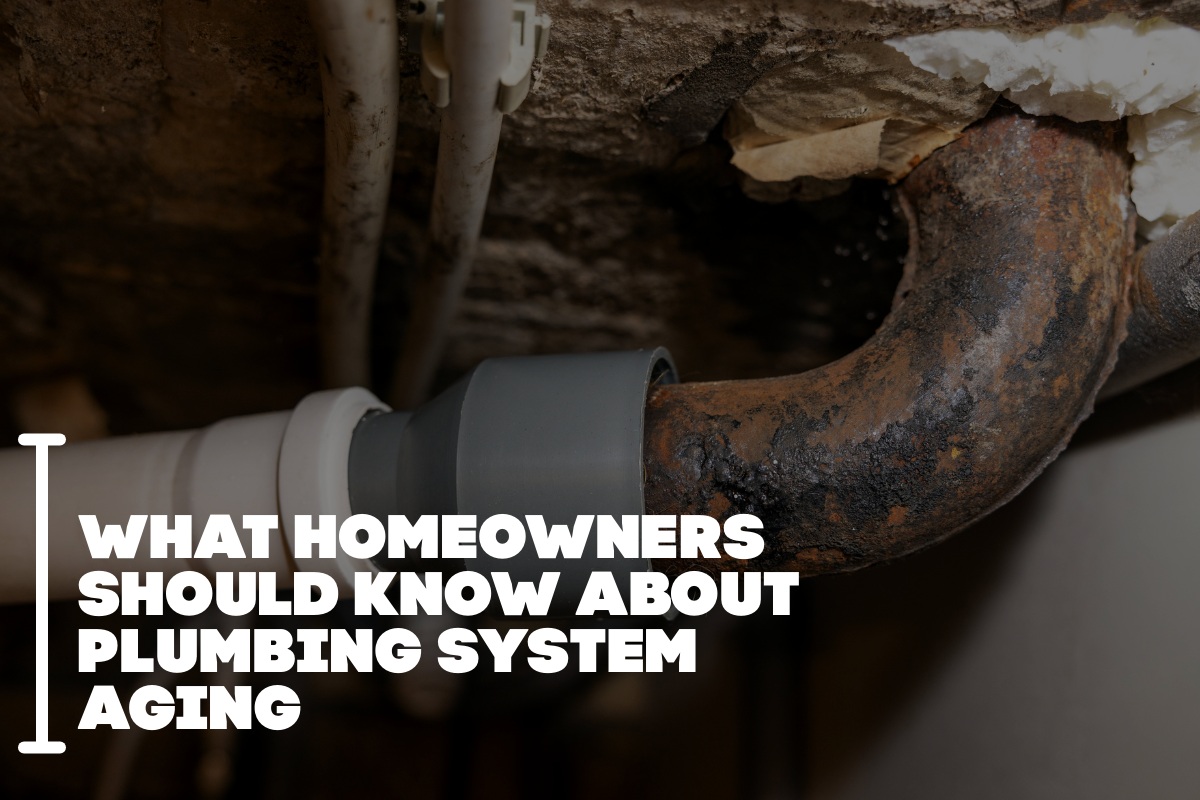
Flushing heaters dissolves sediment boosting efficiency 25%; anode replacements shield tanks from rust 5x longer. Pros spot galvanic corrosion early, delaying full repipes.
Handles Complex Diagnostics Accurately
Multimeter tests isolate electrical faults in sump pumps; sewer scopes grade root intrusion severity for trenchless cures. Avoids guesswork causing repeated $500 calls.
Provides Liability Protection
Licensed pros carry insurance for accidental cuts; DIY injuries or floods hit homeowners directly. 24/7 emergency response minimizes downtime in rentals or businesses.
FAQ
Why cameras over plungers?
Reveal exact block locations without damage.
Do pros save on water bills?
Yes, 20-30% via leak fixes and optimization.
When does DIY void warranties?
Using chemicals or improper snaking.
How often professional inspections?
Annually for mains, bi-annually for heaters.
What tools detect slab leaks?
Acoustic meters and moisture tracers.