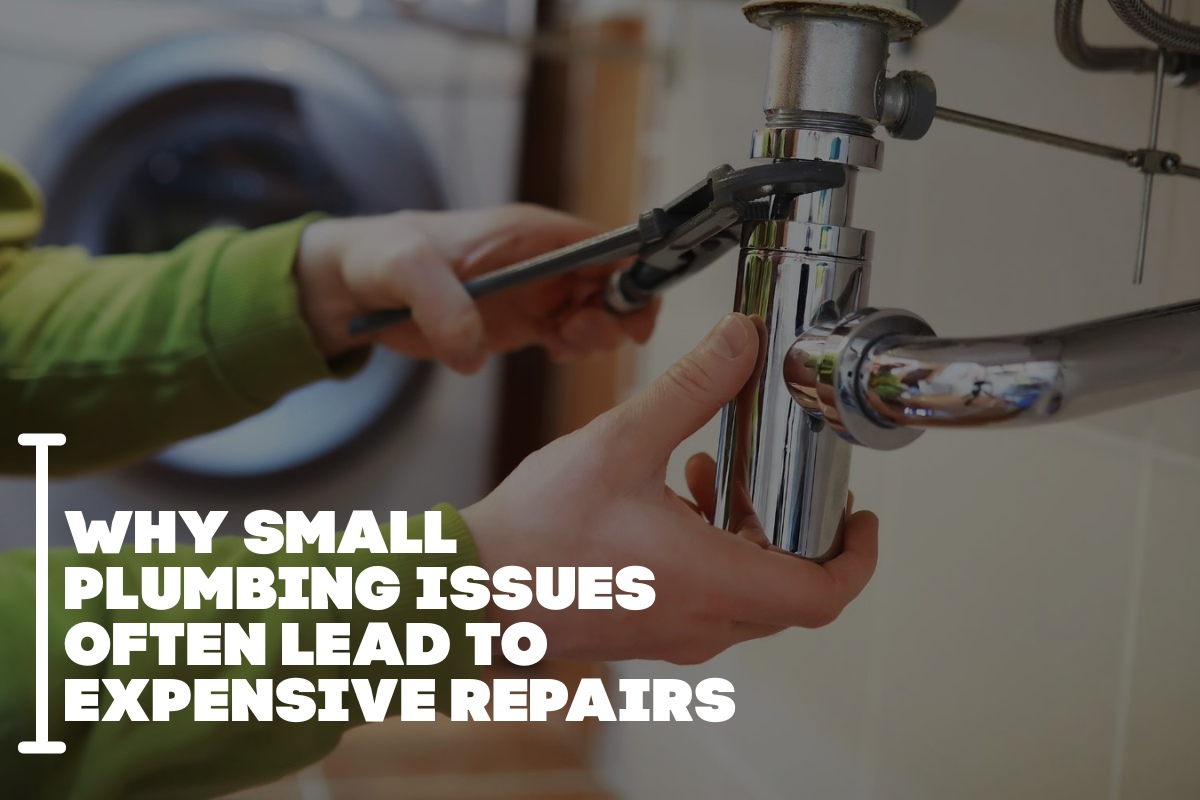
When it comes to plumbing, many homeowners tend to overlook small issues, thinking that they are minor problems that will resolve themselves. However, failing to address these small plumbing issues promptly can often lead to much bigger and more expensive repairs down the road.
Understanding why small plumbing problems can snowball into costly repairs is important for maintaining the integrity of your home’s plumbing system and saving money in the long run. Here’s why it’s crucial to take those small issues seriously and tackle them early.
1. Water Damage Can Be Cumulative
One of the most significant risks of ignoring small plumbing issues is the potential for water damage. Even minor leaks or drips from faucets, pipes, or appliances may seem harmless at first, but over time, they can cause extensive damage to surrounding areas. Water can seep into walls, floors, and ceilings, leading to structural damage, mold growth, and even foundation problems.
For example, a leaky pipe behind a wall may go unnoticed for months, but the slow accumulation of water can eventually weaken the drywall, ruin insulation, and create mold conditions that will require costly remediation. What started as a small leak can lead to expensive water damage repair costs if not dealt with early.
2. Increased Water Bills Add Up
Small plumbing issues, such as a leaky faucet, running toilet, or a slow-draining sink, often go unnoticed for a while, but the cost of these issues can add up significantly over time. A single leaky faucet can waste several gallons of water per day, and over the course of a month or year, this can lead to a noticeable increase in your water bill.
Although it might seem like a minor annoyance at first, the continuous wastage of water directly impacts your utility bills, and these incremental costs can be avoided with a quick fix. Addressing these small leaks early can help prevent unnecessary expenses and conserve water, which is better for both your wallet and the environment.
3. Corrosion and Deterioration of Pipes
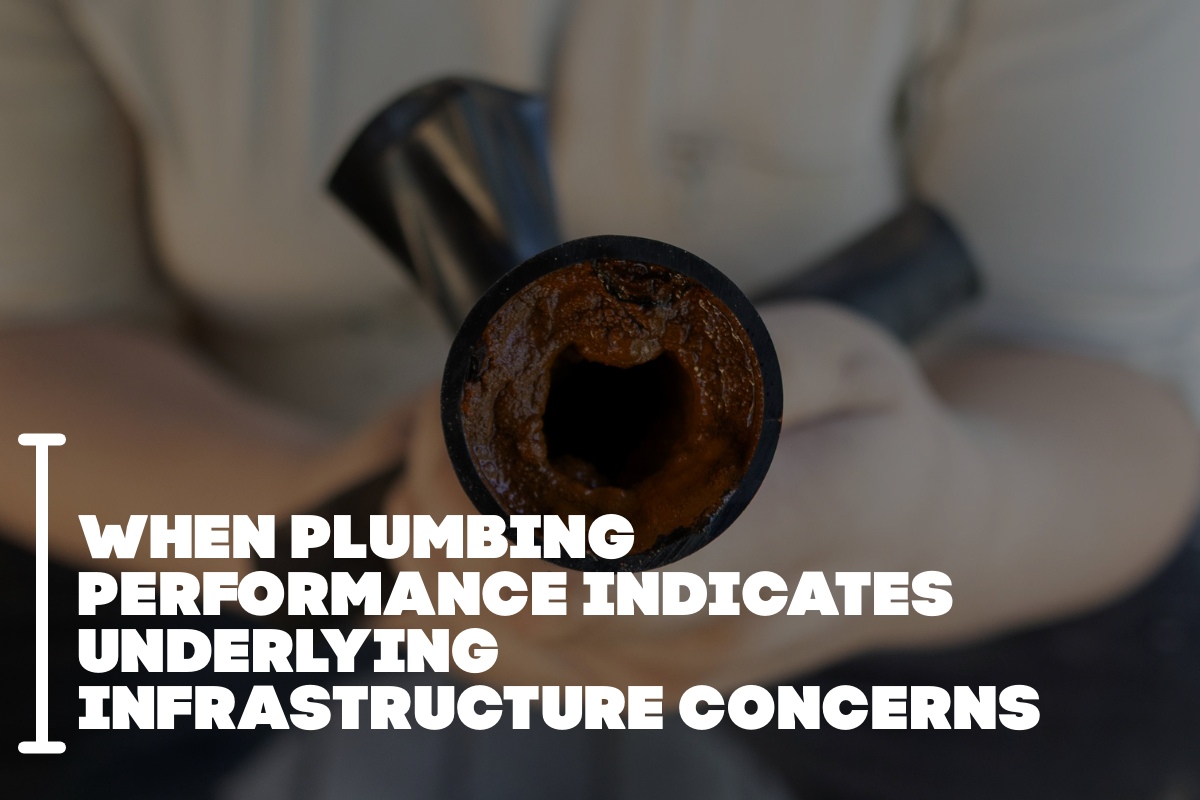
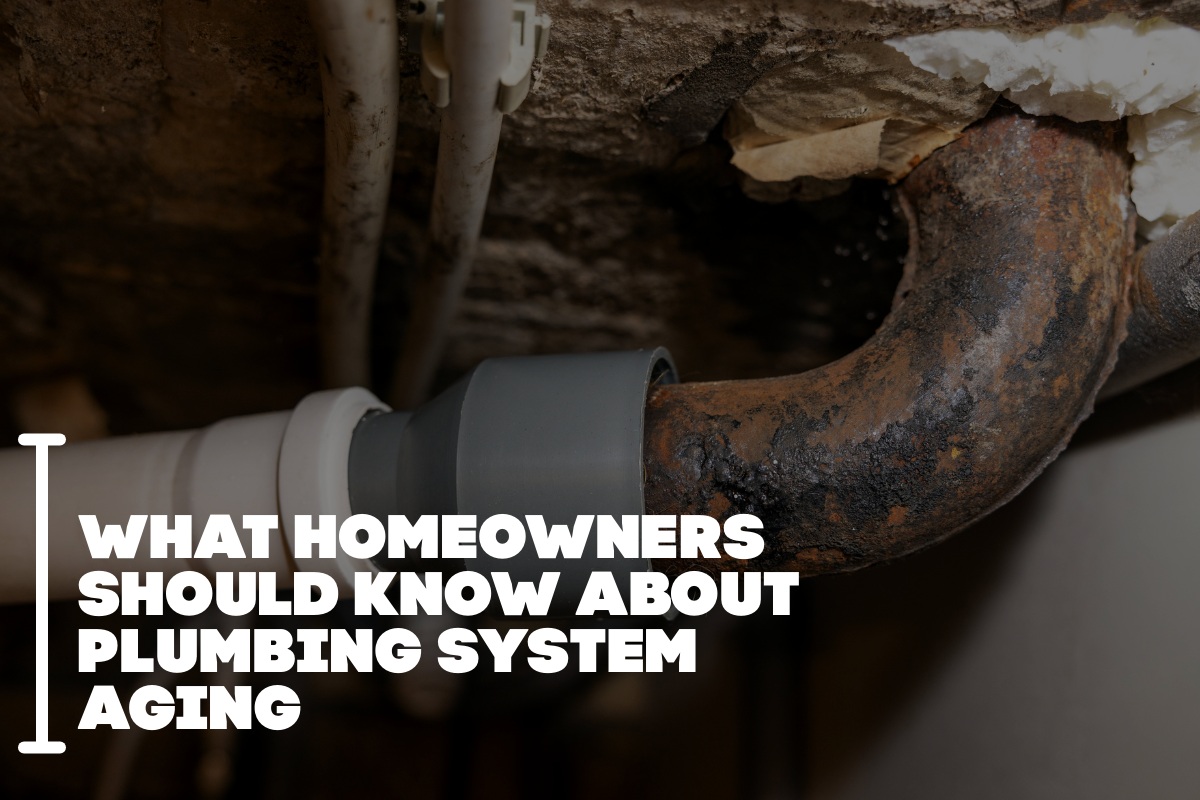
Small leaks, slow drips, or clogs may not only waste water but can also cause corrosion and deterioration of your pipes. Over time, constant exposure to moisture can weaken pipes, leading to rust, cracks, and ultimately, pipe failure. Copper pipes, in particular, are prone to corrosion when left exposed to even small amounts of water, while PVC pipes can degrade over time with the build-up of mineral deposits and constant pressure.
What begins as a small leak can quickly turn into a burst pipe, which requires more extensive and expensive repairs. The cost of replacing corroded or damaged pipes is often far greater than fixing a simple leak or clearing a minor clog early on.
4. Hidden Plumbing Issues Are Harder to Detect
Sometimes, small plumbing issues are hidden, like leaks within walls or underground pipes. These hidden issues can go unnoticed for months or even years, causing damage to your home’s foundation, insulation, and electrical wiring. Unlike visible leaks, hidden plumbing problems can result in bigger and more expensive repairs, as they require invasive work to locate and fix.
For example, a slow, undetected leak behind a wall may cause water damage that affects the structure of your home and lead to mold or mildew growth, which may require costly remediation. Additionally, damage to electrical wiring from water leaks can lead to even more expensive repairs. Catching these issues early with regular maintenance and inspection can save you from expensive, complex repairs later.
5. Clogs and Blockages Can Cause Larger Problems
A simple clog in the sink, toilet, or shower can often be ignored, but the build-up of debris and waste over time can create bigger blockages in the pipes. Minor clogs can cause water to drain slowly or back up, but over time, these blockages can lead to complete pipe blockages, causing wastewater to back up into your home. In some cases, severe blockages can cause pipes to burst or even cause sewage backups, which can lead to serious and costly health risks and property damage.
The longer you wait to fix a minor clog, the more likely it is to escalate into a larger, more expensive problem. If left untreated, blockages can damage your pipes, necessitating expensive repairs and potentially replacing entire sections of the plumbing system.
6. Pipes May Freeze and Burst
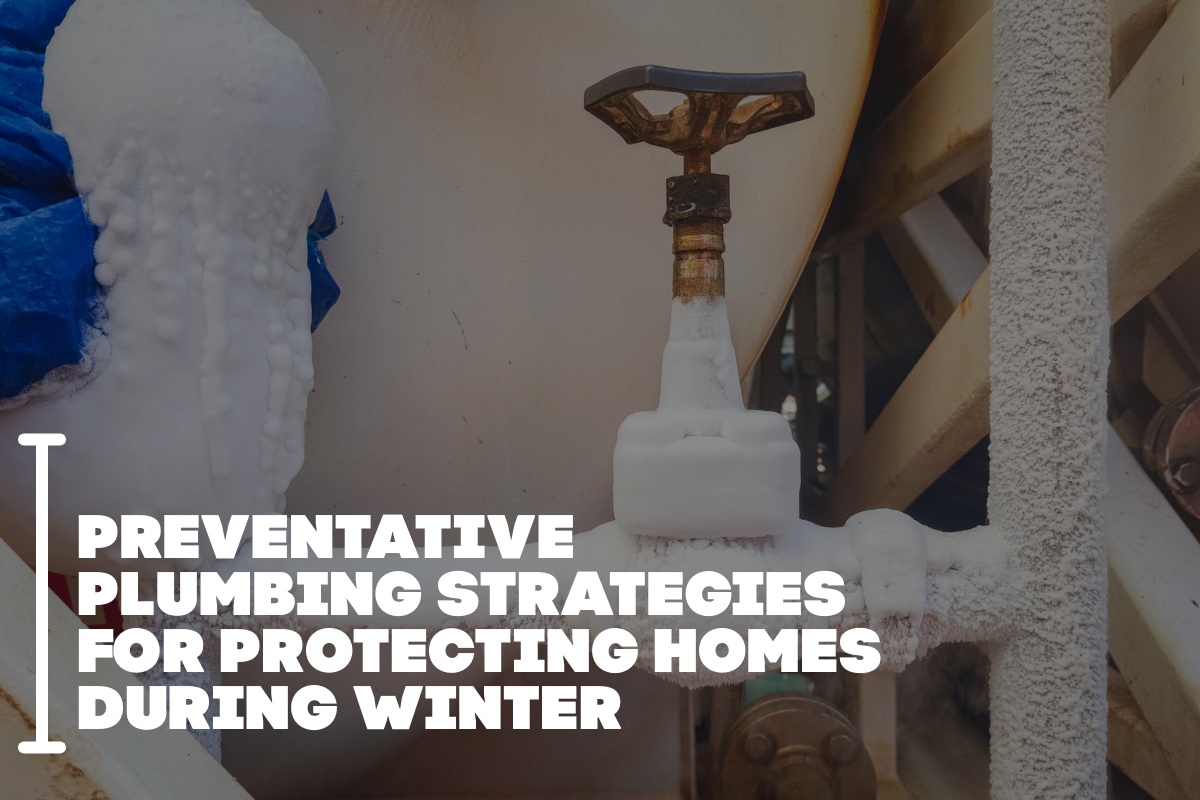
In colder climates, even small cracks or leaks in pipes can make them more vulnerable to freezing. When water in pipes freezes, it expands, putting tremendous pressure on the pipes, which can eventually lead to them bursting. A burst pipe caused by freezing can be extremely costly to repair, often involving tearing into walls or floors to access the damaged pipe.
Small leaks or cracks left unnoticed or unaddressed can make your plumbing system more susceptible to freeze damage, especially in the winter months. Taking care of minor issues, insulating pipes, and winterizing your plumbing can prevent these disasters from happening and save you from expensive repairs.
7. Plumbing Systems Can Be Interconnected
Your home’s plumbing system is interconnected, meaning that a small issue in one area can affect other parts of the system. For example, a clog in a single drain may cause water to back up in other parts of the house. A small leak in the kitchen sink may cause damage to cabinetry, flooring, and even electrical systems if left unchecked.
This interconnectedness means that one small plumbing problem can quickly escalate, affecting multiple areas of your home. What might have been a minor repair can develop into a much more complex and expensive issue that requires extensive plumbing work.
8. Long-Term Consequences of Delayed Repairs
When small plumbing issues are left unaddressed, they often worsen over time. What could have been a quick fix—such as replacing a washer in a faucet or tightening a loose pipe—becomes a larger, more costly repair. Ignoring these issues can result in the need for entire system replacements, extensive water damage repairs, or plumbing overhauls, all of which can add up to significant costs.
Regular maintenance and timely repairs help you avoid these long-term consequences and prevent small issues from escalating into major problems.
FAQs:
1. Why do small plumbing issues lead to expensive repairs?
Small plumbing issues, if left unaddressed, can cause water damage, pipe corrosion, and blockages, leading to larger, costlier repairs over time.
2. How can water damage from small leaks become expensive?
Water damage from leaks can seep into walls and floors, causing structural damage, mold growth, and requiring expensive remediation.
3. What happens if I ignore a small pipe leak?
Ignoring a small leak can lead to corrosion, pipe bursts, and extensive water damage, resulting in expensive repairs.
4. Why do small clogs turn into larger problems?
Small clogs can worsen over time, leading to complete blockages, backups, or burst pipes, which can cause significant damage and repair costs.
5. How can freezing pipes affect plumbing costs?
Frozen pipes can burst and cause extensive damage, which is often expensive to repair and requires replacing sections of the plumbing system.